Last updated November 18, 2026

Free written scope consultation - allowances, timeline, and change-order rules on paper before a single trade is scheduled
The Complete Guide to Construction in Richardson
Richardson sits on some of the most expansive clay soil in Collin County – the kind that can shift a foundation several inches between a wet spring and a dry August, and most homeowners find out about it the hard way, mid-project. That single fact changes everything about how you build here: how deep footings go, when you pour concrete, what you plant against a slab, and why a contractor from outside the area can hand you a beautiful bid that fails inspection. This guide maps the real construction landscape in Richardson – the soil, the permit lines, the HOA gauntlets, and the weather windows – so your next project starts from facts, not guesswork.
Quick Answer
Construction in Richardson, TX requires planning around expansive clay soil, City of Richardson permitting (with Collin County jurisdiction on some properties), HOA architectural review in most subdivisions, and two disruptive weather windows – spring storms from March through May and drought-driven soil shrink in July and August. Projects succeed when foundation design, material selection, and scheduling account for those local realities from day one, not after the first crack appears.
Styles & brands we work with
- Kitchen remodeling
- Bathroom remodeling
- Home additions & ADU
- Roofing
- Windows & doors
- Driveway & pavers
- Fence
Table of Contents
- How Richardson’s Expansive Clay Soil Affects Your Project
- Richardson Permits vs. Collin County: Where the Line Falls
- Navigating HOA Construction Approval in Richardson
- Why North Texas Temperature Swings Change Material Selection
- Sequencing a Project Around Richardson’s Two Weather Windows
- Which Projects Need the Most Local Care
- What Construction Costs in Richardson
- Common Mistakes to Avoid
How Richardson’s Expansive Clay Soil Affects Your Project
Richardson’s blackland clay has one of the highest plasticity indexes in the Dallas-Fort Worth metroplex. In plain terms: when it gets wet, it swells, and when it dries, it shrinks. A wet spring can push soil volume up enough to heave a poorly designed foundation, and a dry August can pull it back far enough to leave gaps under a slab edge. We’ve seen pier-and-beam structures in older Richardson neighborhoods ride out decades of this swing just fine, while slab-on-grade additions built without proper pier depth develop stair-step brick cracks within a couple of seasons.
What that means for your project, in practical terms:
- Foundation depth matters more than foundation type. Engineered pier designs drilled to stable strata beat a wider slab every time on this soil. A soil report from a geotechnical engineer is worth the few hundred dollars it costs, and most Richardson builders will ask for one before stamping drawings.
- Site drainage is a construction decision, not a landscaping afterthought. Positive grading away from the slab, properly sized gutters, and downspout extensions of at least six feet aren’t cosmetic – they’re foundation protection in a climate that delivers most of its rain in violent bursts.
- Tree placement can hurt or help. A mature oak pulling moisture from under one corner of a slab creates differential movement. We regularly advise homeowners against new large-canopy plantings within 10 feet of a foundation in Richardson.
- Timelines stretch when soil is saturated. A clay site that took three inches of rain needs days to dry before excavation or concrete pour. Schedules that don’t account for that slack are schedules that slip.
From foundation to finish line, the projects that hold up in Richardson are the ones where the ground was read correctly before the first shovel turned.
Richardson Permits vs. Collin County: Where the Line Falls
Most of Richardson sits inside Dallas County, but the city extends north into Collin County, and that boundary matters for permitting. The City of Richardson administers its own building permits and inspections for work inside city limits regardless of county, but properties on unincorporated Collin County edges or in newly annexed areas can fall under county rules for things like septic, setbacks, and some accessory structures. Homeowners who assume “the city handles everything” sometimes discover a county requirement mid-project.
Here’s the working sequence we walk Richardson clients through:
- Confirm jurisdiction by address. Pull the property’s exact classification from the city or county before design begins. It takes minutes and prevents months of rework.
- Identify whether the project is a “repair” or a “structural change.” Richardson permits are typically required for new construction, additions, structural alterations, roof replacements of a certain scope, fences over a height threshold, and any electrical, plumbing, or mechanical work beyond simple replacement. Cosmetic work often doesn’t require a permit – but an inspector’s interpretation can differ from yours.
- Submit drawings and a plat. Additions and ADUs need site plans showing setbacks, easements, and drainage. The city reviews for both structural adequacy and zoning conformance.
- Schedule inspections at each phase. Footings, framing, and final inspections aren’t optional. Skipping a phase inspection is the fastest way to fail a final and face a tear-out.
- Keep your permits visible and your records current. Richardson inspectors expect the permit card on site. Losing track of it can add days to a project closeout.
When we handle permits for a Richardson project, we pull them in the homeowner’s name and pass every inspection with documentation in hand. That’s not a courtesy – it’s the difference between a project that closes clean and one that causes trouble at resale.
Navigating HOA Construction Approval in Richardson
Richardson has one of the densest concentrations of active HOAs in the DFW area. Neighborhoods like Canyon Creek, Prairie Creek, and areas near the Telecom Corridor corridor often enforce architectural review committees that reject changes not on material, color, or form. The problem isn’t HOA rules – it’s the sequencing. Homeowners who order materials or sign with a contractor before HOA approval often eat re-stocking fees or, worse, pay for a build-out that has to be redone in a different color or material.
What to expect from a typical Richardson HOA construction review:
- Pre-approval before order. Submit design drawings, color chips, material samples, and site plans. Approval typically takes several weeks; plan accordingly.
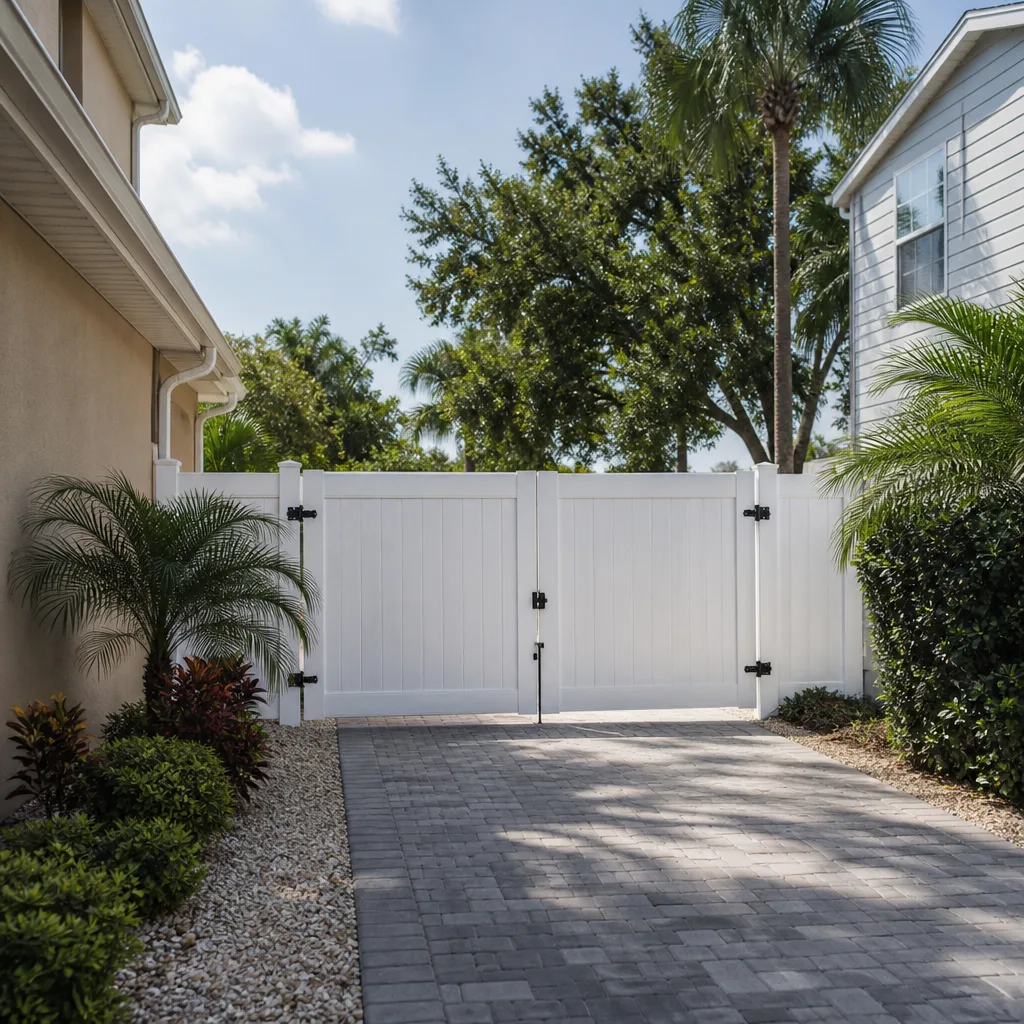
- Fence and driveway materials are usually prescriptive. HOA covenants often name specific colors and styles. If you’re planning fence installation in Richardson, check the covenant language on height, board style, and gate style before choosing a design.
- Additions and ADUs trigger tougher review. Setback confirmation, second-story massing, and sightline concerns from neighbors are the common sticking points. Getting a copy of the HOA’s architectural guidelines before you design saves redesign cost later.
- Approval doesn’t equal permit. HOA sign-off is separate from City of Richardson permitting. You need both, and the order is usually HOA first, then permit, to avoid paying permit fees on a design that gets rejected.
For larger builds like a Home Additions & ADU in Richardson, we routinely coordinate with HOA architectural committees before drawings go to the city. That sequence saves clients real money on rejected submittals.
Why North Texas Temperature Swings Change Material Selection
Richardson can swing roughly 100°F between a February cold snap and an August heat wave – and that range hits materials harder than most of Texas. Freeze-thaw cycles stress any masonry, concrete, or siding that absorbs moisture. Summer heat drives expansion in composite materials and thermo-cycling in roofing sealants. A material that performs flawlessly in San Antonio may fail early in Richardson because it wasn’t engineered for this specific range.
How that plays into material decisions:
Roofing
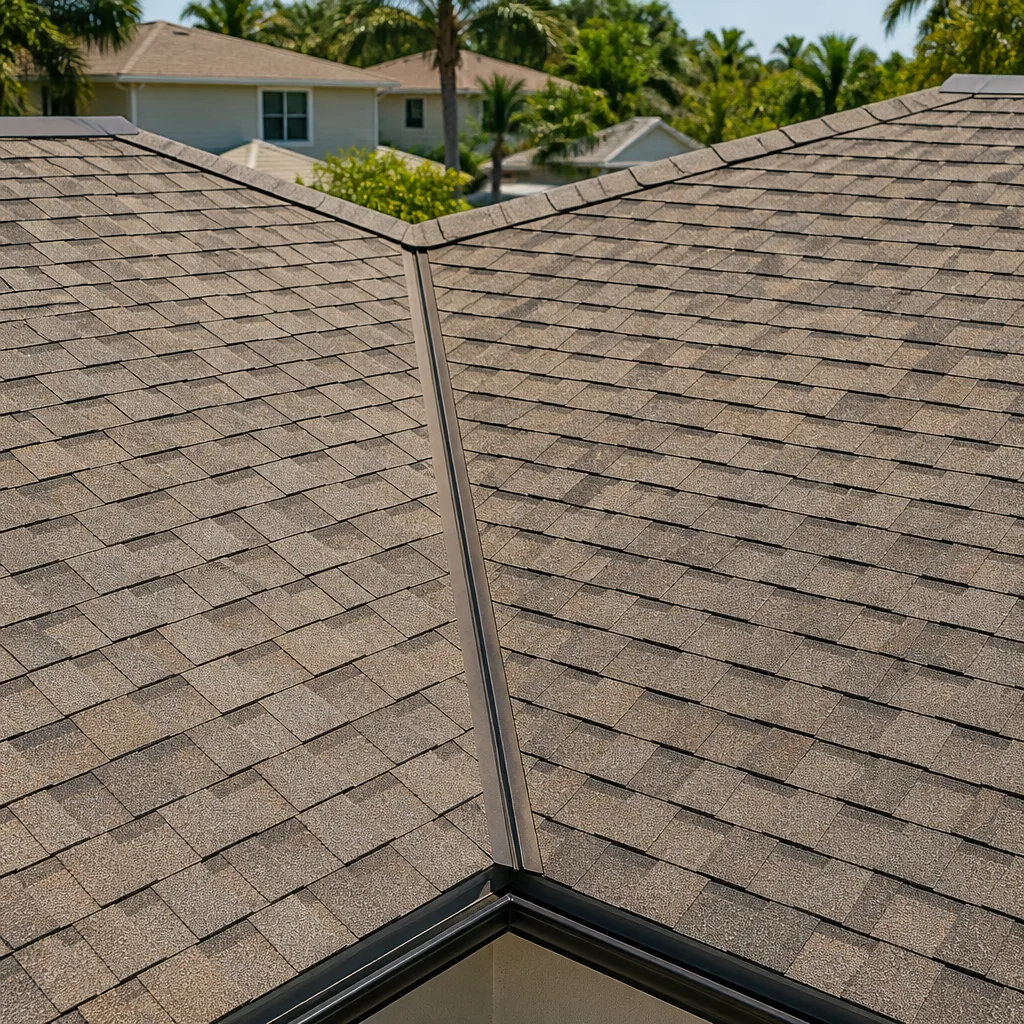
Hail is the dominant roofing threat here – not just extreme heat. We recommend architectural shingles rated for Class 4 impact resistance and installed with a manufacturer’s warranty that covers hail. Brand partners like GAF and CertainTeed offer homeowner-transferable warranties that survive a sale, which protects resale value in a Richardson neighborhood.
Windows and Doors
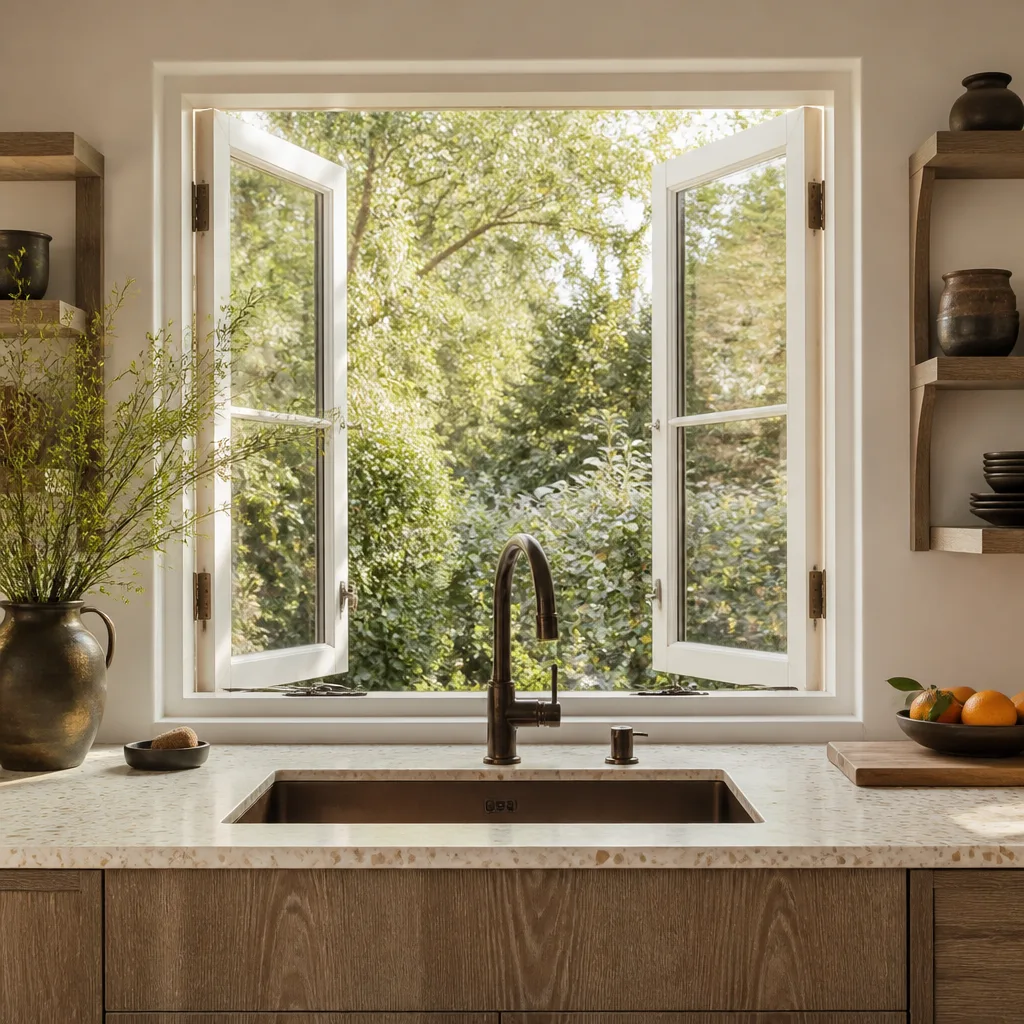
Double-pane windows with low-E coatings are standard at this price point for good reason: they cut the summer cooling load and reduce condensation issues that come with AC-driven humidity control. Andersen and Marvin windows both hold up across the temperature range here; cheaper vinyl can warp on south-facing elevations after a few summers.
Concrete and Pavers
Concrete pours that cure in Richardson’s full summer heat need shaded curing and often a slower set mix. For driveway and paver work, we lean on brands like Tremron and Techo-Bloc, which hold their color and structural integrity under cyclic movement. If you’re building a hardscape, you’ll want the details in our guide to Driveway & Pavers in Richardson, including base prep depth that actually matters on clay.
Siding and Exterior Trim
James Hardie fiber cement has become the near-default for exterior siding on new builds and remodels here because it resists the moisture swings and takes paint well through temperature cycling. Standard wood trim needs ongoing maintenance and doesn’t tolerate the range as gracefully.
Sequencing a Project Around Richardson’s Two Weather Windows
Construction here has two reliable weather windows you should plan around, not against. Spring (roughly March through May) brings the heaviest concentrated rainfall and the biggest storm risk, including hail. July and August bring sustained heat and drying that shrink the clay soil under existing structures and slow exterior work crews. Schedules that ignore both windows are schedules that lose weeks.
A working sequence for a typical Richardson build:
- Design and permitting in winter. January and February are the best months for approvals, drawings, and soil testing. Nothing on site yet, and your project is ready to move the moment conditions allow.
- Excavation and foundation in late February or early March. Beat the spring rains. If rain hits mid-excavation, stop and let the site dry – do not pour concrete on wet clay.
- Framing and dry-in before the worst of spring storms. Getting the roof on and windows sealed protects the interior and simplifies inspection scheduling.
- Interior work in May and June. Cooling loads are still reasonable and exterior crews are freed up for the next stage.
- Landscaping, driveway, and exterior finish in September and October. Avoid the July-August heat stress for concrete and paint work; cooler soil and moderate temperatures make finishes last.
- Final inspections and closeout in late fall. Brisk weather makes walk-throughs more comfortable and gives you time to address any punch list before the holidays.
For a replacement roof or storm-damaged structure, the sequence changes – those need to be prioritized based on damage and weather, which is why we keep a live person on the phone to help you triage. For planned projects like remodels and additions, though, the sequence above saves you real money by avoiding emergency mitigation work.
Which Projects Need the Most Local Care
Some projects in Richardson are more sensitive to the local conditions than others. Here’s a look at what each of the seven core build types runs into here:
Kitchen and Bathroom Remodeling
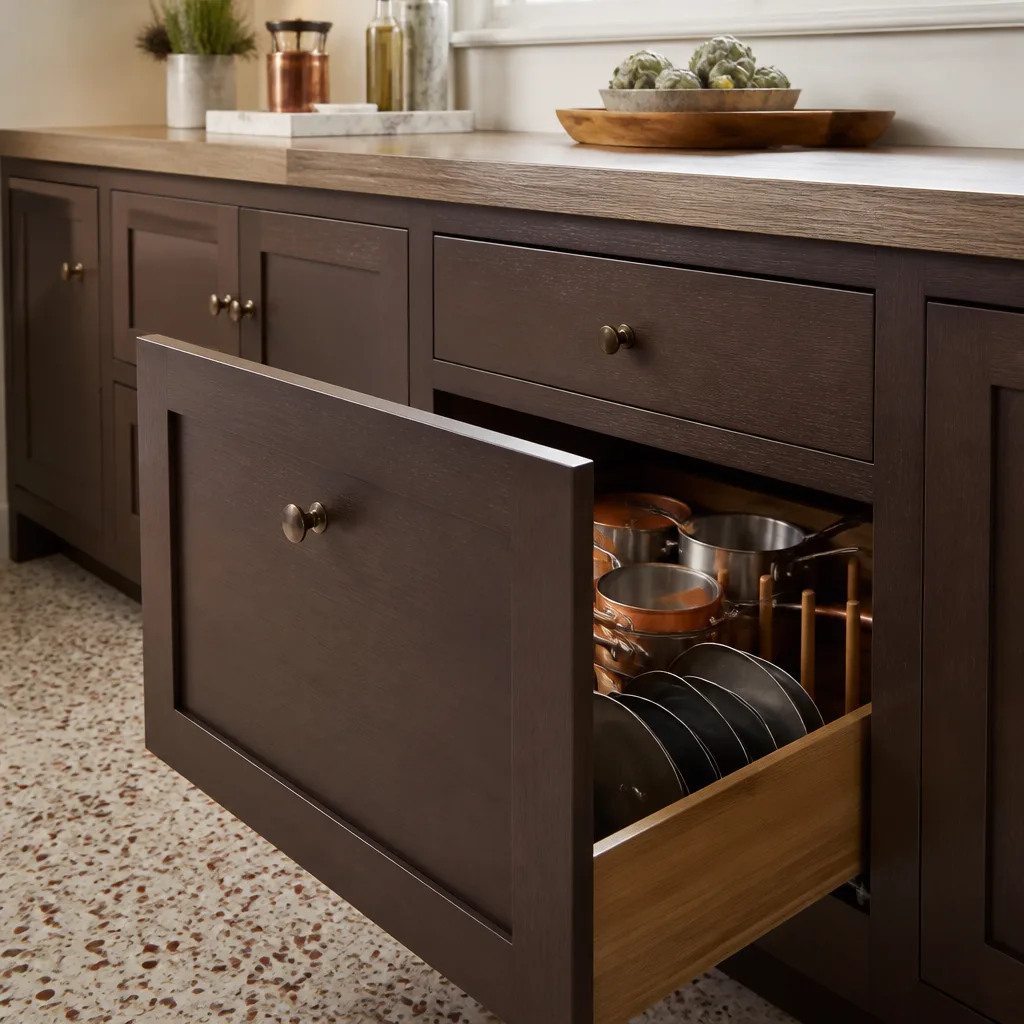
Interior remodels sit largely out of the weather picture, but clay movement still affects them: if you’re adding square footage, the new slab and the old slab move at different rates. We look at the transition zone in any kitchen or bathroom that touches an exterior wall. Brand partners like KraftMaid and Kohler for cabinetry and fixtures are chosen for both warranty coverage and regional performance.
Roofing
Richardson sits in a band that gets regular hail. Roof replacements here should be sequenced for October or April – after hail season but before storms return – and the inspection should verify deck condition, not just shingle replacement.
Fences and Driveways
Both are ground-contact projects, and that means clay movement. Fence posts need to go deep enough to resist heave, and driveway base preparation is where most failures start. See the fence guide for setback and HOA detail, and the paver guide for base depth and drainage planning.
Home Additions and ADUs
Additions and ADUs on Richardson clay involve the most front-loaded design work – soil report, engineered pier design, HOA review, and city permit all before dirt turns. These are also where the 730-Day Done Right Promise earns its keep, because foundation-related issues from clay movement won’t show up in the first 90 days – they often show up in the second year.
What Construction Costs in Richardson
Costs vary by scope, site, and finish level, but Richardson homeowners deserve a realistic range before they start collecting bids. Here’s what our line-item estimates typically look like for the most common project types:
| Project | Typical Range | Notes |
|---|---|---|
| Kitchen remodeling (mid-range) | $45,000 – $85,000 | Cabinetry, counters, and layout change are the drivers |
| Bathroom remodeling | $18,000 – $42,000 | Tile, fixtures, and any plumbing relocation |
| Roof replacement (asphalt shingle) | $12,000 – $22,000 | Class 4 hail-rated shingles priced higher |
| Window replacement (per window, installed) | $650 – $1,400 | Low-E double pane on clay-safe install |
| Fence installation (per linear foot) | $35 – $75 | Wood vs. composite; clay-grade footing matters |
| Driveway and pavers | $14,000 – $38,000 | Base prep and drainage are the leading cost drivers |
| Home addition (per square foot) | $220 – $380 | Clay-site foundation design adds to the low end |
Those ranges don’t account for site-specific conditions like steep grade, mature tree removal, or HOA-mandated materials. Upfront pricing, no surprises, means we don’t publish a “starting at” number and then invent change orders. Our written line-item quote is the number you see, and it’s the number you pay unless you change the scope. Every project over $10,000 currently sees $1,000 off, and 0% financing runs for 18 months for qualified buyers – which puts a mid-range Richardson kitchen within realistic reach for most homeowners.
Common Mistakes to Avoid
- Skipping the soil report on additions. Two sentences from a geotechnical engineer often save ten thousand dollars in foundation rework on Richardson clay. Skip it and you’re betting on the winter forecast.
- Ordering materials before HOA sign-off. A rejected fence color or window style comes with return freight and a delayed project. HOA approval first, material order second.
- Pouring concrete in saturated clay. A wet spring site needs days of drying, not a rushed pour. Builders who push through wet clay are handing you their future problem.
- Assuming a “no permit needed” answer is final. Richardson inspectors interpret scope, and cosmetic work that touches structure still needs a permit. Ask for the classification in writing.
- Scheduling exterior work in July and August. Concrete, paint, and landscape projects cure and finish better in spring or fall. Summer exterior work in Richardson costs more in rework than it saves in labor.
- Choosing a roof without hail coverage. Class 4 shingles and manufacturer warranty transferability matter at resale in Richardson more than in most Texas metros.
- Taking a verbal quote. A bid without line items and a written workmanship guarantee isn’t a bid – it’s a starting point for disputes. Get it in writing, including the duration of the warranty.
When to Call a Professional
Some projects are genuinely weekend territory – repainting an interior, swapping a faucet, replacing a toilet flapper. Everything else deserves a pro. Specifically, call a professional for any project that touches the foundation, roof, electrical, plumbing, gas, or load-bearing structure; any project requiring a Richardson permit; any project where HOA architectural review will be involved; and any project where the total budget crosses five figures. For anything involving roof work above eye level, electrical panels, gas lines, or trenching near utilities, the DIY risk isn’t just cost – it’s injury, and there’s a reason licensed trades carry their own insurance. Our technicians have up to 12 years of experience, and when we bring a partner onto your project, they’re licensed, insured, and accountable to the same written guarantee. Groundwork Construction Co. of Richardson offers free estimates in Richardson – call (833) 954-4985 to schedule.
See the difference
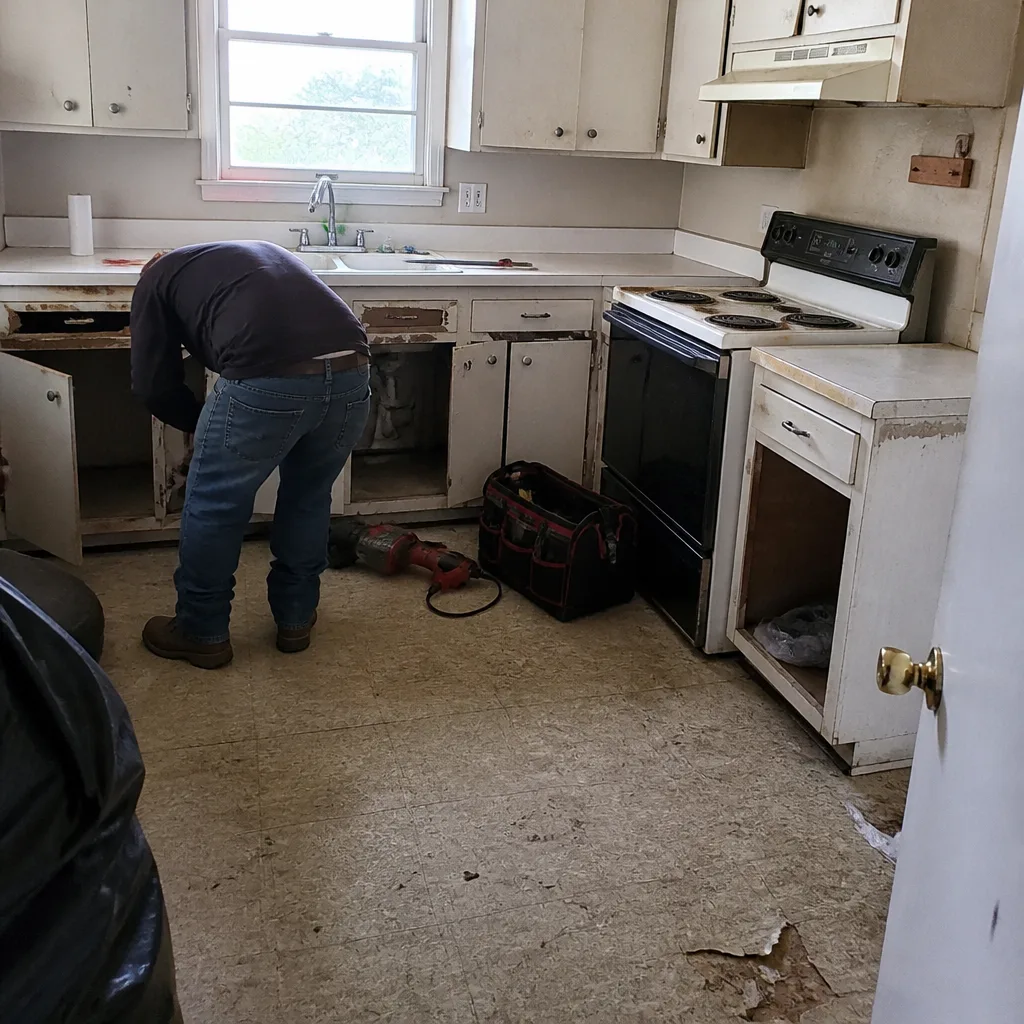 Before
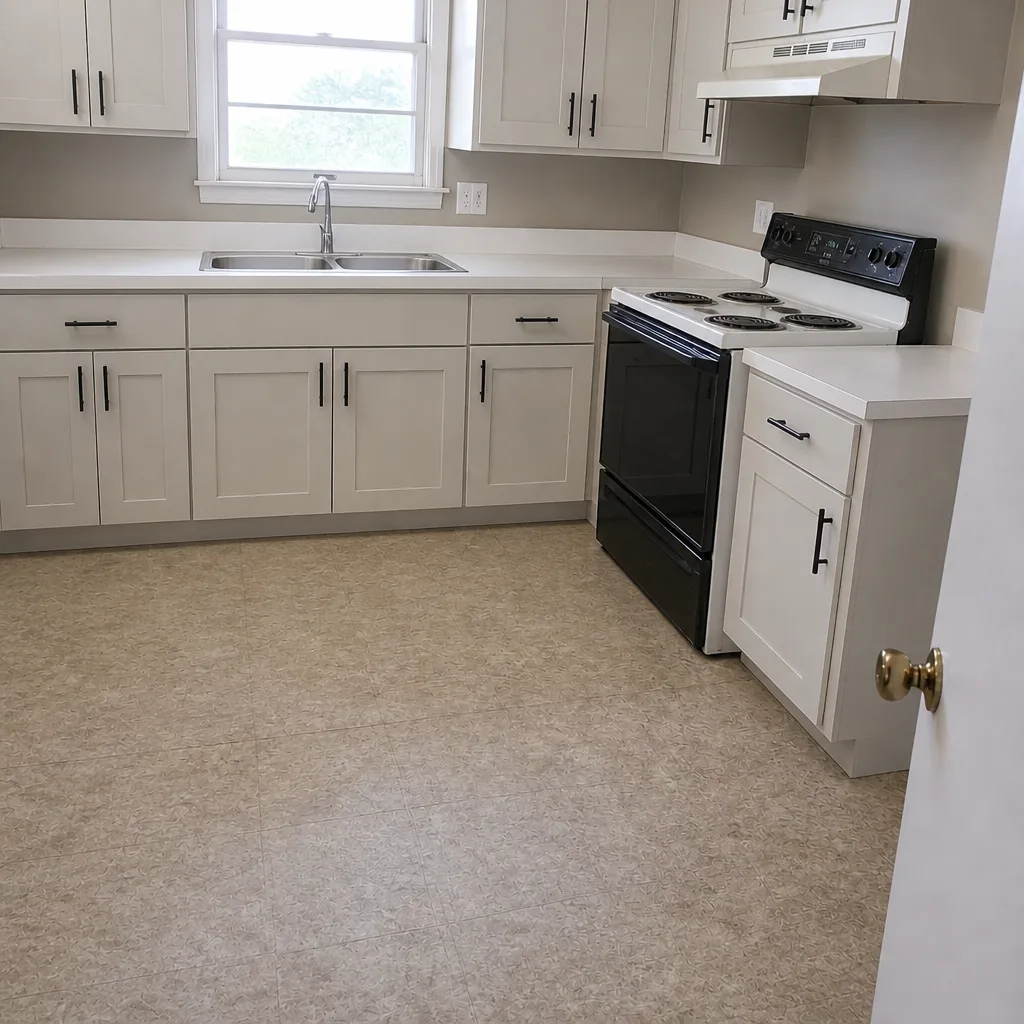 After
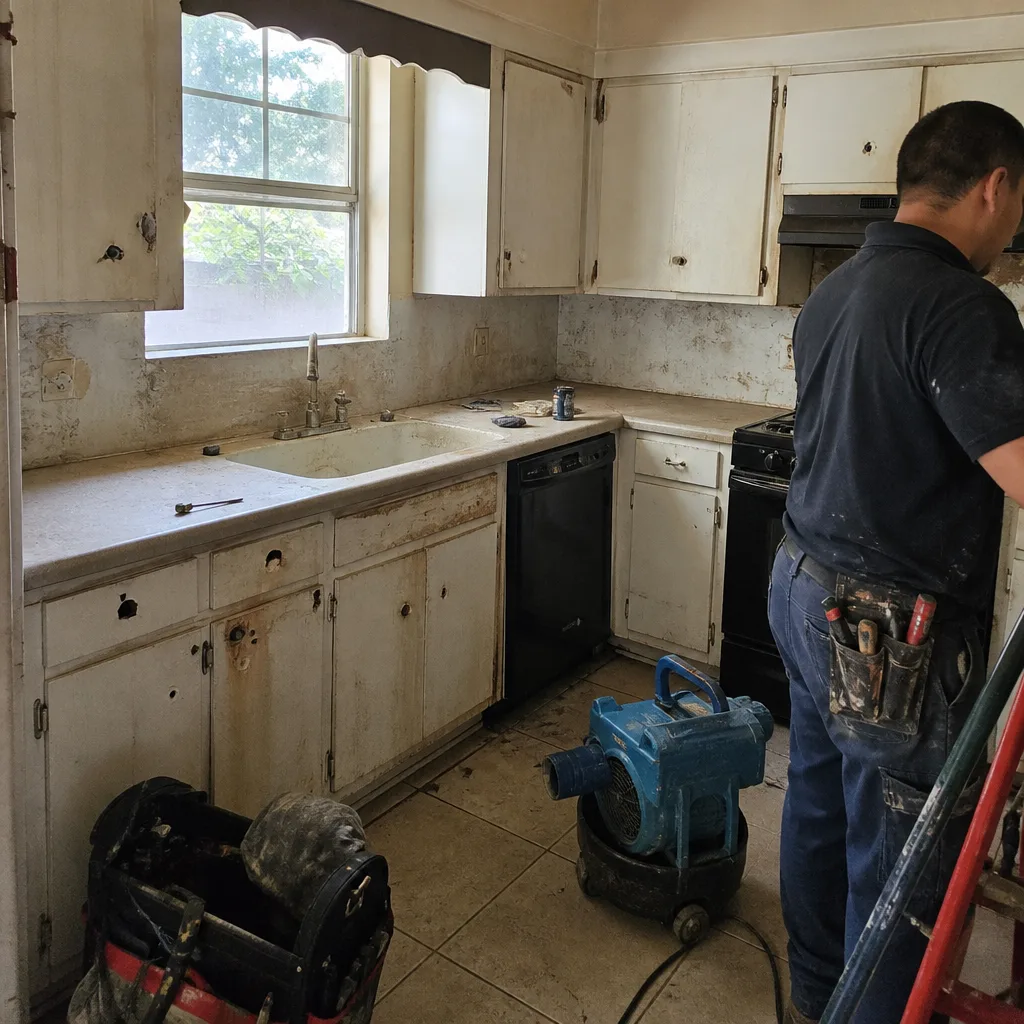 Before
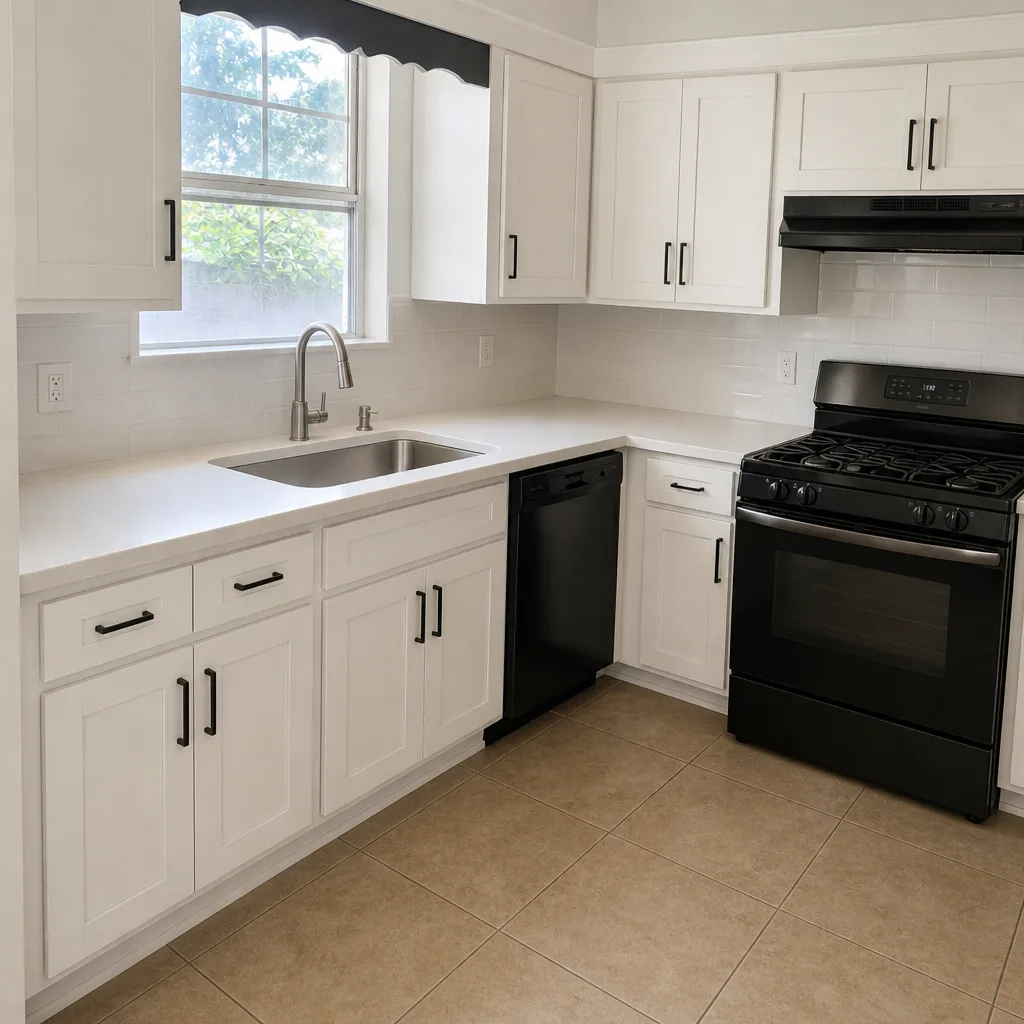 After
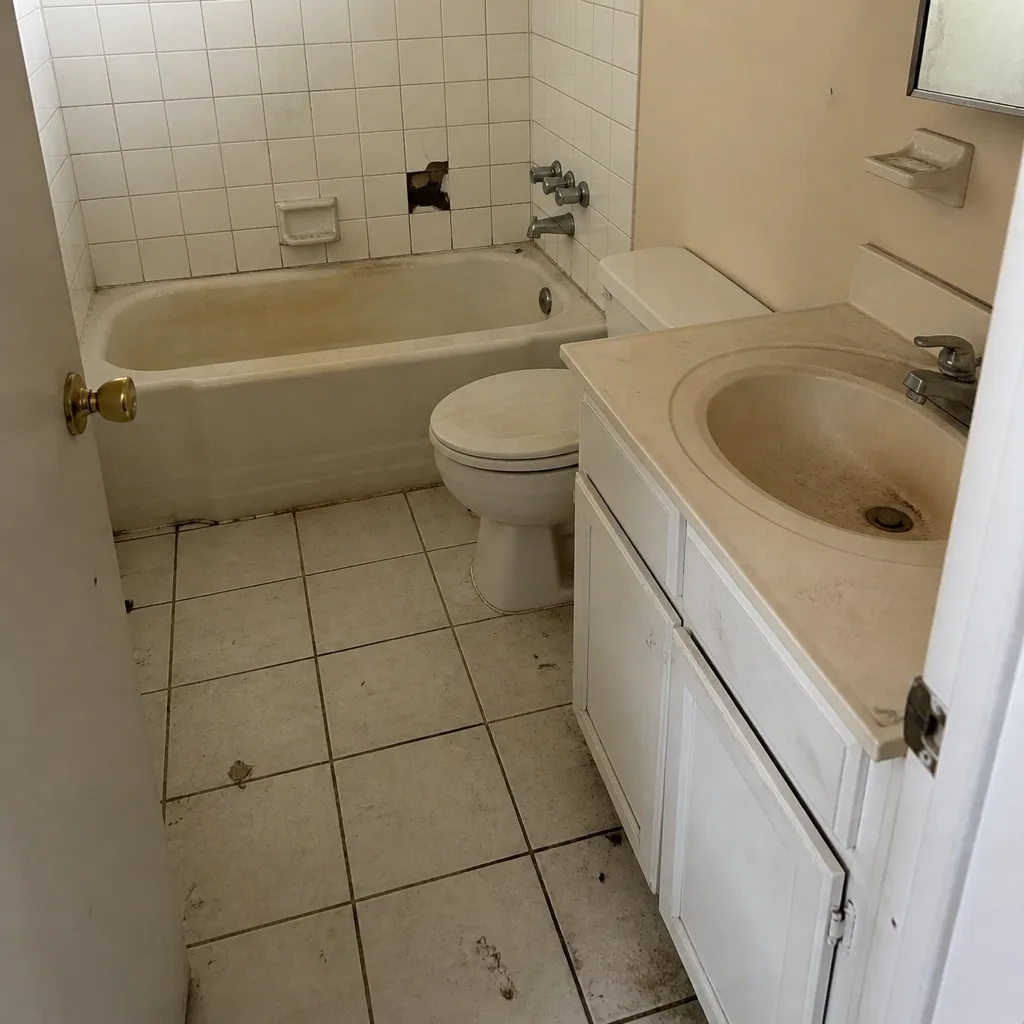 Before
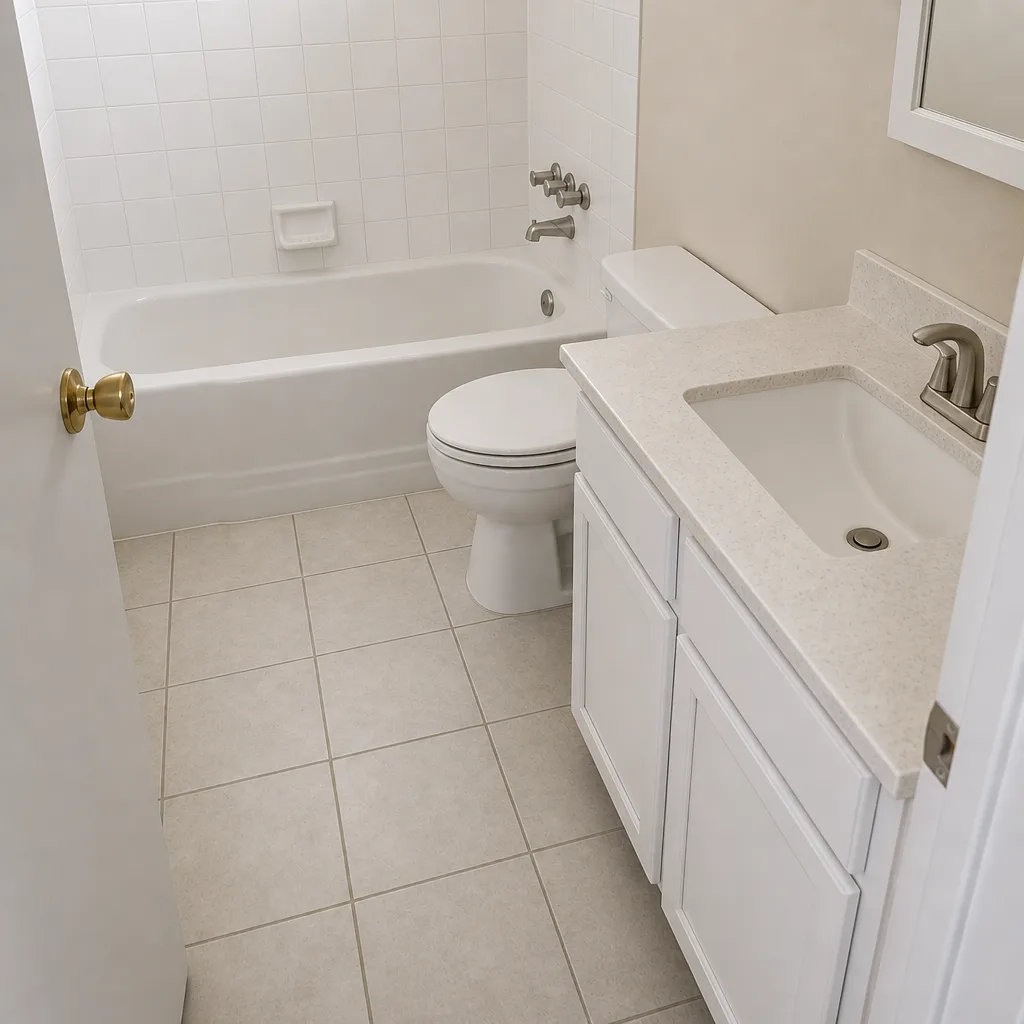 After
Frequently Asked Questions
Yes, most kitchen remodels in Richardson require a permit because they touch electrical, plumbing, or mechanical systems – even if the layout doesn’t change. Cosmetic-only work like cabinet painting or countertop replacement may not. When in doubt, ask the City of Richardson before work begins; the classification matters for resale and for inspection closeout. Call (833) 954-4985 for a free estimate – we include permit responsibility in every written quote.
Richardson’s expansive clay makes the foundation design the single most important line on your addition budget. The new foundation needs engineered piers drilled deep enough to resist clay movement, and the transition zone between new and existing foundation needs to be designed for differential settling. Skipping the soil report and pier design is the fastest way to a stair-step crack in your brick two years later. Call (833) 954-4985 to talk through your addition – the design consult is free.
Most residential roof replacements in Richardson take one to three days, depending on square footage, roof pitch, and material. A Class 4 architectural shingle is the go-to for hail resistance in this area. The bigger scheduling question is when: we typically advise replacing a roof in April or October, between the freeze season and the summer heat. Call (833) 954-4985 for an exact quote on your roof – estimates are free.
It can, if you don’t check the covenant first. Most Richardson subdivisions prescriptively define fence height, style, and color, and submission requires drawings plus material samples. Getting approval before you order saves the cost of a return. We coordinate HOA submissions on fence installation in Richardson projects as part of the quote. Call (833) 954-4985 to schedule a free estimate.
Late winter is the best time to start a planned project in Richardson for two reasons: permitting and design work moves fast in January and February, and foundation and framing work can begin in early March before the worst of spring rain. June and September are second-best windows. July and August are the worst months to start exterior work due to heat and clay shrink. Call (833) 954-4985 for a free project estimate – we’ll map the schedule against the real weather windows.
No, if the scope doesn’t change. Our written line-item quote is the number you see and the number you pay, with no hidden change orders. The 730-Day Done Right Promise backs the workmanship – if it’s not done right within that window, we make it right. That’s the whole point of upfront pricing. Call (833) 954-4985 for a free estimate and design consult on your project.
The Bottom Line
Construction in Richardson isn’t complicated because the projects are exotic – it’s complicated because the ground, the weather, and the review layers here demand site-specific decisions that generic how-to content never addresses. Expansive clay means foundation design and drainage deserve front-loaded money and attention. City of Richardson permitting and Collin County jurisdiction mean confirming your address’s rules before design. HOA review in Canyon Creek, Prairie Creek, and the Telecom Corridor neighborhoods means approval before material orders. And March-May storms plus the July-August drought shrink mean the calendar is a budget line, not a footnote. Building to hold up here means reading the land first and hiring a partner who can back the work in writing. For a full-scope alternative to juggling multiple trades, visit the Groundwork Construction Co. of Richardson home page to see our service lines, brand partners, and process.
Contact
If you’re planning a project in Richardson and want real numbers from a team that’s built here long enough to know where the clay bites hardest, call Groundwork Construction Co. of Richardson at (833) 954-4985 to schedule a free estimate and design consult. Calls are answered by a live person 24/7, every technician who comes to your home is background-checked and uniformed, and every project over $10,000 sees $1,000 off with 0% financing for 18 months available for qualified buyers. Built to last, backed in writing.
Written by the team at Groundwork Construction Co. of Richardson.