Last updated November 18, 2026


Free written scope consultation - allowances, timeline, and change-order rules on paper before a single trade is scheduled
The Complete Fence Installation Guide for Richardson Homeowners
Richardson homeowners have had permitted fences torn down at their own expense because a contractor didn’t pull the right permits or check the plat. “I didn’t know” doesn’t stop the city from sending the bill. The difference between a fence that lasts twenty years and one that triggers a code notice usually comes down to three things nobody explains at the sales appointment: the actual city ordinance, the utility easement on your survey, and the soil under your post holes. This guide covers all three, plus what a real Richardson quote should itemize, how HOA approval actually works in neighborhoods like Canyon Creek and Prairie Creek, and how cedar, board-on-board, vinyl, and metal really perform in North Texas heat. By the end you’ll know exactly what you’re buying before you sign anything.
Quick Answer
Fence installation in Richardson, TX typically costs $3,200 to $7,800 for a standard 150- to 200-linear-foot residential fence, depending on material and terrain, and every installation requires a city permit plus a check of your plat for utility and drainage easements before the first post hole is dug. A fence over 8 feet tall, a fence in the front yard above 4 feet, or a fence on a corner lot sight triangle needs additional review. HOA neighborhoods add a separate approval step, and you should budget two to four weeks from signed contract to finished fence when permits and HOA review run together.
Styles & brands we work with
- Kitchen remodeling
- Bathroom remodeling
- Home additions & ADU
- Roofing
- Windows & doors
- Driveway & pavers
- Fence
Table of Contents
- Richardson Fence Ordinances and Setbacks Explained
- Finding Utility and Drainage Easements Before You Dig
- Cedar, Board-on-Board, Vinyl, or Metal: What Works in North Texas
- The HOA Approval Process in Richardson Neighborhoods
- What a Complete Fence Quote Should Itemize
- How Installation Actually Works, Step by Step
- Richardson Soil, Drainage, and the Blackland Clay Problem
- Common Mistakes to Avoid
Richardson Fence Ordinances and Setbacks Explained
Richardson regulates fences through its development code, and the rules split by where the fence sits on the lot rather than by what it’s made of. The city’s fence height limits and setback requirements are enforced by code enforcement and by the permit office, and a fence built without the right approval can be ordered removed. That’s the part homeowners underestimate.
Rear and side yard (interior lot). A fence along the back or side property line in a residential zoning district is generally limited to 8 feet in height without a variance. Measurement is taken from the finished grade at the high side of the fence. If your lot slopes, the 8-foot limit is measured at the tallest point, not the average.
Front yard. Fences in the front yard are held to a much lower limit, typically 4 feet, and they may not obstruct sight lines at the intersection or the driveway approach. A lot of Richardson homes in the older core between Central Expressway and Bowser Road have shallow front setbacks, which makes a 6-foot front fence almost impossible to build legally.
Corner lots. Corner lots carry a “sight triangle” restriction at the intersection. Within that triangle you can’t build anything – fence, hedge, or structure – above roughly 3 feet, because it blocks drivers’ views. We see this catch homeowners on streets like Melrose and Lindale where the alley or side street cuts at an angle.
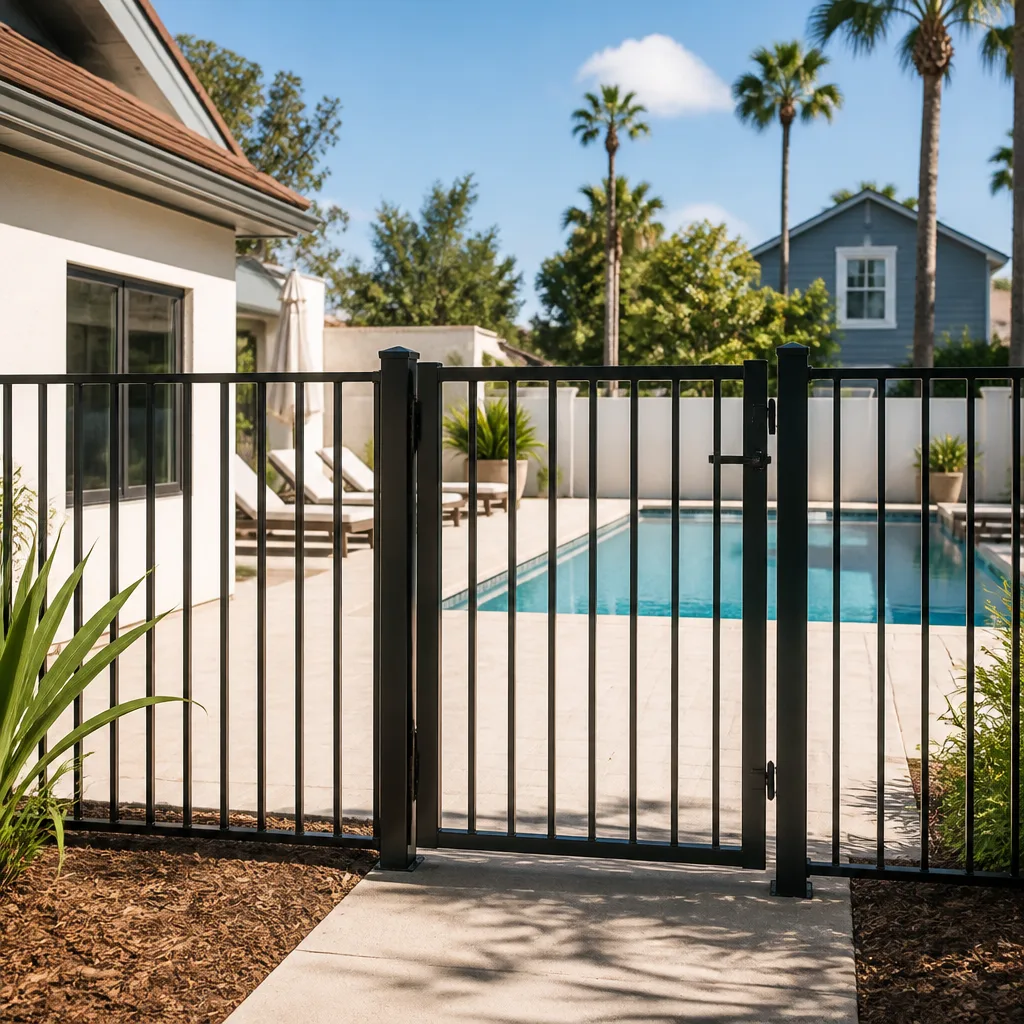
Pool and safety fences. A fence around a swimming pool has its own requirements under state pool safety rules and Richardson code, generally a minimum of 4 feet with self-closing, self-latching gates. A standard privacy fence at 6 feet won’t automatically satisfy the pool safety requirement if it’s climbable.
Every Richardson fence permit application goes through the city’s online portal with a plat or survey attached, a site plan showing fence location and height, and material details. Permit review is typically a couple of weeks, longer if a variance is needed. Budget for it. Schedule it into your install date, because building before the permit is issued is the single fastest route to a demolition order.
Finding Utility and Drainage Easements Before You Dig
This is the step most out-of-town contractors skip, and it’s the one that costs Richardson homeowners the most money. A utility easement is a strip of your lot the city or a utility provider has the legal right to access, and you cannot build a permanent structure inside it. A fence post placed in an easement can be cut and removed by the utility with no obligation to replace it.
- Pull your plat or survey. The recorded plat for your lot shows the easement lines. Richardson’s online property records and the Collin or Dallas County clerk’s office both have it. If you don’t have a copy, your title company can pull it.
- Look for two types of easement. Utility easements (gas, electric, water, telecom) are shown as dash-marked strips, usually 5 to 10 feet deep along property lines and rear lot lines. Drainage easements are wider, sometimes 20 feet, and follow the low side of the lot or a creek or drainage channel.
- Cross-reference with the city’s utility locator. Before any digging, call 811 for a free mark-out. The locator shows buried lines but doesn’t show the full easement boundary, so don’t rely on the paint alone.
- Design around the easement, don’t build over it. Set fence posts inside the property line but outside the easement line. On a narrow 15-foot strip this can mean shifting the fence or dividing it into a removable section at the back.
- Get it in the contract. A professional installer will confirm easement boundaries before design and put the decision in writing. If a contractor shrugs at the question, keep looking.
Drainage easements are especially important in Richardson because the creek corridors east of Central Expressway and around the Spring Creek greenbelt generate a lot of drainage flow. Building a solid fence across a drainage swale can cause water to back up against a foundation, and the city will require you to remove it.
Cedar, Board-on-Board, Vinyl, or Metal: What Works in North Texas
Material choice in Richardson is really a question of how a product handles heat, humidity swings, and clay soil movement – not how it looks on day one. Here’s the honest comparison, with realistic installed pricing per linear foot for a typical 6-foot privacy height.
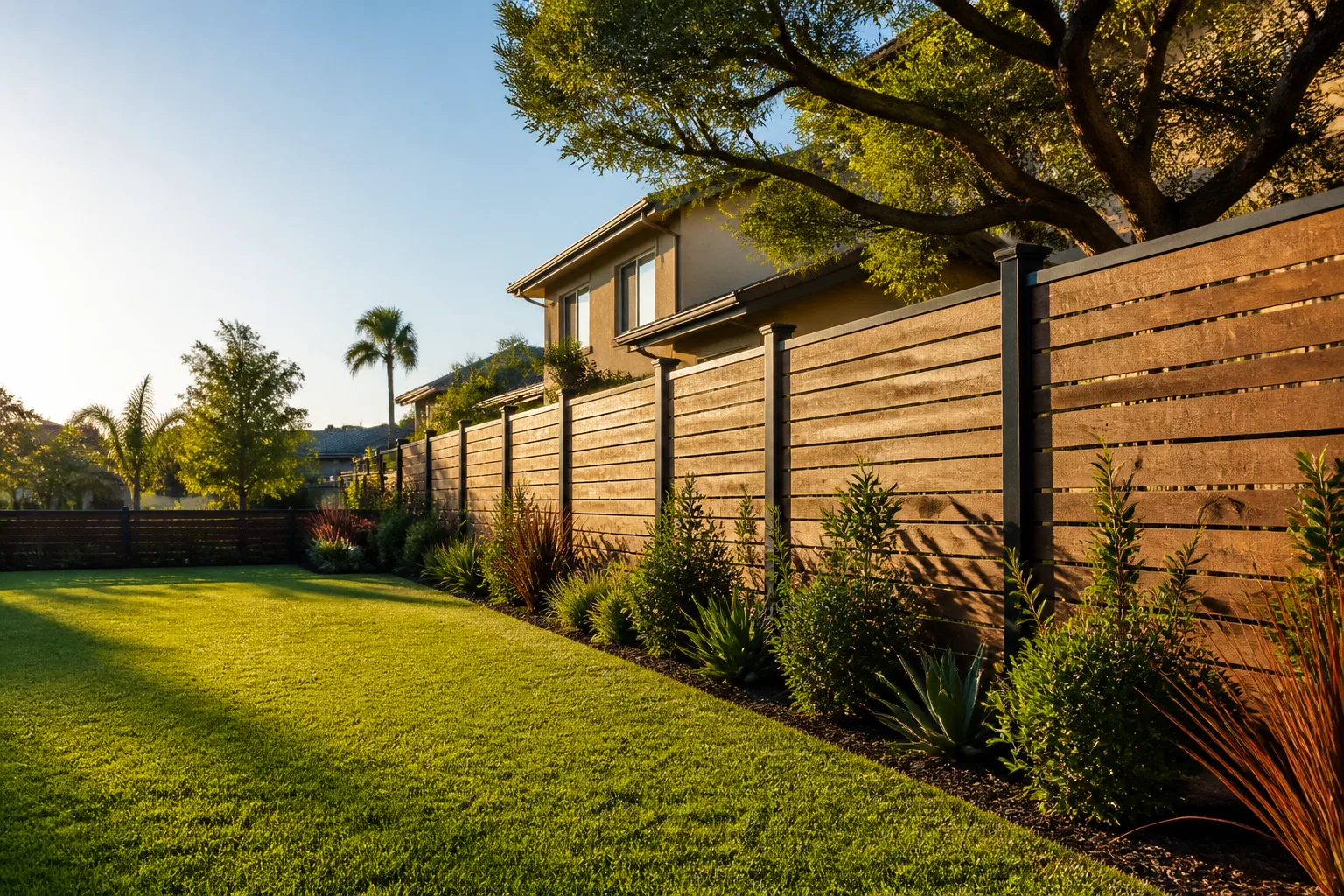
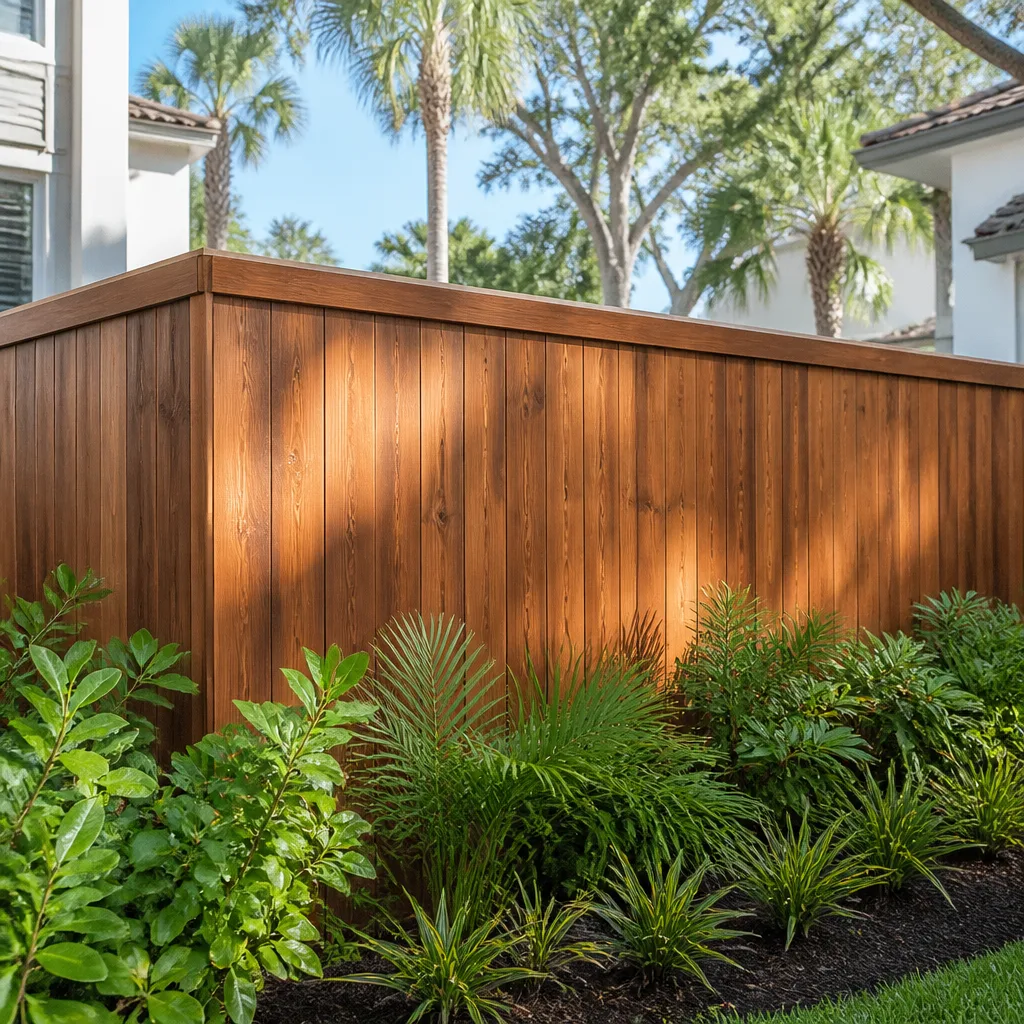
- Western red cedar, dog-eared. $28 to $38 per linear foot installed. Lifespan 15 to 20 years with annual staining. Cedar handles North Texas heat well and weathers from honey to silver-gray. It’s the Richardson standard and still the most repair-friendly option. The trade-off: it moves with humidity and needs consistent water protection on the sun-facing west side.
- Board-on-board cedar. $34 to $44 per linear foot installed. Same cedar performance, but overlapped boards give a clean, gap-free face on both sides with no “good side.” Lifespan 18 to 22 years. Worth the upcharge on corner lots where both elevations show, and neighbors can’t see through the seams.
- Vinyl privacy. $38 to $52 per linear foot installed. Lifespan 25 to 30 years. Doesn’t rot, doesn’t need staining, holds color in Texas sun. The catch: vinyl expands and contracts dramatically in North Texas heat, so it needs slightly wider post spacing that can open gaps, and it resists repair – a cracked panel usually means replacing a section.
- Ornamental steel and aluminum. $55 to $85 per linear foot installed. Lifespan 30-plus years. Holds up to heat beautifully and requires almost no maintenance. For side and front-yard view fencing it’s the best-looking option; for full privacy you’ll need slats or a privacy screen, which pushes cost up.
- Pipe and wire (utility-style) metal. $18 to $30 per linear foot installed. Lifespan 25-plus years. The economical option for large acreage or front-yard application, but not privacy and not allowed by many HOAs.
One thing we’ve learned about Richardson materials: whatever you choose, specify galvanized or stainless fasteners. Standard steel nails and screws rust out in three to five years in North Texas humidity, and once a fastener rusts through, a fence panel fails no matter how good the wood is. Cedar fences fail at the fasteners before they fail at the boards.
The HOA Approval Process in Richardson Neighborhoods
Richardson has a wide range of HOA-controlled subdivisions, from the larger master-planned communities in the west to smaller associations tucked into the older neighborhoods. If your neighborhood has an active HOA, its rules operate on top of the city code, and often go further.
What generally requires approval. A change of material, a change of color, a change of fence height, a change from privacy to open style, the addition of gates, and the addition of a fence where there was none. These are the decisions an HOA board or architectural review committee typically votes on.
What’s usually “like-for-like” and doesn’t need re-approval. Replacing a fence with the identical material, height, and color in the same location. Even then, most associations still want a short notice form on file so they can confirm it matches the original. Always check, because “usually” is doing real work in that sentence – we’ve seen boards that require a submission for any replacement at all.
The process typically runs like this:
- Request the current architectural rules from your HOA management company, not from memory. Rules change.
- Submit an application with the fence survey, material samples or photos, and a color spec.
- Expect a review window of 2 to 4 weeks. Some boards meet monthly, which adds time.
- Get the approval in writing before you order materials. Verbal approval from a board member doesn’t bind the association.
- Keep the approval letter with your project file. It matters if you sell or if a neighbor disputes the fence.
Fences on neighboring properties are a common source of Richardson disputes when one side replaces a shared fence. Know your responsibility line – in Texas, a shared fence is typically the responsibility of the lots it separates, and that arrangement is usually set by your plat or deed and sometimes by a recorded fence-sharing agreement. Read the plat before you negotiate.
What a Complete Fence Quote Should Itemize
Lowball bids almost always win on the surface and lose in the change order. The trick is that a cheap fence quote is missing line items it hasn’t priced, and once the crew arrives those items appear as additions. A complete quote from an honest contractor lays it out up front.
- Linear feet and post count. A bid should state exactly how many feet of fence and how many posts, not just a total price. Post spacing (typically 6 to 8 feet on center for wood) drives material cost.
- Post depth and concrete. Posts in Richardson should sit a minimum of 24 inches below grade, deeper on slopes and in clay-heavy soil, and set in concrete. A bid that skips the concrete spec or the depth is hiding a real cost.
- Material grade. “Cedar” isn’t a spec. A real quote names the grade, the board thickness, and the picket width.
- Removal and disposal of the old fence. Hauling off a 200-foot cedar fence is real money. Any bid that omits it is going to add it later.
- Permit fees and HOA paperwork. Who pulls the permit, and does the fee appear as a line item or get buried in markup? Pulling the permit is the contractor’s job; it should be in the bid.
- Gate hardware. Hinges, latches, self-closing hardware, and the gate frame spec. Cheap gates sag within a year – a real gate built on a metal frame holds its shape.
- Staining and sealing. A new cedar fence should be stained at installation, not “eventually.” If that’s missing, it’s a line item you’ll add in year one.
- Workmanship warranty. In writing, specific, with a service path. Read the warranty terms before you sign, and note whether it covers labor as well as materials.
Groundwork Construction Co. of Richardson puts all of this into a written, itemized estimate and backs the work with a 730-Day Done Right Promise – if it’s not done right, we make it right. Upfront pricing, no surprises, and no change orders appearing after the crew has started.
How Installation Actually Works, Step by Step
Here’s the sequence a proper Richardson install follows, and what you should see at each stage. This is the part you can use to check on your contractor’s work as it happens.
- Site visit and measurement. Walk the property line with a tape and a plat in hand. Note slopes, tree roots, existing utilities, and easement lines.
- Permit and HOA submission. Submitted with the site plan and materials spec. Allow two to four weeks of combined review.
- 811 utility locate. Called before any digging. Free, required, and non-negotiable.
- Demo and haul-off. Old fence removed, concrete footings dug out and broken, materials hauled to the transfer station.
- Post setting. Holes dug to depth, posts set in concrete, allowed to cure 24 to 48 hours before board attachment. Skipping the cure time is a common shortcut and a common failure.
- Rails and pickets. Rails attached with galvanized or stainless hardware, pickets run board-on-board or with the specified gap.
- Gate construction. Gates built on a reinforced frame with heavy hinges and a self-closing latch where required. Gate hardware should be mounted on the post, not just the gate.
- Stain and clean. Cedar stained at installation on both sides if accessible. Site swept and any damaged turf raked and seeded.
- Final walkthrough and punch list. Walk the fence line with you, confirm height, verify gate swing, and address any items before final payment.
A typical Richardson yard takes two to four working days for install, plus the permit and HOA review lead time. That’s the honest timeline; anyone promising a one-day install on a 200-foot cedar fence with permits is cutting a corner somewhere.
Richardson Soil, Drainage, and the Blackland Clay Problem
Richardson sits on the boundary between the Blackland Prairie clay that dominates the western and central parts of the city and the sandier, more gravelly soils that show up toward the eastern edge near Breckinridge and the Spring Creek corridor. That split matters because Blackland clay expands and contracts with every wet and dry cycle, and it moves a fence post every time it does.
What we’ve learned installing in this soil: posts set in Blackland clay need to be set deeper than the 24-inch minimum in most other parts of Texas, because the top 18 to 24 inches of clay is where the movement happens. A post set at exactly 24 inches in an area with a lot of clay will move within a couple of seasons. Set it at 30 to 36 inches and set it in concrete, and it stays true.
Drainage goes with the soil. On the flat, clay-heavy lots in central Richardson, a fence line can trap water against a foundation or a low spot in the yard. That’s where the drainage easement and the grade matter together. A fence built across a swale creates a mosquito-breeding puddle and slowly rots the bottom rail and the pickets. The fix is either to bridge the swale with a short open section, to put a French drain along the fence line, or to shift the fence off the swale. Any of those is a design decision the contractor should raise in the first site visit, not discover at final walkthrough.
Along the Spring Creek greenbelt and the creek corridors, the soil is sandier and drains better, but root systems from existing trees push fence posts and heave fence lines. Those installs need to plan around the trunks with a root-friendly layout, not cut through the roots. If your fence replacement is part of a larger property upgrade, our team handling Groundwork Construction Co. of Richardson home improvements can look at the whole lot together, so a fence and a Driveway & Pavers in Richardson install happen on one schedule instead of two.
Common Mistakes to Avoid
- Building before the permit is issued. A code officer can issue a removal order and the homeowner pays for the demo and rebuild. Wait for the permit. The two-week review is cheaper than a two-day demolition.
- Skipping the plat check. Fence posts in an easement are the utility’s to remove. That’s a bill you pay twice, once to build and once to rebuild around the easement. Pull the survey before the first post.
- Assuming “like-for-like” is automatic with the HOA. Some boards require a submission for a straight replacement, not just a change. Confirm the current rules in writing before ordering materials.
- Ignoring the grade at the low corner of the lot. A fence built across a drainage swale ponders water on the foundation side. Walk the low end of the fence line after a heavy rain before you finalize the layout.
- Accepting a bid without post depth and concrete in writing. The bid that omits the depth spec is the bid that sets posts at 18 inches in clay and hands you a sagging fence in two years.
- Choosing stain “later.” A new cedar fence left unstained for a season in Richardson sun checks and grays before it ever gets a coat. Stain at installation. It’s a line item, not an afterthought.
- Using non-galvanized fasteners. Standard nails rust out in a few Texas seasons. Insist on galvanized or stainless, even if it adds a small line item.
See the difference
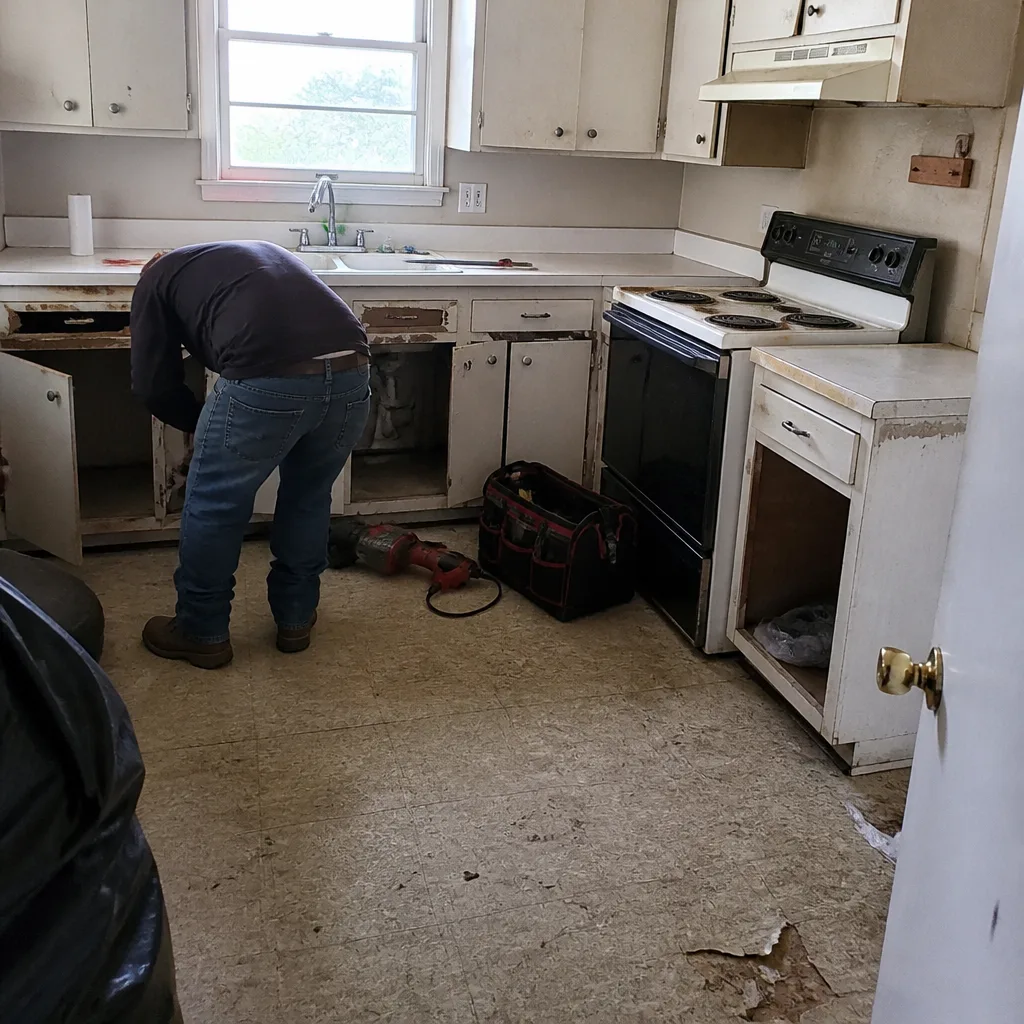 Before
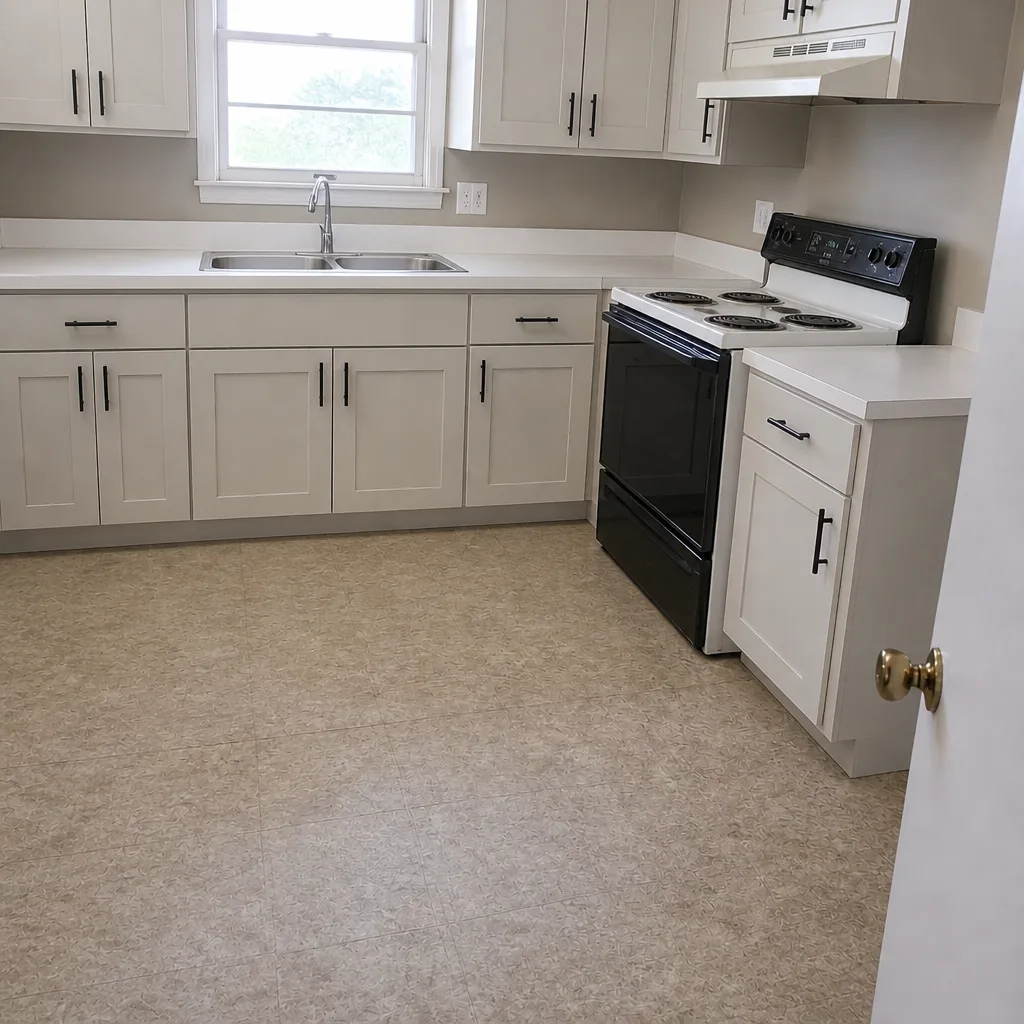 After
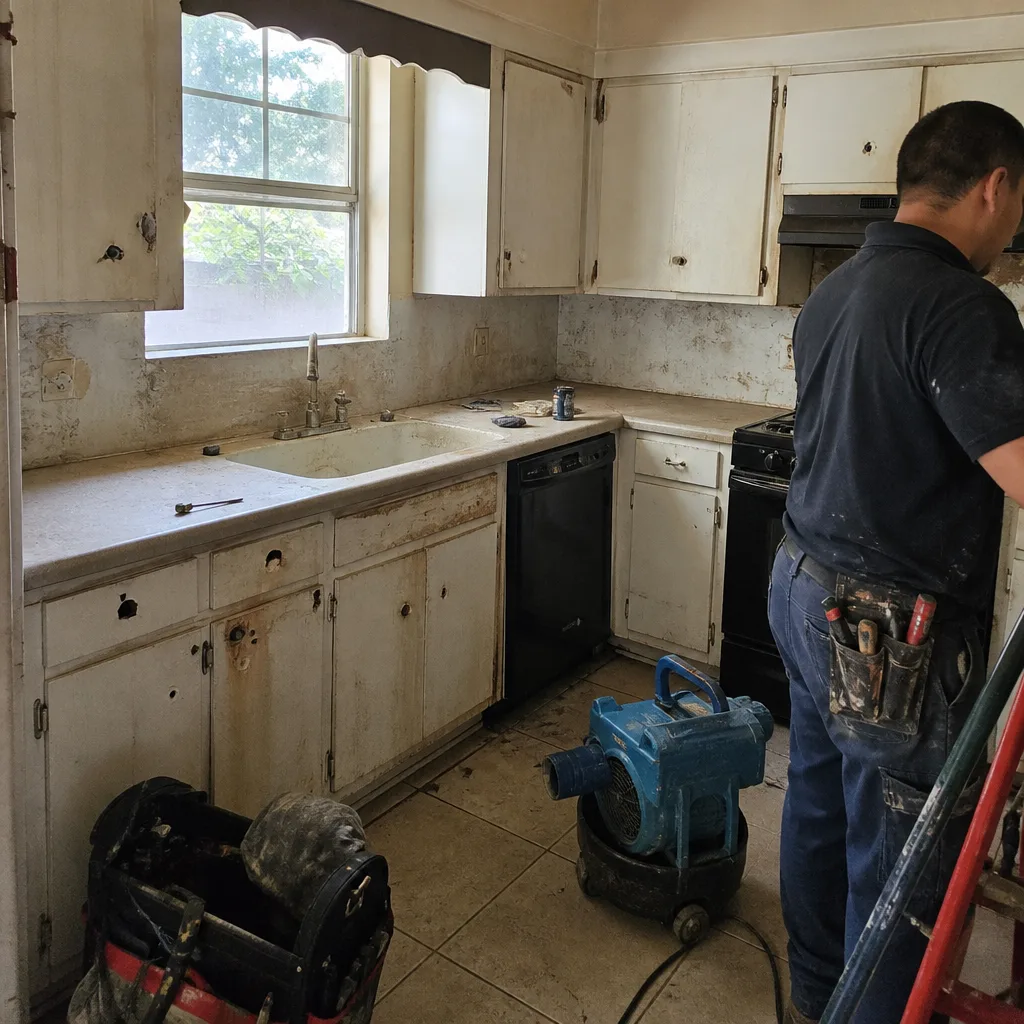 Before
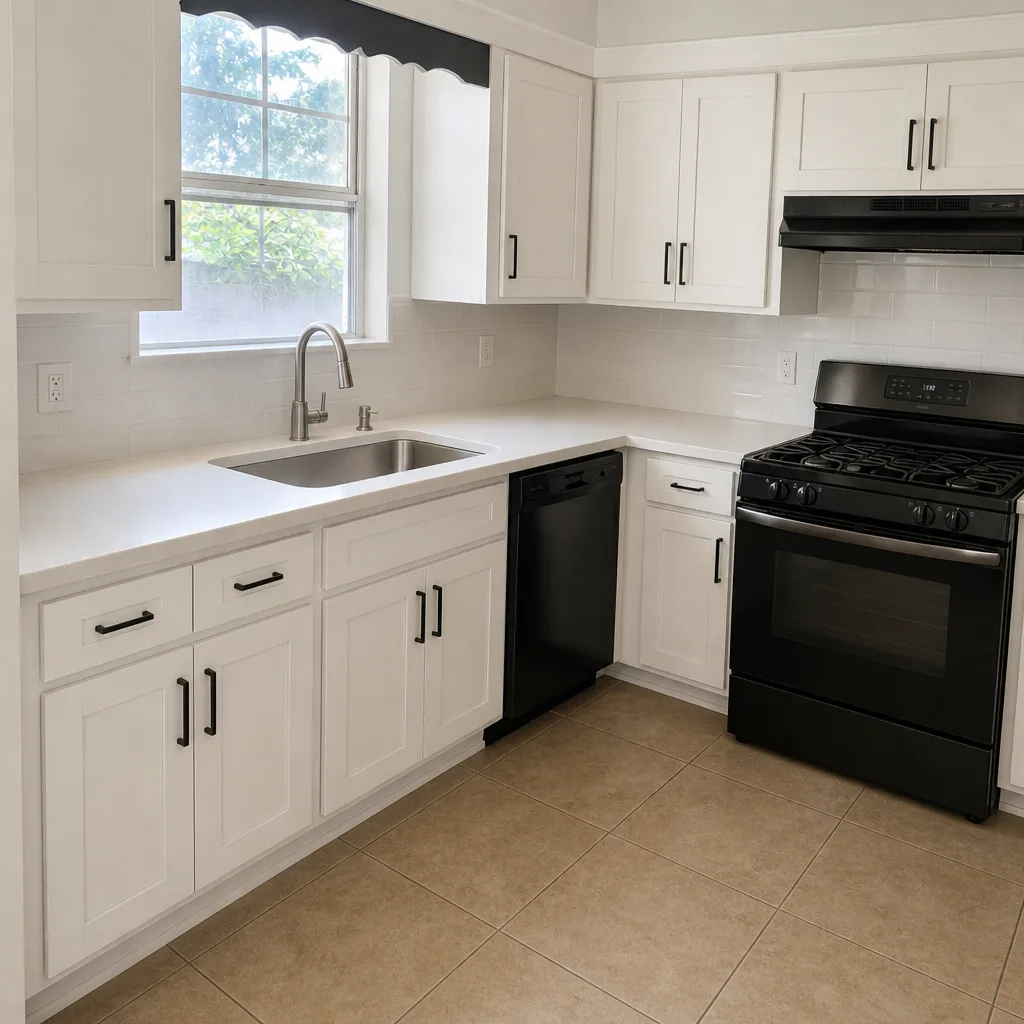 After
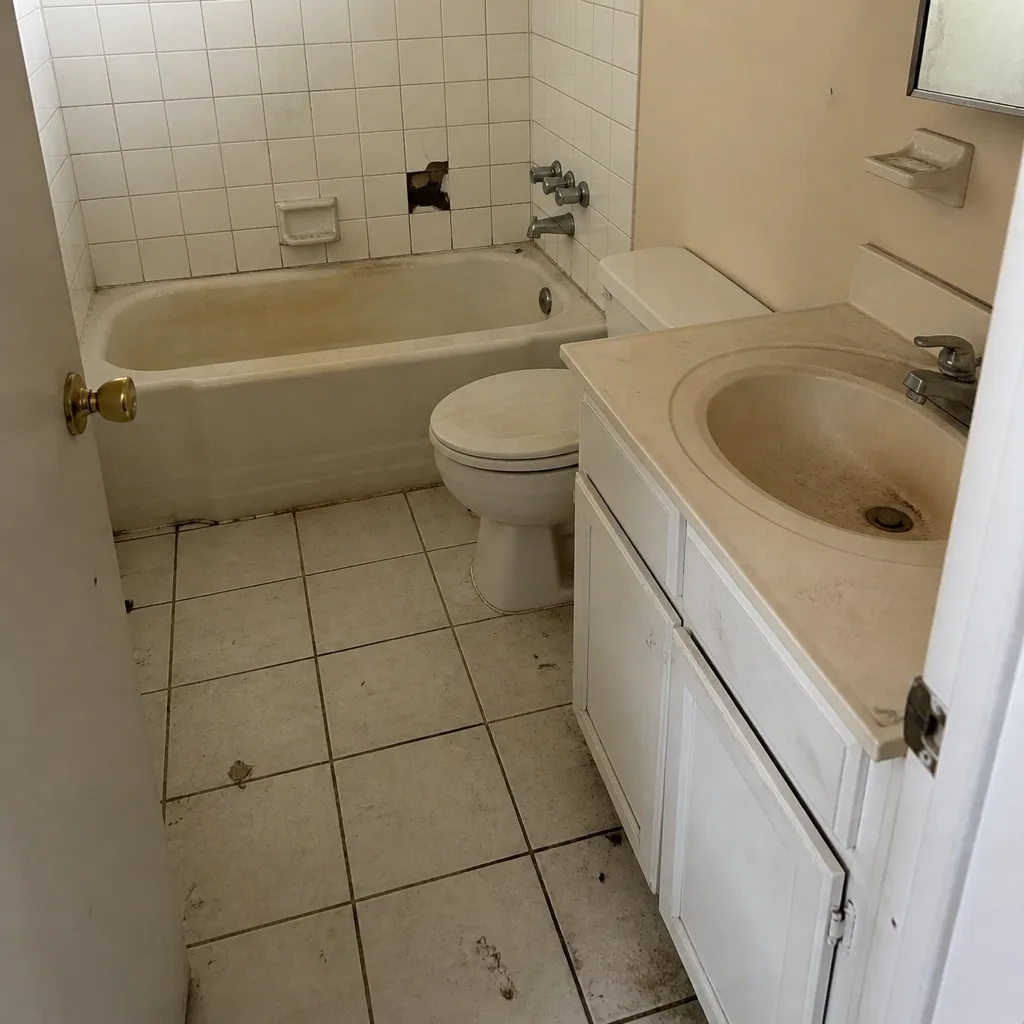 Before
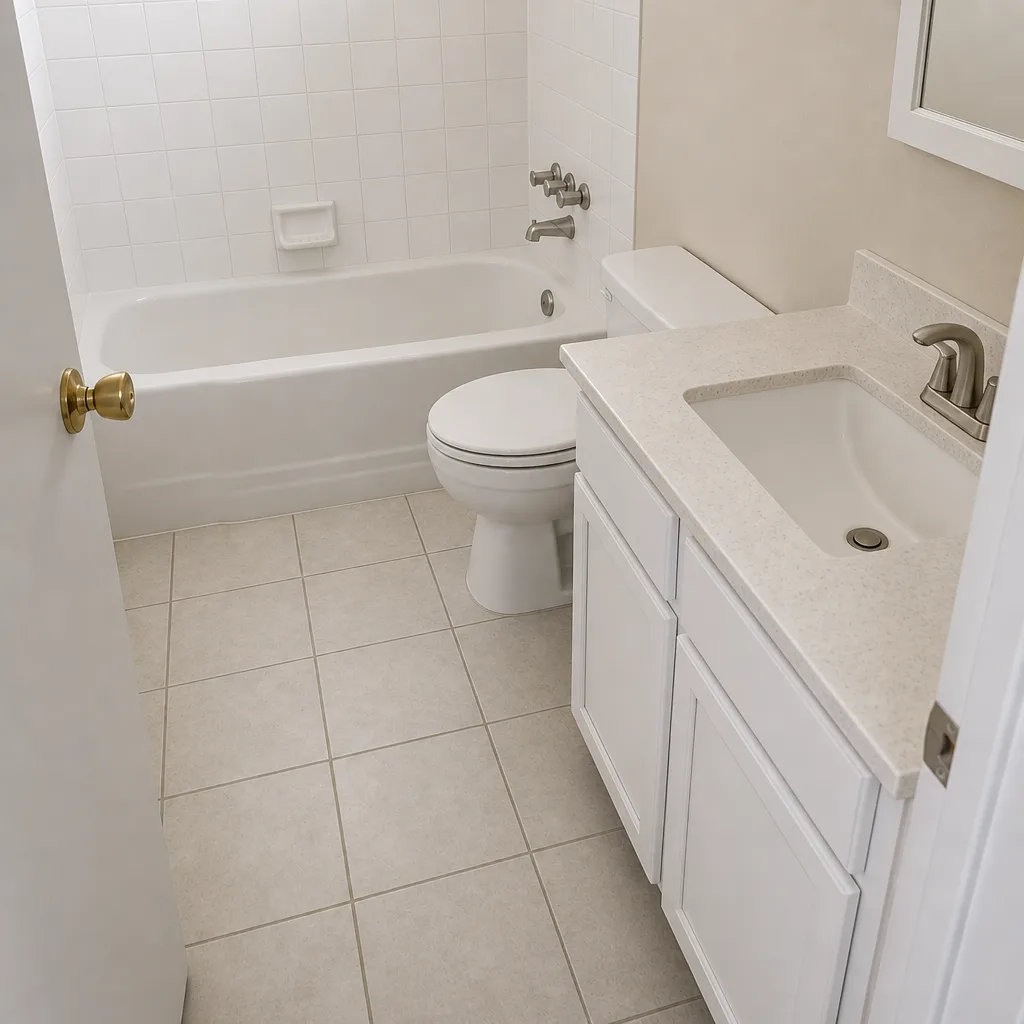 After
When to Call a Professional
Some fence jobs are genuinely a weekend project. Most Richardson installations are not, because of the permit, the easement check, the HOA review, the post footings in clay, and the gate construction. Here are the situations where a fence is a professional job: any fence with a permit requirement or precedent-setting HOA review; any fence line that crosses a utility or drainage easement; any fence with a slope greater than a foot over 100 feet; any gate you need to open and close for twenty years; any pool-safety fence; and any fence sharing a property line where the responsibility arrangement needs to be worked out. On a shared or replacement fence, one crew doing the whole line is faster and cleaner than two, and it avoids the “not my side” dispute.
When you’re ready, Groundwork Construction Co. of Richardson offers free estimates in Richardson – call (833) 954-4985. Our technicians have up to 12 years of experience, all are background-checked and uniformed, and every fence comes with our 730-Day Done Right Promise. Live person, 24/7, no voicemail. Whether you’re replacing a failing back fence, adding a front-yard view fence, or building out a full lot, we walk the property with you before you commit a dime. If your project is bigger than a fence – a garage conversion, an ADU, or a Home Additions & ADU in Richardson that will change your fence layout – we plan them together. For fence-only work, see our Fence Installation in Richardson page for the full service scope.
Frequently Asked Questions
Yes. Residential fence installation in Richardson requires a city permit, and the application should include a plat or survey, a site plan showing fence location and height, and material details. Fences at or below 8 feet in the rear and side yard on an interior lot typically move through standard review; front-yard fences, corner-lot sight-triangle situations, and anything above the standard height may need additional review or a variance. Budget two to four weeks. Call (833) 954-4985 for a permit-included estimate – we handle the permit process and confirm the fee as a line item in the bid.
Fence installation in Richardson runs roughly $3,200 to $7,800 for a typical residential fence, or about $28 to $52 per linear foot installed depending on material and terrain. Cedar dog-eared is at the lower end, board-on-board cedar in the middle, vinyl and metal at the higher end. Removal and disposal of an old fence, staining at installation, and gate hardware are separate line items. Groundwork Construction Co. of Richardson offers free estimates – call (833) 954-4985 for a written, itemized quote with no surprises.
Front-yard fences in Richardson are tightly regulated, generally limited to about 4 feet in height, and they may not block sight lines at the driveway or the intersection. On a corner lot, the sight triangle rule applies and you may be limited to roughly 3 feet within that triangle. Many Richardson lots in the older neighborhoods between Central Expressway and Bowser Road have shallow front setbacks, which makes a privacy-height front fence effectively impossible without a variance. Call (833) 954-4985 and we’ll confirm your lot’s front-yard limit before you order materials.
Pull the recorded plat or survey for your lot – the title company, the county clerk, and Richardson’s online property records all have it – and look for the dash-marked strips along the rear and side lot lines. Drainage easements are usually wider and follow the low side of the lot. Cross-reference with a free 811 locator call before any digging. Never build a fence post inside an easement; a utility can cut and remove it, and the replacement is on you. An honest installer will confirm this before design and put it in writing. Call (833) 954-4985 to schedule a walk of the property line.
Many Richardson HOAs require a submission for a like-for-like replacement even if the material, height, and color don’t change, and all of them require approval for a material, color, height, or gate change. Get the current architectural rules from the HOA management company in writing, expect a 2- to 4-week review, and keep the written approval with your project file. A verbal OK from one board member doesn’t bind the association. If you’re ready to price the project while the HOA reviews, call (833) 954-4985 for a free estimate.
Not on a Groundwork Construction Co. of Richardson project. We put a written, itemized bid in front of you before signing, with every line item – permit, demolition, post depth and concrete, linear feet, material grade, gate hardware, stain, and warranty – spelled out. Our pricing is upfront with no surprises, and a 730-Day Done Right Promise covers the workmanship in writing. If we missed something in the site visit, that’s on us, not a change order to you. Call (833) 954-4985 for a free estimate and the full pricing breakdown.
The Bottom Line
Fence installation in Richardson is a routine job done well and a code nightmare done badly, and the gap between those two outcomes is mostly paperwork: the permit, the plat, the easement check, and the HOA approval. Get those four right and the physical fence is straightforward – cedar or board-on-board for most homes, vinyl where maintenance is the priority, metal for view fencing, all built with posts set deep enough in the clay, galvanized fasteners, and gates on a reinforced frame. Read the survey before the first post hole. Confirm the rules in writing. Get a bid that itemizes every line item. Do that, and your fence lasts twenty years. Skip it, and you might be tearing one down in month two.
Groundwork Construction Co. of Richardson would be glad to walk your property line with you. Call (833) 954-4985 for a free estimate – live person, 24/7 – and we’ll confirm your setbacks, review your easements, and put a fixed, itemized price in writing. Renters, homeowners, and neighbors sharing a fence line are all welcome to call; there’s no charge for the visit.
Written by the team at Groundwork Construction Co. of Richardson.