Last updated November 18, 2026



Free written scope consultation - allowances, timeline, and change-order rules on paper before a single trade is scheduled
How Long Does Fence Installation Take? Timelines and What to Expect
A fence that takes two days to install can take three weeks to start. That gap surprises nearly every homeowner we talk to in Richardson, and it’s usually not because the contractor lied. It’s because nobody explained the part that actually controls the calendar: utility locates, permit review, material lead times, and the ground under your feet. The fence is the easy part. Everything upstream of it is where timelines live or die. In this guide we’ll walk through the full sequence, phase by phase, so you know what’s reasonable to expect, what should be communicated to you in writing, and how to spot a bid that’s quietly under-resourced before you sign anything.
Quick Answer
Most residential fence installations in Richardson take two to four days of actual on-site work, but the full timeline from signed contract to finished fence usually runs two to five weeks. That range is driven by permit turnaround, the 811 utility locate window, material availability, and North Texas soil and weather conditions. If you’re replacing an existing fence in a straight run with materials on hand, you can land closer to the two-week mark. Custom fabrication, HOA review, or saturated clay soil will push you toward the longer end. Plan for the whole sequence, not just the install days, and you won’t be surprised.
Styles & brands we work with
- Kitchen remodeling
- Bathroom remodeling
- Home additions & ADU
- Roofing
- Windows & doors
- Driveway & pavers
- Fence
Table of Contents
- The Five Phases of a Fence Project (and What Each One Costs You in Time)
- Why the 811 Utility Locate Is the Most Underrated Step
- Do You Need a Permit for a Fence in Richardson?
- Material Lead Times: Wood, Vinyl, Aluminum, and Composite
- North Texas Clay and Post-Setting Cure Times
- Weather Windows in Richardson: Summer Heat and Spring Saturation
- One-Crew Solo Install vs. a Properly Staffed Crew
- The Three Biggest Causes of Timeline Extension
The Five Phases of a Fence Project (and What Each One Costs You in Time)
When a homeowner asks how long fence installation takes, they usually mean the install itself. But the install is only the last phase. Here’s the full sequence we walk every Richardson customer through before a contract is signed, with realistic time ranges for each step.
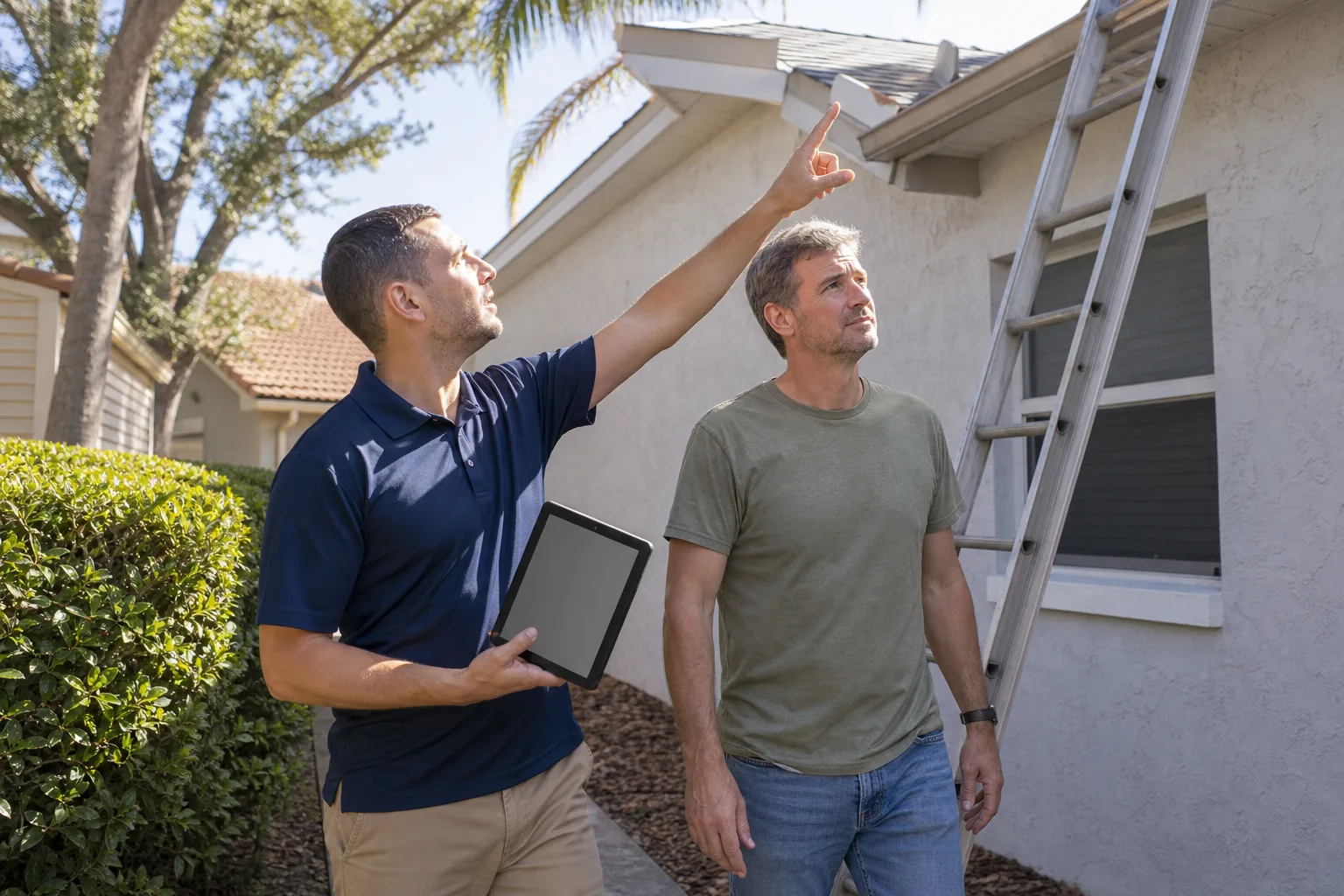
- Design, measurement, and HOA review (1 to 10 days). A site walk and quote usually take a few days. If your neighborhood has an architectural review committee, and many Richardson HOAs do, add one to two weeks for approval before any digging starts.
- Permit application and approval (1 to 3 weeks). Not every fence needs a permit, but when it does, review time at the city level is the single biggest wildcard. Details below.
- Utility locate (2 to 3 business days minimum). The 811 call must be placed before digging, and the locate window is state-regulated. This is non-negotiable and it’s the step most contractors skip in their quote language.
- Material procurement (0 to 3 weeks). Standard cedar dog-ear pickets and common vinyl colors are often in stock locally. Custom aluminum, specialty composite, and anything with a long lead time gets ordered.
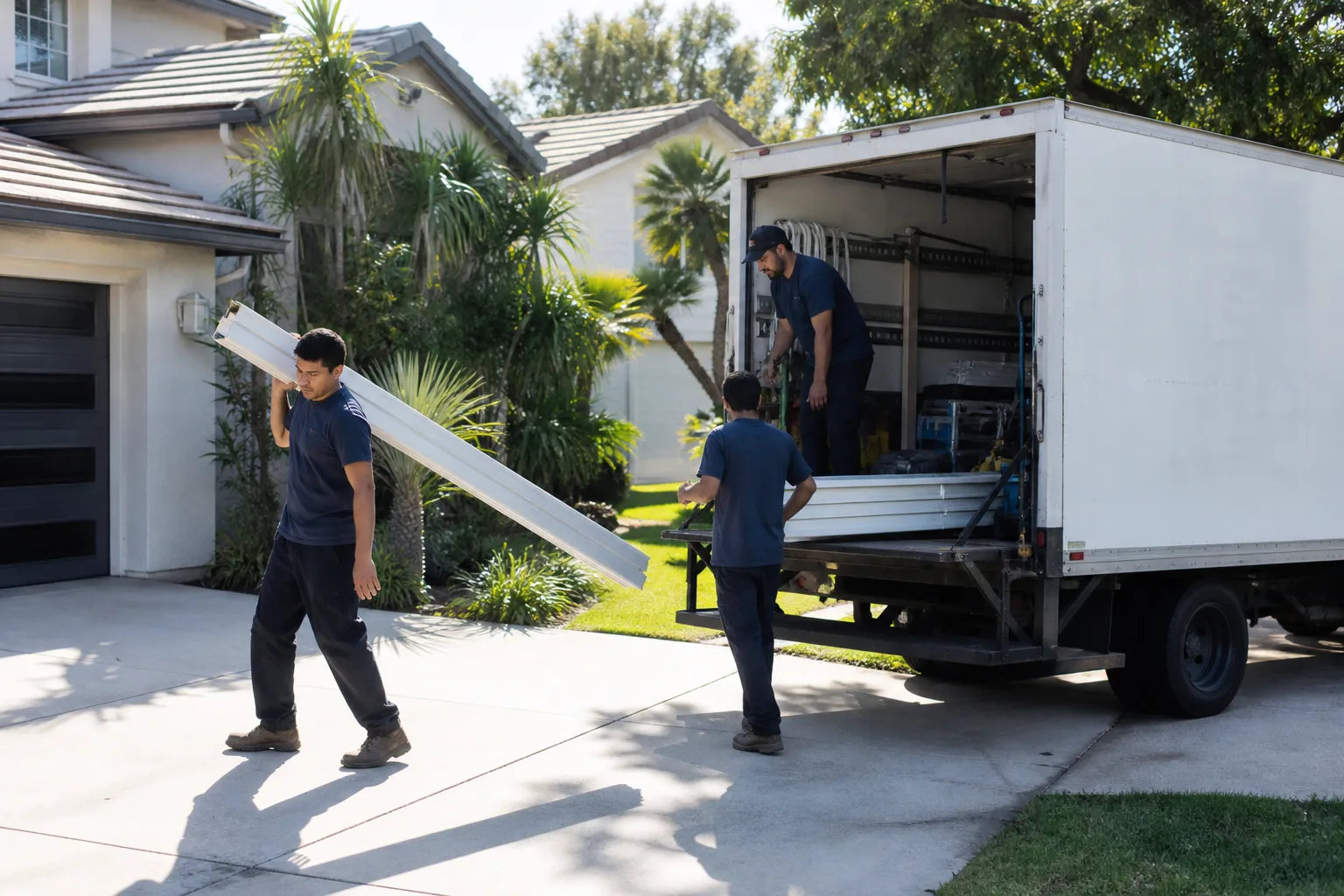
- Ground prep and installation (2 to 4 days). Tear-out of the old fence, post holes, concrete setting, rail and picket install, gate hang. Post cure continues after the crew leaves, and that matters more than people realize.
Add those up and you get the two-to-five-week range. The install phase is roughly 10 to 20 percent of the full calendar. That ratio is the whole point of this guide.
Why the 811 Utility Locate Is the Most Underrated Step
Before anyone puts a shovel in the dirt, the 811 “Call Before You Dig” service has to mark buried utilities. In Texas, calling 811 is required by law, and the locate window itself is typically two to three business days. Skipping it isn’t just a schedule shortcut, it’s a safety and liability problem. Gas lines, irrigation lines, fiber, and electrical runs sit shallower than most homeowners expect, especially in older Richardson neighborhoods where utility maps have drifted over decades of remodels.
Here’s what actually happens with the locate, and why we build the window into every timeline:
- We submit the ticket, then the utility companies send locators to mark their lines with flags and paint.
- Private lines on your side of the meter, like a landscape lighting run or a pool feed, are not covered by 811 and have to be located separately. If you know where those are, tell us. If you don’t, a private locate may be needed.
- The marks expire. If weather or permit delays push the start past the ticket window, we may need to re-ticket, which adds another two to three days.
This phase doesn’t fail because it’s hard. It fails because it gets skipped on tight quotes where the contractor is trying to show a shorter number than the next guy. A fence bid that doesn’t mention the locate isn’t saving you time, it’s just hiding the time. Ask any contractor you interview who places the 811 call and when. It’s a reliable tell.
Do You Need a Permit for a Fence in Richardson?
This is where timelines get very specific to Richardson, and it’s the section most homeowners wish they’d read first. Fence permitting rules vary by height, location on the lot, and whether you’re in an HOA or a historic district. As a general rule, fences up to six feet in a rear or side yard typically don’t require a building permit in Texas municipalities, but any fence over six feet, fences in a front yard, and fences on corner lots with sight-line requirements usually do. Richardson also enforces fence height and placement rules, and the city’s code on front-yard fencing is stricter than many homeowners assume.
Practical process, spelled out:
- Confirm your lot’s zoning and any HOA overlay. If you’re in an HOA, the association’s design guidelines will usually be stricter than city code on height, material, and color.
- Submit the permit application with a plot plan. The plot plan shows fence location, height, and material. Sloppy plot plans are a common cause of rejection and re-submittal.
- Wait for review. Typical turnaround for a straightforward residential fence permit is one to three weeks depending on the city’s review queue. We don’t quote a fixed review time because we don’t control the city’s desk, and any contractor who tells you they do is guessing.
- Post the permit and schedule inspection after install. A permitted fence requires a final inspection. Build that into your mental timeline too, because a fence isn’t “done” until it passes.
We pull permits on every job that requires one and we pass inspection before we call a project complete. That’s part of what our Groundwork Construction Co. of Richardson home page means by from foundation to finish line. The permit is not a formality, it’s the record that protects your resale, your insurance, and your neighbor relationship if a property line ever gets questioned.
Material Lead Times: Wood, Vinyl, Aluminum, and Composite
Material availability is the phase homeowners most often overlook, and it’s the one that can turn a three-week project into six. Here’s how we’d plan lead times in the current Richardson market:
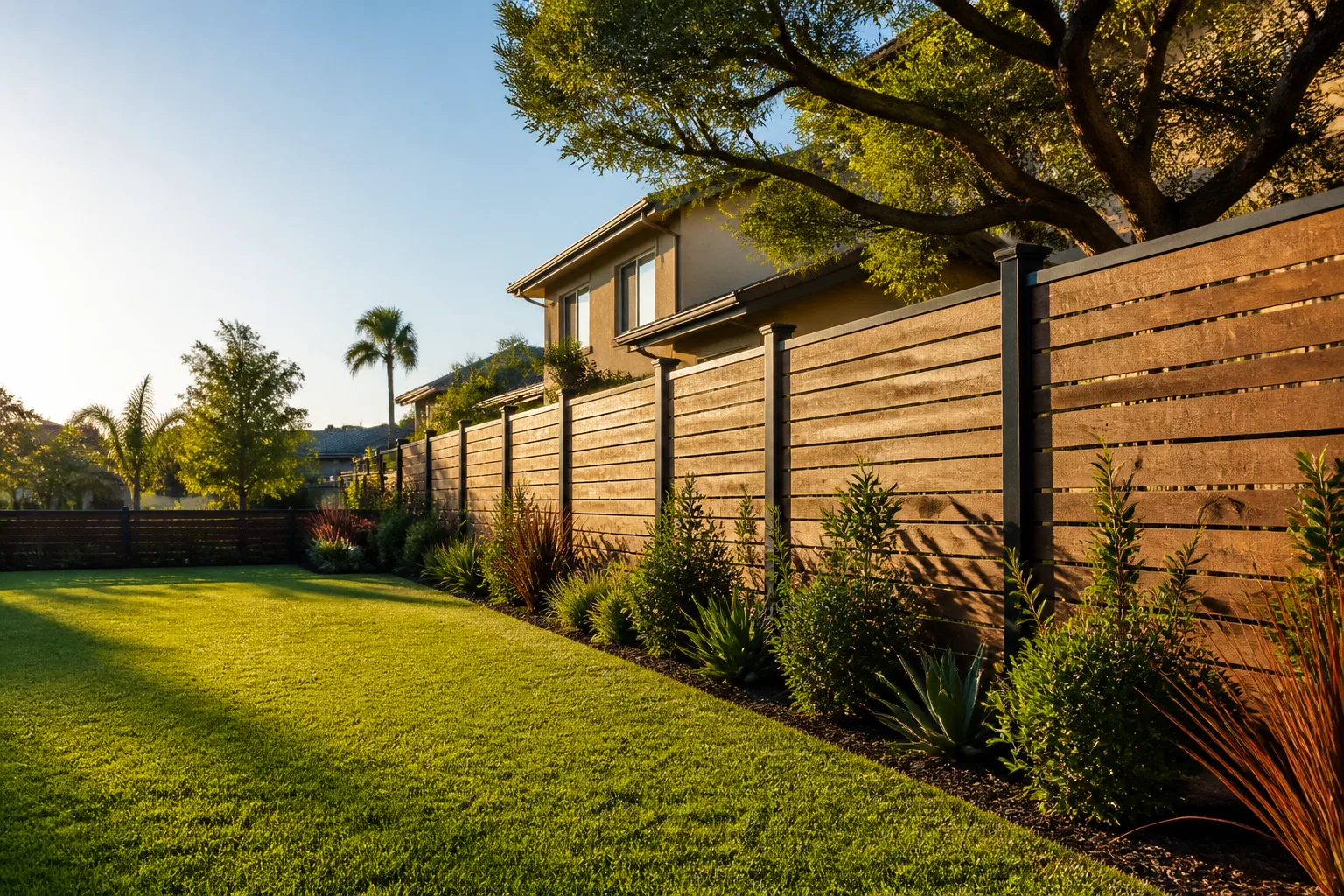
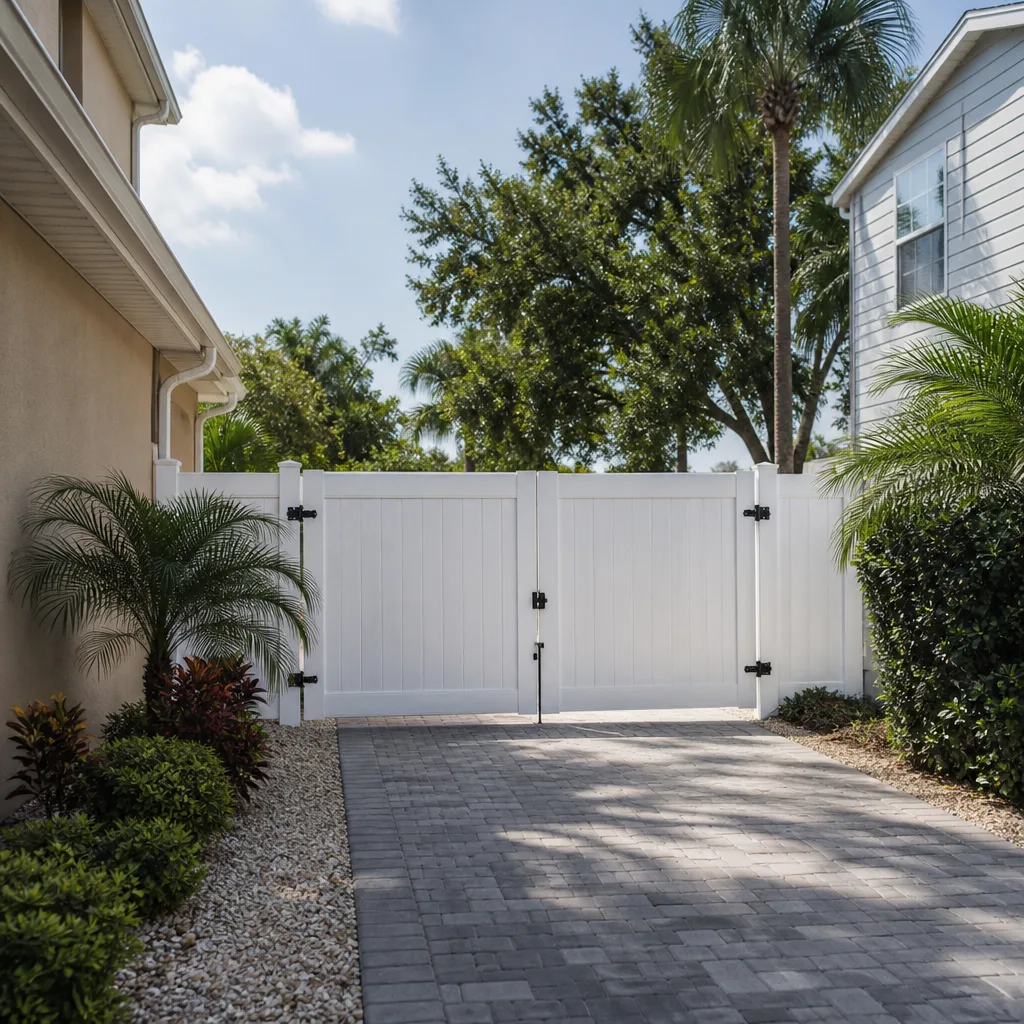
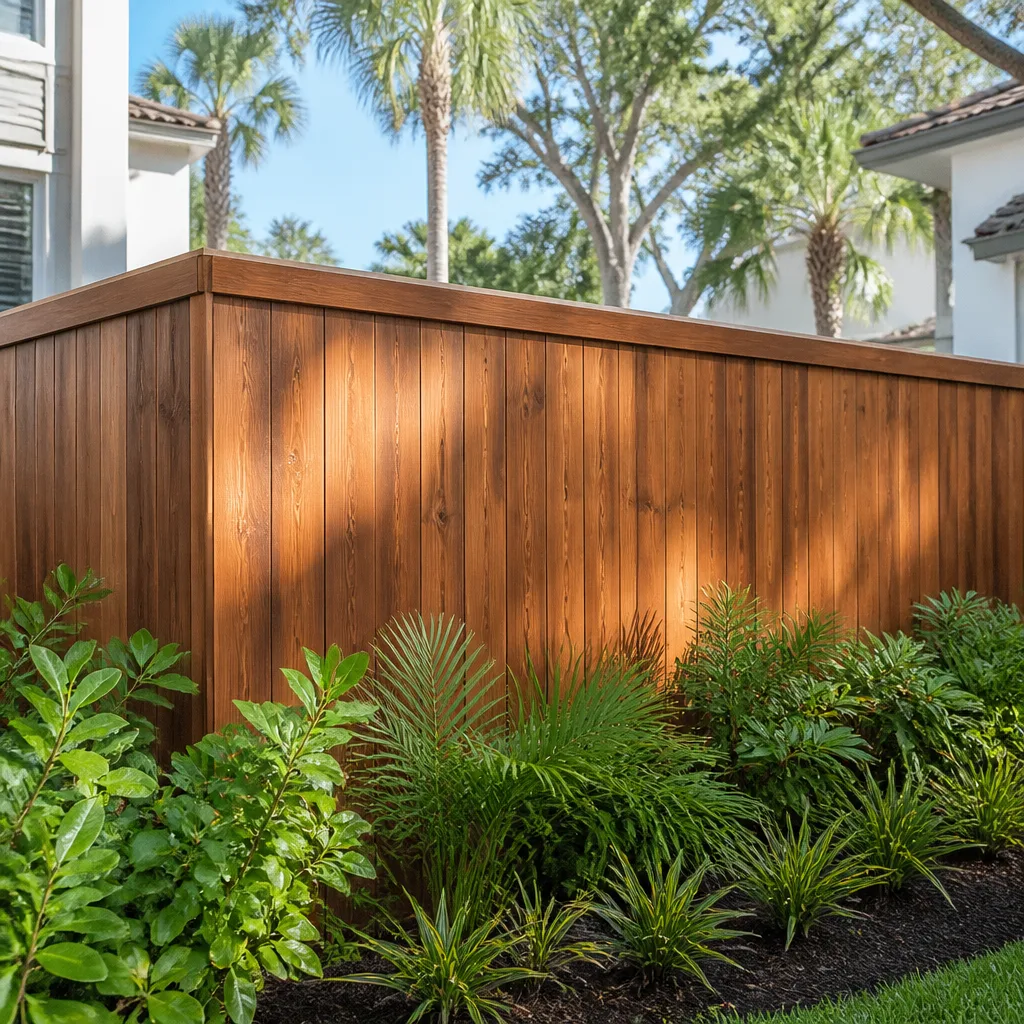
- Cedar privacy fence. Standard six-foot dog-ear cedar is usually readily available from local suppliers. Zero to one week lead time is realistic for common grades. Clear vertical cedar or custom heights may take longer.
- Vinyl. Common colors and heights are stocked locally, so one to two weeks. Specialty colors, taller privacy panels, or a non-standard style can take two to four weeks from the manufacturer.
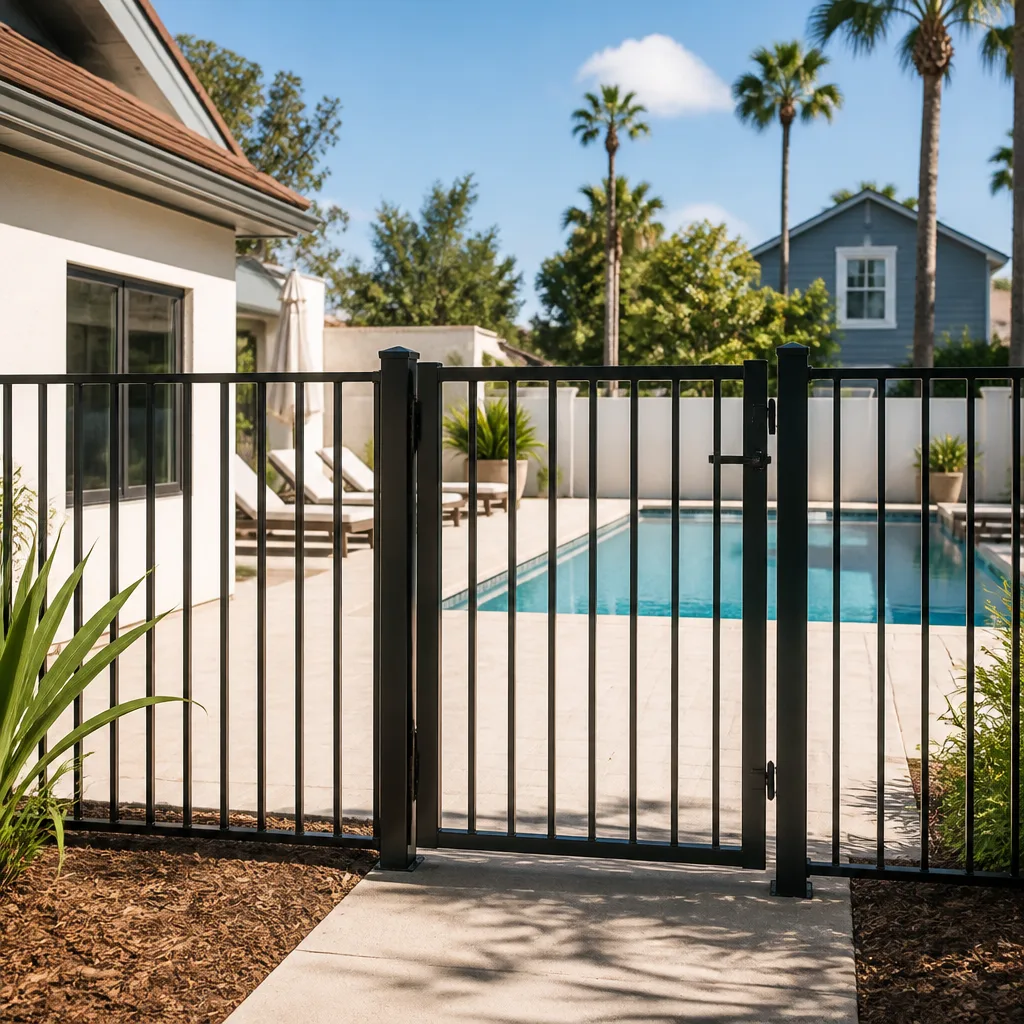
- Aluminum ornamental. Stock sizes ship quick. Custom powder-coat colors and matched gates are where the lead time climbs, often three to six weeks.
- Composite. This category has the widest range. Some brands ship in two weeks, others quote six to ten weeks depending on the season. If you’re set on a specific composite system, lock the material order early or you’ll be waiting on the manufacturer, not the crew.
We work from a curated set of verified material partners so clients choose quality, not just what happens to be available. The same discipline we apply on a roof with GAF or CertainTeed, or on a window package with Andersen, Pella, Therma-Tru, or Mr-Glass, we apply to fences. If the material you want is on a long lead, we’ll tell you up front so you can decide whether to wait or pick an equivalent in-stock option.
North Texas Clay and Post-Setting Cure Times
This is where Richardson timelines are genuinely different from what you’ll read on national fence blogs. Richardson sits on expansive blackland clay. That soil swells when wet, shrinks when dry, and moves every post you set in it. A fence post that’s rushed into wet clay before the concrete has reached its initial cure is the number one cause of the leaning and heaving fence lines we’re called to repair in Richardson neighborhoods like Canyon Creek, Prairie Creek, and around Breckinridge Park.
What actually governs cure time:
- Concrete type and mix. Standard bags set up enough to resist movement within 24 to 48 hours, but full strength takes about a week. We don’t hang rails or pickets until the post concrete is ready, and we don’t rush that schedule to hit a date.
- Soil moisture. In spring, after a heavy rain, the clay is saturated. Setting a post in mud and then watching it dry is a recipe for wobble. If the ground is too wet, we wait, or we dig and set later in the week.
- Depth and diameter. Posts set too shallow in this clay will heave over a winter. Depth matters more than cure time for long-term stability, and a good contractor will tell you the depth they’re using on your fence.
If a quote feels suspiciously cheap on labor or shows a two-day all-in timeline for a thirty-post run, the corners are almost certainly being cut in the post-setting phase. Ask the contractor, in writing, what depth they set posts to and how many days they allow between setting and hanging. The answer tells you everything about how long your fence will last.
Weather Windows in Richardson: Summer Heat and Spring Saturation
Weather doesn’t just delay work days, it changes the shape of the whole schedule. Richardson has two weather patterns that affect fence timelines more than any other.
Spring saturation. March through May, the clay holds water for days after a rain. Crews can still set posts in damp ground, but a saturated yard and mud that won’t hold a string line will push ground prep. We watch the forecast closely in spring and build weather float into the schedule for Richardson jobs. A contractor who doesn’t mention weather float in April is either lucky or overpromising.
Summer heat. July and August afternoon temperatures routinely top 100 degrees in Richardson. Concrete cures faster in extreme heat, which sounds good, but the crew’s productive hours shrink. Most crews start earlier and wrap earlier to keep workers safe. Expect a slower daily pace in summer, not because the crew’s lazy but because heat safety is real. Heat can also cause concrete to cure too fast and lose strength, so a good crew adds water management or waits for the cooler part of the day to place posts.
What a contractor should communicate to you: realistic start dates, whether weather float is built in, how they’ll handle a rain delay mid-project, and what happens to your contract price if the schedule slips. What they should not do is leave you to find out on the day the crew doesn’t show up.
One-Crew Solo Install vs. a Properly Staffed Crew
Two bids can look identical on paper and represent wildly different labor realities. A fence install is crew math: post holes, concrete, rails, pickets, gates. A two-person crew and a four-person crew finish the same run in different amounts of time, and the difference shows up in your schedule and, eventually, in how well the details were done.
What to look for when comparing bids:
- Crew size and specific staffing. Ask how many workers will be on site each day. A solo install on a 150-foot fence can run four to six days; a three- or four-person crew can typically do it in two to three.
- Whether the gate is built by a dedicated installer or a helper. Gates sag first when they’re rushed. A properly staffed crew assigns gate work to someone who hangs them for a living.
- What happens after the crew leaves. Clean-up, haul-away of old fence and spoil, and a walk-through should be in the scope. If they’re not in the bid, they’re not in the timeline either, and someone else’s crew may be scheduled over yours.
Our technicians have up to 12 years of experience, they’re background-checked, and they arrive in uniform on every project. That’s not a marketing line, it’s how we keep a schedule predictable: the same people who quote the job show up to build it, and the crew that builds it is the crew that cleans up behind itself. The same holds true across our Fence Installation in Richardson and Driveway & Pavers in Richardson work, and it’s the pattern we’d want you to hold us to.
The Three Biggest Causes of Timeline Extension
When a fence project slides, it’s helpful to know whether the reason was controllable or genuinely outside anyone’s hands. Here’s how we categorize the three most common causes.
- Permit review backlog (outside anyone’s hands, but predictable). City review queues fluctuate. A well-run project accounts for a one-to-three-week permit window from the start and doesn’t treat it as a surprise when it stretches. The failure isn’t the backlog itself, it’s a contractor who quoted install dates without permitting time in them.
- Utility locate and re-locate delays (outside anyone’s hands, but preventable). The 811 ticket window is regulated. The re-ticket after a weather delay is where a project can lose a week. A contractor who schedules the locate at the front of the project, not the morning of digging, protects you from this.
- Under-resourced scheduling (inside the contractor’s control). This is the big one. A contractor who overbooks, runs a single crew across multiple cities, or quotes a start date before materials are confirmed is the most common source of “we’ll be there next week” that becomes three weeks. This one you can screen for in the interview. Ask for the crew size, the material order confirmation, and the specific start date in writing.
If you’re planning a larger exterior project, the same sequencing logic applies to Home Additions & ADU in Richardson, where permits and soils drive the calendar even harder than fences do. Get the sequence right before you sign, and the timeline becomes something you can actually hold a contractor to.
Common Mistakes to Avoid
- Signing a bid that doesn’t mention the 811 locate. If it’s not in the scope, it either hasn’t been scheduled or it’s been left to you. Either way, the schedule becomes your problem on day one.
- Assuming your HOA allows what the city allows. Richardson HOA rules on fence height, materials, and colors are often stricter than city code. Get written HOA approval before the deposit clears, or you may be rebuilding a fence you just paid for.
- Booking a start date without a material confirmation. A quoted install date with no ordered material is a placeholder, not a promise. Ask for the supplier confirmation on any specialty vinyl, aluminum, or composite.
- Letting the crew set posts in saturated clay to hit a schedule. In Richardson, that shortcut costs you leaning fence within a season. A little delay now beats a repair bill later.
- Ignoring plot lines and easements. Richardson has utility and drainage easements in many neighborhoods, and a fence built inside one can be ordered removed. Confirm the plot and easement lines before the first post goes in.
- Choosing on price alone. A quote that’s 30 percent under the others is almost always understaffed, skipping permit or locate, or using lower-grade materials. Ask what’s different, not what’s cheapest.
- Forgetting the final inspection in the timeline. A permitted fence isn’t finished until it passes inspection. Build two weeks of buffer after install into your mental calendar if you have a permitted fence.
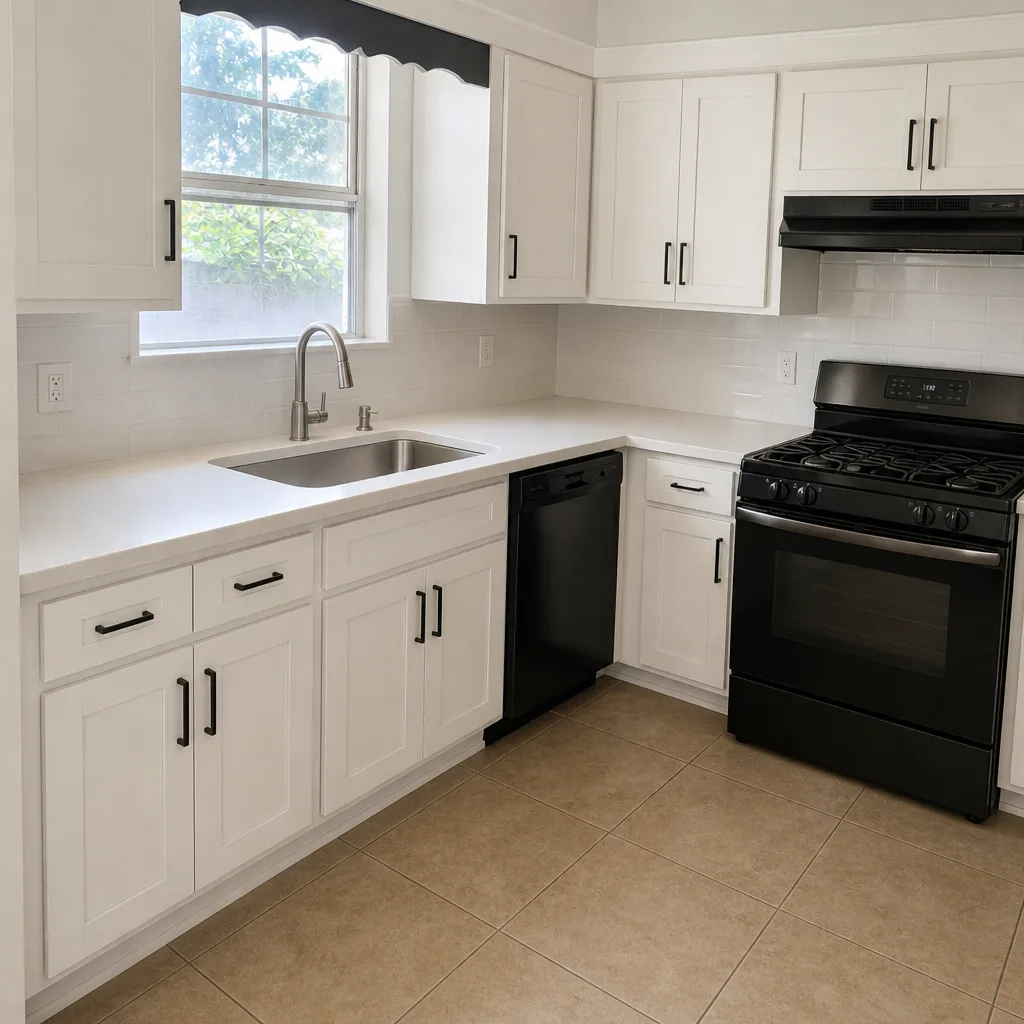
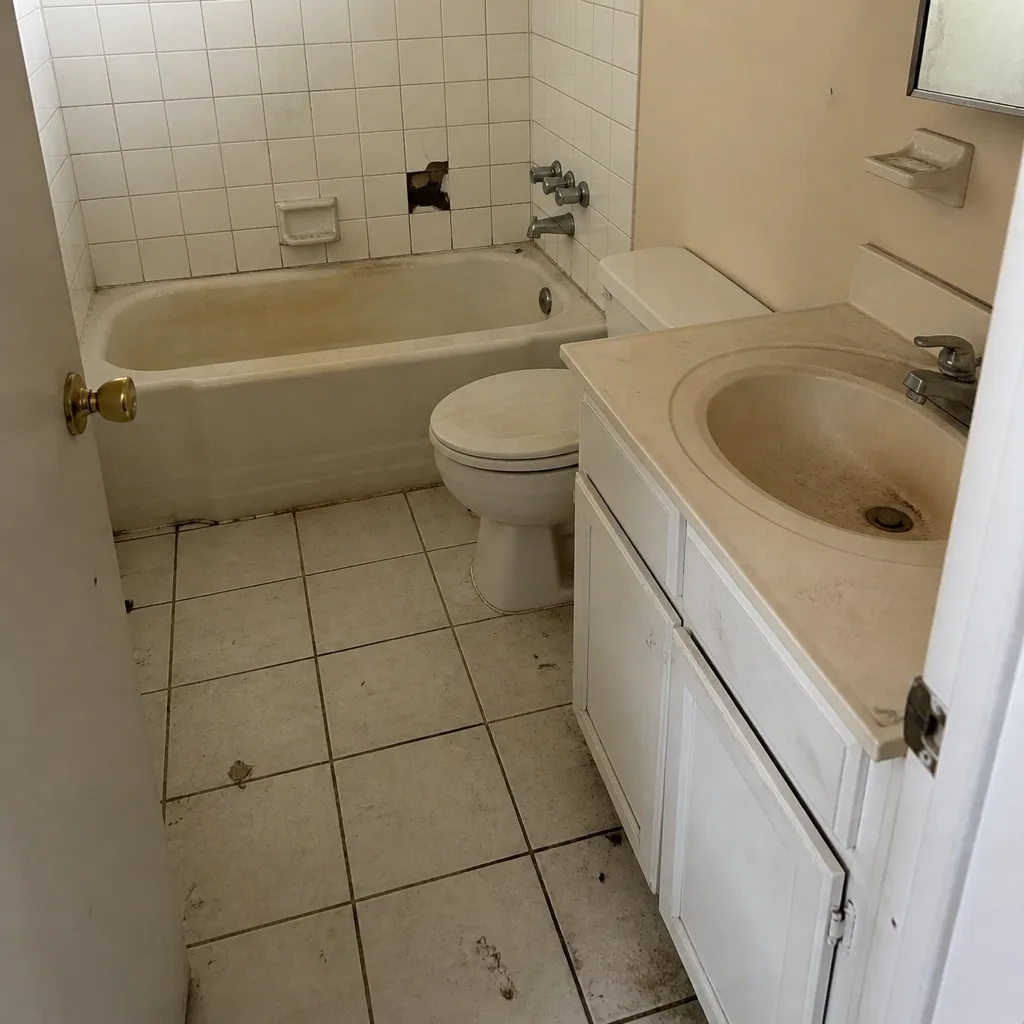
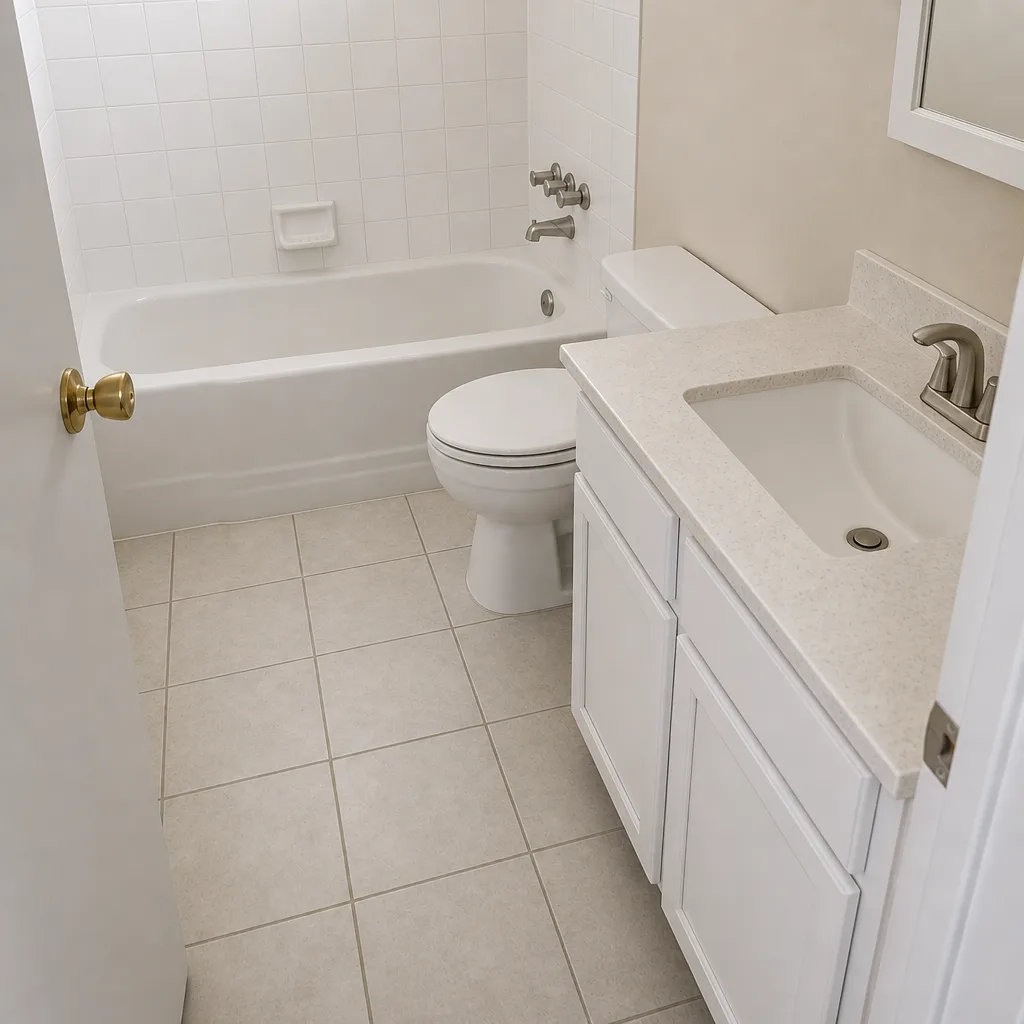
See the difference
 Before
 After
 Before
 After
 Before
 After
When to Call a Professional
Some fence work is genuinely a weekend project. A short privacy screen, a repair to a single leaning post, a gate hinge swap. But most of what we’re called to fix in Richardson goes wrong because the project was bigger than it looked: long runs in heavy clay, permitted fences in an HOA, existing fence that hides utility runs, or a property-line question that needs a plot plan and a licensed professional reading it. If your fence involves a permit, a corner lot with sight-line rules, more than a few posts in this clay soil, or a gate that has to actually work for a decade, call us. Groundwork Construction Co. of Richardson offers free estimates in Richardson. Call (833) 954-4985 and we’ll walk the project with you, put real numbers on the phases above, and answer the phone with a live person 24/7. No voicemail, no waiting until Monday.
Frequently Asked Questions
Plan on two to five weeks from signed contract to finished fence. The install itself is usually two to four days of on-site work, and the rest of the calendar is permits, the 811 utility locate, material lead times, and ground prep. If you need a firmer date, call (833) 954-4985 for an exact quote and calendar walkthrough, and estimates are free.
It depends on height and location. Fences up to six feet in a rear or side yard often don’t need a building permit, but fences over six feet, front-yard fences, and corner-lot fences facing a sight line frequently do. HOA rules can be stricter than city code. We pull permits on every job that needs one and we pass inspection before the project is called complete. Call (833) 954-4985 and we’ll confirm what applies to your address.
It’s almost always a post-setting problem caused by rushing the cure. In North Texas blackland clay, posts set in saturated ground or too shallow will heave and lean as the soil expands and contracts seasonally. Proper depth, correct concrete, and full cure time before hanging rails prevent it. If you’re looking at an existing leaning fence in Richardson, call (833) 954-4985 for a free estimate on the repair.
No. Our pricing is no-hassle and upfront, so the number you see is the number you pay. Change orders only happen if you approve a scope change, like adding a gate or extending the run. Any contractor quoting without a locate, permit, or material confirmation hasn’t finished their own math, and that’s the bid that changes once the first post goes in. Call (833) 954-4985 for a free estimate with line items you can actually compare.
Most residential fences in Richardson are installed in two to four days of on-site work. A single-crew install on a 150-foot privacy run can take four to six days, while a properly staffed three- or four-person crew typically finishes in two to three. The gate hang, clean-up, and haul-away are all part of that window, not after it.
Rain may pause digging and post-setting, and in spring the clay holds water long enough to shift the schedule a day or two. A good crew builds weather float into the schedule and communicates delays the same day. If your contractor goes quiet during a rain event, that’s the tell. Call (833) 954-4985 and we’ll tell you where your project stands.
The Bottom Line
The install days are the least of your timeline. Permits, utility locates, material lead times, and North Texas clay are what actually set the date your fence is finished, and the contractors who explain that up front are the ones who can hold a schedule. Ask three questions before you sign: when is the 811 ticket placed, is the permit in the scope, and how deep are posts set in clay. Get straight answers and you’ve screened out 90 percent of the projects that stretch from two weeks to six. Groundwork Construction Co. of Richardson brings the same discipline to every fence we build, backed by our 730-Day Done Right Promise and upfront pricing with no surprises. Call (833) 954-4985 for a free estimate and a live person 24/7.
Written by the team at Groundwork Construction Co. of Richardson.