


Free written scope consultation - allowances, timeline, and change-order rules on paper before a single trade is scheduled
Styles & brands we work with
- Kitchen remodeling
- Bathroom remodeling
- Home additions & ADU
- Roofing
- Windows & doors
- Driveway & pavers
- Fence
See the difference
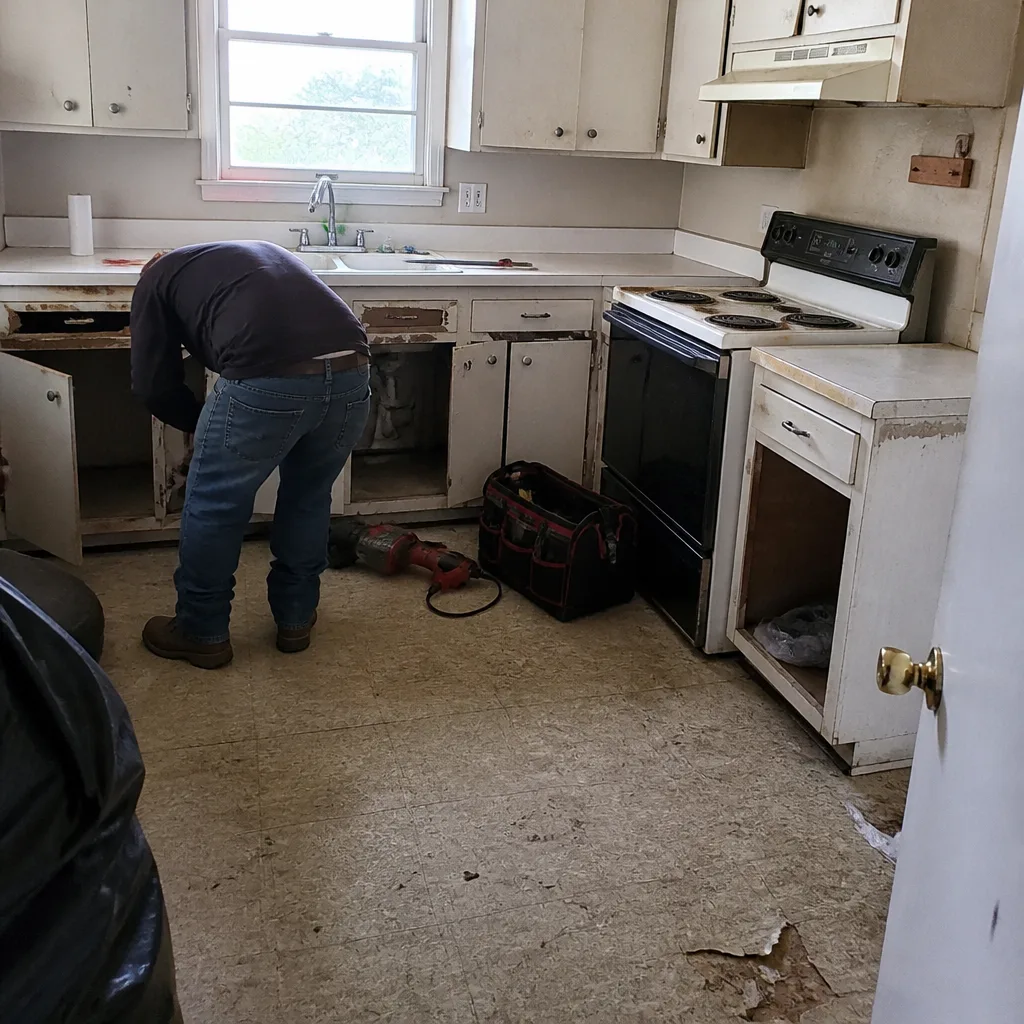 Before
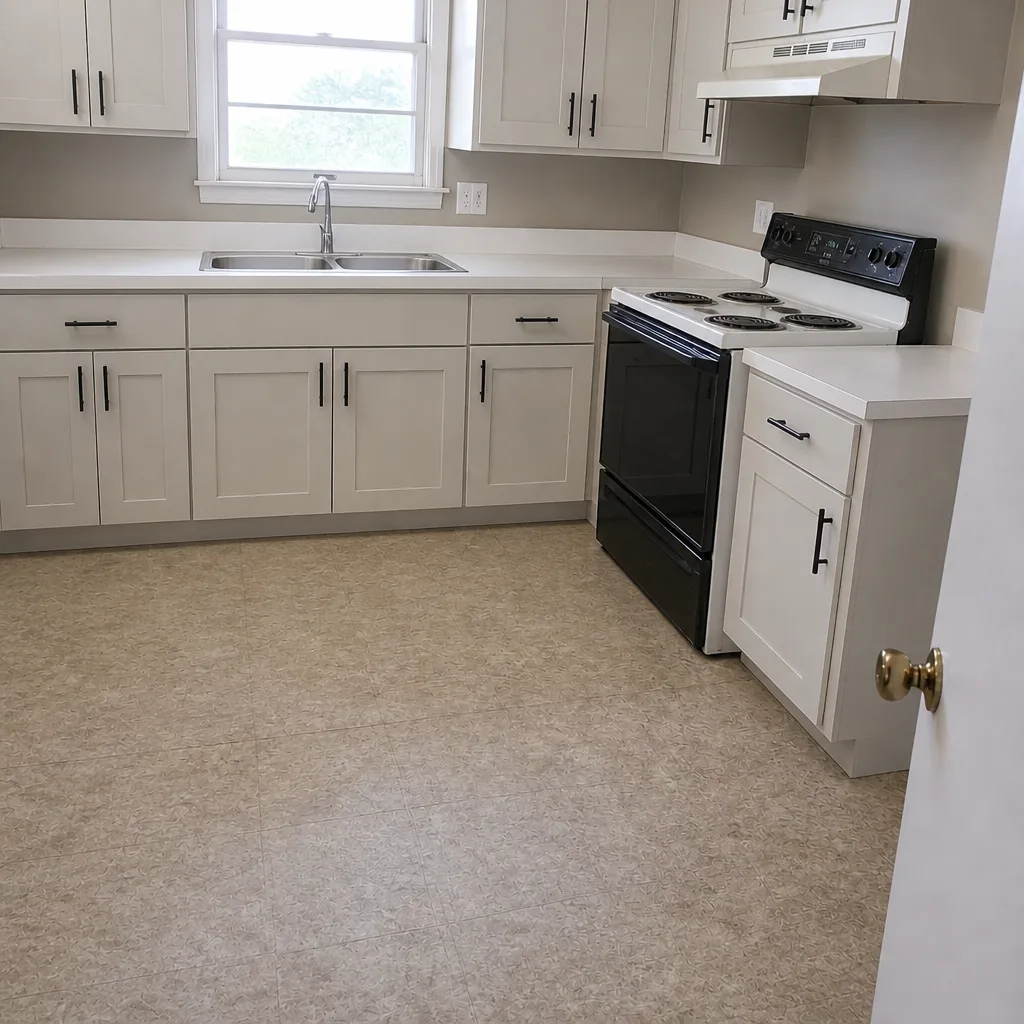 After
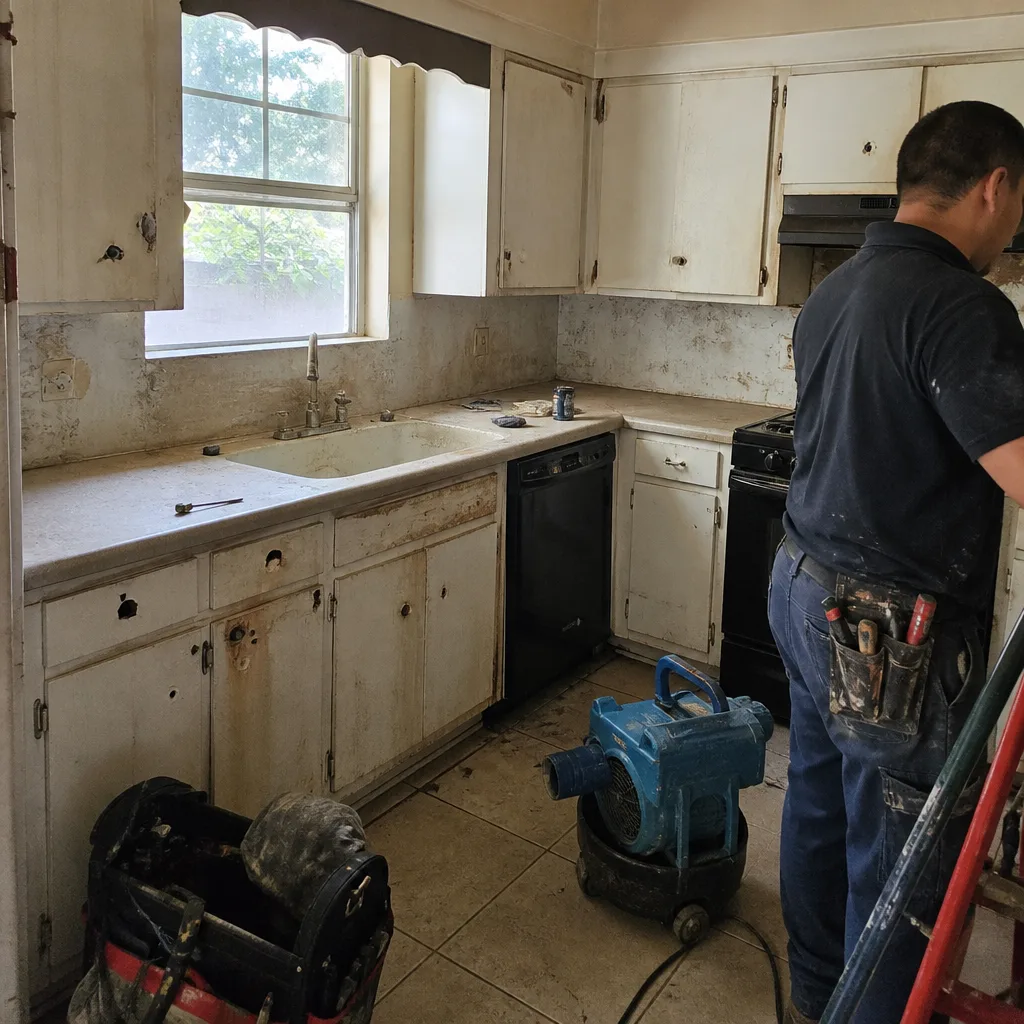 Before
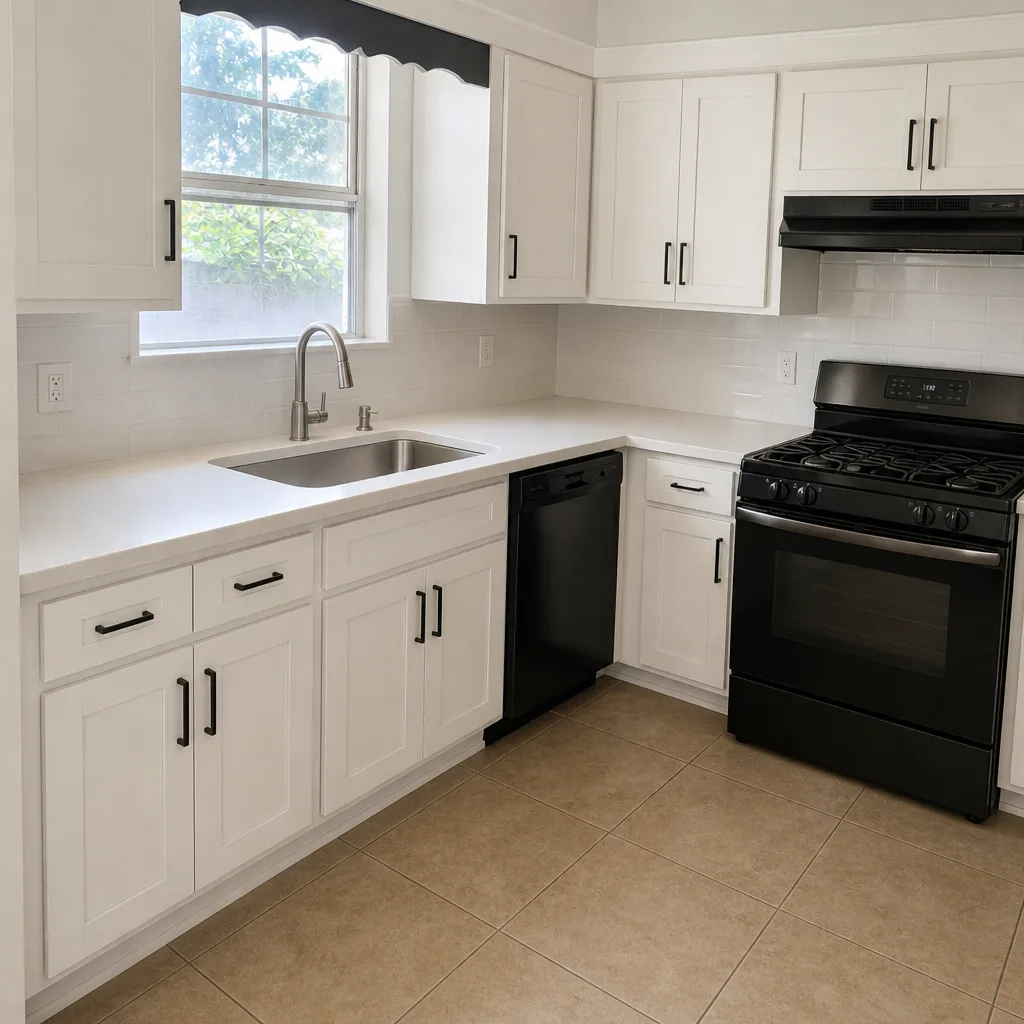 After
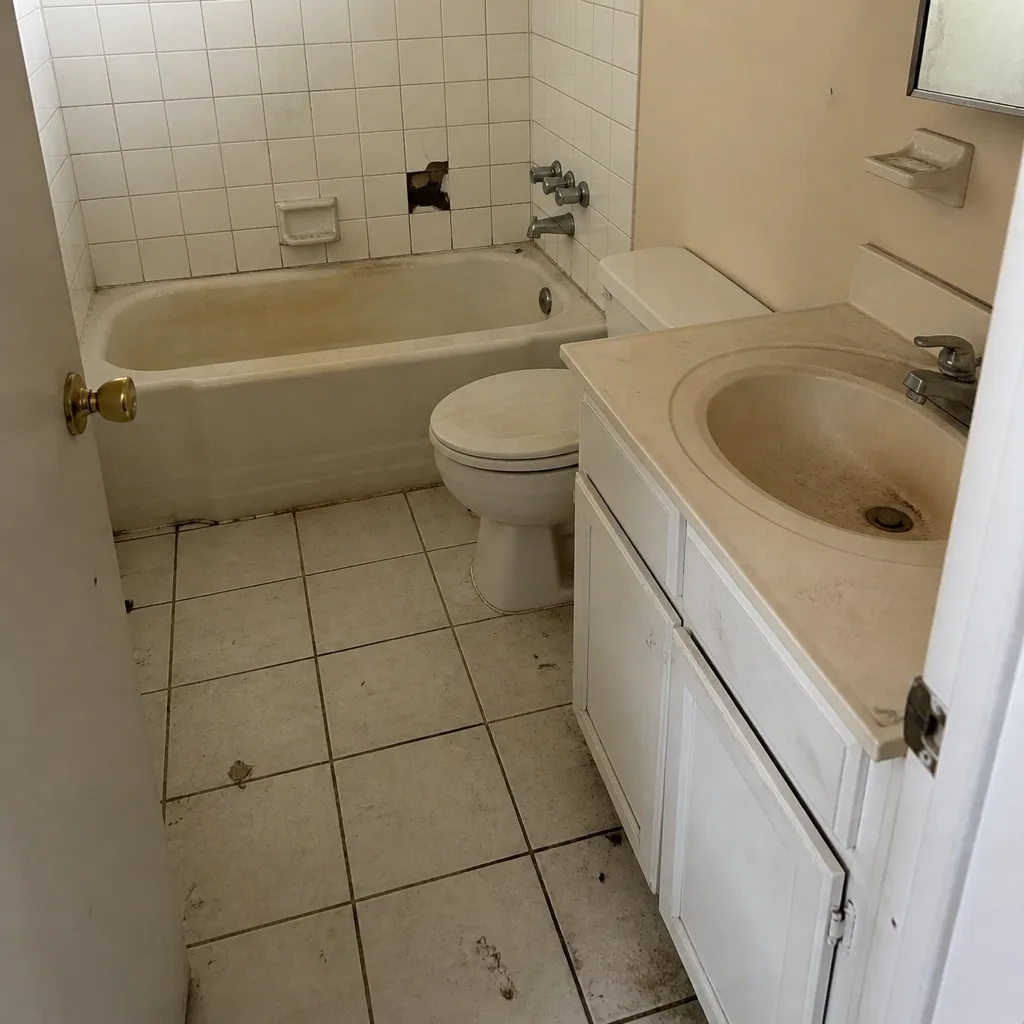 Before
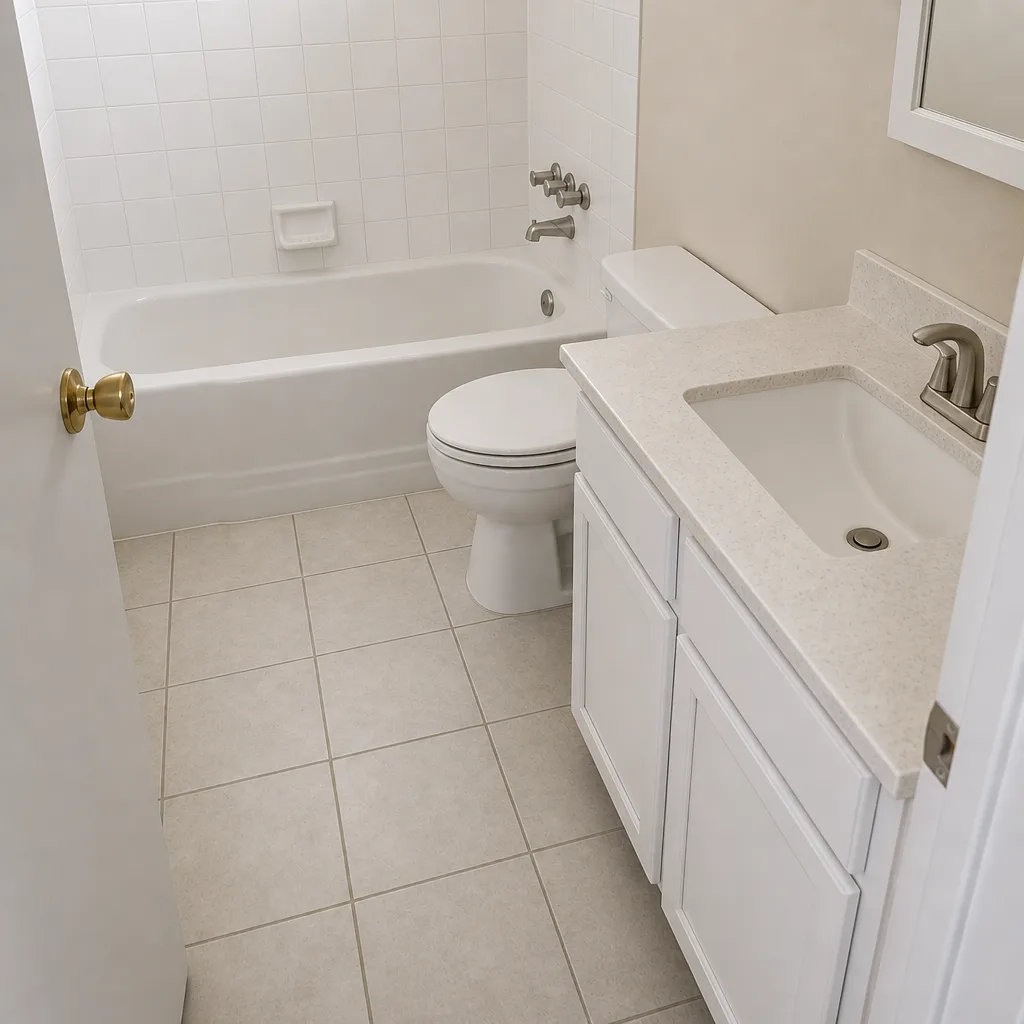 After
What Does a General Contractor Do? The Answer Hides in Richardson’s Permit Files
A general contractor is the single professional who holds your building permit, coordinates every trade working under it, and is legally accountable for the whole project passing inspection. In Richardson, that means something very specific: a GC on a 1960s ranch remodel spends weeks before demolition pulling the original permit history from City Hall, ordering a foundation evaluation, and confirming which walls actually carry load before the architect draws a single revised plan.
That pre-work is the job. It’s also what a homeowner trying to self-manage four separate subcontractors usually skips, then pays for later when the framing inspection fails and the drywall crew is already booked. If you’re trying to figure out whether you need to hire one, call us at (833) 954-4985 and we’ll give you a straight answer, even if that answer is “you just need a plumber.”
Key Takeaways
- A GC holds the permit, which makes them legally responsible for every subcontractor’s work passing inspection.
- In Richardson’s pier-and-beam market, the GC coordinates foundation evaluation and inspection sequencing that slab-market builders often overlook.
- Cabinet swap: specialty trade. Moving a wall and relocating a drain: GC territory, and the permit line falls there too.
- Groundwork Construction Co. of Richardson backs all of it with the 730-Day Done Right Promise.
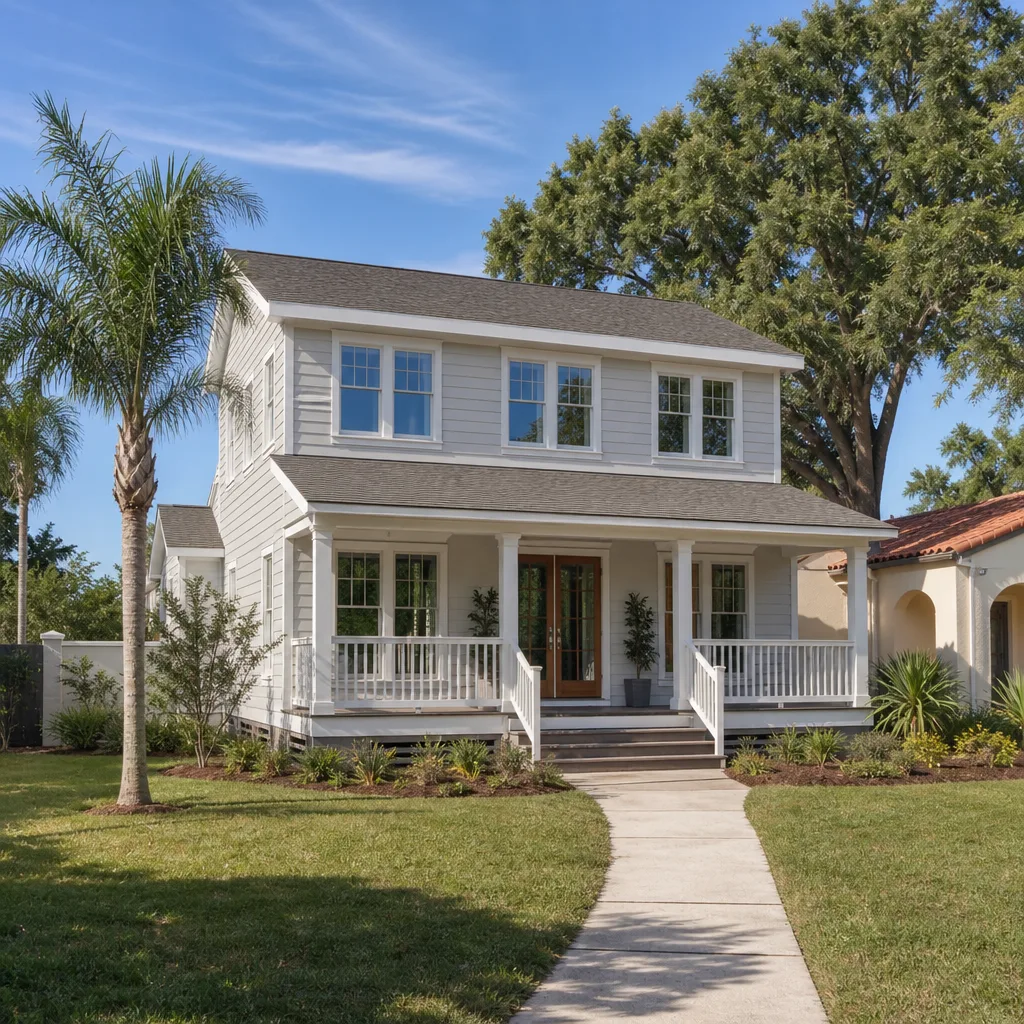
The Work That Happens Before a Tool Touches the House
Most people picture a GC standing in a dusty hallway pointing at things. The real job starts at a desk. On a typical Richardson ranch remodel, the first several weeks are permit and research work, and here’s what that actually involves:
- Permit history research. Richardson’s older platted blocks, especially around the original Richardson Heights plat, often have decades of permits, some pulled, some never closed out. We pull the record before design so the drawings match what’s actually there.
- Foundation evaluation. Pier-and-beam construction is the norm in the 1950s-1970s brick ranches that make up much of Richardson’s core. Expansive North Texas clay moves those foundations seasonally, so a structural look happens before we plan anything that adds load.
- Load path confirmation. Which walls are bearing walls, and what carries the load once one comes out. This needs a structural engineer’s input, and it needs to happen before the architect finalizes a revised plan.
- Lot coverage and setback checks. On Richardson’s older, narrower lots, even a modest second-story addition can bump into lot-coverage or setback rules. The neighbor’s new build happened because someone ran the survey first.
- Application and inspection scheduling. Filing the permit, then sequencing inspections so that plumbing, electrical, and framing under the pier-and-beam access all get signed off in the right order, before anything gets covered.
None of that is glamorous, and all of it is why a Richardson remodel doesn’t fall apart in month two. This city’s infill and redevelopment pattern, combined with the dense post-war housing stock near Central Expressway, makes demolition and inspection coordination an everyday part of the work here in a way it simply isn’t in a single-era suburb like Frisco.
Why the Permit Holder Matters More Than the Crew List
Here’s the accountability chain generic articles skip: when a GC pulls the permit, the GC is legally on the hook for every subcontractor’s work passing inspection. Not the electrician, not the framer. The GC. That’s the real value of hiring one instead of lining up trades yourself.
If a homeowner hires four subcontractors directly and the rough-in electrical fails inspection, the reinspection fee, the schedule delay, and the argument about whose fault it was all land on the homeowner. When we hold the permit, they land on us. That’s the same logic behind our 730-Day Done Right Promise: if something isn’t done right, we make it right, and it’s in writing rather than in a handshake.
Practically, it looks like this during a Richardson pier-and-beam remodel:
- We coordinate the structural engineer on wall-removal load paths before framing starts.
- We schedule rough plumbing, electrical, and framing inspections in sequence around the open subfloor access, because covered work has to be signed off before it disappears under flooring.
- We order materials against the inspection calendar, not against the crew’s best guess, so cabinetry and fixtures from our brand partners (Kohler and Moen are the two we specify most in bathrooms) land when they’re needed instead of sitting in a driveway.
Our technicians bring up to 12 years of experience to these jobs, and they’re background-checked and in uniform on every project, which matters more than people think when a half-dozen trades are cycling through your house.

When You Need a GC, and When You Don’t
This is the question homeowners in Richardson should ask first, because the honest answer is sometimes “you don’t.” Swapping kitchen cabinets is a carpenter job. A specialty trade can handle it, and the permit picture is generally simple.
A kitchen expansion that moves a load-bearing wall, relocates a drain, and upgrades the electrical panel to handle the load is a GC job. The distinction isn’t just logistics, it’s legal: in Richardson, that scope touches framing, plumbing, and electrical permits, and someone has to carry and answer for all of them.
Rough budget framing, so you know what kind of project you’re describing:
| Project | Typical Richardson range | Scope and who’s responsible |
|---|---|---|
| Cabinet installation | $4,000-$13,000 | Straight swap, likely specialty trade |
| Kitchen remodel (full) | $14,000-$45,000 | GC scope: multiple trades, permits, inspections |
| Bathroom remodel | $9,000-$28,000 | GC scope when plumbing moves |
| Home addition | $45,000-$130,000 | GC scope: structural, lot coverage, all trades |
| ADU construction | $90,000-$220,000 | GC scope: full build with its own permit set |
A small kitchen remodel at $9,000-$20,000 may or may not need a GC, depending on whether walls and utilities stay put. We’ll tell you which side of the line you’re on during a free estimate and design consult, and we won’t pad the scope to make it a bigger job.
The Part Nobody Talks About: Being Reachable
A GC’s phone is a project management tool, not a customer service line. During active construction, a scheduling problem caught at 7am costs an hour. The same problem caught at 4pm costs a day of work and the trades booked behind it.
That’s why our calls are answered by a live person around the clock. When a Richardson homeowner calls at 6:45am because a cabinet delivery is running late and the install crew is already on their street, we can reroute the morning before it collapses. It’s part of what the GC fee actually pays for, and it’s the difference between a project that finishes on schedule and one that drifts.
Storms are the other reason. North Texas spring hail and wind send roof replacement and repair work through Richardson in waves, and schedules get squeezed into spring and fall around summer heat and winter ice. A contractor who can’t answer the phone during a hail week can’t keep a project moving. If you’re starting a project here, our home construction services are the natural place to see the full scope of what we handle.
FAQs
Not always. Texas doesn’t require a licensed GC for most residential work, but Richardson does require permits for structural, plumbing, electrical, and addition work, and the person or company who pulls the permit is the party responsible for it passing inspection. If your project touches multiple trades or a load-bearing wall, a GC is the cleaner way to hold that responsibility.
A GC working Richardson’s pier-and-beam ranches coordinates a foundation and structural evaluation before design, then sequences inspections around the open subfloor access so plumbing, electrical, and framing get signed off before they’re covered. That sequencing is routine for pier-and-beam work and easy to mishandle if a contractor mainly builds on slab.
Direct-hiring trades often looks cheaper on paper, and sometimes it is. But when a homeowner manages four subs and an inspection fails, the reinspection fees, the schedule slip, and the labor to fix it come out of the homeowner’s pocket with no one contractually on the hook. A GC’s fee buys the accountability chain, not just the scheduling.
Yes, and on Richardson’s narrower pre-1970s lots it’s often the first thing to check. A modest second-story addition that pushes past lot-coverage or setback rules can need a variance, and that planning has to happen before drawings are finalized. Call (833) 954-4985 for a free estimate and we’ll look at your lot before you spend money on design.
If you’d rather have it looked at by someone who does this every day, Groundwork Construction Co. of Richardson offers a no-pressure assessment in Richardson. Upfront pricing, no surprises, and a live person on the line whenever you call. Reach us at (833) 954-4985 to schedule your free project estimate and design consult.
Written by the team at Groundwork Construction Co. of Richardson, serving Richardson, TX.