





Free written scope consultation - allowances, timeline, and change-order rules on paper before a single trade is scheduled
Styles & brands we work with
- Kitchen remodeling
- Bathroom remodeling
- Home additions & ADU
- Roofing
- Windows & doors
- Driveway & pavers
- Fence
See the difference
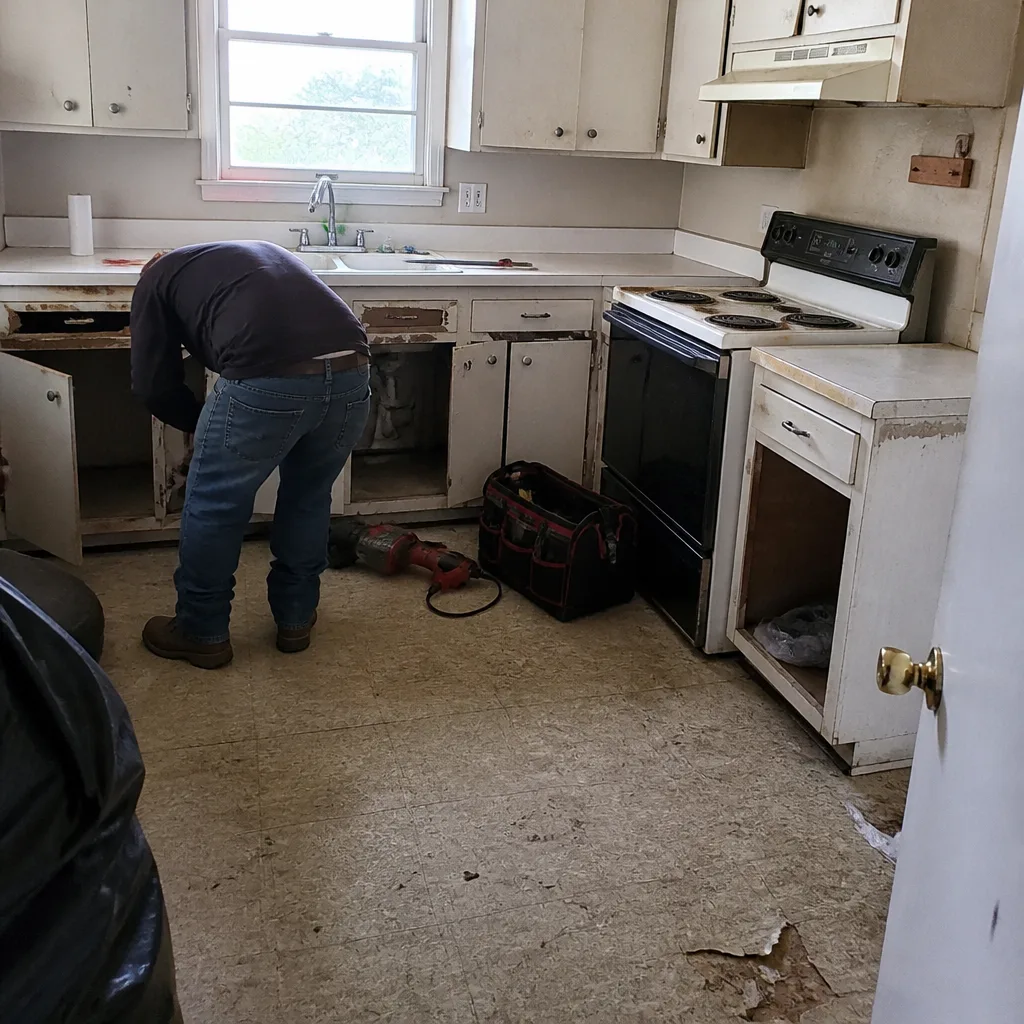 Before
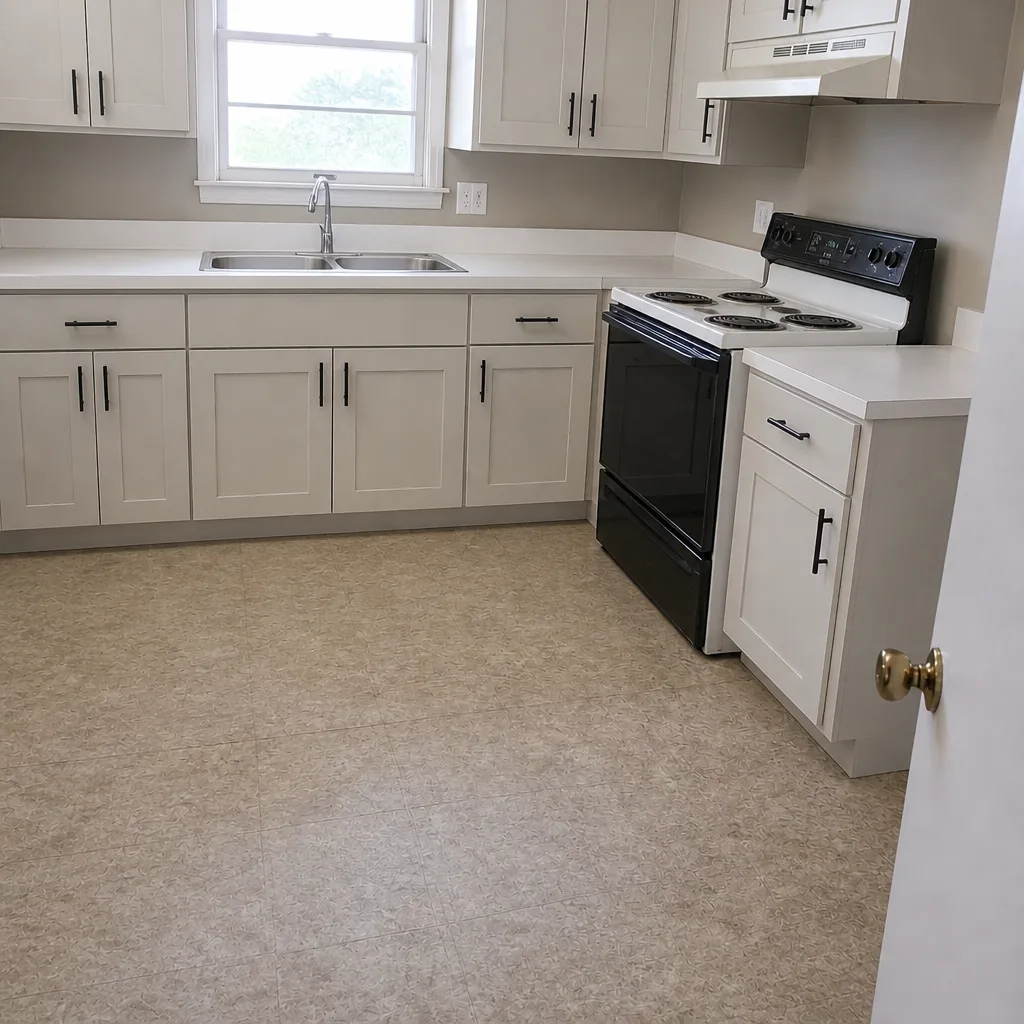 After
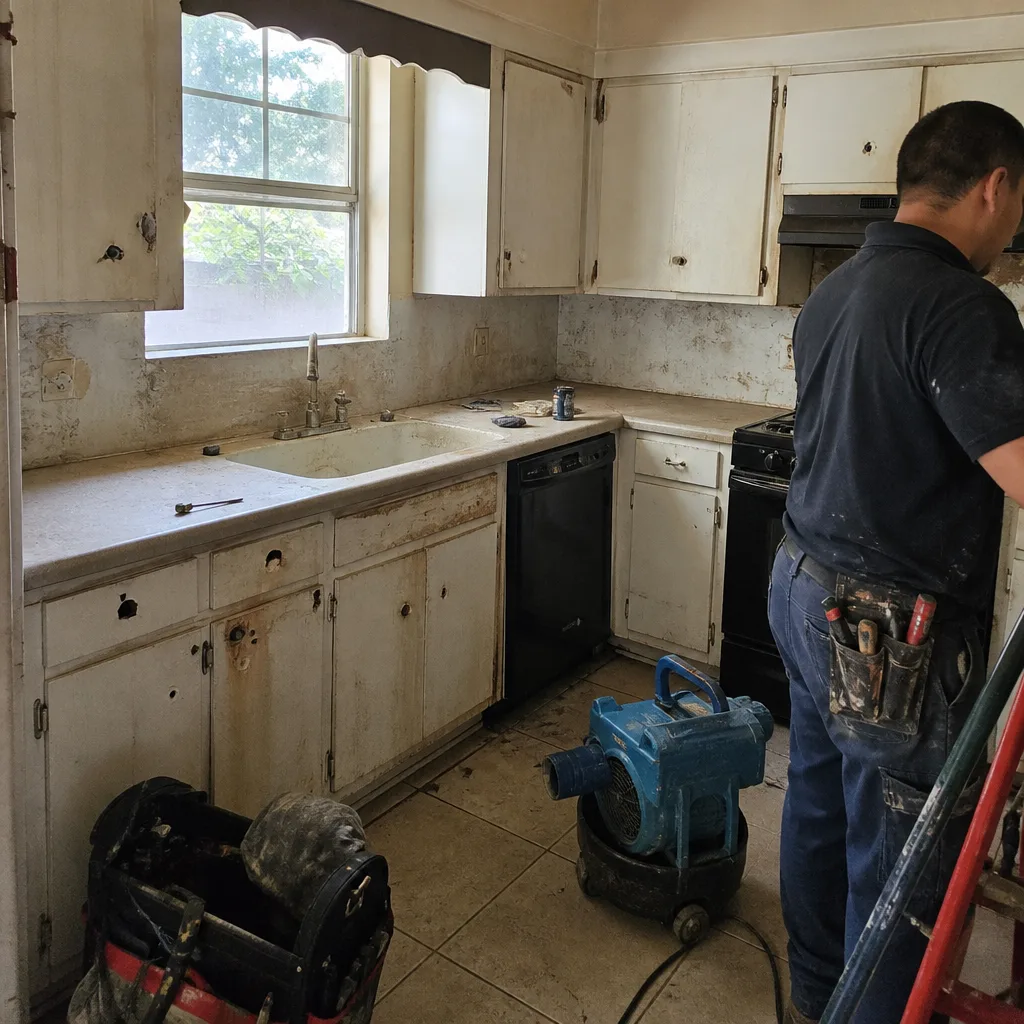 Before
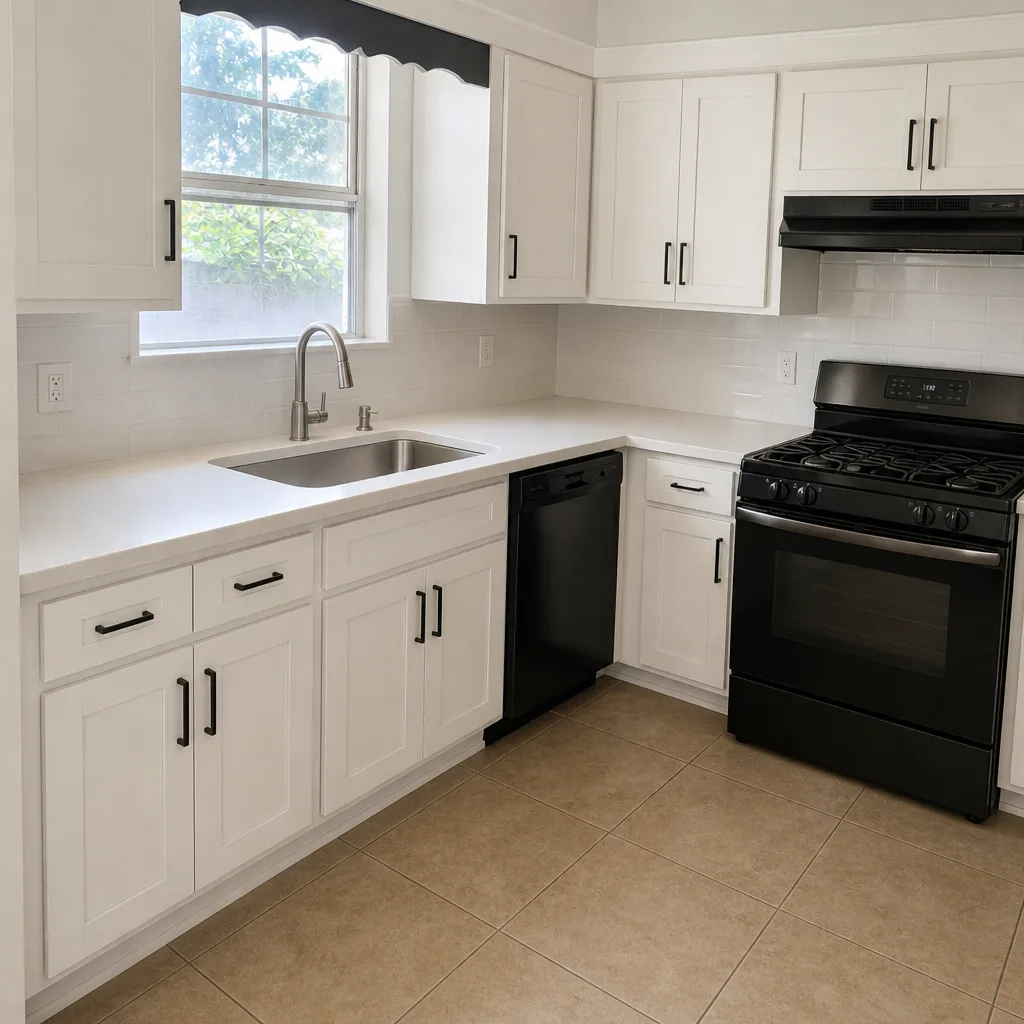 After
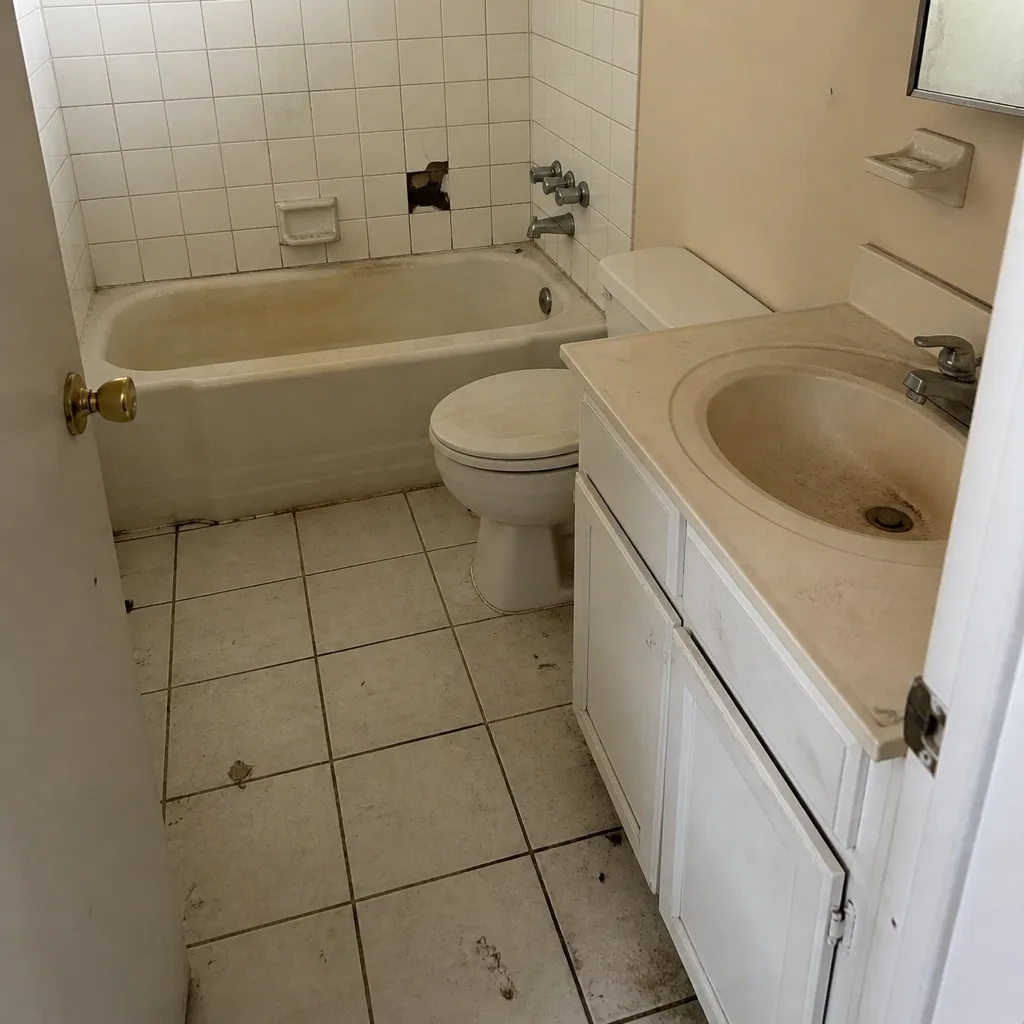 Before
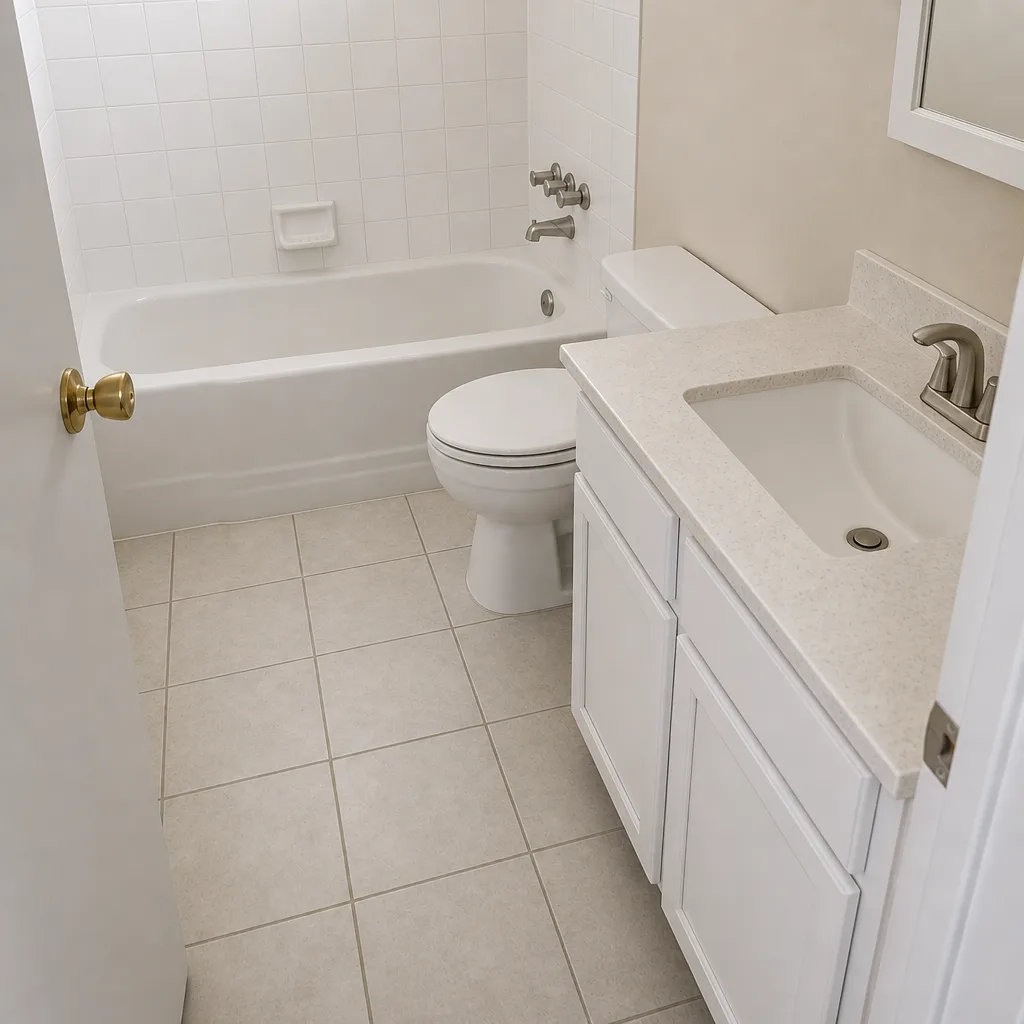 After
General Contractor vs. Handyman in Richardson, TX: Which One Protects Your Equity?
Choose a licensed general contractor for anything requiring a permit in Richardson, Texas. Use a handyman only for cosmetic repairs like painting, caulking, or replacing a faucet. The line in Texas is legal, not a matter of opinion: for structural, electrical, or plumbing work, and for any project over $10,000, a handyman can’t pull the required building permit. That single fact is what keeps a home’s equity safe. If you’re unsure which side of the line your project sits on, call Groundwork Construction Co. of Richardson at (833) 954-4985 and we’ll tell you straight.
Key Takeaways
- In Texas, a handyman cannot pull a building permit for structural, electrical, or plumbing work, or for any job over $10,000.
- Richardson’s active resale market means unpermitted work gets flagged in every TREC-compliant inspection report.
- A licensed general contractor carries bonding, insurance, permit authority, and a written warranty. A handyman typically carries only a verbal promise.
- The real difference isn’t skill. It’s accountability infrastructure.

Walk a 1960s Ranch Block in Richardson and You’ll See Why This Matters
Head down a street in the older part of the city, near the original Richardson Heights plat, and you’ll see a familiar pattern. Some blocks run with original 1950s and 1960s single-story brick ranches, many sitting on pier-and-beam foundations. Right next to them, a lot has been scraped and a two-story infill build is going up. Neighbors walk by those new builds every day. So do buyers, appraisers, and home inspectors.
That scrutiny is the whole story. In Richardson, where tear-down and infill activity means everyone around you is watching every recent alteration, unpermitted work done by a handyman on a 1960s ranch home is one of the top reasons a sale falls through during inspection. It isn’t about the quality of the handyman’s work. It’s about what happens when there is no paper trail, no inspection record, and no one legally responsible when something is wrong.
A general contractor carries that responsibility. That’s the difference worth paying for. Not always a license on a wall. The infrastructure around it: bonding, insurance, permit authority, and a warranty that exists in writing.
Where Texas Draws the Line for a Handyman (and Why It’s a Consumer Protection Rule)
Texas law limits what an unlicensed handyman can legally do. The rule that matters most for a homeowner is the permit line. A handyman cannot pull a building permit for structural, electrical, or plumbing scope, and can’t pull one at all for work over $10,000. This isn’t a gatekeeping argument or guild protection. It’s how the state tracks that a load-bearing wall was removed correctly, that a new shower was plumbed and vented to code, and that wiring behind a wall won’t cause a fire.
When the person doing the work can’t pull the permit, the work either doesn’t get inspected or gets done under the radar. Both outcomes put the risk on you, the homeowner.
- Structural changes (removing a wall, adding a beam, raising a ceiling): permit required, contractor required.
- Electrical work (new circuits, panel changes, outlets in wet areas): permit and licensed trade required.
- Plumbing work (moving drains, new bathroom fixtures, re-piping): permit and licensed trade required.
- Roofing, windows, and additions: permit required in Richardson given the city’s active infill posture and lot-coverage and setback rules.
- Cosmetic work (paint, caulk, a light fixture swap, patching drywall): a handyman’s zone, no permit needed.
Those older narrow lots in Richardson are a specific case worth knowing about. The combination of original lot sizes plus the city’s lot-coverage and setback rules means even a modest second-story addition often needs careful survey homework or a variance. A licensed contractor knows to plan that first. A handyman who says “sure, we can add a second floor” without checking the plat is telling you something important.

What “Bonded and Insured” Actually Covers When Things Go Wrong
A handyman working on a tight Richardson infill lot is often one misstep away from a problem that isn’t his to solve. A ladder tip off a new pipe-and-panel fence. A skid-steer dragging a gravel load through the neighbor’s sod. A dumpster scraping the paint off a shared driveway. When an actual subcontractor damages a neighbor’s property, the general contractor’s liability insurance responds. When an uninsured handyman does the same, the neighbor’s insurance chases you, the homeowner, and you’re negotiating a $2,000 driveway repair out of pocket.
Bonded and insured means two specific things for you. The bond is a consumer protection mechanism; if the contractor owes you money under the contract and doesn’t pay, the bond can respond. The insurance is liability coverage; if a worker or a subcontractor damages property or gets hurt on the job, the policy responds in a way a verbal promise never will. Before any handyman or contractor starts work, ask for the certificate of insurance directly addressed to you as the homeowner.
Behind that infrastructure at Groundwork Construction Co. of Richardson, our technicians have up to 12 years of experience and arrive background-checked and in uniform. That’s the visible side of an accountable operation: a named company, a written scope, and a professional who shows up.
What a Handyman Can Do Well (and What to Give to a Contractor)
We’re not going to tell you to hire a general contractor for a squeaky hinge or a fresh coat of paint in a bathroom. Handymen earn their keep on the small stuff. Here’s the honest split we’d give a neighbor over the fence.
| Job | Handyman | General Contractor |
|---|---|---|
| Interior paint, caulk, minor drywall patching | Good fit | Overkill |
| Faucet or light-fixture swap (same location) | Good fit | Overkill |
| Bathroom remodel (Small Bathroom Remodel, $5,000-$12,000) | Not legal (plumbing permit) | Required |
| Kitchen overhaul (Kitchen Remodel, $14,000-$45,000) | Not legal (electrical, plumbing, over $10,000) | Required |
| Roof replacement after a hail event (Roof Replacement, $8,000-$20,000) | Not legal (permit required) | Required |
| Home addition (Home Addition, $45,000-$130,000) | Not legal | Required |
If your project involves a permit, structural change, or a contract over $10,000, a licensed general contractor is the right call. If it’s cosmetic and small, a handyman is fine.
The Warranty Question: Verbal Promise vs. Written Terms
Ask a handyman what happens if the work fails in two years and you’ll usually get a shrug and “I’ll come back and look at it.” That’s a hope, not a guarantee. Ask a licensed general contractor and you should get specific terms in writing, tied to the contract, enforceable if it comes to that.
Every project we complete is covered by the 730-Day Done Right Promise: if it’s not done right, we make it right. Two full years on workmanship. That’s concrete, in writing, and backed by the company rather than a person’s word. When a roof under IKO or Atlas shingles starts to leak at the pipe boot in the third summer, the difference between a phone call that gets answered and a phone number that’s been disconnected is the entire reason to hire a firm.
Why Unpermitted Work Hurts You at Resale in Richardson
Richardson’s resale market is active, and buyers bring inspectors. A TREC-compliant inspection report will flag unpermitted work: a bathroom that clearly had plumbing moved without a permit, a load-bearing wall that’s been opened up with no engineering, a garage converted to living space with no record. Once it’s flagged, three things happen:
- The buyer asks for a price reduction, often far exceeding what the permit would have cost.
- The appraisal can come in lower because the improvement isn’t legally counted as livable square footage.
- Title insurance gets complicated if there’s no permit trail for a structural change.
Pull a permit and keep the inspection record, and none of that surfaces. It’s a boring detail that protects the biggest asset a homeowner owns.
FAQs
A general contractor can pull building permits, carry bonding and insurance, coordinate licensed trades, and back the work with a written warranty; a handyman cannot legally pull permits for structural, electrical, or plumbing work, or for jobs over $10,000. In practice the difference isn’t skill on small jobs. It’s which one can take legal responsibility for work that touches your home’s structure, systems, or resale value. If your project crosses those lines, call Groundwork Construction Co. of Richardson at (833) 954-4985 for an exact scope and free estimate.
Not if the work involves moving plumbing, adding electrical, or totals more than $10,000, because those scopes require a permit that a handyman can’t pull. A small cosmetic refresh (paint, fixture swaps in place, new caulk) is fine. Anything that moves a drain, adds a circuit, or expands a walk-in shower crosses into contractor territory. A Richardson bathroom remodel typically runs $9,000-$28,000, and a Small Bathroom Remodel $5,000-$12,000; both are above the handyman line. Call (833) 954-4985 to price your specific bathroom.
Does a handyman need to be bonded and insured in Richardson?
Yes, and you should ask for it whether the job is a handyman tap or a full contractor scope. Texas doesn’t require a statewide handyman license, so the certificate of insurance and bond are your only real verification of coverage. On a tight infill lot where a neighbor’s fence or driveway is inches away, the coverage matters: an injured worker or a neighbor’s damaged property falls on the contractor’s policy, not yours. Groundwork carries bonding and insurance on every project and answers live, 24/7, at (833) 954-4985 if you have coverage questions before you hire.
Skipping a permit rarely saves money in Richardson, because unpermitted work gets flagged in the TREC-compliant inspection report when you sell, which reduces appraisal value and complicates title insurance. The permit cost is usually a small fraction of the price reduction a buyer will demand. Beyond resale, an unpermitted structural or electrical change is a real safety risk to your family. If you want the job done right and documented, call (833) 954-4985 for a free estimate and design consult; we handle the permit process from the survey to final inspection.
Get It Looked At Before You Decide
If you’d rather have it looked at instead of guessed at, Groundwork Construction Co. of Richardson offers a no-pressure assessment in Richardson. We’ll tell you honestly whether your project needs a licensed contractor, a handyman, or nothing at all. Call (833) 954-4985 for a free estimate and design consult, backed by upfront pricing and the 730-Day Done Right Promise.
Planning a bigger project? Explore our home page for the full scope of what we build.
Written by the team at Groundwork Construction Co. of Richardson, serving Richardson, TX.