



Free written scope consultation - allowances, timeline, and change-order rules on paper before a single trade is scheduled
Styles & brands we work with
- Kitchen remodeling
- Bathroom remodeling
- Home additions & ADU
- Roofing
- Windows & doors
- Driveway & pavers
- Fence
See the difference
 Before
 After
 Before
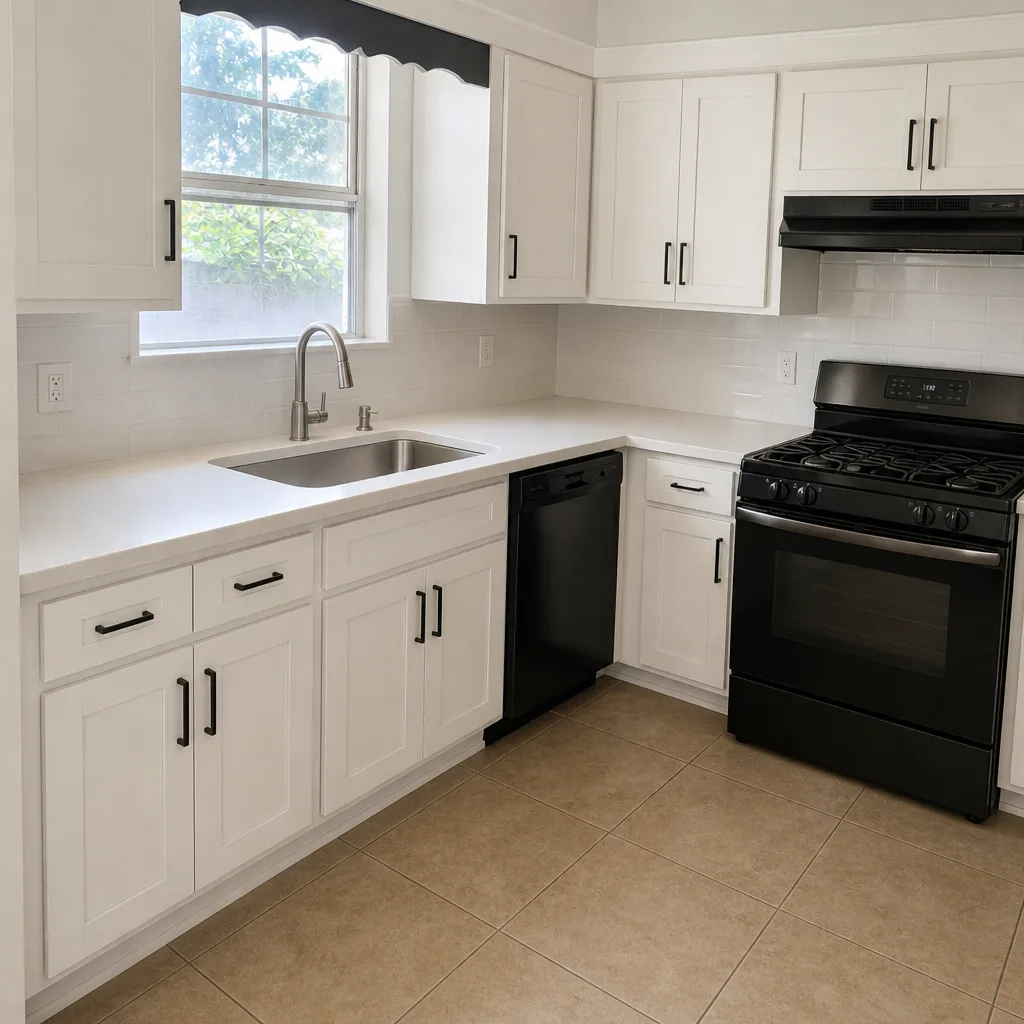 After
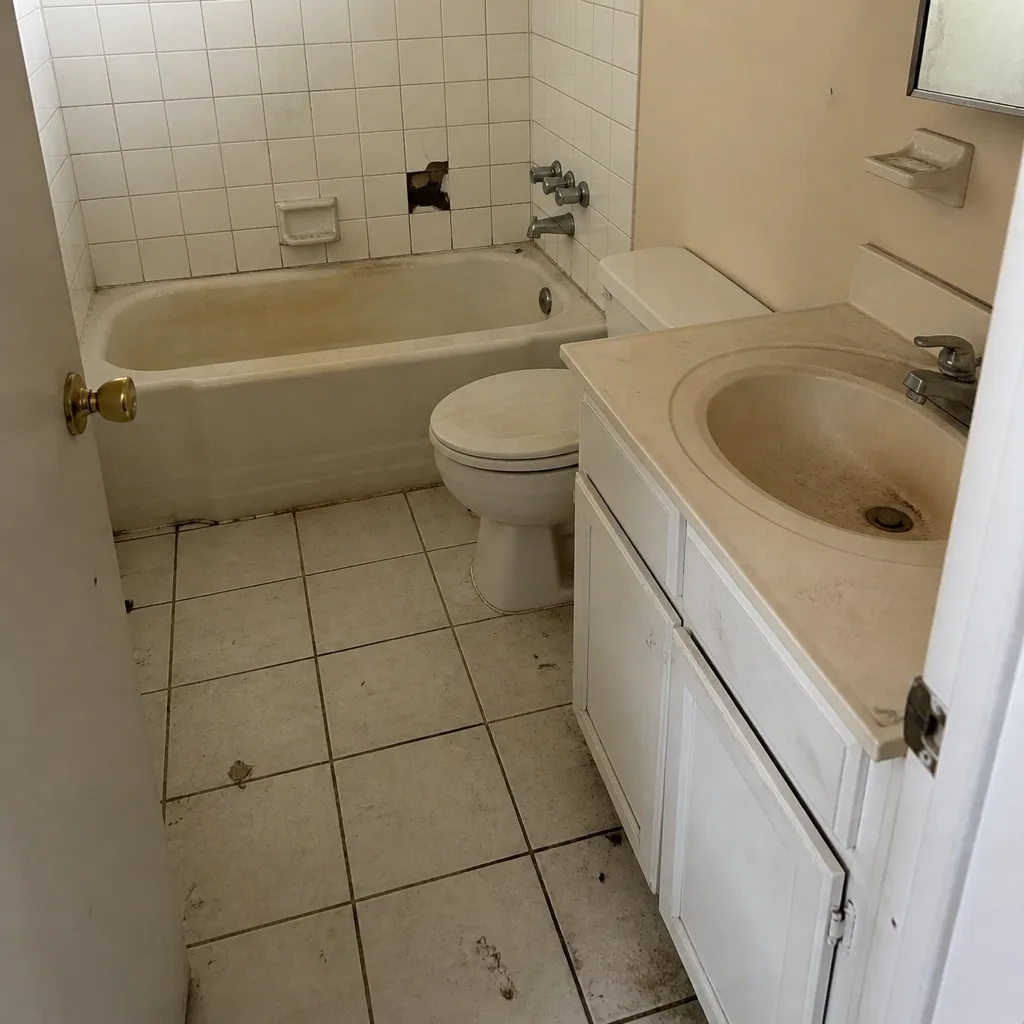 Before
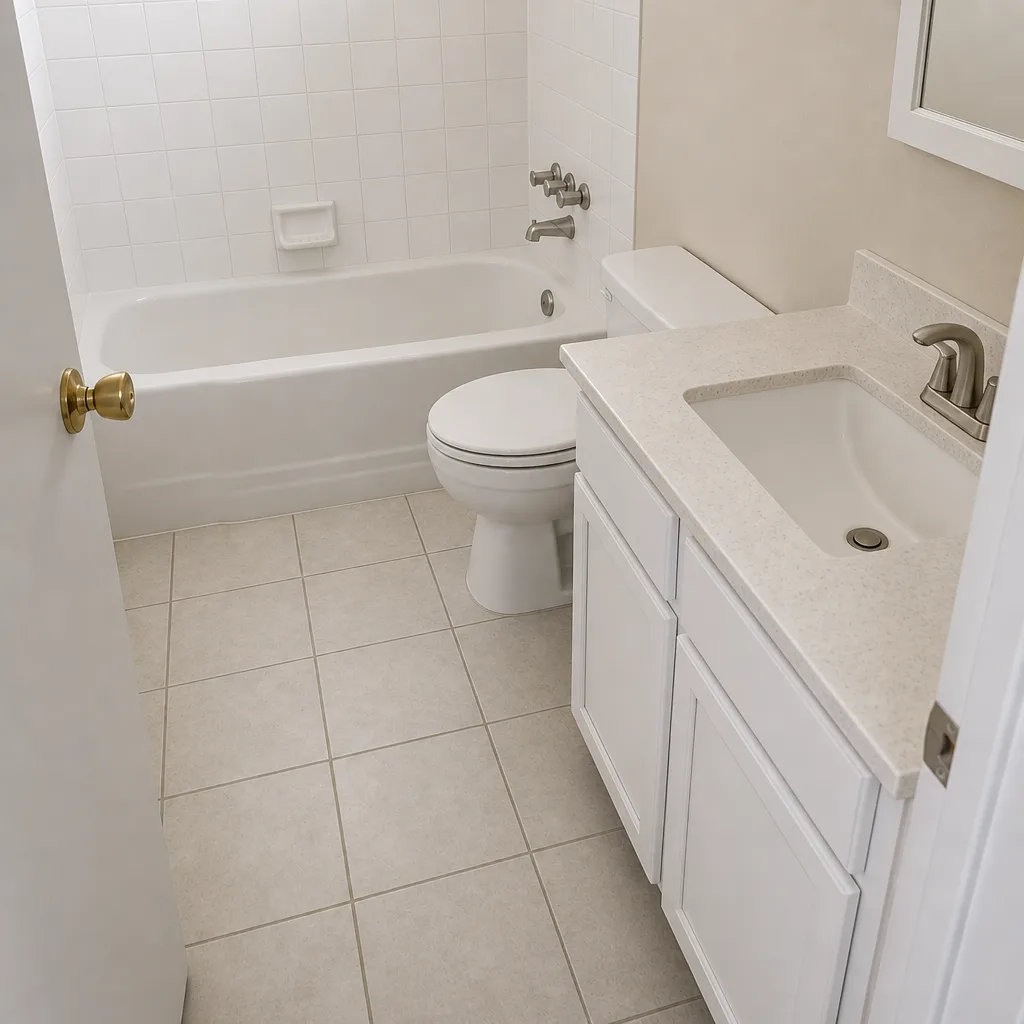 After
What Causes Roof Leaks in Richardson, TX? Four Points That Start Most of Them
Roof leaks in Richardson almost always start at the flashings, not the shingles: the rubber or lead collar on a plumbing vent boot, the step flashing where a chimney meets the roof, the wall transition on an addition or dormer, and the valley metal where two planes meet. Hail gets blamed because that’s what homeowners remember, but three of those four failure points have nothing to do with the last storm. If you’re chasing a ceiling stain right now, call (833) 954-4985 and we’ll tell you what we’d check first.
Richardson’s housing stock explains most of the pattern. The city’s core is 1950s-1970s single-story brick ranch homes, plenty of them on pier-and-beam foundations, with new two-story infill going up on the same narrow lots. That mix produces a specific set of leak calls we see over and over, and they’re worth understanding before you pay anyone to get on your roof. Groundwork Construction Co. of Richardson handles roofing across the city, and the diagnosis below reflects what we actually find on these blocks.

Four Things We Find Before We Ever Blame the Shingles
When a homeowner calls about a stain on the ceiling, the shingle field is the last place we look. Here’s the order of frequency on Richardson’s mid-century ranch homes:
- Pipe boot collar failure. The neoprene or lead collar around a plumbing vent stack cracks and pulls away over time. On these homes the original stacks are often still up there. A split collar lets water run straight down the pipe into the attic.
- Chimney step flashing separation. The small metal pieces that step up the chimney’s side work loose from the mortar joints as the house moves. Water slips behind them and tracks sideways along the framing.
- Roof-to-wall transition failure. Where a roof meets a brick wall, an addition, or a dormer, the counter-flashing and kick-out flashing have to shed water away from the wall. When that detail is wrong or worn, water gets behind the brick veneer.
- Valley metal corrosion or seam separation. The metal channel where two roof planes meet carries a lot of water. Corroded or separated valley metal leaks in a heavy rain even when everything else looks fine.
None of these show up in a photo of your shingles. They show up when someone gets into the attic with a light and traces the water back to its entry point. That’s the difference between fixing a leak and patching a symptom.
Why Does Clay Soil Cause Roof Leaks in Richardson?
Because Richardson sits on expansive Blackland Prairie clay, and that clay swells when it’s wet and shrinks when it dries. That cycle repeats every year, and it moves the foundation slightly with it. The roof doesn’t stay perfectly still while the brick walls move. The transition points – the step flashing at the chimney, the flashing where the roof meets a vertical brick wall – take that movement on every cycle.
So the flashing pulls away from the mortar, or a sealant joint opens a hairline gap. It’s a structural cause, not a material failure. This is why replacing shingles on a Richardson ranch home sometimes fixes nothing: the leak was never in the shingles. It was at the joint where two parts of the house move differently.
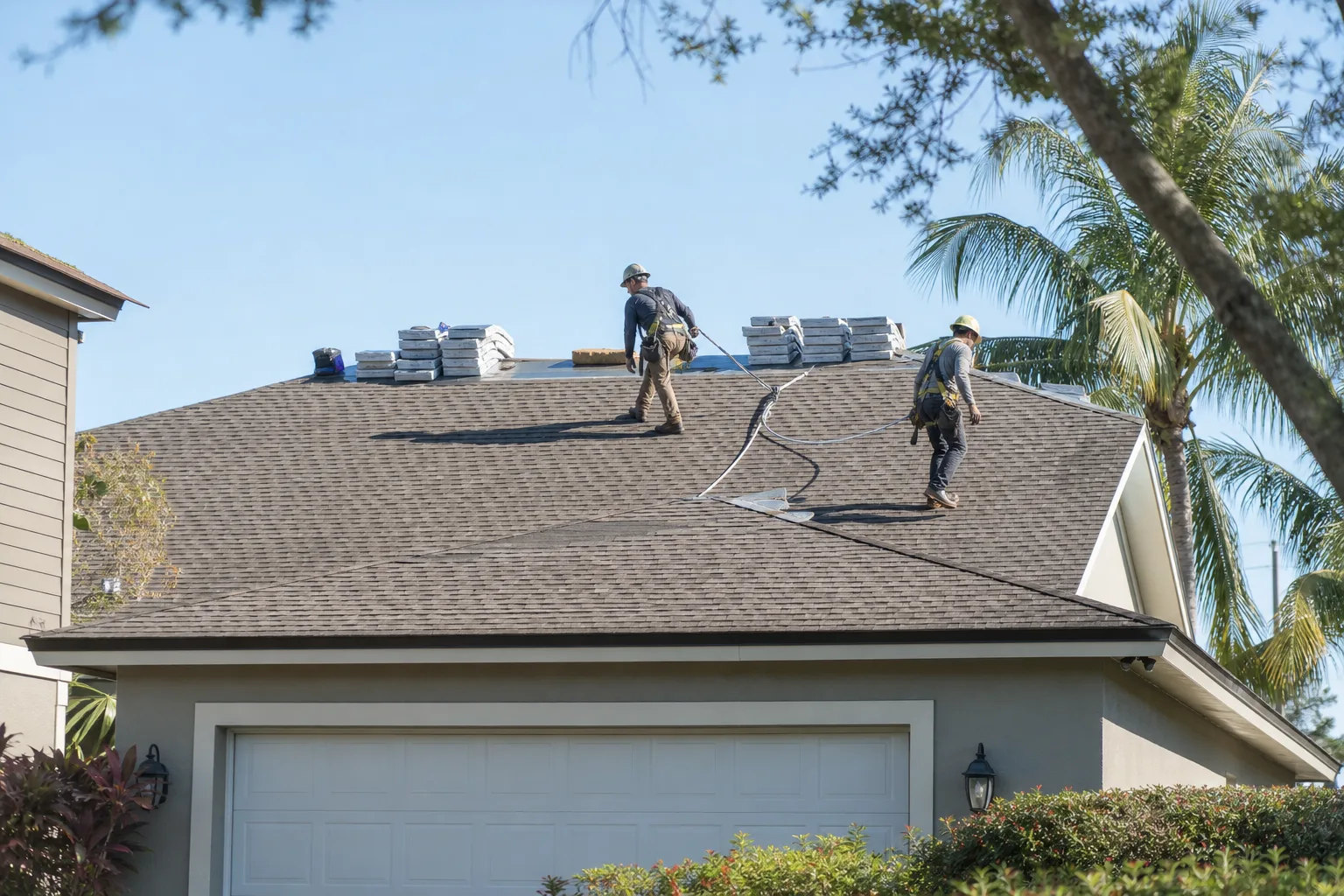
The “New Roof, Old Flashing” Problem
After a hail event, a lot of Richardson homeowners replaced the shingles and kept the original flashings to hold the cost down. It’s understandable, and it happens constantly. The problem is that the new shingles are fine and the leak points are forty years old.
When we inspect a roof that was re-shingled a few years back, we look hard at the flashings first. If the pipe boots, step flashing, and valley metal are original, the shingles bought you a fresh surface but left the actual failure points in place. That’s how you end up calling a roofer twice for the same leak. When we do a Roofing replacement, the flashing details are part of the scope, not an afterthought, and the work is backed by the 730-Day Done Right Promise.
How Do North Texas Freeze-Thaw Cycles Get Water In?
Richardson averages roughly 10 to 15 freeze events per winter, and that’s enough to do real damage at the joints. Water works into a micro-crack in a pipe boot or behind a piece of step flashing, then freezes overnight, expands, and opens the gap a little wider. It thaws the next day and the cycle starts again.
This is different from a sustained-cold climate where ice dams build up for weeks. Here it’s the repeated expansion and contraction that quietly widens the opening. By the time you see a stain inside, the gap has been growing for a couple of seasons. North Texas heat does its own damage too, baking the rubber collars until they crack, which is why pipe boot failures top our list.
What Roof Leak Repair Costs in Richardson
Most of these four causes are repairable without a full roof replacement, and the price depends on which one you’re dealing with. Here’s what roof work runs in the Richardson market:
| Service | Typical Range |
|---|---|
| Roof repair (flashing, boots, minor leaks) | $400-$1,800 |
| Tile roof repair | $600-$2,500 |
| Full roof replacement | $8,000-$20,000 |
| Metal roof installation | $15,000-$40,000 |
Upfront pricing means the number you see is the number you pay. If a repair makes more sense than a replacement, we’ll tell you, and if a full replacement is the honest answer, the estimate covers the flashing details that caused the leak in the first place. For more on how we handle roofs across the city, see our Richardson service area page.
Why It Matters Who Walks Through Your House
Diagnosing a leak often means going into the attic and sometimes checking interior walls from inside the home. That’s a real reason to know who’s coming over. Every Groundwork technician is background-checked and arrives in uniform. When we’re tracing a leak from the attic to a ceiling stain, you’re not guessing who’s in your house. Our technicians have up to 12 years of experience, and we use proven material partners like GAF and Owens Corning on the roofing side, plus Boral and PGT where those products fit.
FAQs
Pipe boot collar failure is the single most common leak we find on Richardson’s ranch homes, because the original neoprene or lead collars crack and pull away with age. A split boot sends water straight down the vent pipe into the attic. Call (833) 954-4985 for an exact diagnosis and a free estimate.
Because the leak is usually at a flashing point, not the shingle field, so the shingles can look perfect while water gets in at a chimney, a wall transition, or a valley. The last hail storm gets blamed, but the flashing may have been failing for years. Call (833) 954-4985 and we’ll trace it to the actual entry point.
A targeted repair is almost always cheaper – flashings and pipe boots commonly run $400-$1,800 in Richardson, while a full replacement ranges $8,000-$20,000. Repair is the right call when the shingles still have life. Call (833) 954-4985 for a free estimate and a straight answer on which one fits your roof.
Our calls are answered by a live person 24/7, so you reach a real human whenever you call, and we can talk through what you’re seeing and set up an assessment. A leak that’s actively dripping deserves a fast look. Call (833) 954-4985 to get it scheduled.
If you’d rather have it looked at than keep guessing at the cause, Groundwork Construction Co. of Richardson offers a no-pressure assessment in Richardson – call (833) 954-4985. We’ll find the leak point, explain what caused it, and quote it upfront before any work starts.
Written by the team at Groundwork Construction Co. of Richardson, serving Richardson, TX.