



Free written scope consultation - allowances, timeline, and change-order rules on paper before a single trade is scheduled
Styles & brands we work with
- Kitchen remodeling
- Bathroom remodeling
- Home additions & ADU
- Roofing
- Windows & doors
- Driveway & pavers
- Fence
See the difference
 Before
 After
 Before
 After
 Before
 After
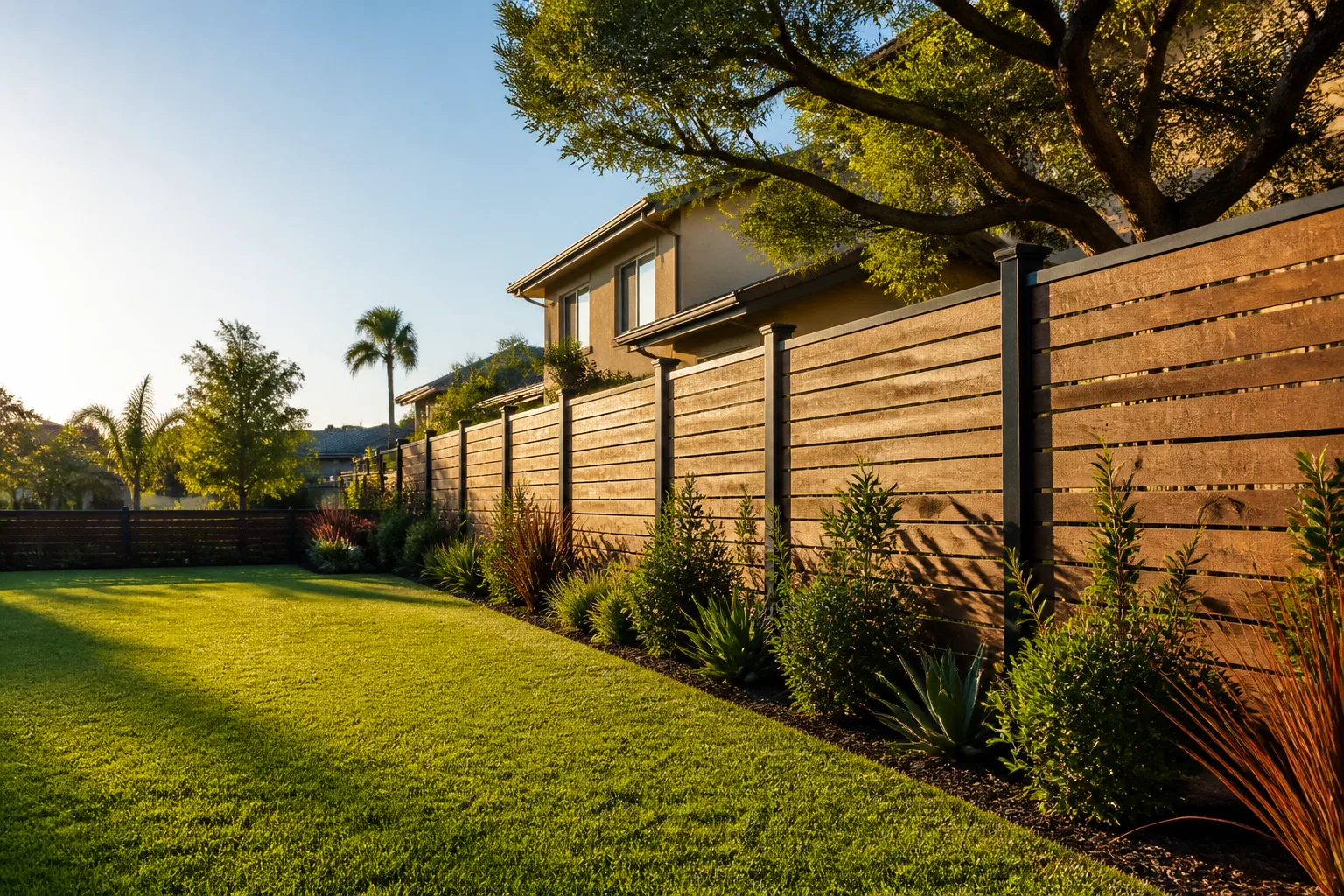
How to Stain a Wood Fence in Richardson, TX: Timing Beats Technique Every Time
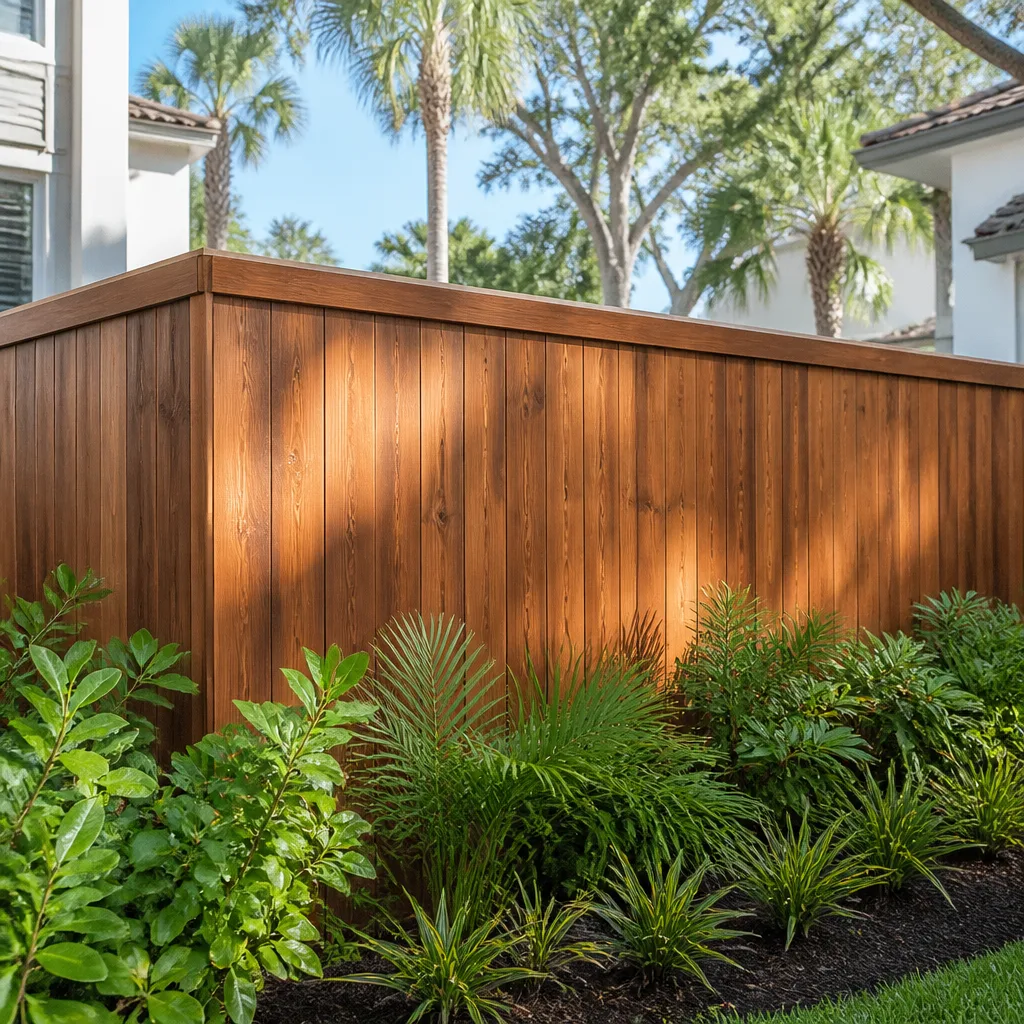
The short answer: clean the wood, let it dry completely, and apply a penetrating oil stain within the right weather window for North Texas – late September through mid-November, or March before UV climbs. The single biggest mistake we see in Richardson is staining in July, when 100°F surface temperatures cause oil-based stains to flash-dry before they soak in and UV degrades the topcoat within one season. Get the timing right and a proper stain job runs $3,500-$9,000 for a full residential fence here. Want it handled? Call (833) 954-4985.
Why the Obvious Choice – Summer – Is the Wrong One
Fence wood looks bone-dry in August. It feels like the perfect moment to seal it. It isn’t. North Texas surface temperatures on a sun-facing cedar board routinely push past 100°F by mid-morning, and oil-based stain starts curing on contact. Instead of soaking into the grain, it skins over. You end up with a coat sitting on top of the wood rather than inside it, and the first hard rain gets underneath.
UV intensity is the second half of the problem. A summer application takes the full brunt of Texas sun from day one, and the topcoat breaks down inside a single season instead of holding for the two to three years a properly timed job delivers. This is a climate-specific failure mode that generic stain guides simply don’t address, because most of them are written for milder zones.
Groundwork Construction Co. of Richardson has watched this play out on block after block. A fence stained in June and one stained in late October, both with the same product, age very differently by the following spring.
The Richardson Application Windows That Hold
Two windows work in this climate. Pick one and build your schedule around it.
- Late September through mid-November. Hail season is behind you, humidity has dropped, and daytime temps sit in the 70s and low 80s – ideal for penetration and even curing. This is the better window.
- March, before peak UV. Also viable, but you’re racing the sun. Get it done early in the month and avoid any morning with dew still sitting on the boards.
What to avoid: July and August entirely, and any day within 48 hours of rain. Wood moisture content should be under 15% before you apply – a moisture meter is worth the $30. Skip the freezing months too; stain won’t cure below about 50°F.
While we’re on scheduling: spring is also when Richardson’s violent hail and wind events hit, and that’s when fence repair calls spike. If a storm has loosened pickets or cracked rails, fix the structure before you stain over it. Our Fence Installation team handles both the repair and the replacement side if the damage is beyond a patch.
The Clay-Soil Complication Nobody Mentions
Richardson’s expansive clay soil is the reason the bottom of your fence fails first. Those boards wick ground moisture upward, and the bottom 12 inches stay damp far longer than the rest of the fence. Stain alone won’t stop that – moisture pushes through and lifts it from behind.
The fix: treat the bottom 12 inches with a penetrating water repellent before you stain, and keep the boards from sitting directly against the soil. On the older 1950s-60s ranch blocks around the original Richardson Heights plat, we regularly see fences where the bottom rail has rotted out while the rest of the wood is sound. A little prep at grade level adds years.
Cedar vs. Pressure-Treated Pine: Match the Product to the Wood
Most fences in Richardson are one of two materials, and they want different products.
| Wood Type | Recommended Product | Reapplication |
|---|---|---|
| Cedar | Penetrating oil stain (semi-transparent) | Every 2-3 years |
| Pressure-treated pine | Penetrating oil or film-forming acrylic, after full cure | Oil: 2-3 yrs; Film: 3-5 yrs |
Penetrating oil stains soak into the grain and don’t peel – they fade, which is far easier to manage. Film-forming stains last longer on paper but will blister and flake if moisture gets behind them, and in this climate that’s a real risk. On cedar, oil is the clear winner. On pressure-treated pine, give new boards six months to cure before staining at all, or the treatment chemicals repel the product. We use verified material brands across every job, so you’re choosing quality, not whatever’s on the shelf.
The long game matters here. A wood fence in this climate tops out around 15-20 years, and staining every 2-3 years on the correct schedule is the single highest-return maintenance move to reach the upper end of that. Skip it and you’re replacing boards at year eight. If you’re weighing a fresh build against a refresh, see our Fence Installation in Richardson page, or browse the full range of home services we cover.
Doing It Yourself vs. Calling It In
A single fence run is a weekend project for a careful homeowner. Prep is the whole job – power-washing, letting it dry 48 hours, masking hardware, and working in even coats with the grain. What catches people is the size: a 150-foot fence means a lot of vertical square footage, and an uneven first coat shows for years.
If your fence is older, rotted at the base, or you’re not sure the wood is sound under the stain, an assessment first is worth it. A full residential staining and prep job in Richardson typically runs $3,500-$9,000 depending on length, condition, and material. Every project we take on is wrapped in our 730-Day Done Right Promise – if it isn’t done right, we make it right. Our technicians have up to 12 years of experience, arrive uniformed and background-checked, and calls are answered by a live person 24/7.
FAQs
Late September through mid-November is the best window, followed by early March before UV peaks. Summer application fails here because 100°F surface temperatures flash-dry oil stain before it penetrates, and the UV load breaks down the topcoat within one season. Call (833) 954-4985 to get on a fall schedule – estimates are free.
Most residential fence staining in Richardson runs $3,500-$9,000, including prep, cleaning, and the bottom-rail moisture treatment. Price depends on linear footage, wood type, and how much prep the fence needs. We offer upfront pricing so the number you see is the number you pay – call (833) 954-4985 for an exact quote.
Every 2-3 years with a penetrating oil stain on the correct seasonal schedule. Film-forming products claim longer life but blister faster here because of moisture cycling and clay-soil wicking at the base, so we lean toward penetrating oils in this climate. Call us to check whether your current coating needs a top-up or a full strip and redo.
Repair first if the damage is isolated to rails, pickets, or the bottom rail – replace the whole fence only when posts or multiple sections are rotted through. Staining over failing wood wastes the product. We’ll tell you honestly which side you’re on, and our 730-Day Done Right Promise covers the work either way. Call (833) 954-4985 for a walkthrough.
Get It on the Calendar Before the Window Closes
If you’d rather have it looked at, Groundwork Construction Co. of Richardson offers a no-pressure assessment in Richardson – call (833) 954-4985. We’ll check the wood’s condition, confirm the right window, and give you an upfront price. Free estimates, 0% financing for 18 months, and $1,000 off projects over $10,000.
Written by the team at Groundwork Construction Co. of Richardson, serving Richardson, TX.