Free written scope consultation - allowances, timeline, and change-order rules on paper before a single trade is scheduled
Styles & brands we work with
- Kitchen remodeling
- Bathroom remodeling
- Home additions & ADU
- Roofing
- Windows & doors
- Driveway & pavers
- Fence
See the difference
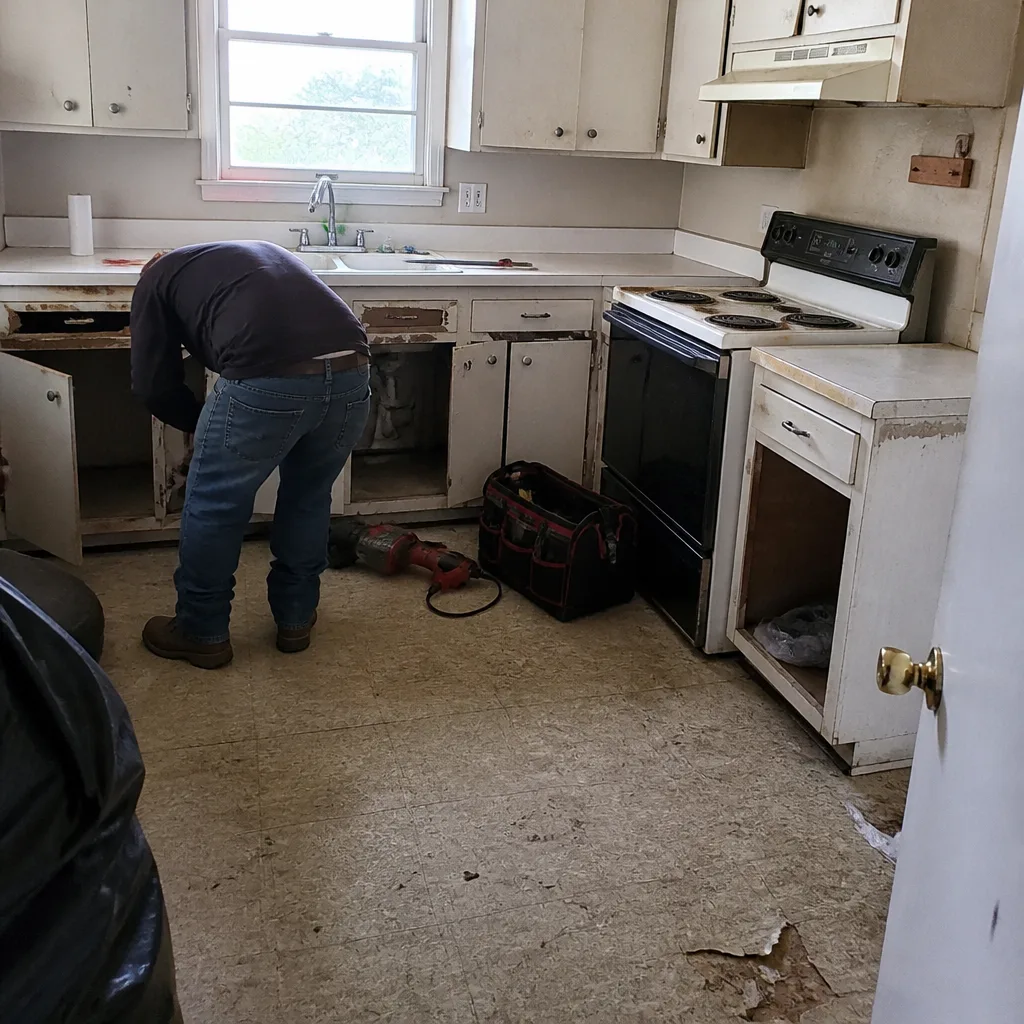 Before
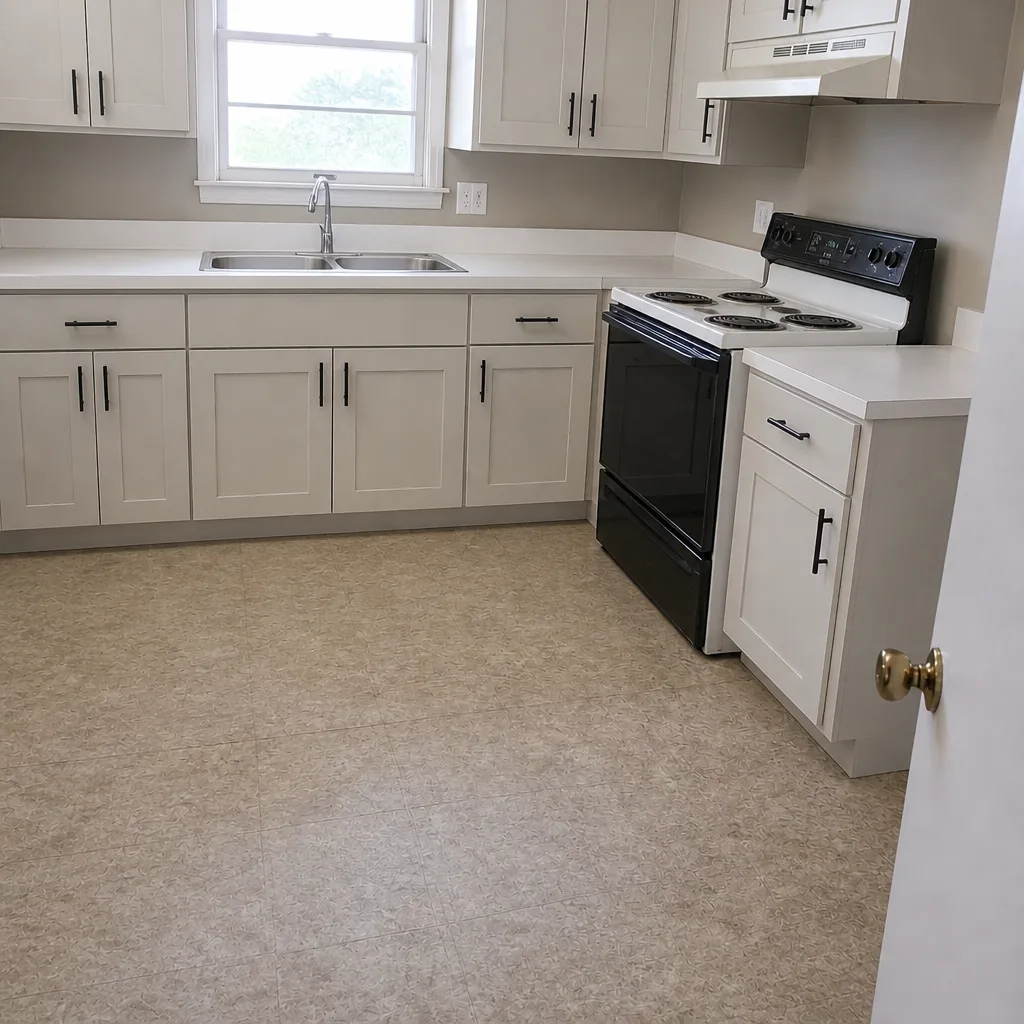 After
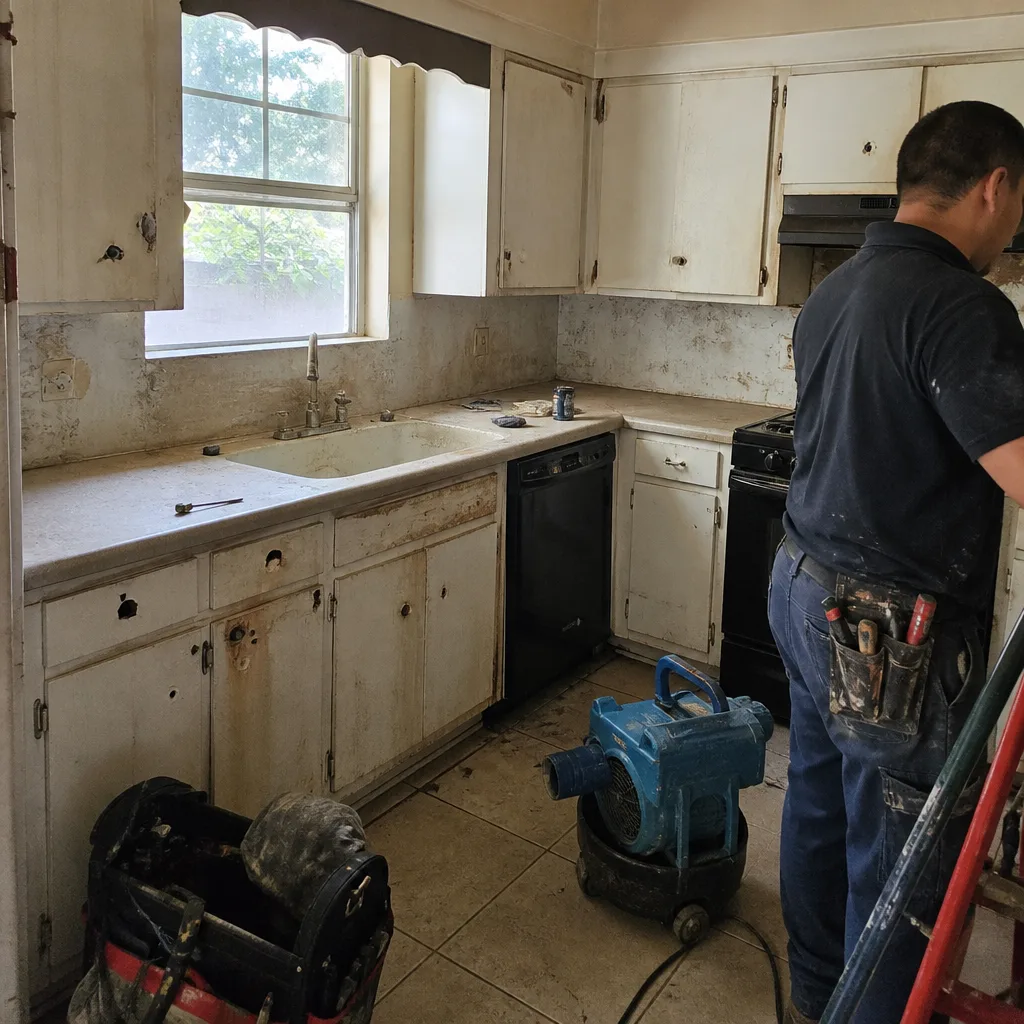 Before
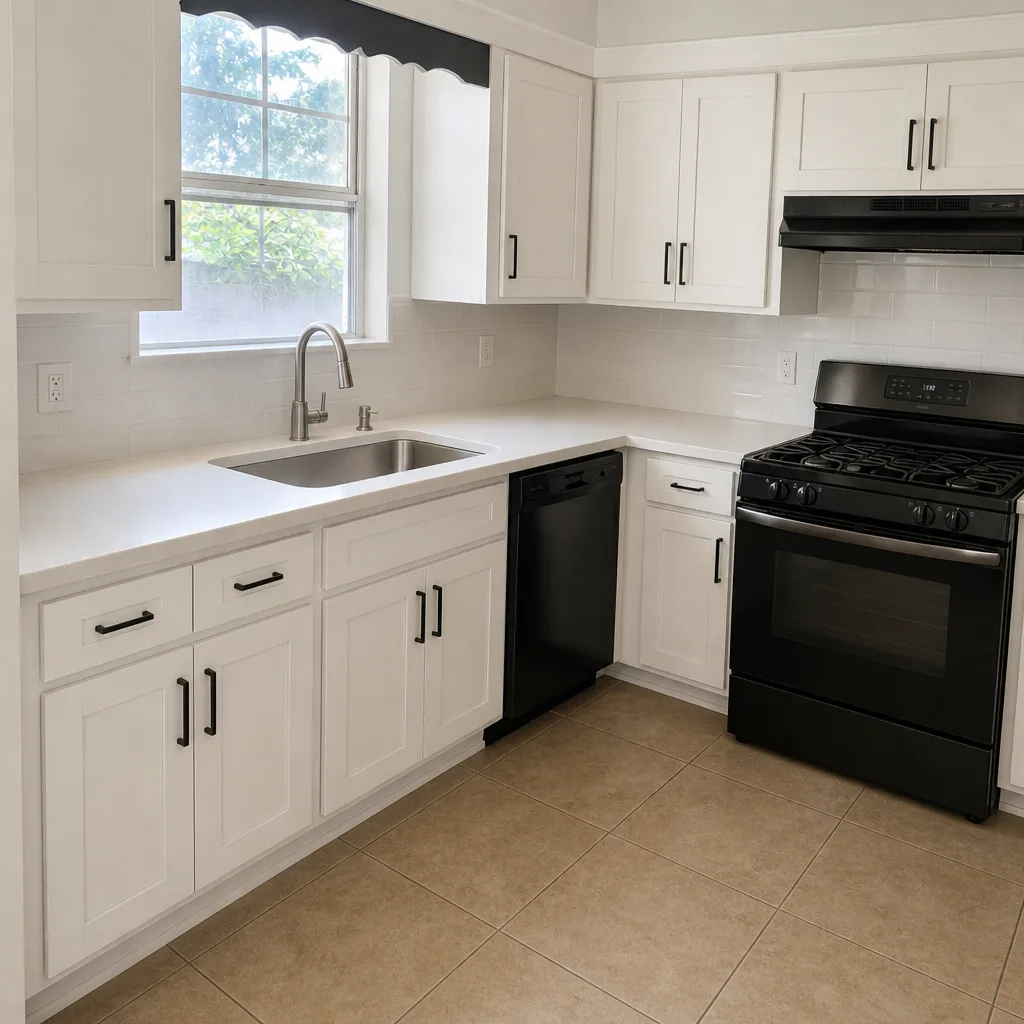 After
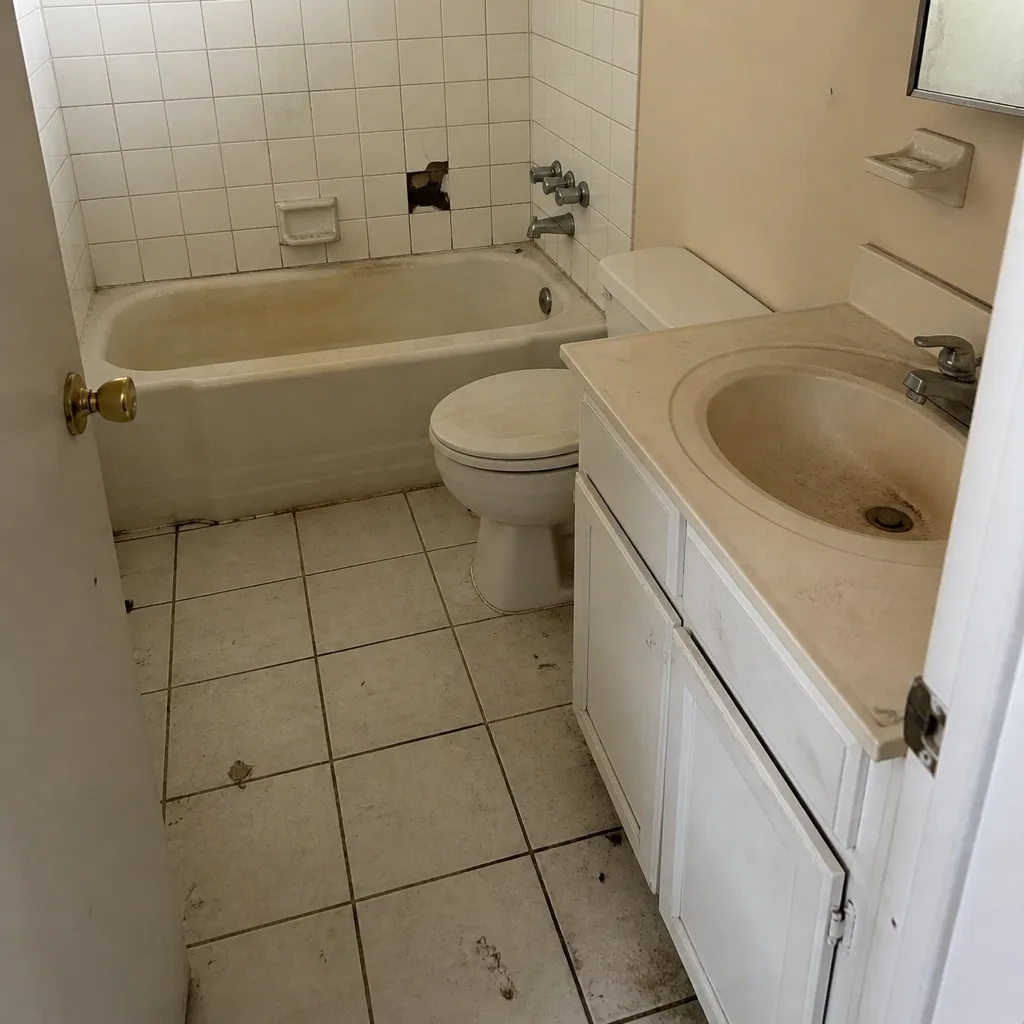 Before
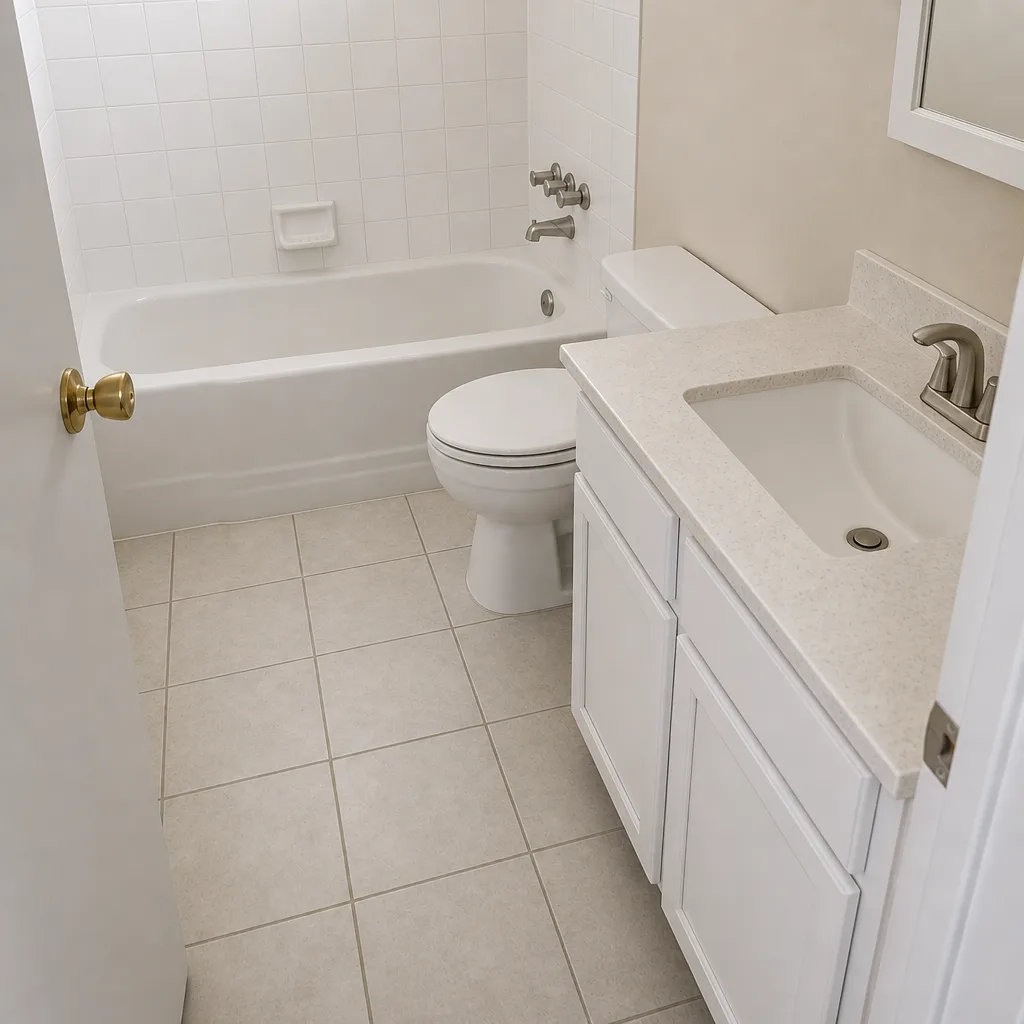 After
When to Seal a New Asphalt Driveway in Richardson, TX: The Climate-Adjusted Timeline
The short answer for Richardson is to seal new asphalt the following spring, roughly April through mid-May, once pavement surface temperatures stay below 90°F at application time and the clay beneath the slab has settled through a full wet-dry cycle. Most general guides say to wait 90 days. That calendar advice was written for cooler, more geologically stable regions, and applied to Richardson’s expansive clay it can cost you your driveway surface. Double-digit heat and soil that never stops moving change the math today, and we’re going to explain exactly why.
Groundwork Construction Co. of Richardson builds and paves driveways across this city, and we watch the same failure pattern repeat on new slabs. Call (833) 954-4985 if you want a straight read on your specific driveway before you seal anything.
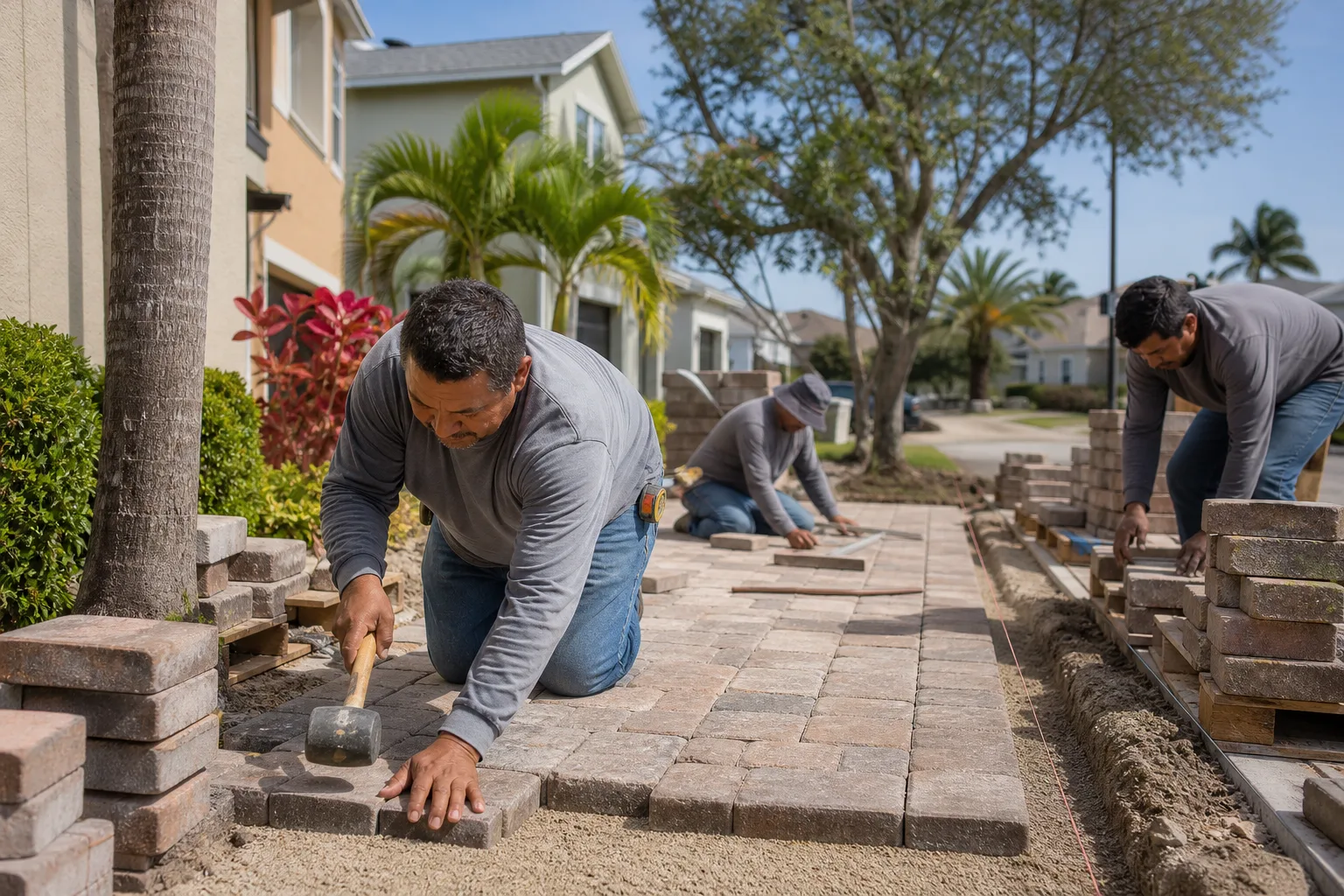
Why the Standard 90-Day Rule Falls Short in North Texas
New asphalt is a solvent-laced material, and it needs time for the light oils to cure off before you trap them under a sealcoat. A 90-day window assumes steady mild weather. Richardson gets neither. Sometime in the first week of July, the pavement surface climbs past 150°F, because asphalt absorbs and holds solar heat far more aggressively than air temperature suggests. That heat cures the top layer quickly while the lower material lags, and sealant applied onto that unevenly cured surface locks in migration stress.
The bigger problem is underneath. Richardson sits on expansive clay, and a good portion of the older ranch stock near Central Expressway, much of it on pier-and-beam foundations from the 1950s through the 1970s, sits on lots that have been graded, trenched for utilities, and regraded more than once. That clay swells with spring rain and shrinks through summer drought. A new asphalt driveway laid over it micro-moves for months. Seal it at day 90, in the middle of that movement, and the sealant film cracks as the slab flexes, then water gets in and the whole surface breaks down from the inside out.
The two failures you can avoid
- Sealing too early: traps flex stress and uncured oils. You get sealcoat cracking and alligatoring within one season, often right over a clay seam.
- Sealing too late: UV oxidation starts on pavement already stressed by soil movement. The gray takes hold and doesn’t reverse; you lose the binder before the seal ever protects it.
The right answer is a threshold, not a countdown. Temperature, soil moisture, and visible surface condition tell you more about readiness than a calendar ever will.
The Richardson Seasonal Sealing Calendar
Work backward from the heat. If your driveway was laid in September or October, the ideal seal window is the following April through mid-May, before summer sets in. That sequence gives the asphalt one full cool season to cure, lets the clay cycle through winter wet and early-spring dry, and gets the sealcoat down while morning temperatures are still in the 60s and 70s. Sealcoat that goes on during the April-May window bonds hard before the first 100°F day arrives, and it’s the difference between a driveway that holds its color for six or seven years and one that fades in two.
Laid in late spring or early summer? Then you’re waiting until the following fall, September into October, once the pavement has cured through a full hot season and the soil has settled. Don’t let anyone seal a July pour in September of the same year just because the calendar flipped. The lower material is still working.
What our crews check before we recommend sealing
Application conditions matter as much as the month. We won’t apply sealcoat if rain is in the forecast within 24 hours, if pavement surface temperature reads above 90°F, or if the slab shows active edge movement. In Richardson, violent spring hail and wind arrive with little warning, so scheduling around a clear two-day forecast is part of the job, not an afterthought.
Three Visual Cues Your Driveway Is Ready, Regardless of Date
The calendar is a starting point. Your pavement gives you better signals than any date on a wall. Here’s what we look for when we walk a Richardson driveway and decide whether it’s ready.
- Color shift: new asphalt is deep black. As it cures, it lightens to a gray-green. That shift is the binder curing and the surface reaching a stable state you can safely seal.
- Edge separation under 1/8 inch: a hairline is normal settling. Separation wider than that at the pavement edge means the base is still moving, and sealant over active movement is wasted money.
- A stable crack pattern across the expansion joints: if the joints are holding a consistent line with no new webbing, the slab has finished its big movement. If fresh spidercracks are spreading week to week, wait.
If two of those three look right, the driveway is ready. If edge separation is clearly past 1/8 inch or one side of the drive sits a half inch low, the sealant will hide the problem instead of fixing it, and we tell homeowners that before we ever quote the job.
The Clay-Soil Trap on Older Richardson Lots
This is the failure nobody talks about, and it’s specific to the older platted blocks around Richardson Heights and the post-war core near the expressway. Shallow utility trenches on those lots, plus decades of pier-and-beam movement and regrading, can leave subsurface voids under a new driveway. The asphalt goes down looking perfect. Then edge dips appear weeks later as the clay settles into the void. Sealant over that dip looks clean for a season, then the low spot holds water and the failure spreads. Sealing hides it. It does not fix it.
That’s why we walk the perimeter and check the base compaction before we ever recommend sealcoat on an older Richardson lot. If the edge is already dipping, sealant is the wrong call and a base repair is the right one. Our Driveway & Pavers work lives and dies on getting the base right, which is exactly why the same discipline applies to an asphalt seal decision.
What sealing actually costs in Richardson
For budgeting, sealcoat on a standard Richardson driveway runs $250-$700. A base repair or edge correction, if the walk turns up a dip, is a separate line item. Upfront pricing means you know that number before anything moves. If your project is larger and rolls into repaving, here’s where asphalt paving and the more durable paver option land:
| Service | Typical range in Richardson |
|---|---|
| Driveway sealing | $250-$700 |
| Asphalt driveway paving | $3,500-$9,000 |
| Concrete driveway installation | $4,500-$12,000 |
| Paver driveway installation | $7,000-$18,000 |
| Full driveway replacement | $5,000-$14,000 |
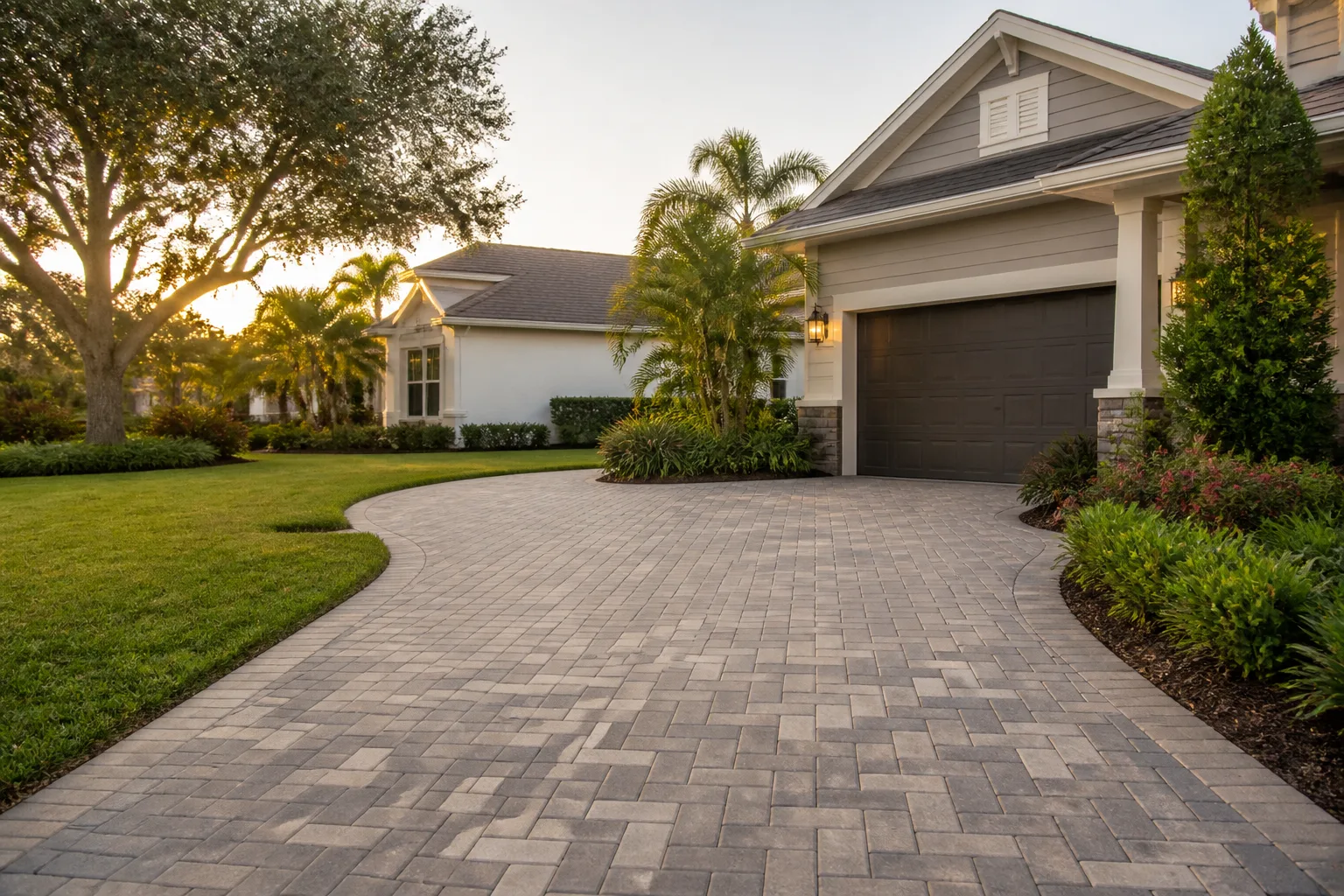
If you’d rather trade the re-seal cycle for something that holds up to clay movement better, our Driveway & Pavers in Richardson crew can price that option against asphalt so you can compare side by side. For a wider view of the materials and techniques we use, the main service hub lays it out.
The 730-Day Done Right Promise on a Sealing Call
Here’s where we put our integrity on the line. When we close out a driveway project, we give you a sealing recommendation based on that specific slab, that specific soil, and what we actually saw during the pour. If the timing we recommended proves wrong for your conditions, we come back. No debate, no invoice. That’s the 730-Day Done Right Promise, one of the longest workmanship guarantees in the residential construction space.
It’s also why we don’t rush a truck out to seal early. Our technicians have up to 12 years of experience, and the good ones learn the same lesson: a driveway sealed on the wrong week looks great in the brochure and fails by the second summer. Pick the threshold, not the countdown.
FAQs
No, and sealing right away is one of the most common and costly mistakes we see. New asphalt needs to cure off its oils and the clay base beneath it needs to settle through a full wet-dry cycle. In Richardson, that means the following spring for a fall pour, or the following fall for a summer pour. Sealant over uncured, still-moving asphalt traps flex stress and cracks within a season. Call (833) 954-4985 and we’ll tell you where your driveway actually stands.
For North Texas it’s optimistic, not conservative. Richardson summer pavement surfaces climb past 150°F, and the clay under the slab keeps shifting long after 90 days. A day count written for cooler climates can land your sealcoat right in the middle of active soil movement, which is exactly when it fails. Judge readiness by surface temperature, soil moisture, and visible edge condition instead. If you’re unsure, a quick walk-through settles it, and estimates are free.
Driveway sealing in Richardson typically runs $250-$700 for a standard residential driveway, with the price driven by square footage and surface condition. If our walk turns up edge dips or a base problem on an older lot, we’ll tell you before we quote, because sealant over a settling base hides the failure instead of fixing it. Call (833) 954-4985 for an exact quote, and ask about our standing offers, including 0% financing for 18 months and $1,000 off projects over $10,000.
Early cracking usually means sealcoat over asphalt that was still moving, and it often shows up first as cracking along a clay seam or an expansion joint. The fix is to strip the failed sealcoat, address any base movement, and re-seal at the right threshold. That’s where the 730-Day Done Right Promise earns its keep: if our sealing recommendation was wrong for your slab, we come back and make it right. Call (833) 954-4985 and we’ll diagnose it.
If you’d rather have it looked at than guess, Groundwork Construction Co. of Richardson offers a no-pressure assessment in Richardson, with upfront pricing and a live person on the line 24/7. Call (833) 954-4985 for a free estimate and we’ll tell you exactly when your driveway is ready, and when it isn’t.
Written by the team at Groundwork Construction Co. of Richardson, serving Richardson, TX.