

Free written scope consultation - allowances, timeline, and change-order rules on paper before a single trade is scheduled
Styles & brands we work with
- Kitchen remodeling
- Bathroom remodeling
- Home additions & ADU
- Roofing
- Windows & doors
- Driveway & pavers
- Fence
See the difference
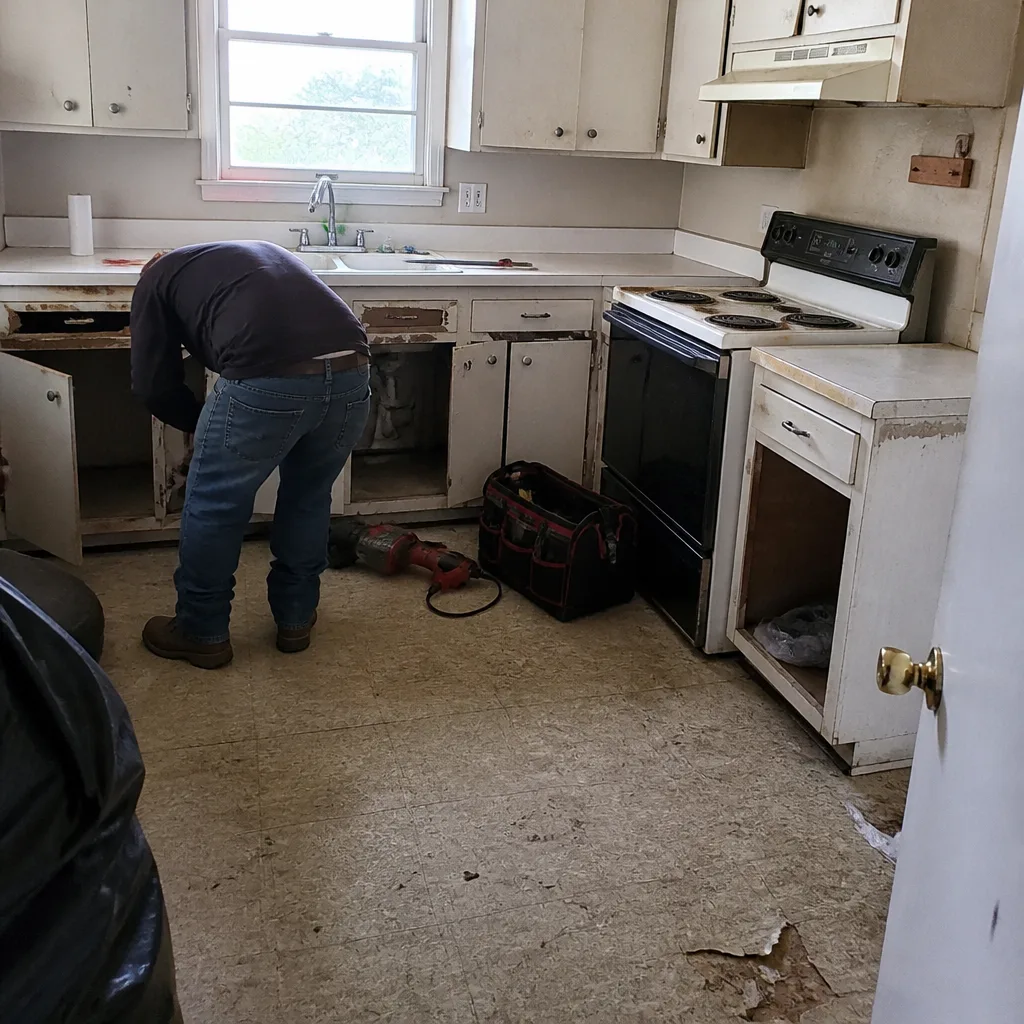 Before
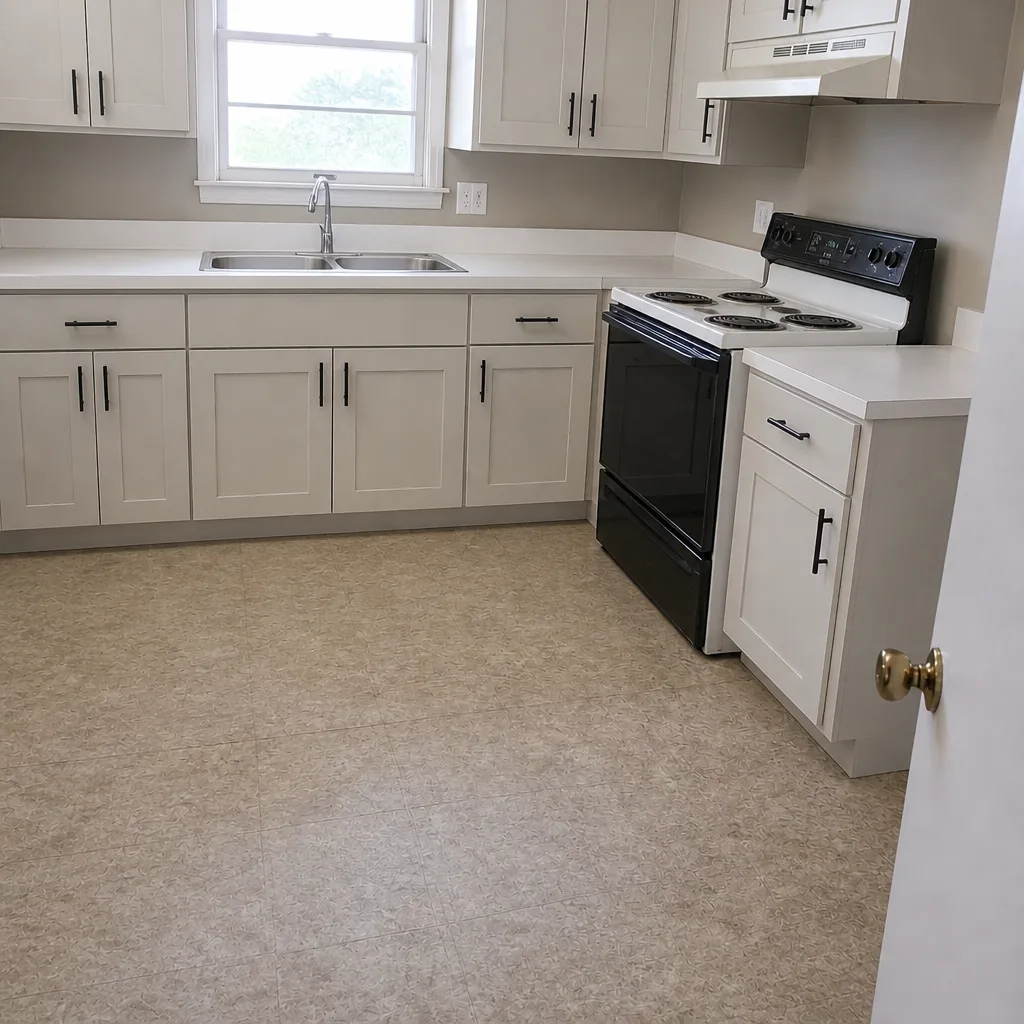 After
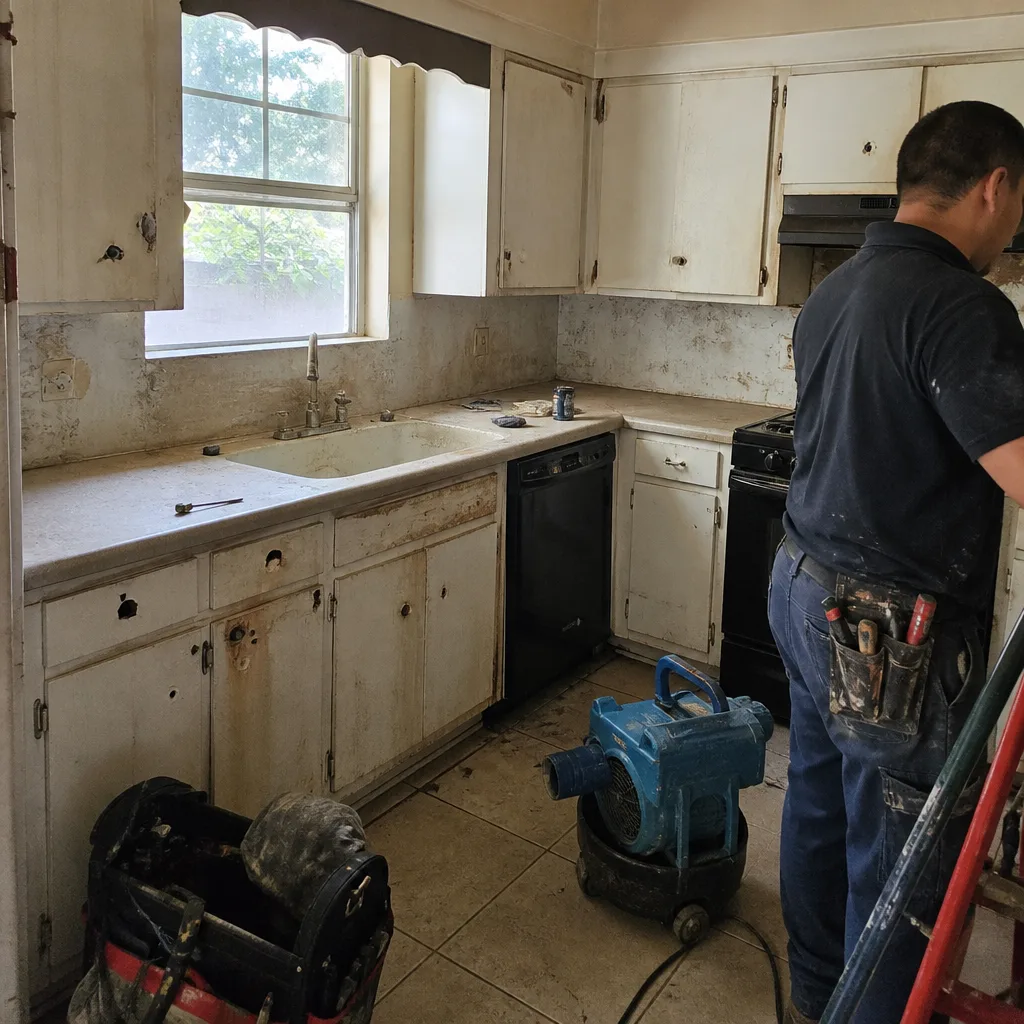 Before
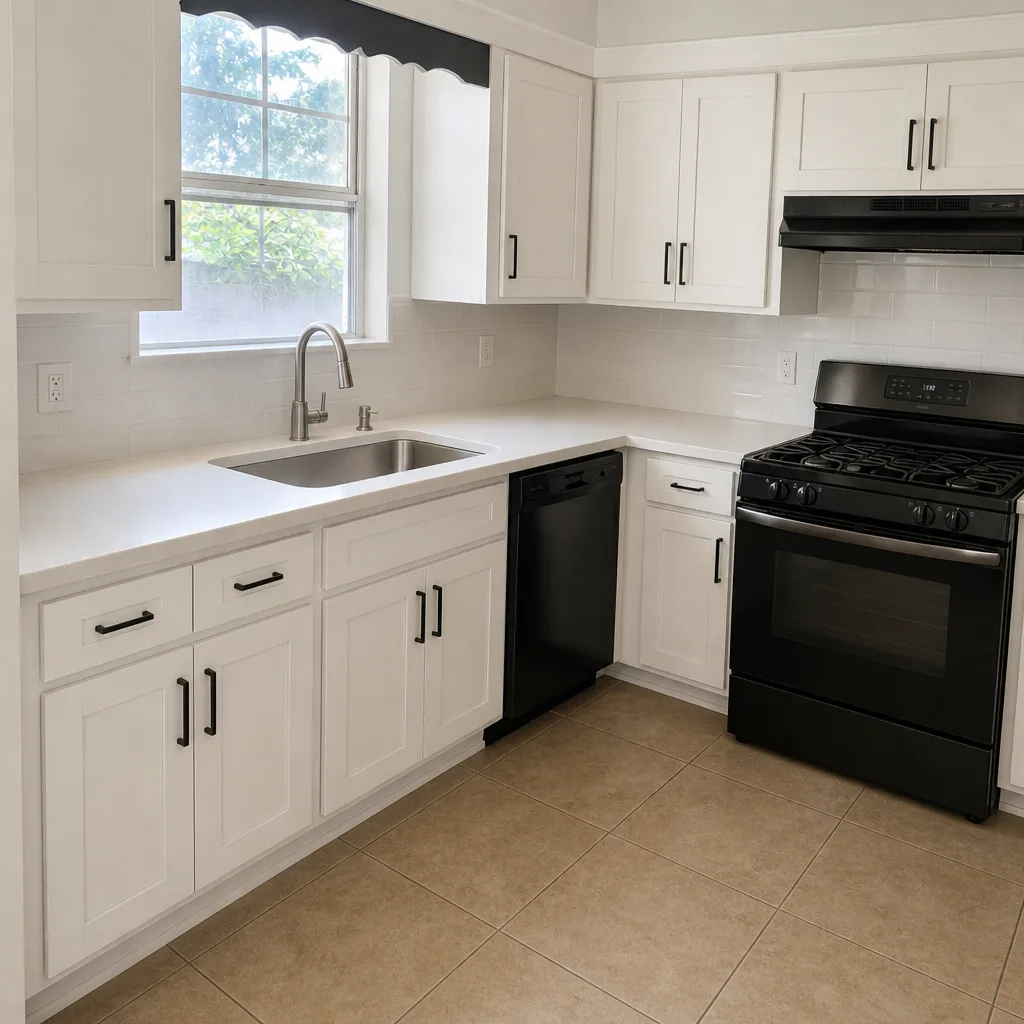 After
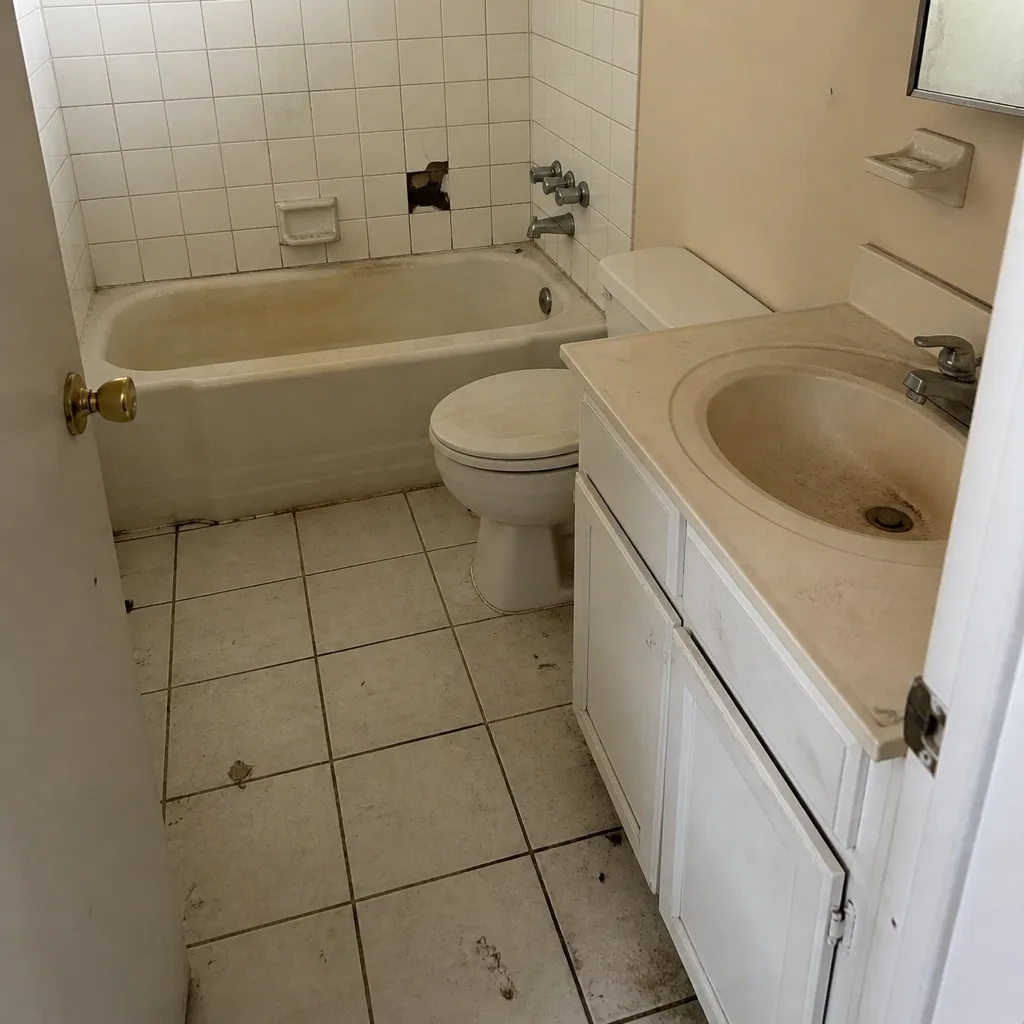 Before
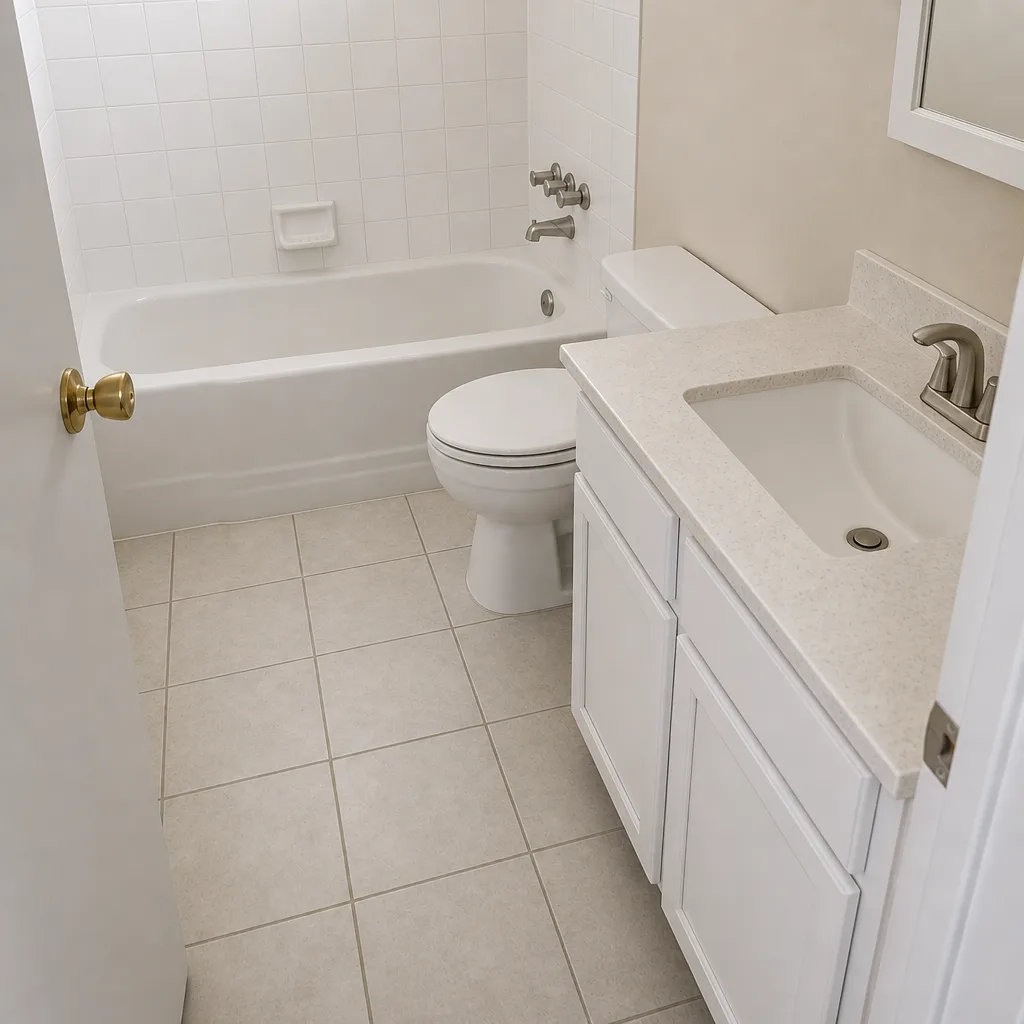 After
How to Fix a Sinking Driveway in Richardson, TX
The fix is almost never at the surface. In Richardson, a driveway that’s dropped at the garage apron or dipped along one edge is sitting on expansive clay that swells and shrinks with the seasons, and the repair that lasts has to correct the soil underneath, not just the slab on top. The short answer: diagnose the soil first, then decide between mudjacking, polyurethane foam lifting, or a full base rebuild with a controlled-moisture barrier. Call (833) 954-4985 and we’ll tell you which one your driveway actually needs.
Key Takeaways
- Richardson’s clay shrinks hard in summer drought, leaving voids under slabs that a lift alone can’t fix.
- Mudjacking and foam lifting are symptom relief; a compacted base rebuild is the permanent answer.
- More than 1.5 inches of drop plus foundation cracks at the same corner usually means replacement, not lifting.
- An apron that meets a city sidewalk on the original Heights plat may need a Right-of-Way permit.
Why does a Richardson driveway sink in the first place?
Look at the ground under the slab. North Texas clay soils are some of the most expansive in the country, and in Richardson’s 1950s and 1960s ranch-home blocks, that clay goes through a violent yearly cycle. Through July and August drought, the soil contracts and shrinks away from the underside of the concrete, opening voids. Then the fall rains hit and the clay expands again, fast, and instead of pushing the slab evenly back up it heaves at the edges and cracks them. Repeat that for twenty seasons and you have a driveway that slopes toward the house and drains the wrong way.
Here’s the first-hand detail worth knowing: we see this most on the mature lots near Central Expressway and along the original Heights plat, where the driveways were poured decades ago with a slab on top of native soil and no moisture barrier at all. That setup worked fine for a while. It doesn’t hold up to the shrink-swell cycle indefinitely. The clay is the whole story, and the slab is just the part you see.
Mudjacking, foam lifting, or full rebuild: which actually holds?
Three real options exist, and they trade cost against lifespan in a predictable way. Here’s how each behaves in North Texas clay:
| Method | Typical cost | Realistic lifespan in Richardson clay |
|---|---|---|
| Mudjacking (slurry injection) | $500-$1,500 | 1-3 seasons before sinking returns |
| Polyurethane foam lifting | $1,200-$3,000 | 3-6 years, still symptomatic |
| Full removal with compacted base rebuild + moisture barrier | $5,000-$14,000 | 15+ years when base is done right |
Mudjacking pumps a cement slurry under the slab and hydraulically lifts it. It’s fast and cheap, and it makes the driveway look right for a wet season or two. But it fills the void without ever addressing why the void opened, so the same clay cycle opens it again. Polyurethane foam does the same job with a lighter, denser material that cures fast and resists moisture better, so it lasts longer. Still a symptom fix. When we lift a slab without controlling moisture under it, we’re delaying the call, not ending it.
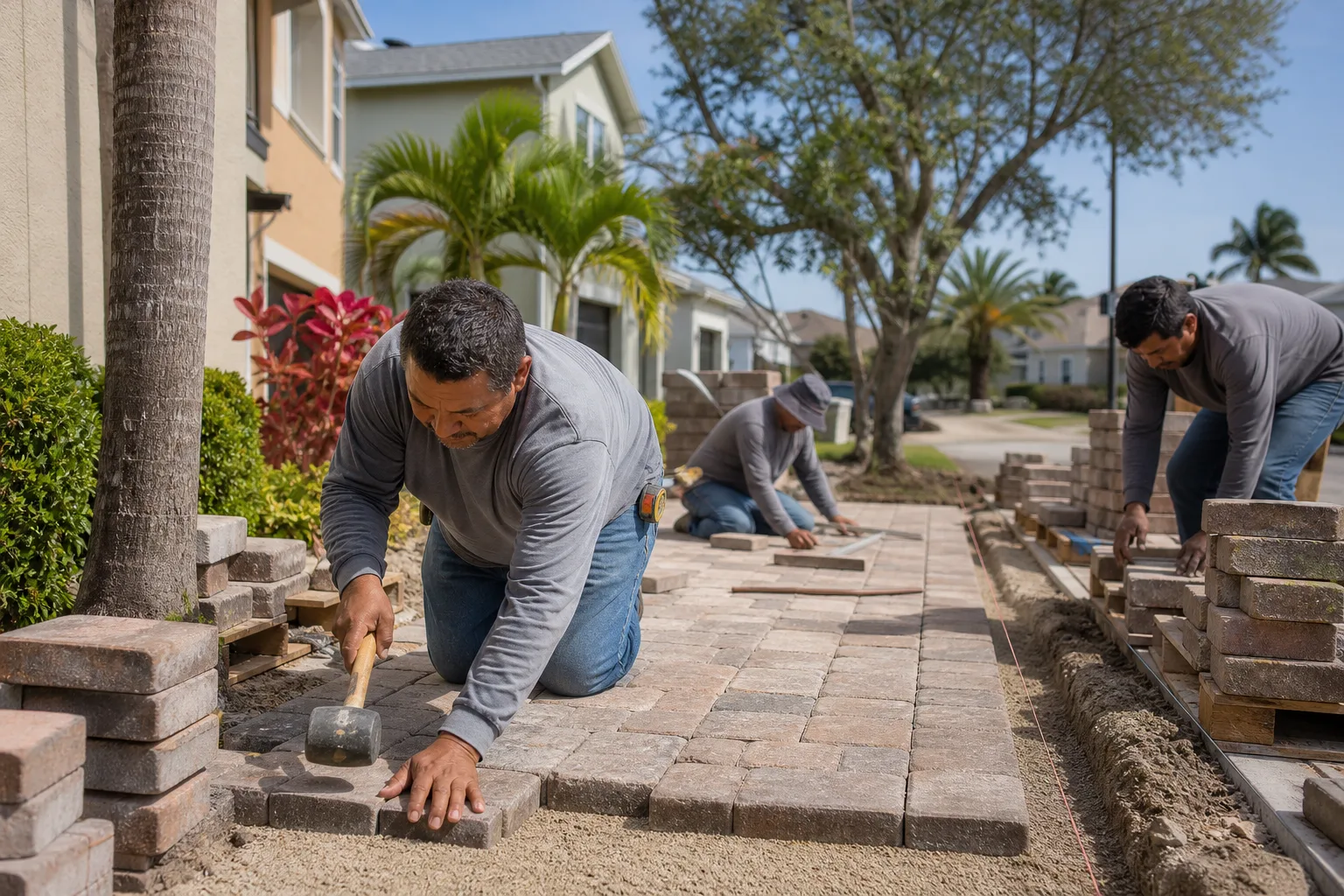
The permanent fix removes the failing slab, excavates down to stable subgrade, rebuilds with properly compacted base material, and installs a controlled-moisture barrier so the clay underneath stops cycling so hard. That’s the one we recommend when the driveway is genuinely at the end of its life. If you’re weighing the surface versus the soil fix, our Driveway & Pavers page walks through the full replacement scope.
How do you know if it can be fixed or has to be replaced?
Here’s the tell we use on a first walkthrough, and it’s specific enough for a homeowner to check. If the sinking corner has dropped more than 1.5 inches and the adjacent pier-and-beam garage foundation is showing cracks at that same corner, the soil problem is active. No lift will hold there, because the foundation and the driveway are both fighting the same moving clay. When that’s what you find, replacement is the honest answer, and anything cheaper is money spent twice.
What to look for on your own driveway in Richardson:
- One edge or corner dipping more than 1.5 inches compared to the rest of the slab.
- Cracks that radiate from the garage apron or run across the drainage slope.
- Cracks in the brick or siding at the same corner of the garage foundation.
- Standing water pooling against the slab after fall rains, which feeds the clay.
- A driveway that now slopes toward the house instead of away from it.
Two or more of those together usually means the fix belongs at the base, not the surface. Fewer than that, and a lift may buy you time. Our technicians have up to 12 years of experience reading exactly this difference, and we’ll tell you plainly which side of the line your driveway is on.
What should you know about permits and the Richardson apron?
Here’s the part most contractors skip and homeowners discover at resale. On the older platted blocks, particularly in the original Richardson Heights plat, replacing a driveway whose apron ties into a public sidewalk can require a Right-of-Way permit from the city before any demolition or pouring starts. Most crews pour right over the apron or tear it out without a permit, and the paperwork gap surfaces later when you try to sell and the buyer’s inspector looks for it.
Richardson also has tight lot-coverage and setback rules on those narrow original lots, so the survey work matters even for a driveway if it changes the footprint near the property line or sidewalk. The neighbor’s clean new build got built because someone did the survey homework first. We pull the permit and handle the inspection as part of the job, and we quote the surface work and the soil-corrective work as separate line items so you can see precisely what each one buys you.
How much does fixing a sinking driveway cost in Richardson?
In Richardson, expect $500-$1,500 for mudjacking, $1,200-$3,000 for foam lifting, and $5,000-$14,000 for a full removal-and-rebuild depending on size and access. Matching the repair to the real cause is how you avoid paying twice. Here’s a line-item look at the surface options that fit the same job:
| Service | Richardson price range |
|---|---|
| Concrete driveway installation | $4,500-$12,000 |
| Driveway replacement | $5,000-$14,000 |
| Paver driveway installation | $7,000-$18,000 |
| Driveway sealing (maintenance) | $250-$700 |
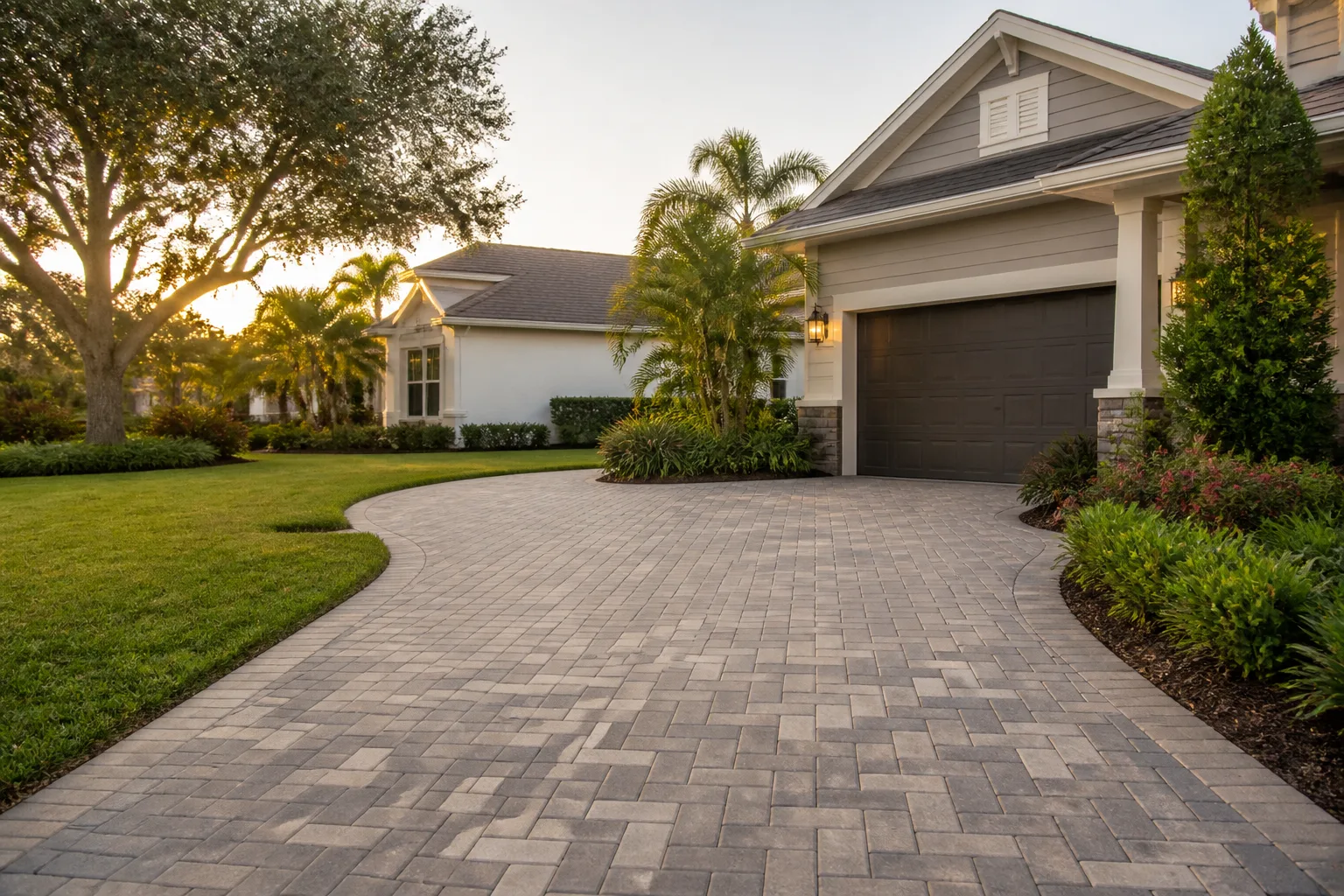
If you’re leaning toward a permanent rebuild, paver driveways from Driveway & Pavers in Richardson handle the clay cycle well when the base is compacted correctly, and they flex instead of cracking at the edges. Whether you go concrete or paver, the base and the moisture control are what make the number hold. We quote upfront pricing with no surprises, and 0% financing for 18 months plus $1,000 off projects over $10,000 makes the right call the affordable one. To see the full range of what we build, start at our home page.
FAQs
A sinking driveway fix in Richardson typically runs $500-$1,500 for mudjacking, $1,200-$3,000 for polyurethane foam lifting, or $5,000-$14,000 for a full base rebuild. The correct number depends on how far the slab has dropped and whether the clay underneath is still actively moving. Call (833) 954-4985 for an exact quote, and estimates are free.
Yes, if the sinking is modest and the garage foundation isn’t showing matching cracks. Mudjacking or foam lifting can bring a slab back to level and restore drainage for a few seasons. Once a corner has dropped more than 1.5 inches and the foundation cracks at the same spot, lifting won’t hold and replacement is the honest answer.
Because the repair treated the slab, not the soil. In Richardson’s expansive clay, a lift fills the void but leaves the shrink-swell cycle untouched, so the same void opens again after the next drought. A compacted base rebuild with a controlled-moisture barrier is the fix that stops the repeat.
Sometimes. If the driveway apron connects to a public sidewalk on the older platted blocks, the city may require a Right-of-Way permit before demolition or pouring. We pull the permit and handle inspection as part of the job so it doesn’t surface at resale.
If you’d rather have it looked at than guess, Groundwork Construction Co. of Richardson offers a no-pressure assessment in Richardson. We’ll tell you whether a lift will hold or the base needs rebuilding, quote the soil fix and the surface fix separately, and back the work with our 730-Day Done Right Promise. Call (833) 954-4985 for a free estimate.
Written by the team at Groundwork Construction Co. of Richardson, serving Richardson, TX.