Free written scope consultation - allowances, timeline, and change-order rules on paper before a single trade is scheduled
Styles & brands we work with
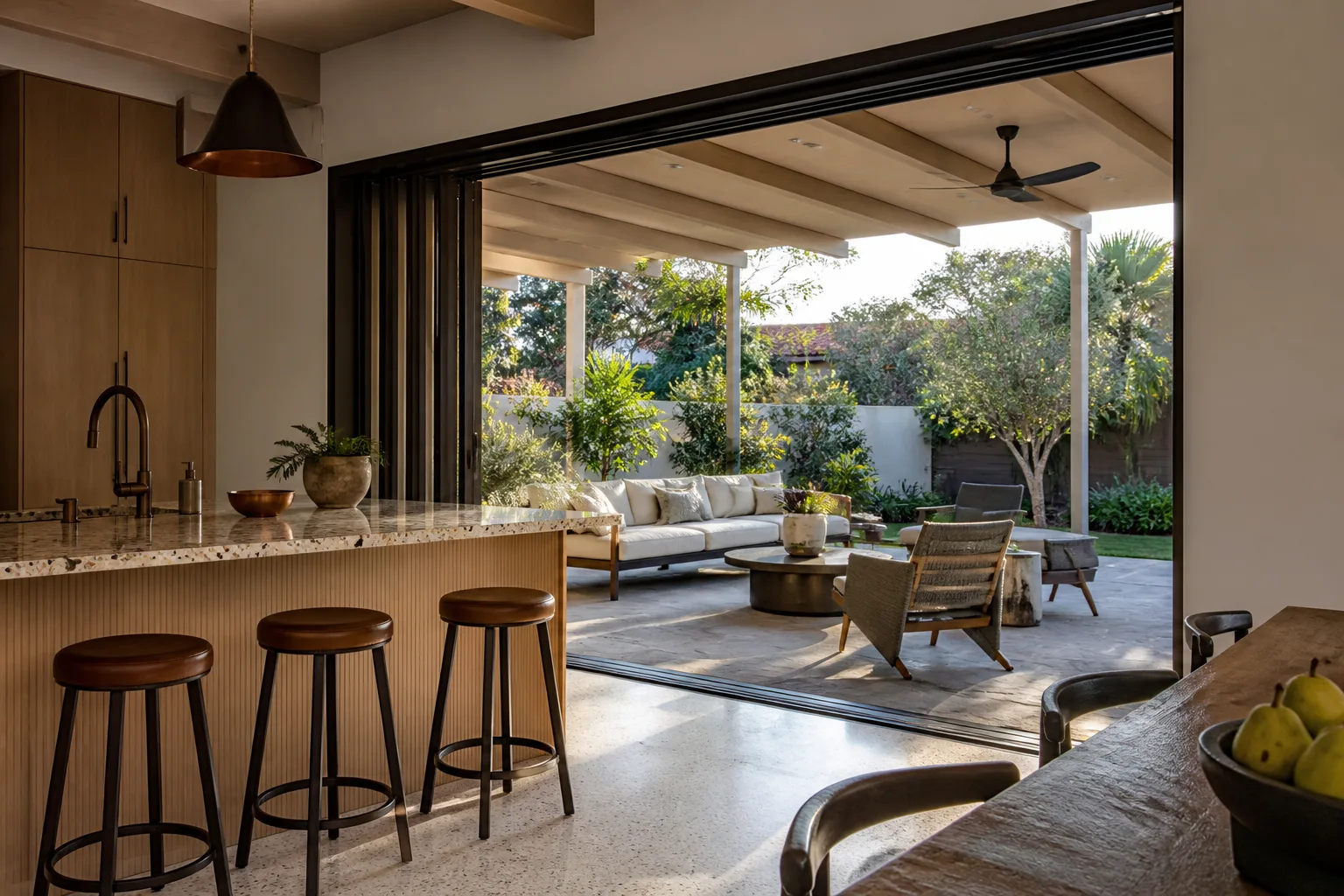
- Kitchen remodeling
- Bathroom remodeling
- Home additions & ADU
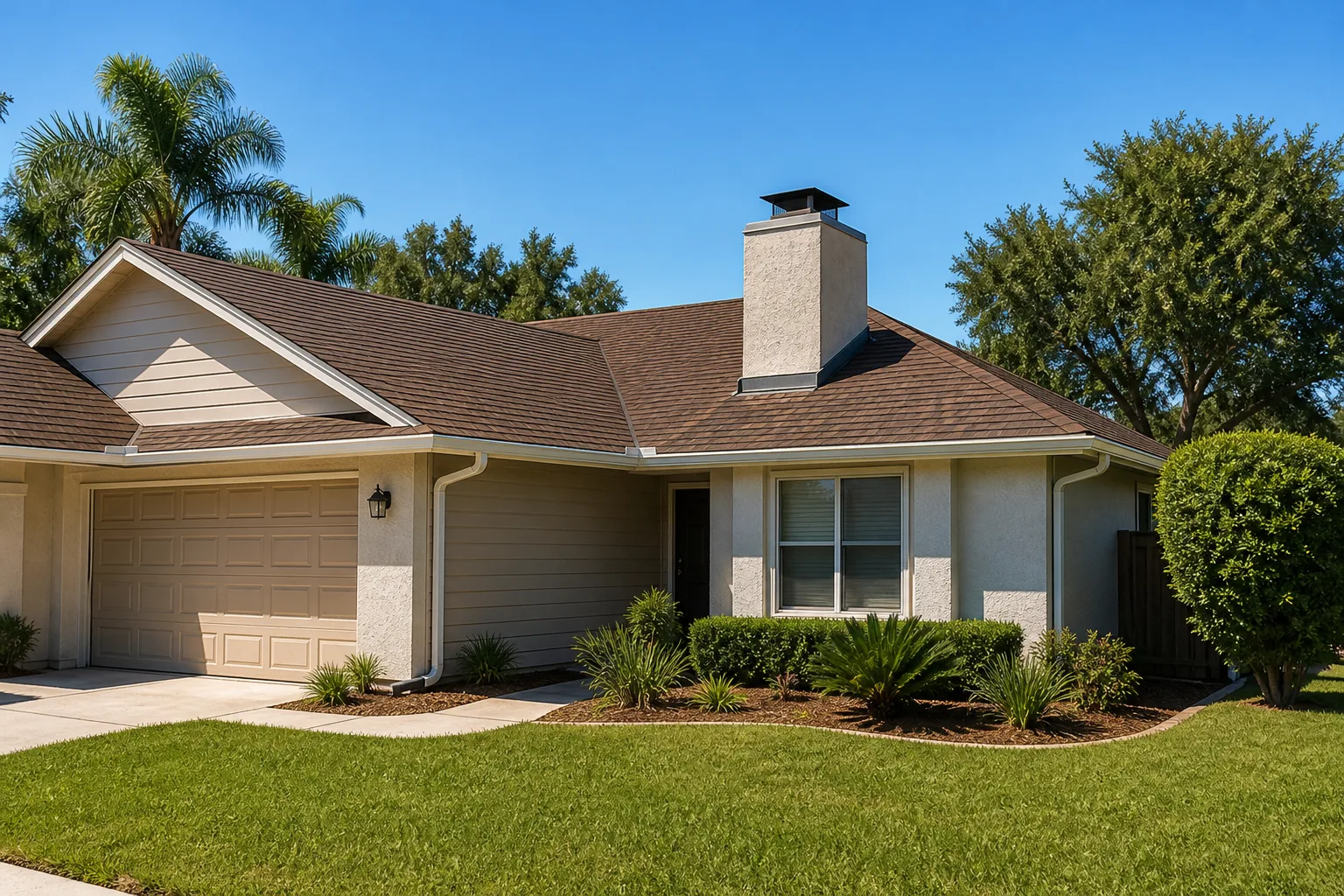
- Roofing
- Windows & doors
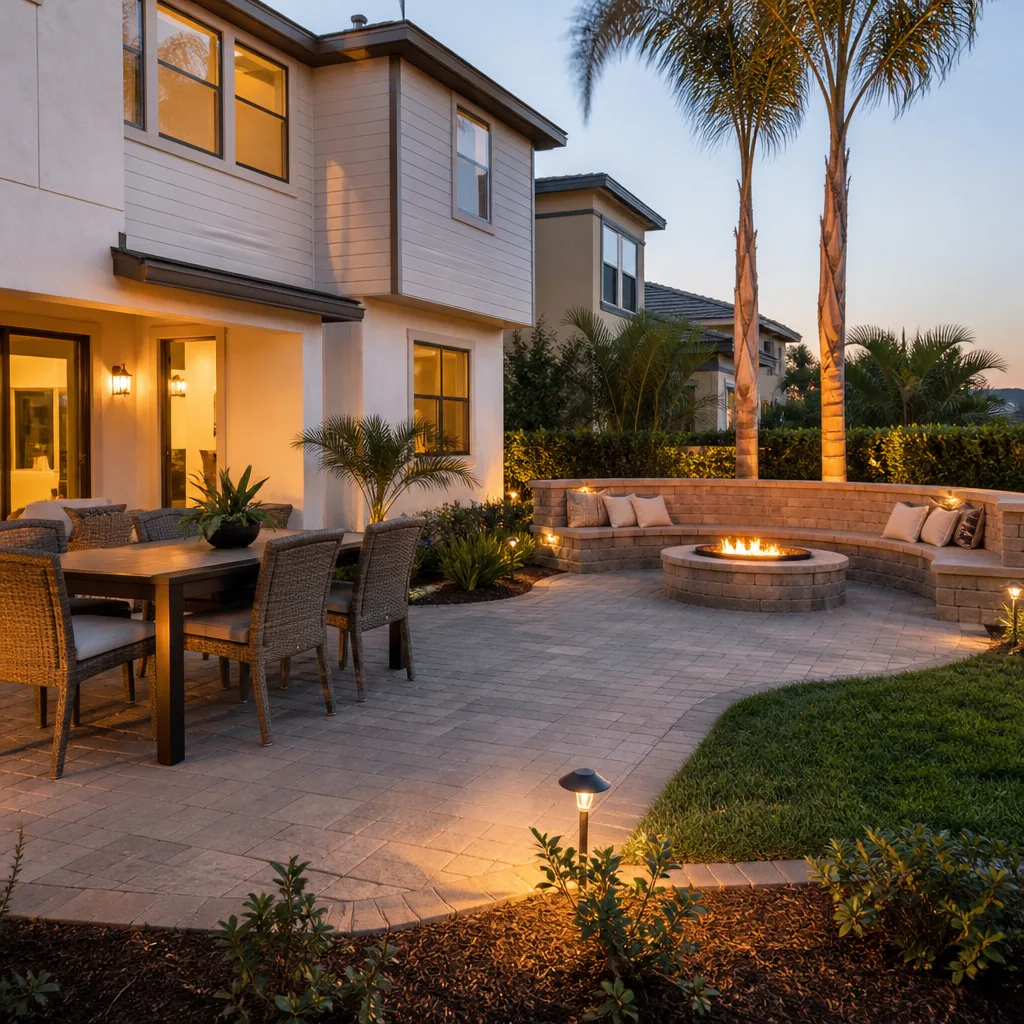
- Driveway & pavers
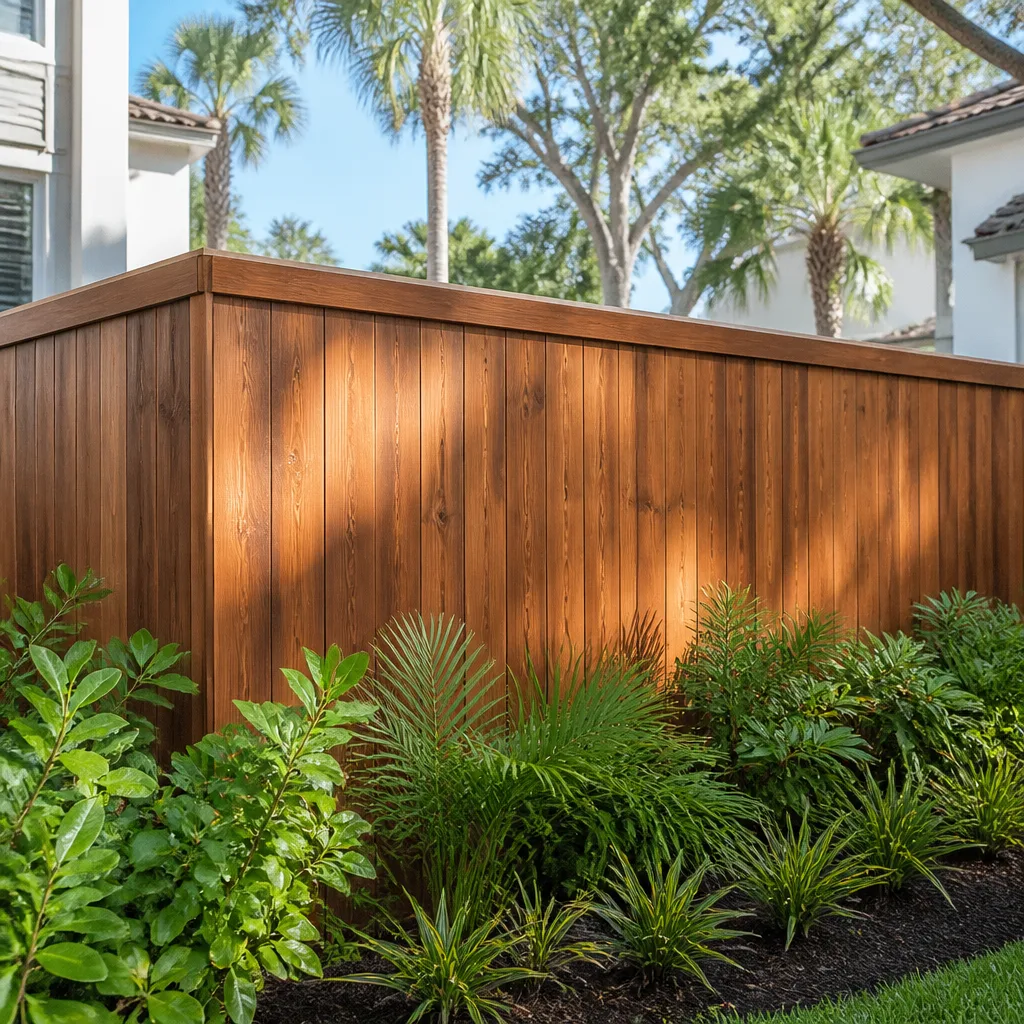
- Fence
See the difference
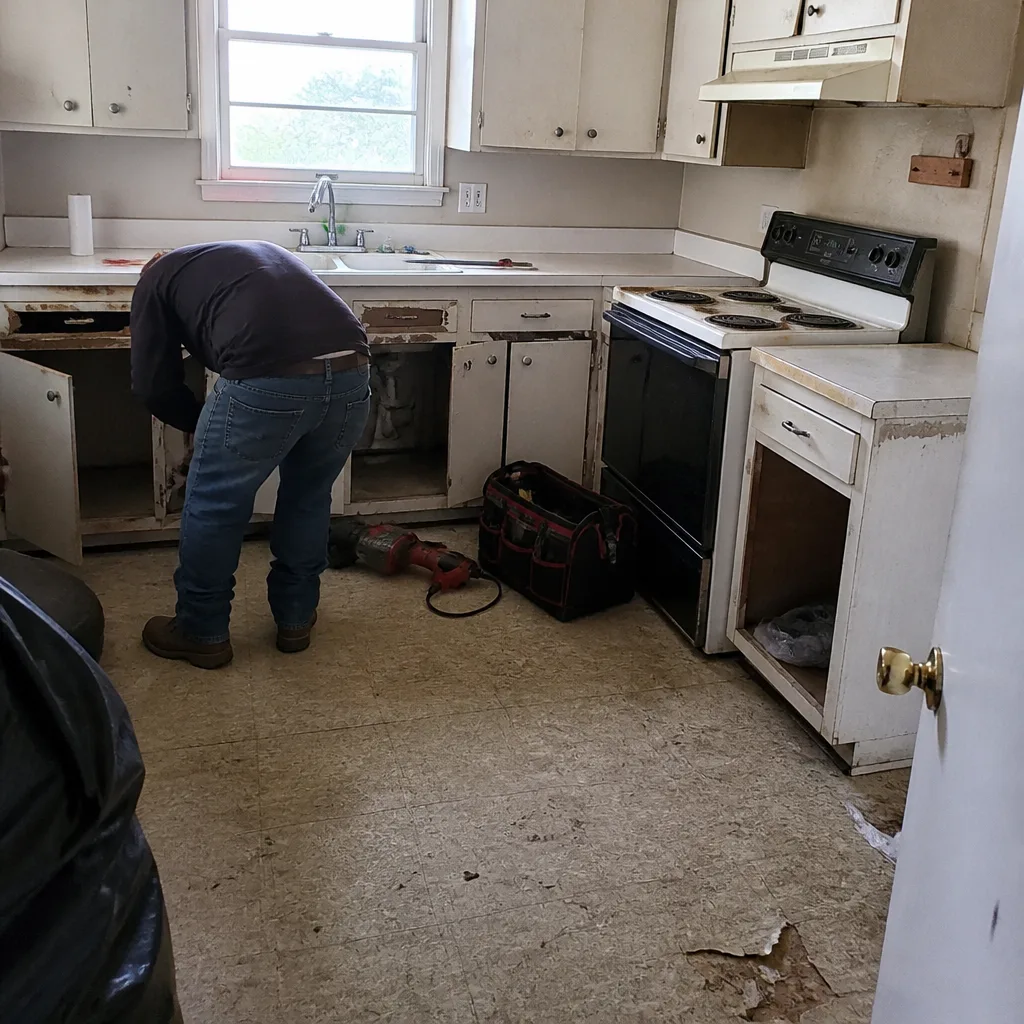 Before
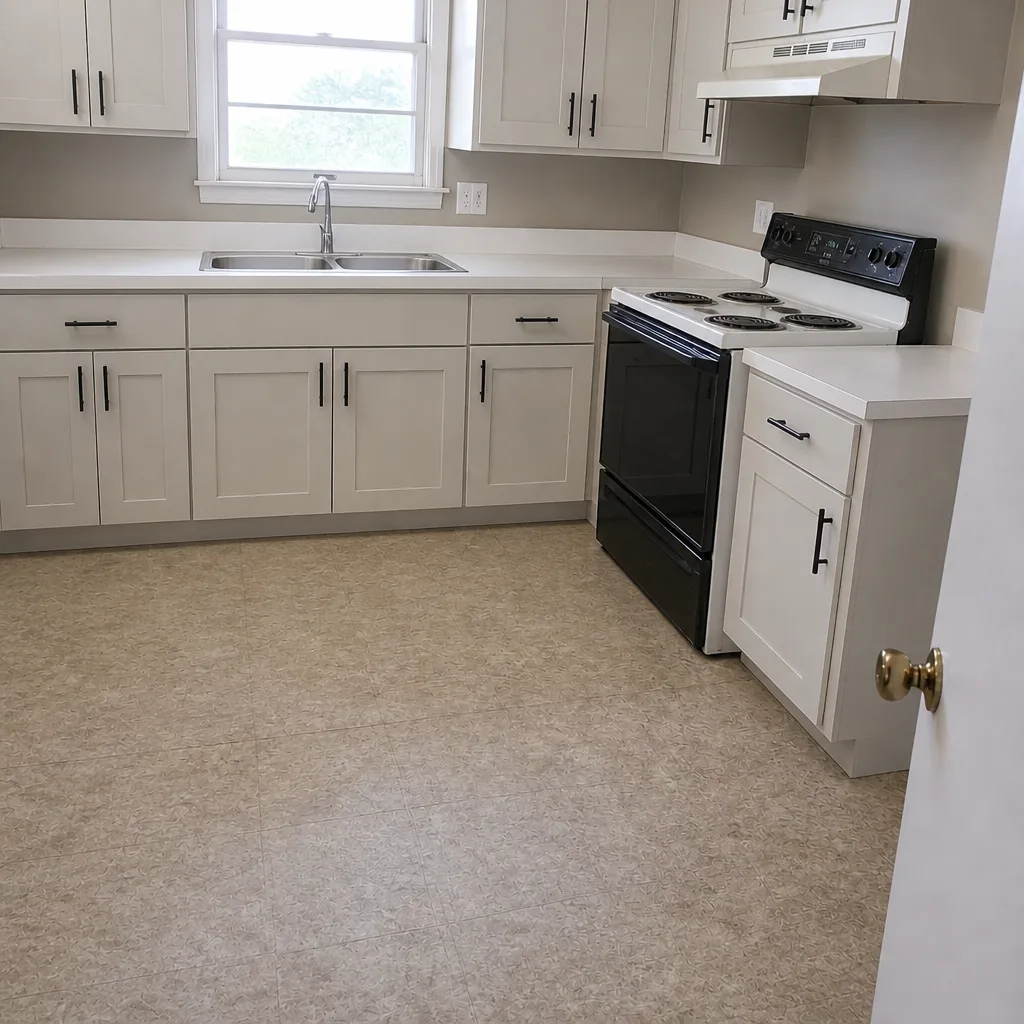 After
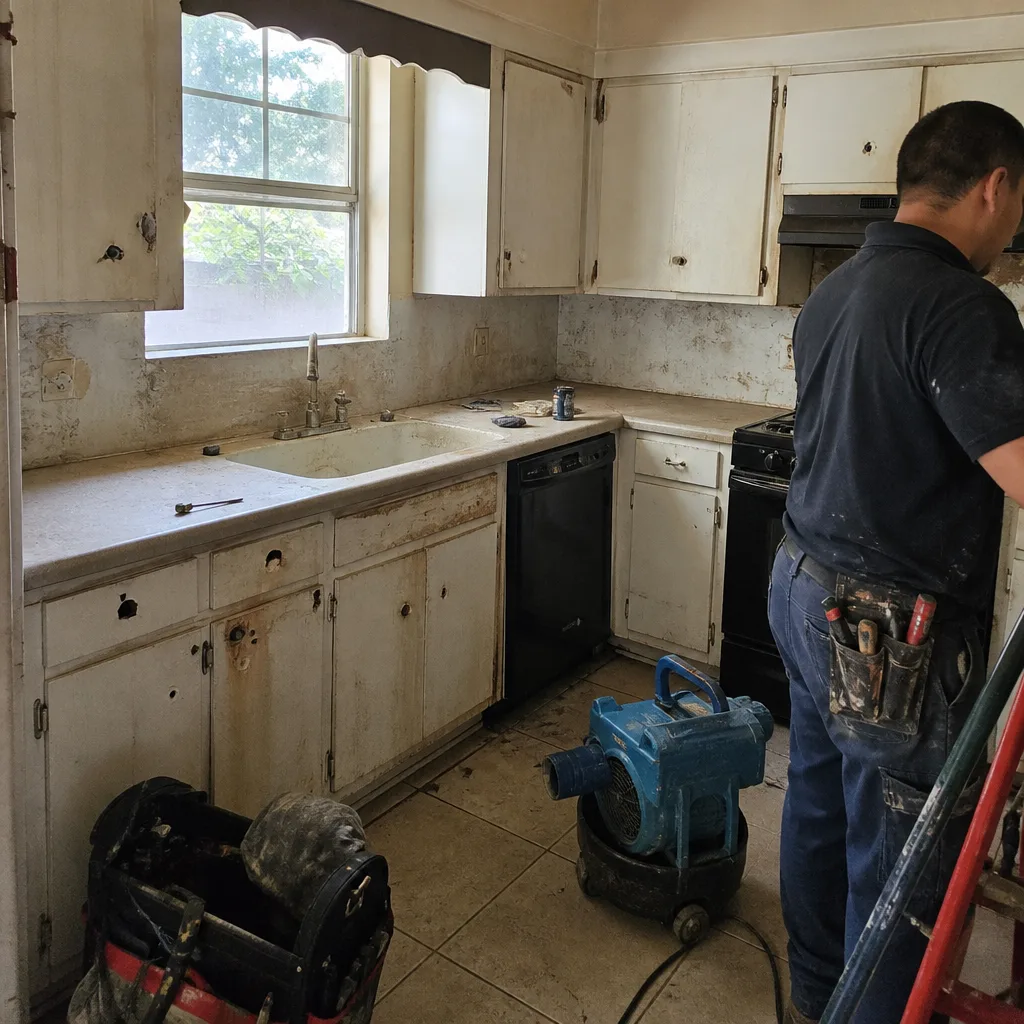 Before
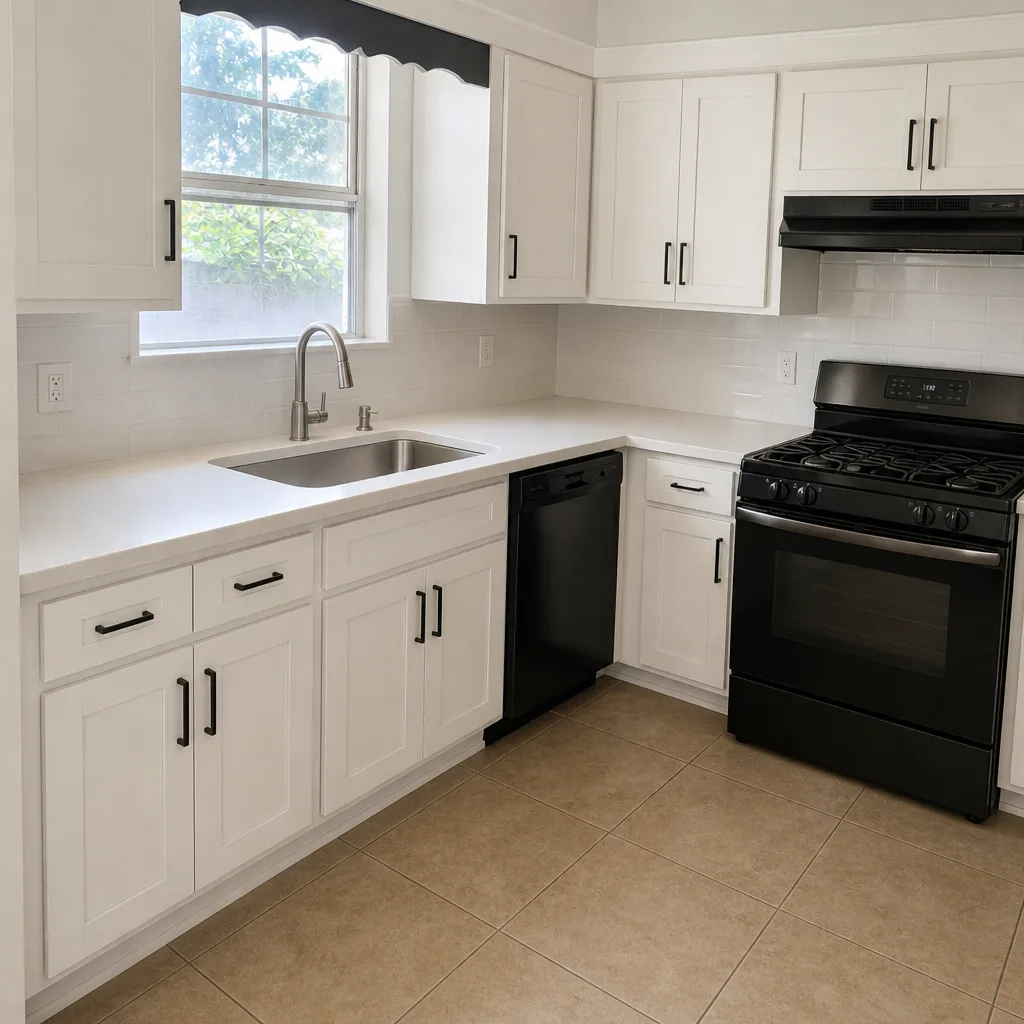 After
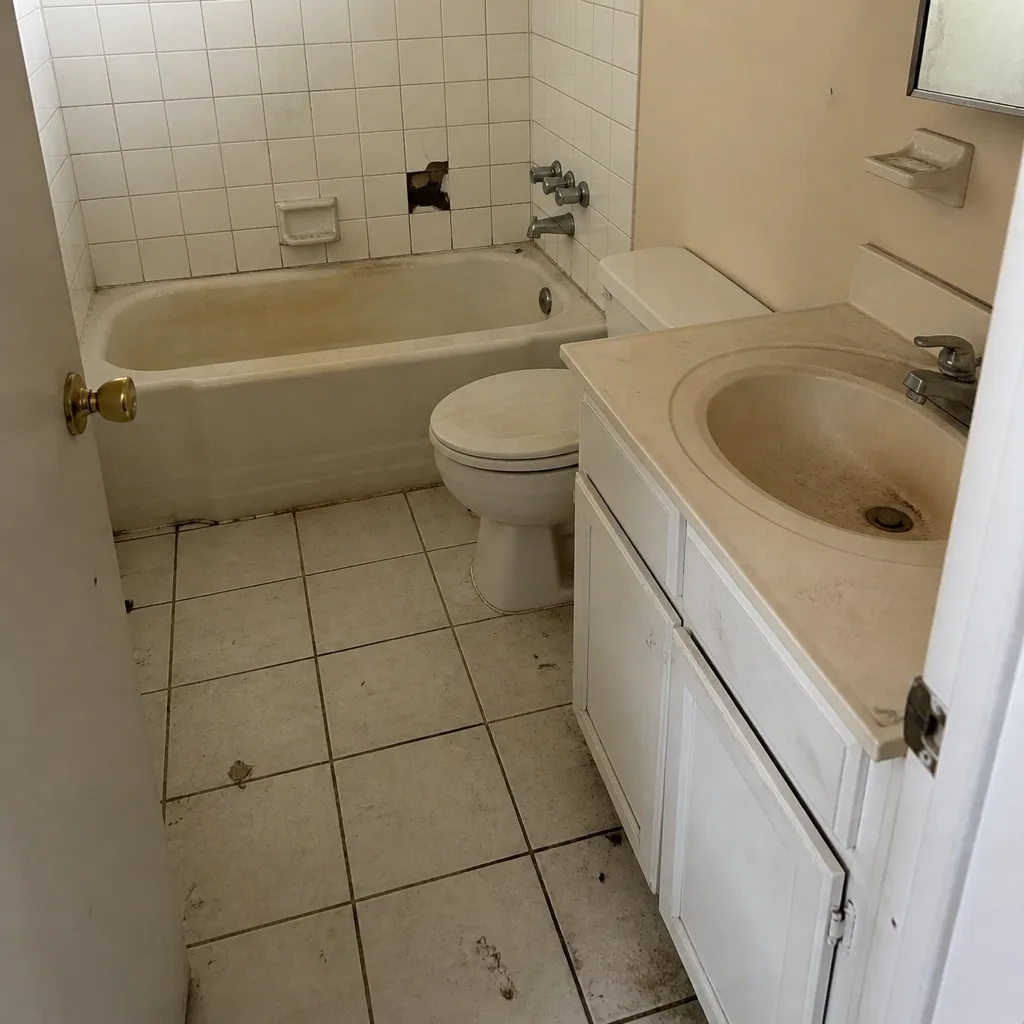 Before
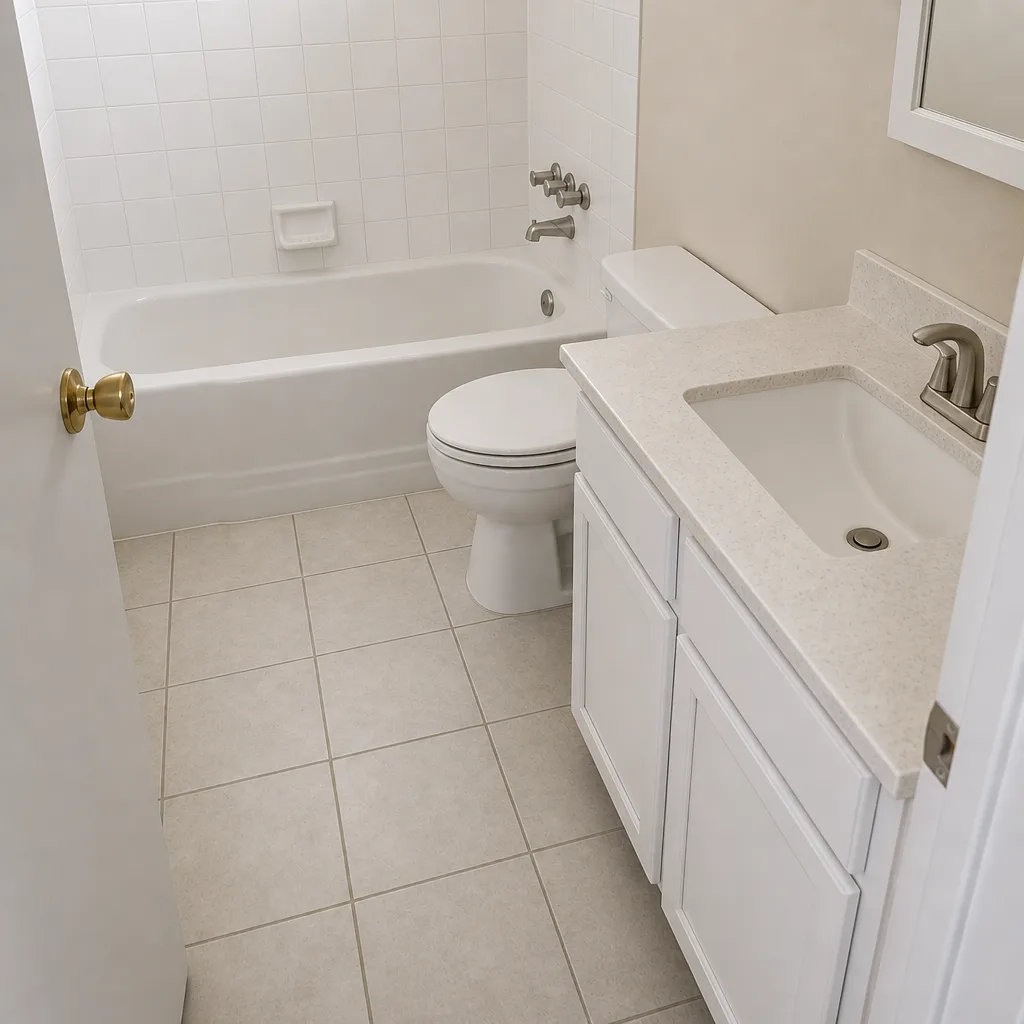 After
ADU Rules and Requirements in Richardson, TX: What the UDC Actually Allows
Richardson’s Unified Development Code governs whether your lot can hold an ADU, and the two rules that sink the most projects are impervious-cover limits and setback requirements, not the state law everyone reads about. A detached ADU on a small postwar lot can pass the Texas statute and still fail locally because the footprint pushes the lot past the code’s impervious-cover maximum. Before you sketch anything, have your lot surveyed and your existing impervious area calculated. Groundwork Construction Co. of Richardson handles that math and the permit file in-house; call (833) 954-4985 and we’ll tell you straight whether your lot clears the bar.
The 7,000-Square-Foot Lot Problem Most ADU Guides Skip
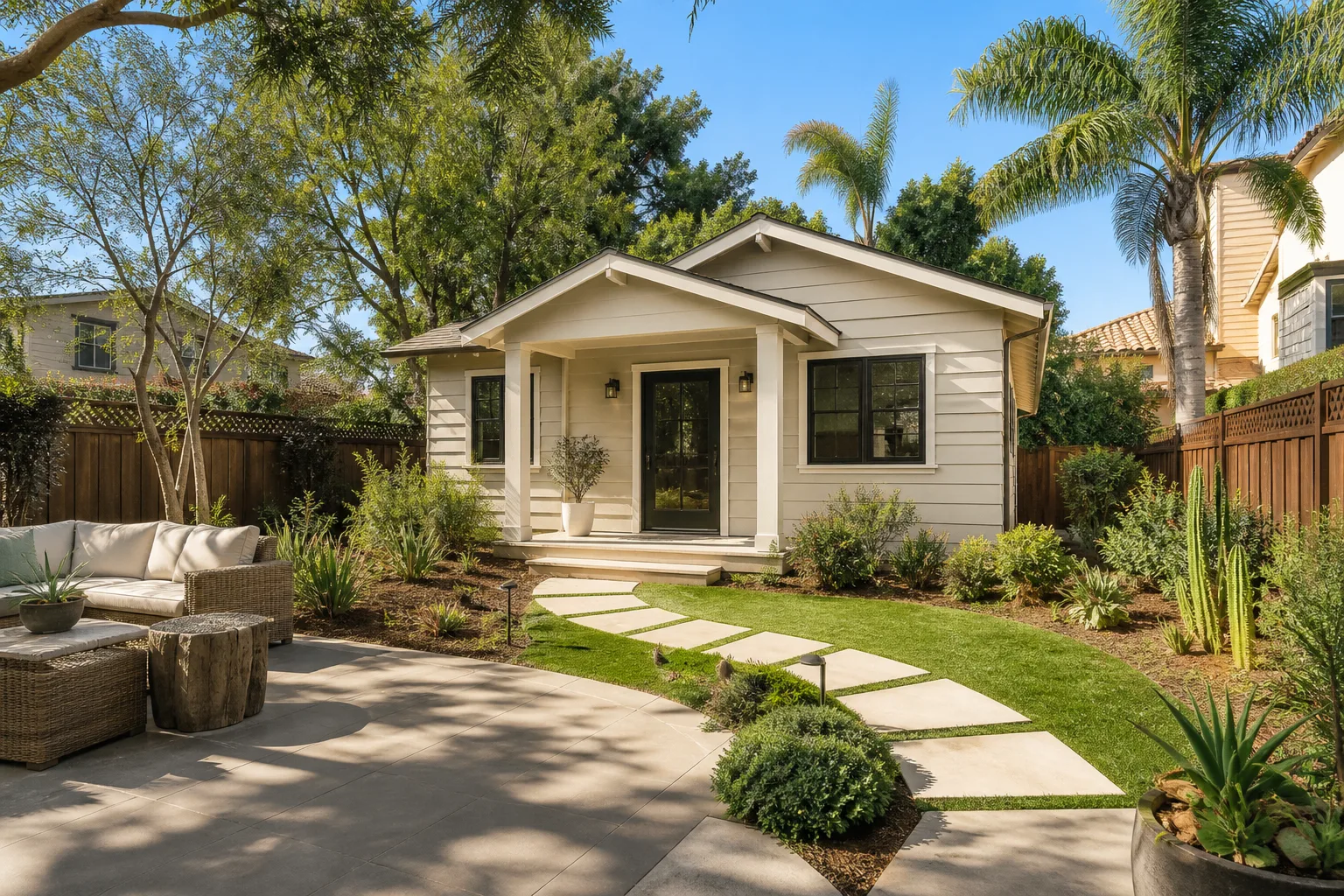
Here’s the scenario we run into constantly in Richardson. A homeowner on a 7,000-square-foot lot in one of the original postwar plats near Central Expressway wants a detached ADU in the backyard. State-level ADU legislation says they should be able to. Then the survey comes back, and the same lot is effectively ineligible without a variance, because the combination of rear setbacks, side setbacks, and the impervious-cover cap leaves almost no buildable envelope once the house, driveway, and patio are counted.
This is where generic ADU content falls apart. It treats Texas cities as one set of rules. They aren’t. Richardson’s code constrains three things on an ADU at once: where the structure can sit, how much of the lot can be covered by hard surface, and how it connects to utilities. Miss any one of them and you’re revising drawings you already paid for.
- Impervious cover: your ADU roof, its concrete pad, and any new walkway or utility trench all count toward the lot’s impervious maximum. On a 6,000 to 8,000 square-foot postwar lot, an 800-square-foot ADU can consume most or all of the remaining allowance.
- Setbacks: rear and side yard requirements apply to the ADU as a separate structure. Narrow original lots leave little room before a variance is required.
- Height and massing: a two-story ADU changes the setback trigger. Single-story designs clear code far more often on these lots.
- Tree and drainage impact: protected trees and existing swale paths on older blocks can force the footprint to shift, which then resets your coverage math.
The lesson from every Richardson job we’ve filed: somebody did the survey work first, before the design budget got spent. That’s the difference between a smooth approval and a six-month stall.
Utility Connections: The Cost Line Nobody Mentions
Richardson requires a detached ADU to either run its own utility stub off the main service or have a documented shared-connection agreement on file. That’s not a formality. A separate stub means trenching from the street or main panel across the yard, a new meter, and separate fees. A shared connection means a written agreement that survives inspection.
This is one of the real cost drivers behind ADU pricing, and it’s why our range for full ADU construction in Richardson runs $90,000 to $220,000 depending on scope. Where your ADU sits relative to the existing service panel and water main moves that number more than finishes do.
| Line item | Range |
|---|---|
| Full detached ADU construction | $90,000-$220,000 |
| Garage conversion (existing structure) | $30,000-$80,000 |
| Home addition (attached) | $45,000-$130,000 |
Which path fits your lot comes down to the survey. A garage conversion often sidesteps the impervious-cover problem entirely because the footprint already exists and is already counted. Where the lot allows a detached structure, the numbers above are the honest spread. If you want to see how these figures sit against attached additions too, our Home Additions & ADU in Richardson page breaks down the options side by side.
Owner-Occupancy and Rental Registration in Richardson
Richardson’s municipal code ties ADU rental eligibility to owner-occupancy and registration requirements that differ from Dallas and Plano. If you plan to rent the ADU, plan to register it and plan to live on the property. This is not a gray area you can defer to a property manager. The registration is on you as the owner, and the code expects the primary residence to be your home, not an investment vehicle you operate from out of state.
We build ADUs for two kinds of Richardson homeowners: people adding space for aging parents or adult children, and people adding a rental unit. The second group needs the registration pathway confirmed before we pour a foundation. We’ll walk that process for you.
Foundation and Drainage Behind a 1960s Pier-and-Beam House
Most of Richardson’s core is 1950s to 1970s single-story brick ranch homes on pier-and-beam foundations, and that changes how an ADU gets built behind them. Expansive North Texas clay moves with the seasons. Before we design the ADU foundation, we assess how the existing house drains, where site water currently runs, and what the soil is doing under the proposed footprint. An ADU placed on the low side of a lot that already pools water is a foundation problem waiting to happen.
This is where a builder who knows the local housing stock earns their keep. The same clay that flexes under a 1960s pier-and-beam house will heave under a new slab if the grading and drainage aren’t planned together. Our technicians have up to 12 years of experience with exactly this soil and this era of construction, and the crew arrives background-checked and uniformed on every job.
Materials hold up or they don’t. An ADU finished with James Hardie siding and a well-detailed roof deck survives a Richardson hail season with fewer repairs than builder-grade alternatives. That’s why we work from a curated set of verified brand partners rather than whatever’s on the shelf, and why every ADU we build is covered by our 730-Day Done Right Promise: if it’s not done right, we make it right.
How Groundwork Handles the Permit and Variance Process
You shouldn’t have to decode the UDC yourself. Groundwork Construction Co. of Richardson runs the full permit and variance process in-house, from the initial survey and impervious-cover calculation through the variance application if your lot needs one, to final inspection. One company owns the file from first sketch to final walkthrough. When a variance is required because your lot is genuinely tight, we build the case with the survey and drainage data the city wants to see.
Pricing is upfront: the number you see is the number you pay. No-hassle upfront pricing, with 0% financing for 18 months and $1,000 off projects over $10,000 available on ADU work. And our phones are answered by a live person 24/7, so a question about your permit status doesn’t wait until Monday morning.
Key Takeaways
- State ADU law does not override Richardson’s impervious-cover and setback limits. Most no-go lots fail on coverage, not on the statute.
- A detached ADU on a 6,000 to 8,000 square-foot postwar lot often needs a variance. A garage conversion frequently avoids the problem.
- Separate utility stubs or a documented shared-connection agreement add real cost and planning steps.
- Owner-occupancy and registration rules apply to rentals in Richardson and differ from Dallas and Plano.
- Clay soil and existing site drainage must be assessed before the ADU foundation is designed.
FAQs
Maybe, and the deciding factor is your lot’s impervious-cover allowance and setbacks, not the state statute. On a typical 7,000-square-foot postwar lot, a detached ADU often needs a variance because the structure pushes hard-surface coverage past the maximum. The only way to know is a survey and a coverage calculation before design begins. Call (833) 954-4985 and our team will run that math for your lot at no charge.
ADU construction in Richardson runs $90,000 to $220,000 for a detached unit, $30,000 to $80,000 for a garage conversion, and $45,000 to $130,000 for an attached home addition. Utility connections, foundation design, and whether a variance is needed move the final figure more than finishes do. Call (833) 954-4985 for an exact quote; estimates are free and the price you’re given is the price you pay.
A garage conversion is almost always cheaper in Richardson because the footprint already exists and is already counted toward impervious cover. That’s why the conversion range sits well below detached construction. Whether a conversion works depends on your garage’s foundation and how much square footage you need. Call (833) 954-4985 and we’ll tell you which path your lot and budget point to.
Yes. Richardson’s municipal code ties ADU rental eligibility to owner-occupancy and requires registration, which differs from Dallas and Plano. Plan on registering the unit and on the primary residence being your home. We’ll walk you through that pathway before we build so nothing trips you up at rental time. Call (833) 954-4985 to start the conversation.
Start With the Survey, Not the Sketch
Every ADU project in Richardson starts with the same question: how much buildable envelope does your lot actually have? If you’d rather have it looked at, Groundwork Construction Co. of Richardson offers a no-pressure assessment in Richardson – call (833) 954-4985. We’ll survey the lot, run the coverage math, and tell you what the code allows. From foundation to finish line, backed in writing.
Written by the team at Groundwork Construction Co. of Richardson, serving Richardson, TX.