Last updated November 18, 2026

Free written scope consultation - allowances, timeline, and change-order rules on paper before a single trade is scheduled
The Complete Driveway & Pavers Guide for Richardson Homeowners
Most paver driveways in North Texas fail within five years. Not because of bad pavers, either. The pavers themselves are usually fine. What fails is what’s underneath them, and that’s where national installation guides quietly lead Richardson homeowners into trouble. Richardson sits on Blackland Prairie clay, a soil that swells when it’s wet and shrinks when it dries, and it moves enough to crack concrete slabs and heave paver fields that were built to a base depth meant for sandy Florida or stable Midwestern ground. This guide is built for the soil we actually have here. You’ll learn how deep the base really needs to go, what materials cost from DFW suppliers, how Richardson and Collin County HOA approvals work, how to read a contractor’s quote line by line, and what a workmanship warranty should actually cover before you sign anything.
Quick Answer
A paver driveway in Richardson typically costs between $12 and $24 per square foot installed, depending on material, and the single most important factor in whether it lasts is a compacted base of 8 to 12 inches of crushed stone rather than the 4 to 6 inches many national standards call for. On Blackland Prairie clay, that deeper base plus proper drainage is what separates a driveway that still looks level after a decade from one that’s rocking and rutted in three years.
Styles & brands we work with
- Kitchen remodeling
- Bathroom remodeling
- Home additions & ADU
- Roofing
- Windows & doors
- Driveway & pavers
- Fence
Table of Contents
- Why Richardson’s Clay Soil Changes the Whole Equation
- How Deep Does the Base Actually Need to Be?
- Paver Materials Compared: Cost and Performance in DFW
- HOA and Permit Rules in Richardson and Collin County
- How to Read a Paver Contractor’s Quote Line by Line
- The 730-Day Standard: What a Real Warranty Covers
- Drainage, Grading, and the Water Problem
- Keeping a Paver Driveway Looking Right in North Texas
Why Richardson’s Clay Soil Changes the Whole Equation
Blackland Prairie clay is the defining fact of driveway construction in Richardson. This soil holds water for days after a rain, then shrinks and cracks open wide during a dry August. That constant expansion and contraction is measured in inches across a full season, and it pushes up on whatever sits on top of it. A concrete slab resists that movement for a while, then cracks. A paver field built on a shallow base flexes with the soil and starts to settle unevenly, which is why you see sunken corners, raised edges, and joints that open up wider with each passing year.
We’ve watched this play out in specific neighborhoods across Richardson. In the older streets near downtown Richardson, where lots are generous and mature trees pull moisture out of the soil all summer, the movement is pronounced. Around the Canyon Creek and Prairie Creek areas, homes sit on ground that takes longer to drain after a heavy spring. And near the Richardson Heights and Arapaho corridor, the freeze-thaw cycles we get in a typical January, where a 70-degree afternoon follows a 25-degree morning, work the joints of any driveway that wasn’t built to handle it.
The practical consequence is simple. A driveway that performs fine in a drier, more stable climate can fail here within four or five seasons if the installer treated the soil as an afterthought. The soil is not an afterthought in Richardson. It’s the whole job.
What “Expansive Clay” Actually Does to a Driveway
- Wet season swelling: The clay absorbs spring rain and pushes upward, lifting and shifting the base beneath the pavers.
- Dry season shrinking: The clay pulls away and drops, leaving voids that pavers settle into.
- Differential movement: One section of driveway moves differently than the next because soil moisture varies across the slab, and that’s where cracks and heaved joints appear.
- Tree roots: Mature pecans and oaks common in older Richardson neighborhoods extract moisture and deepen the soil movement cycle.
Every one of those forces argues for the same fix: a deeper, well-compacted base and grading that moves water away from the driveway rather than letting it pool on the clay. National installation standards weren’t written for this soil. That’s the gap this guide exists to close.
How Deep Does the Base Actually Need to Be?
On stable, well-draining soil, many published installation standards call for a base of 4 to 6 inches of compacted crushed stone. On Blackland Prairie clay, that number is too thin. We treat 8 to 12 inches of compacted base as the real target for a Richardson driveway, with the exact depth depending on the load the driveway carries and how much moisture the site holds. A driveway that regularly parks two full-size trucks or an RV needs the deeper end of that range and more careful compaction.
Base depth is only half of it. Compaction is the other half, and it’s where cheap installs quietly cut corners. The crushed stone has to be laid down and compacted in lifts, meaning layers, with a plate compactor or roller run over each layer before the next one goes on. Dumping 10 inches of stone in a single pass and running a compactor over the top once leaves loose material underneath that will settle the first time real weight rolls across it. You want to see the installer working in roughly 3- to 4-inch lifts and compacting each one.
A Proper Installation Sequence for Richardson Soil
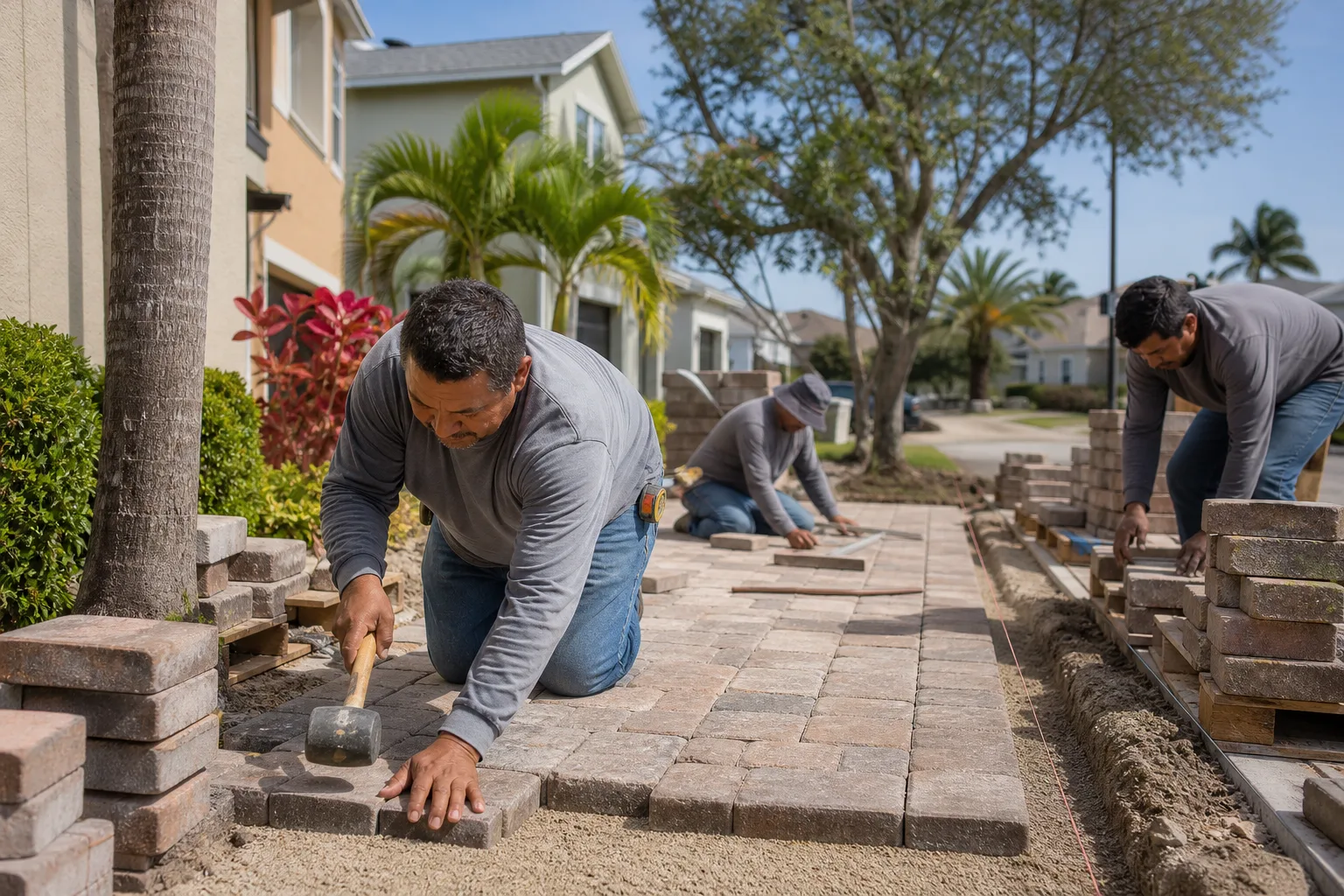
- Excavate to depth. Remove enough soil that the finished pavers sit flush or slightly proud of grade, accounting for the full base plus the bedding sand.
- Grade for drainage. Establish a slope of roughly 1 to 2 percent away from the house so water runs off instead of pooling on the clay.
- Lay geotextile fabric. A separation fabric keeps the clay from pumping up into the stone base over time.
- Place and compact base in lifts. 8 to 12 inches of crushed stone, compacted in layers, checking the level as you go.
- Add bedding sand. A thin, screeded layer of coarse sand to set the pavers on.
- Lay, cut, and edge-restrain the pavers. Edge restraints are what keep the field from spreading at the borders.
- Compact the field and sweep joint sand in. Vibration settles the pavers into the bedding and locks the joints.
If a quote doesn’t mention excavation depth, base depth, lift compaction, or edge restraints, those are the things most likely being value-engineered away. That’s the first place to look before worrying about the price of the pavers themselves.
Paver Materials Compared: Cost and Performance in DFW
The three material families you’ll be choosing between in Richardson are concrete pavers, clay brick, and natural stone. Each has a real place, and each carries a different price from DFW suppliers. Here’s how they compare on installed cost, which includes base, materials, and labor.
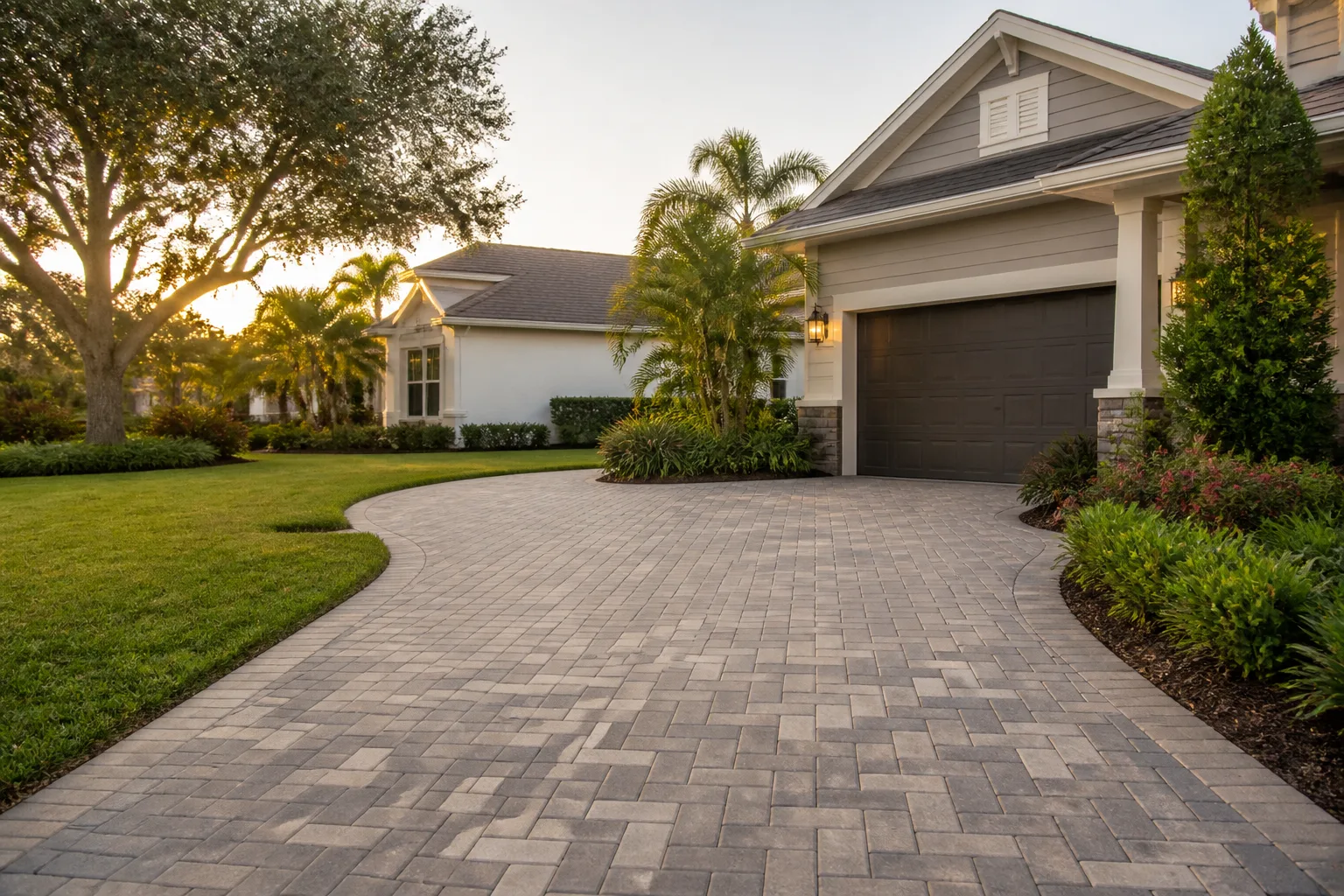
- Concrete pavers: $12 to $18 per square foot installed. The most common choice in North Texas. Manufactured uniformly, available in a wide range of colors and shapes, and widely stocked by DFW suppliers. A solid, predictable option for most Richardson driveways.
- Clay brick pavers: $16 to $24 per square foot installed. Classic look, genuine structural strength, and a material that ages well. Heavier than concrete and pricier, but brick pavers handle North Texas temperature swings without chipping the way some softer materials do.
- Natural stone: $18 to $30 per square foot and up, installed. Travertine, limestone, and granite pavers. Beautiful and durable, but they demand a more exacting base and installation, and some natural stones stain or fade under our intense summer sun. Best reserved for entry aprons and accent areas rather than a full driveway in most cases.
Talk to any DFW hardscape supplier and you’ll find the range shifts with the season and with the specific paver line you choose. A premium brand paver with a color-through body will run toward the top of the concrete range; a basic utilitarian paver toward the bottom. Material quality matters, but on Richardson clay, installation quality matters more. A mid-range concrete paver laid on a proper 10-inch base will outlast a luxury paver set on 4 inches of uncompacted stone every single time.
Choosing a Material for Richardson Conditions
- Sun exposure: Our summer sun is unforgiving. Lighter colors reflect heat and stay cooler underfoot. Dark pavers look striking but get painfully hot in August.
- Freeze-thaw: The bounce between freezing mornings and warm afternoons in winter is hard on any material. Choose pavers rated for freeze-thaw cycles.
- Staining: Vehicle oil and tree sap stain some porous natural stones. Concrete and brick are generally more forgiving.
- Repair: Concrete pavers can be lifted and re-laid individually if a section shifts. That replaceability is a real advantage on clay soil.
When the material decision feels crowded, our Driveway & Pavers in Richardson page walks through the specifics of each option we install. Indoor surfaces matter too: the same homeowners who want a durable paver driveway are often planning a kitchen update alongside it, and our Groundwork Construction Co. of Richardson home page connects that work to the rest of your home.
HOA and Permit Rules in Richardson and Collin County
Many Richardson homeowners belong to an HOA, and Collin County communities on the city’s north side tend to have some of the strictest design review in the area. Before you buy a single paver, you need to know whether your change requires HOA approval, a city permit, or both. Skipping this step is how projects get torn out after the fact.
What Usually Requires HOA Approval
- Changing the material or color of an existing driveway from concrete to pavers, or from one paver color to another.
- Widening a driveway beyond the original footprint.
- Adding an apron, border, or decorative pattern. Some associations prohibit certain patterns as inconsistent with the neighborhood.
- Altering drainage in a way that could affect a neighboring lot.
In Collin County HOA communities, design review boards often meet monthly and require a submission packet with a site plan, material samples, and a color photo. That approval can take four to six weeks, so build it into your timeline. A common misstep is signing a contract and scheduling the work before the design committee has ruled.
City Permit Considerations
Replacing a driveway in kind typically doesn’t require a permit from the City of Richardson, but widening your driveway, changing how it meets the public right-of-way, or altering the curb cut generally does. The rules hinge on whether you’re touching the public street approach or only the private portion of the drive. Get a straight answer in writing before work begins rather than after an inspector shows up.
Some of the most frequent headaches we hear about in Richardson come from driveways built in the public right-of-way line without approval. Call the city before you start, or delegate it to a contractor who knows the local process. Our team pulls permits and passes inspections as part of the job on projects that require them, and we’d rather answer that question before a shovel hits the dirt.
How to Read a Paver Contractor’s Quote Line by Line
A paver quote is a document you’re going to live with. The differences between a thorough quote and a thin one are almost always in the details that aren’t spelled out. Here’s how to read one so you know what’s missing before you sign.
Line Items a Complete Quote Should Include
- Demolition and haul-off. Removing the old surface and disposing of it. If it isn’t listed, it’s either not happening or it’s buried in the paver unit price.
- Excavation depth. How deep they’ll dig. Should be tied to the full base depth.
- Base material and depth. “Crushed stone base” alone is insufficient. You want the depth and compaction method stated.
- Geotextile fabric. Important on clay, often omitted on cheap quotes.
- Bedding sand. Material and depth.
- Pavers by brand and line. Not just “pavers.” Specific product means specific quality.
- Edge restraints. How the field edges are held.
- Joint sand. Type matters, especially for stabilization.
- Drainage provisions. Grading, swales, or any drainage structures.
- Cleanup and final walkthrough. Where the debris goes and who inspects the finished job.
- Warranty terms in writing. Duration, what’s covered, and who honors it.
A quote without excavation depth, base depth, compaction method, and edge restraints is telling you what matters to the contractor: the material, not the foundation. Push back on those omissions. Ask how deep the base goes and how it’s compacted. Ask whether geotextile is included. A contractor confident in the job will answer without hesitation.
Quotes That Should Raise an Eyebrow
- One lump sum with no breakdown. You can’t verify what you’re paying for.
- “Standard base” with no depth given. Standard for what soil?
- No mention of compaction method. Loose stone is not a base.
- Labor and materials in a single line. Makes it impossible to see where the money goes.
What we do on every Richardson driveway is simple: a written, line-item quote with the numbers in front of you before anything starts. Upfront pricing, no surprises. When the base depth, the compaction, and the warranty are all on the page, you can compare quotes honestly instead of guessing which contractor will cut a corner.
The 730-Day Standard: What a Real Warranty Covers
Every contractor claims to “stand behind their work.” Those five words are worth exactly nothing unless the warranty behind them is specific, in writing, and longer than the first problem takes to surface. On Richardson clay, the failures show up in years two through four, which is precisely why a one-year workmanship warranty is close to meaningless here. A one-year warranty expires right around the time a shallow base starts to settle.
Our standard is the 730-Day Done Right Promise. If the work isn’t done right, we make it right, and the coverage runs for two full years, which is one of the longest workmanship guarantees in residential construction. Two years is the right number in this market because it’s long enough to cover at least one full wet-and-dry season on the clay and the first freeze-thaw cycle after that. It’s a promise built specifically for the way driveways fail here.
What a Strong Workmanship Warranty Should Spell Out
- Duration in years, not months. One year expires before the failure shows.
- What’s covered. Settlement, heaving, joint failure, edge restraint failure, and drainage problems should all be named.
- Who performs the repair. The warranty is meaningless if the contractor has disappeared.
- Response time. How quickly a repair gets scheduled once you report an issue.
- Exclusions stated plainly. Vehicle damage, tree roots, and misuse are fair exclusions. Vague language that excludes everything is not.
Read the fine print before signing. A real warranty names what’s covered and gives you a way to hold the contractor to it. Vague “we stand behind our work” language is a warranty that isn’t one. And when you want to talk it through, our calls are answered by a live person 24/7, so a warranty question never has to sit in a voicemail until Monday morning.
Drainage, Grading, and the Water Problem
Water is the enemy of every driveway in Richardson, and it’s the reason clay soil is so unforgiving. When rain pools on the surface, it finds cracks, joints, and any low spot in the grading, and it works its way into the base. Once the base is wet, the clay under it gets wet, and the whole assembly starts to move. The fix is simple in principle and easy to mess up in practice: get the water off the driveway and away from the house.
Proper grading starts with a slope of 1 to 2 percent away from the house, running to a drainage path the water can follow to a street, swale, or yard. On flat sites, that may mean a channel drain, a shallow swale, or a gravel-filled trench along the low side. We’ve seen Richardson driveways fail for exactly one reason: water ran in the wrong direction for two seasons. Those are the most expensive repairs to make, because you’re rebuilding the base, not just patching the surface.
Drainage Elements to Ask About
- That the finished deck slopes away from the house. At least 1 percent. Confirm it before the pavers go down.
- That there’s a defined downslope for water leaving the driveway. A path to somewhere, not just an angled edge.
- That the base drains, not traps. Crushed stone base plus geotextile works with the soil, not against it.
- That existing drainage, gutters, and downspouts discharge away from the driveway. A downspout dumping at the driveway edge is a slow-motion failure.
If your yard floods regularly or your existing driveway holds standing water after every storm, the driveway is usually a symptom, not the cause. That’s often the moment to fix the grading at the same time. Homeowners planning a larger grading or hardscape project sometimes pair it with other work, and our Home Additions & ADU in Richardson page covers how a full-scope contractor handles grading, drainage, and structural work as one coordinated job.
Keeping a Paver Driveway Looking Right in North Texas
A well-built paver driveway in Richardson is close to maintenance-free, but “close to” isn’t “zero.” The joints that lock the pavers together hold sand, and over time rain, wind, and traffic work that sand out. Once the joints open, water gets in, and on clay you know what happens next. Re-sanding the joints every two to three years keeps the pavement stable and the surface looking sharp. It’s a weekend’s work, or a small service call.
Beyond joint sand, most of the upkeep is simple attention. Wash off oil and sap before they set. Don’t park heavy equipment on a driveway that wasn’t designed for it. Keep tree roots from pushing under the edges if you have mature trees near the drive. And after the first hard freeze of the season, take a look for any new cracks or shifts. Catching a small problem in March is cheaper than rebuilding a settling field in September.
Seasonal Checklist for Richardson Driveways
- Spring: Inspect joints after the wet season. Top off sand where it’s washed low. Check drainage paths for blockages.
- Summer: Rinse off oil and sap promptly. Watch for sun-fading on darker pavers.
- Fall: Clear leaves and debris from drains and swales. Re-sand joints before winter.
- Winter: After a freeze, look for heaved or shifted sections. Don’t use rock salt; it’s hard on concrete pavers and joint sand.
One thing any Richardson homeowner should know: the same freeze-thaw cycles that strain a driveway also take a toll on fences and gates along the property line. If you’re out inspecting the driveway each season, glance at those too. Our Fence Installation in Richardson page covers what to look for on wood and steel fences in North Texas weather.
Common Mistakes to Avoid
- Approving a shallow base. The most common cause of paver failure in Richardson is a base built to national standards instead of local soil conditions. Confirm 8 to 12 inches of compacted stone in writing.
- Skipping the geotextile fabric. Without a separation layer, clay pumps up into the stone base over time and the whole assembly loses support. It’s cheap insurance, and it’s easy to leave out.
- Choosing pavers by color before fixing drainage. The prettiest paver on the market fails in two seasons if water runs toward the house instead of away. Get the grading right first.
- Scheduling installation before HOA approval. Collin County design review boards can take weeks. A crew showing up before the committee has ruled is a recipe for a torn-out driveway.
- Accepting a one-year workmanship warranty. On Richardson clay, the failure window starts in year two. A warranty that expires before the problem appears isn’t a warranty.
- Ignoring downspouts and gutter discharge. A downspout dumping next to the driveway slowly undermines the base. Check where your gutters actually send water before you build.
- Comparing quotes on price alone. The cheapest quote is almost always the thinnest base, the fewest line items, and the shortest warranty. Compare what’s in the quote, not just the total.
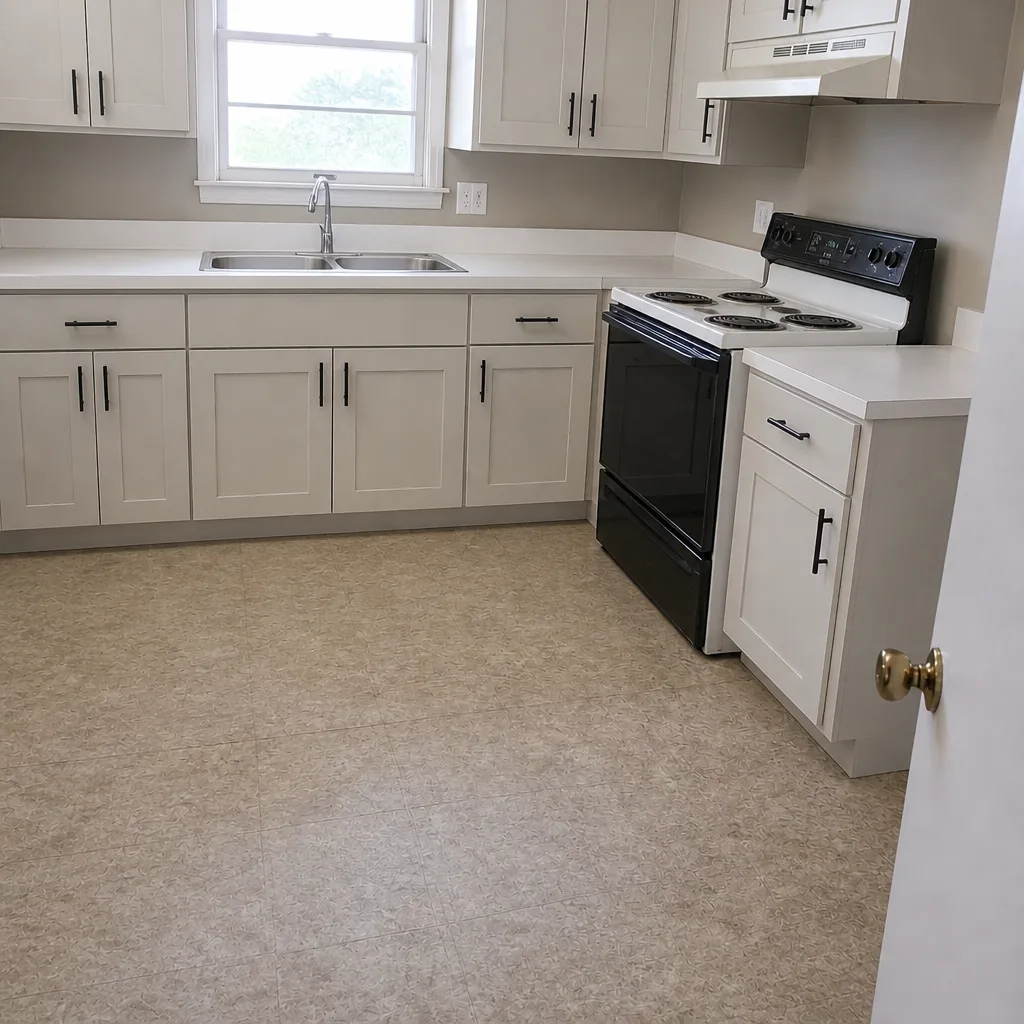
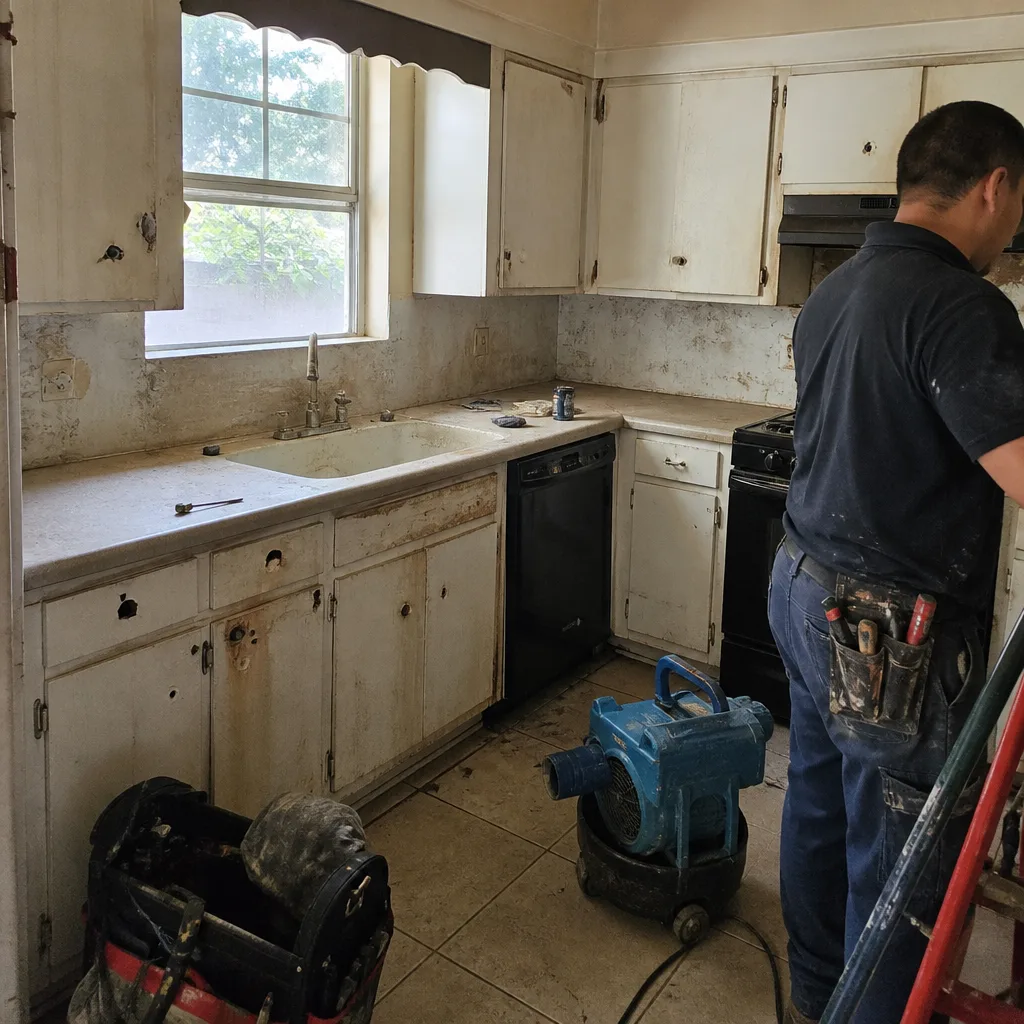
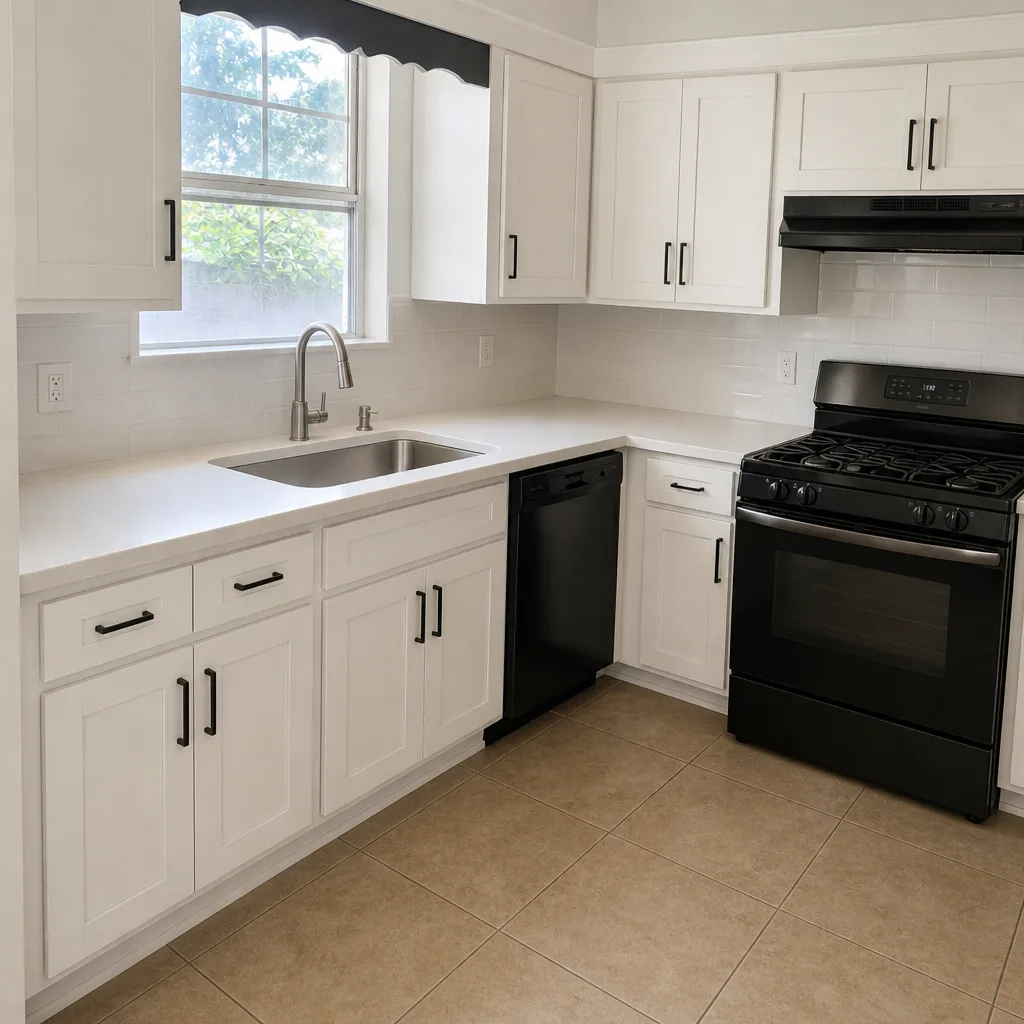
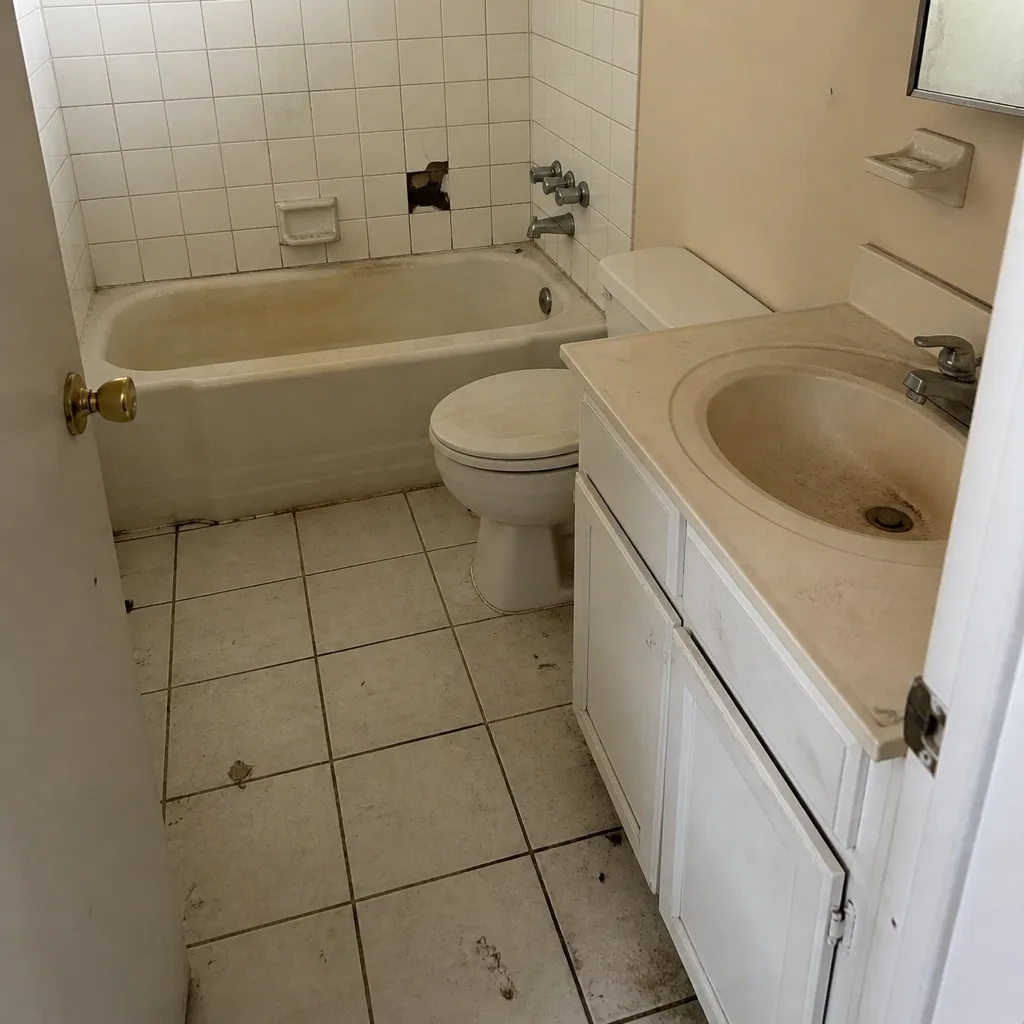
See the difference
 Before
 After
 Before
 After
 Before
 After
When to Call a Professional
Some driveway work is fine to handle yourself: sweeping, re-sanding joints, clearing drains. The moment you’re dealing with base depth, excavation, compaction, edge restraints, or any question of whether the current driveway is settling unevenly, it’s time for a professional. The reason is straightforward. The expensive part of a driveway is the base, and it’s buried. You can’t inspect it after the fact, and if it’s wrong, the whole job fails. Getting the foundation right on Richardson clay is a job for someone who has done it in this soil before.
The same rule applies when the work touches grading, drainage, or the structure of the house, and when permits or HOA approval are involved. Those are places where a mistake is costly to undo. A professional handles the sequence in the right order, from excavation through final walkthrough, and the work is covered in writing. Groundwork Construction Co. of Richardson offers free estimates in Richardson. Call (833) 954-4985 to schedule yours.
Frequently Asked Questions
Most paver driveways in Richardson run $12 to $24 per square foot installed, which puts a typical two-car driveway in the $8,500 to $18,000 range depending on material, size, and site conditions. Concrete pavers sit at the lower end, clay brick in the middle, and natural stone at the top. Call (833) 954-4985 for an exact quote on your driveway; estimates are free.
They fail because the base was too shallow for Blackland Prairie clay. When the clay swells and shrinks, a thin or poorly compacted base can’t hold the pavers level, and the surface settles unevenly within a few seasons. A base of 8 to 12 inches of compacted crushed stone, laid in lifts with geotextile fabric, is what holds up here.
Replacing a driveway in kind usually doesn’t need a city permit, but widening it or altering the curb cut generally does. Many HOAs, especially in Collin County communities, require design review before any material or color change, and those approvals can take four to six weeks. Confirm both before signing a contract.
A typical Richardson driveway takes three to five days from excavation to cleanup, depending on square footage and site conditions. The base work is what drives the schedule. A job that takes two days is cutting corners on excavation or compaction. Plan for the full sequence, including curing and final walkthrough.
It shouldn’t. On a written, line-item quote with the base depth, materials, and labor all specified, the price is fixed before work begins. A reputable contractor won’t hit you with change orders after excavation. If a quote leaves out major line items, ask why before you sign, not after.
At least two years, and longer is better. The failures caused by clay movement typically appear in years two through four, so a one-year warranty expires before the problem shows up. The 730-Day Done Right Promise covers two full years of workmanship. Call (833) 954-4985 to talk through what’s covered on your project.
The Bottom Line
The reason paver driveways fail in Richardson isn’t the pavers. It’s the clay underneath them, and the base depth the installer chose to build on top of it. Get that right, with 8 to 12 inches of compacted base, proper drainage, edge restraints, and a written workmanship warranty measured in years rather than months, and a paver driveway here can last a generation. Get it wrong, and you’ll be rebuilding inside of five years. The material you choose matters less than the foundation it sits on. Choose the contractor who builds the foundation first, and the rest follows.
If you’re planning a paver driveway in Richardson, we’d rather answer your questions before you commit to anything. Call Groundwork Construction Co. of Richardson at (833) 954-4985 for a free estimate. All work is backed by the 730-Day Done Right Promise, and our calls are answered by a live person 24/7.
Written by the team at Groundwork Construction Co. of Richardson.