Last updated November 18, 2026

Free written scope consultation - allowances, timeline, and change-order rules on paper before a single trade is scheduled
How Long Does Driveway & Pavers Take? Timelines and What to Expect
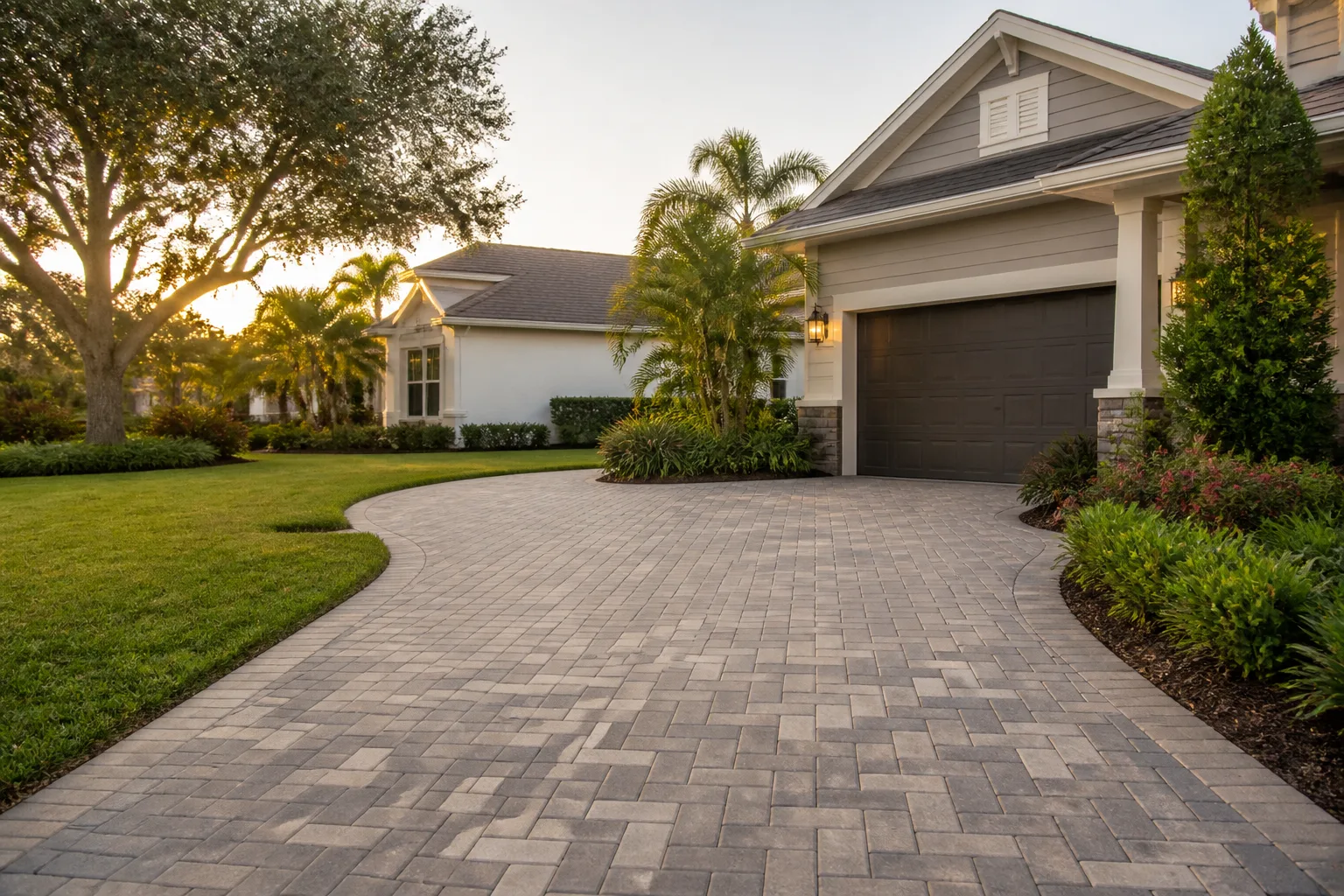
A contractor who promises your 1,200 sq ft driveway done in two days either isn’t digging deep enough or isn’t letting the base cure. Neither is a situation you want under your vehicles. Most paver driveways take seven to fourteen working days on site, and the full arc from signed contract to final walkthrough usually runs three to six weeks once you factor in material lead times and weather. In Richardson, where expansive clay soil and a volatile spring storm season both push on the schedule, that window matters. This guide breaks down every phase, the realistic calendar, and the warning signs that a timeline is too good to be true.
Quick Answer
A paver driveway typically takes 7 to 14 working days of active installation, plus 24 to 48 hours of base compaction and curing that can’t be skipped. From contract signing to final walkthrough, plan on 3 to 6 weeks total in Richardson. The base prep and cure phases, not the square footage, are what actually set the pace.
Styles & brands we work with
- Kitchen remodeling
- Bathroom remodeling
- Home additions & ADU
- Roofing
- Windows & doors
- Driveway & pavers
- Fence
Table of Contents
- Phase-by-Phase Timeline Breakdown
- Why Base Compaction Needs 24-48 Hours
- Richardson Weather Windows: Best Months to Install
- What a Realistic Project Schedule Looks Like
- Red Flags in a Contractor’s Timeline
- Materials, Brands, and How They Affect Timing
- How Timeline Affects Cost
- Common Mistakes to Avoid
- When to Call a Professional
- Frequently Asked Questions
If you’re still weighing whether pavers are the right surface for your property, our overview of Driveway & Pavers in Richardson covers material comparisons and design options before you commit to a schedule.
Phase-by-Phase Timeline Breakdown
Every paver driveway moves through the same sequence. What changes job to job is how long each phase takes, and that’s driven by your existing surface, the soil underneath, and the weather during your install window. Here’s the honest breakdown we work from.
1. Demolition and removal (1-2 days)
Existing concrete, asphalt, or old pavers come out first. A standard two-car driveway in a Richardson neighborhood like Canyon Creek or Prairie Creek usually takes one day to break out and haul off, but a thick poured-concrete slab with rebar can stretch to two. Haul-off distance and dump fees affect this too, and it’s the phase where you find out what’s actually under the surface.
2. Excavation and grading (1-2 days)
Once the old surface is gone, the subgrade gets excavated to the correct depth for your base thickness plus paver height. This is where proper drainage slope gets set. In Richardson, where our blackland clay holds water, getting the grading right is the difference between a driveway that sheds rain and one that puddles at the garage door for years.
3. Base prep and compaction (2-3 days, including cure)
Crushed stone base goes down in lifts and gets compacted between each one. This phase is the one most often rushed, and it’s also the single most important phase for how long the driveway lasts. We cover it in detail in its own section below.
4. Paver laying (2-4 days)
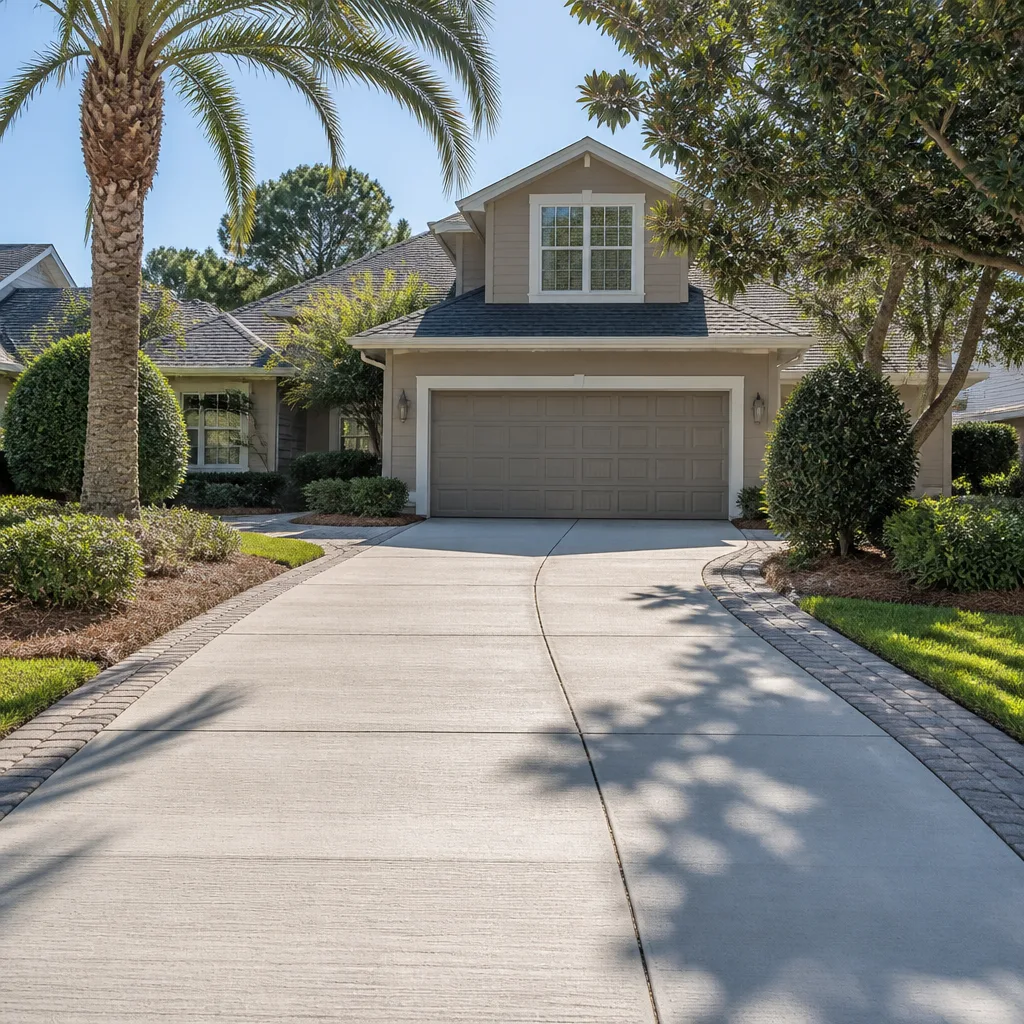
A crew can typically lay 300 to 500 square feet of pavers per day depending on pattern complexity. A herringbone pattern with borders takes longer than a simple running bond. A 1,200 sq ft driveway in a Richardson Heights or Arapaho-area home lands in the two-to-four-day range for this phase alone.
5. Cutting, edging, and joint sand (1-2 days)
Edge restraints get installed, border cuts get made, and joint sand gets swept and compacted into the gaps. This is finish work, and it’s where craftsmanship shows in the final result.
6. Sealing and final cure (1-2 days plus cure time)
Sealer protects against stains and UV fading, but it needs a dry, clean surface and time to cure before vehicles are allowed back on. Plan on staying off the finished driveway for at least 24 to 72 hours after sealing, sometimes longer depending on humidity.
Why Base Compaction Needs 24-48 Hours (and What Shortcuts Look Like)
The base is the part of your driveway you never see, and it’s the part that decides whether your pavers still sit flat in year ten or start heaving and shifting by year two. Crushed stone base has to be placed in controlled lifts, compacted with a plate compactor or roller, and each lift has to settle before the next one goes down. That settling takes time, and on a Richardson clay lot with any moisture in the subgrade, cutting that time short is how driveways fail.
Here’s what rushing looks like in practice, and what to watch for:
- Single-lift compaction. Instead of compacting in layers, the base is dumped in one thick layer and compacted once from the top. It feels firm at the surface and stays loose underneath, and it settles unevenly under vehicle weight.
- No moisture conditioning. Crushed stone compacts best at the right moisture content. Skip that step and the compaction density you measure is not the density you get long-term.
- Skipping geotextile fabric. A separation fabric between the subgrade and the base keeps clay fines from migrating up into the stone layer. On Texas blackland clay, that migration is real, and skipping the fabric is a shortcut that shows up as soft spots within a couple of seasons.
- Compacting and laying pavers the same day. Legitimate crews give the finished base at least a 24-hour cure so the string lines are set against a stable surface and the base has settled before pavers go on top.
We’ve inspected plenty of Richardson driveways that were laid over a base that was never given a full cure, and the failure pattern is consistent: uneven settling, visible dips around the tire paths, and joints that open up within two or three years. The fix is a full redo of the base, which costs far more than the extra day would have.
Richardson Weather Windows: The Best Months to Install
Paver installation is far more weather-sensitive than most homeowners expect, and this is where being local matters. Here’s how the Richardson calendar really plays out.
- April and May are the most reliable install months. The spring storm season brings heavy rain, but between fronts the temperatures are moderate, base compaction happens predictably, and crews can lay pavers without fighting the heat. The trade-off is scheduling pressure, because everyone else wants an April install too.
- October is the single best month of the year. Cool, dry, and stable. If you can plan a fall install, take it.
- June through August is the hardest stretch. Summer heat above 100°F slows crews, accelerates sealer cure times unpredictably, and exposes moisture in the subgrade. Prep work in the morning and finish work later is the norm, which pushes the schedule.
- Winter is doable but inconsistent. DFW ice events and freeze-thaw cycles around the Richardson corridor can shut a job site for a day or two at a time. If you start a driveway in December, plan for the very real chance of a weather delay.
The practical takeaway: if you’re planning an install, lock in an April-May or October slot when you sign. Our Groundwork Construction Co. of Richardson home page has more on our full-service approach if you want to coordinate a driveway with other exterior work.
What a Realistic Project Schedule Looks Like (Contract to Walkthrough)
The installation phase is what homeowner conversations focus on, but the actual calendar from the day you sign to the day you drive on it is longer. Here’s the realistic sequence we walk Richardson homeowners through.
- Week 1: Contract signed, HOA and permit review. Many Richardson HOAs and neighborhoods around the Canyon Creek area require design approval before work begins. That process can take a few days to a couple of weeks depending on the board.
- Week 1-2: Material ordering and delivery. Paver lead times for special-order patterns or custom colors can stretch to two to three weeks. Stock colors move faster.
- Week 2-4: Installation window opens. Demolition, excavation, base prep, and paver laying run as described above, typically 7 to 14 working days on site.
- Week 4-5: Cutting, jointing, and seal. Finish work and the final seal coat, plus the cure window before you park on it.
- Week 5-6: Final walkthrough. Drainage check, joint inspection, and the handoff on how to maintain the surface so it lasts.
Add a week somewhere if the weather turns or if the existing slab is thicker than expected. A contractor who gives you a firm date six weeks out without allowing for any of that is guessing.
Red Flags in a Contractor’s Timeline
What a contractor tells you about their timeline tells you more about their operation than any brochure will. Here’s what to listen for.
“We can start Monday”
Sometimes that’s real availability, and sometimes it means their schedule is empty because no one is calling. More often it means they’re booking the install before the material has been ordered, which leads to delays the moment the first pallet doesn’t show up. Ask when the pavers are scheduled to arrive and who’s pulling the HOA approval. A crew with a full book will tell you the honest lead time.
No mention of a base cure
A quote that says “base and pavers in three days” on a 1,200 sq ft driveway is a quote from someone who plans to cut the cure. Walk away from that timeline unless they can explain how they’re achieving full compaction without it.
Vague on the sequencing
Ask any contractor to walk you through the phases by name: demo, excavation, base, compaction, edging, laying, joints, seal. If they can’t name the phases off the top of their head, they aren’t running the job themselves. Our team at Groundwork Construction Co. of Richardson runs every paver job from this same sequenced checklist, so you get the breakdown in writing before you sign.
A price that changes once demolition starts
Hidden conditions are real, but the estimate should account for the known risks in your city. A Richardson estimate should already allow for clay-heavy subgrade and the possibility of a thicker-than-expected slab. If the number moves significantly after demolition, that’s a contractor who didn’t do the walkthrough properly, not a surprise you should accept. Our pricing is upfront, and the number you see is the number you pay.
Materials, Brands, and How They Affect Timing
Paver material choice affects both the lead time before your install and the pace during installation. We work with Belgard and a curated set of top-tier suppliers across the exterior trades so that material availability is one less variable to worry about.
What matters for timing:
- Standard-shape pavers in a stock color move fastest. Two-week lead time, straightforward laying rate.
- Custom colors or unusually shaped pavers add one to two weeks to the front end and slow the laying phase because cuts are harder.
- Large-format slab pavers look incredible but require heavier equipment and slower, more careful laying. A 1,200 sq ft install with slabs can take 30-50% longer in the laying phase than standard brick pavers.
- Pavers with a built-in sealer or a factory finish can shorten the sealing phase, but the cure window before driving is still necessary.
Modular construction concepts like Cover, Dvele, and Boxabl have gotten attention for how they compress build timelines on housing, and the same logic applies to hardscape: the more factory conditions you can bring to the process, the more predictable the schedule. But pavers are still installed on-site over a site-specific base, and no brand can shortcut that cure. Anyone telling you otherwise is selling, not building.
If your project pairs a new driveway with other exterior work, coordinating trades is a real time saver. Our Fence Installation in Richardson service runs on the same schedule logic, and doing both together often shortens the overall project by a week or two.
How Timeline Affects Cost
Timeline and price are more connected than most quotes admit. Here’s a realistic breakdown of the drivers in Richardson.
- Demolition depth: A standard drop-and-replace is faster and cheaper than a job that requires breaking out thick concrete and hauling extra weight.
- Base thickness: Driveways need at least 4 to 6 inches of compacted base in our soil conditions. Going thicker costs more and takes longer, but is often the right call for heavy vehicles.
- Pattern complexity: Herringbone with a border adds one to two days over running bond and adds material waste.
- Weather delay cushion: A quote that doesn’t include any weather delay allowance is either cutting other corners or will surprise you later. Realistic quotes build in a few days of flexibility.
- Sealer choice: Some sealers require two coats and 48 hours between them. Choose a faster-cure sealer and you shorten the time you can’t park.
Groundwork Construction Co. of Richardson provides no-hassle upfront pricing so that these drivers are itemized in writing before work starts. We also offer 0% financing for 18 months and $1,000 off projects over $10,000, which can make the all-in cost easier to plan around if you’re pairing a driveway with a larger exterior project like our Home Additions & ADU in Richardson service.
Common Mistakes to Avoid
- Choosing a timeline over a phase breakdown. A two-day quote for a driveway isn’t a shortcut, it’s a shortcut that shows up as an uneven surface in year two. Ask for a written phase-by-phase schedule.
- Scheduling an install in July because the quote was available. The July heat slows the crew, complicates sealer cure, and exposes the base to moisture problems. April, May, and October exist for a reason.
- Skipping the HOA check. Several Richardson neighborhoods around the Canyon Creek and Prairie Creek areas require design approval before work begins. Starting work before approval can force a redo.
- Sealing too early. Sealer on a surface that hasn’t fully dried traps moisture and creates hazy patches. Wait the full cure window your contractor gives you, not the shortest window you can find online.
- Parking on it too soon. Joint sand needs time and a final compaction before it locks in. Driving on the driveway before the cure window ends pushes sand out and starts joints opening.
- Assuming a lower bid means a faster install. Cheaper bids usually deliver less base prep, thinner base, and a sloppier schedule. The savings show up as a shortened install and a shortened life expectancy.
- Not asking who’s doing the compaction. Plenty of crews sub out the base work to the same subcontractor who’s running three other jobs that week. Ask who’s doing the compaction and when it happens.
When to Call a Professional
If you’re planning a first-time driveway install, haven’t had a slab inspected in years, or you’re seeing existing pavers that dip, rock, or have joints opening up, it’s time to have someone look at it in person. The same is true if you have a drainage problem at the garage threshold or you’re not sure whether your base will support a heavier truck or RV. Base failure is easy to diagnose early and expensive to fix after the pavers are down. Groundwork Construction Co. of Richardson offers free estimates in Richardson, and our technicians have up to 12 years of experience reading exactly these kinds of site conditions. Call (833) 954-4985 to schedule a walkthrough.
Frequently Asked Questions
Most paver driveways in Richardson take 7 to 14 working days of active installation, plus 24 to 48 hours of required base cure that can’t be compressed. From contract signing through final walkthrough, plan on three to six weeks depending on material lead times and weather. Call (833) 954-4985 for an exact timeline based on your property.
No, not on a normal residential driveway. A two-day quote on a 1,200 sq ft install means either the base is not being excavated to the correct depth or it’s not being allowed to cure, and both are how driveways fail in year two. A realistic timeline accounts for demo, excavation, base compaction, paver laying, and jointing as separate phases.
Crushed stone base has to be compacted in controlled lifts, and each lift needs time to settle before the next goes down. Skipping that cure means the base is loose under a firm-looking surface, and you get uneven settling around the tire paths within a couple of seasons. On Richardson’s clay-heavy soil, base prep is the single most important variable in how long the driveway lasts.
April, May, and October are the most reliable install months in Richardson because temperatures and moisture are stable enough to run compaction and sealing on schedule. July and August bring heat and sealer-cure complications, and winter brings freeze-thaw risk around the Richardson corridor. If you can plan in a fall or spring window, do.
Rain can delay a paver install, but only if it falls during the wrong phase. A wet base needs time to dry before compaction, and sealing can’t happen in the rain. A realistic contractor builds a few days of weather cushion into the schedule. Ask for that cushion in writing before you sign.
Permits and HOA design review are part of the process on many Richardson driveway projects, especially in neighborhoods with active architectural review committees. Ask for that scope in writing before work begins. Call (833) 954-4985 to talk through what your specific neighborhood requires.
The Bottom Line
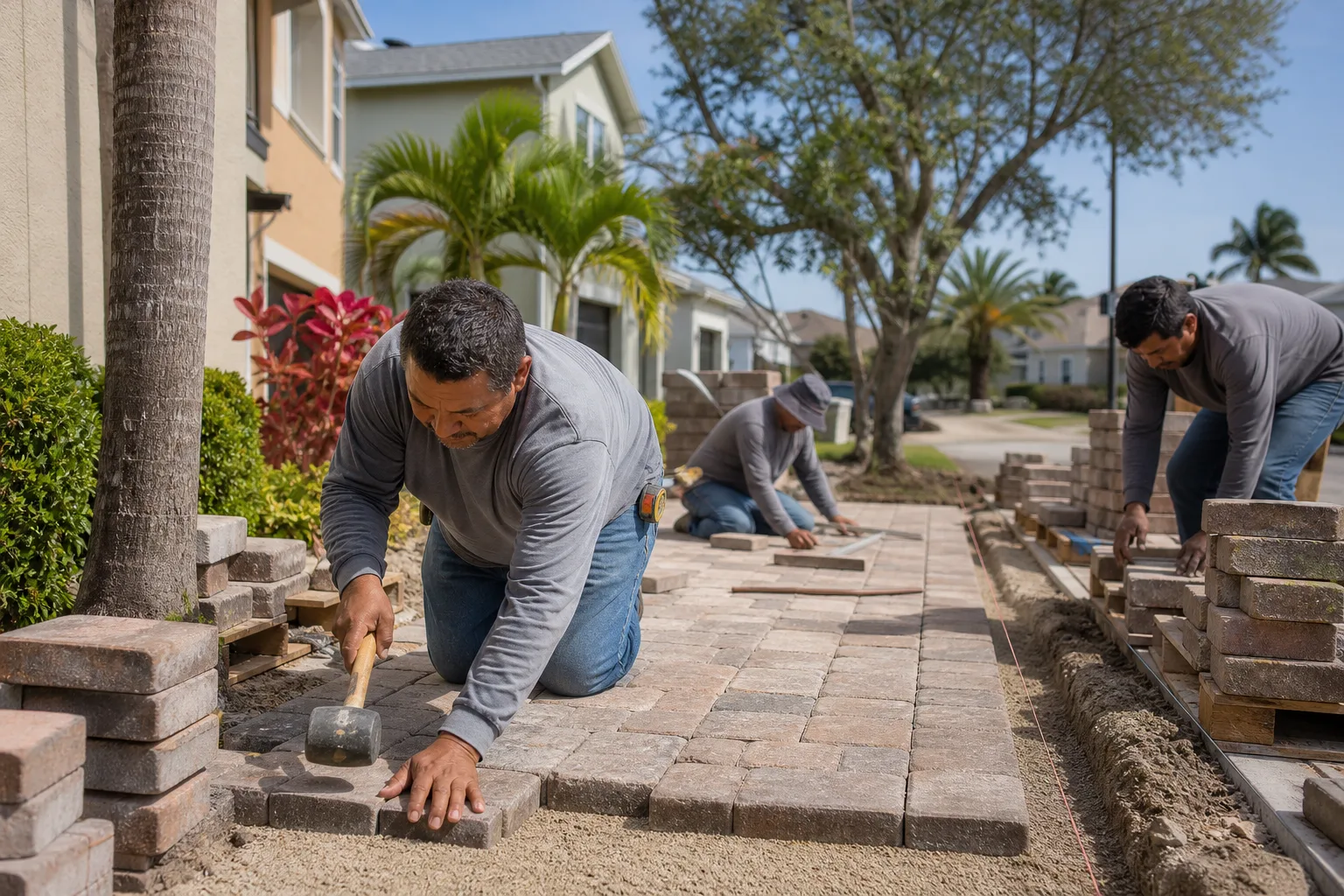
The realistic answer to “how long does a paver driveway take” is three to six weeks from contract to walkthrough in Richardson, with 7 to 14 working days of active work on site. The base cure is what sets the floor on a safe, durable install, and the weather window you choose determines whether the schedule holds. Base compaction, Richardson’s clay soil, and April-May-October timing are the real variables, not square footage. If a contractor promises less than that, they’re promising you a driveway that will need replacing sooner than you think.
Groundwork Construction Co. of Richardson is the full-scope home construction partner for homeowners who refuse to gamble on their biggest investment. Every paver project is covered by our 730-Day Done Right Promise – if it’s not done right, we make it right – one of the longest workmanship guarantees in the residential construction space. Calls are answered by a live person, 24/7, and every technician is background-checked and arrives in uniform. Reach out today and we’ll walk your property, break down the phased timeline in writing, and give you upfront pricing with no surprises. Call (833) 954-4985 for a free estimate and design consult.
Written by the team at Groundwork Construction Co. of Richardson.
See the difference
 Before
 After
 Before
 After
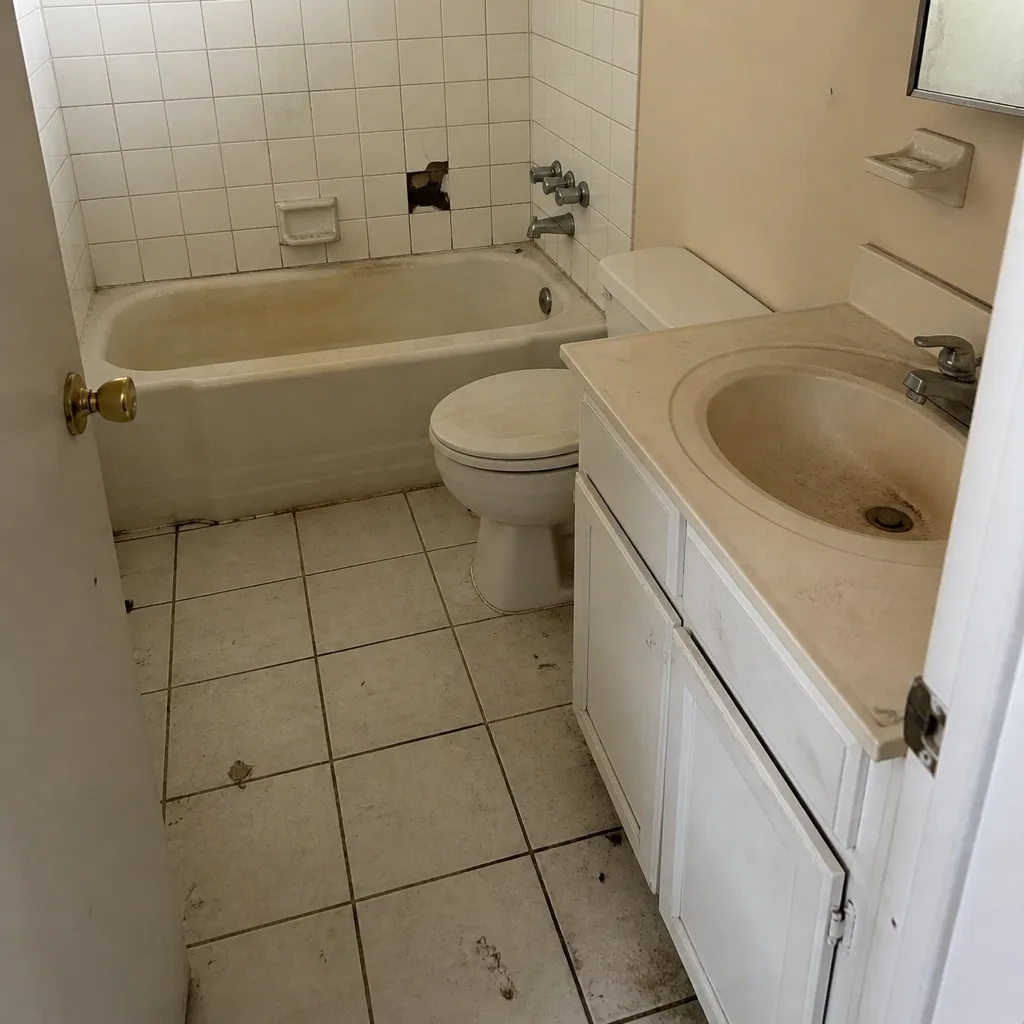 Before
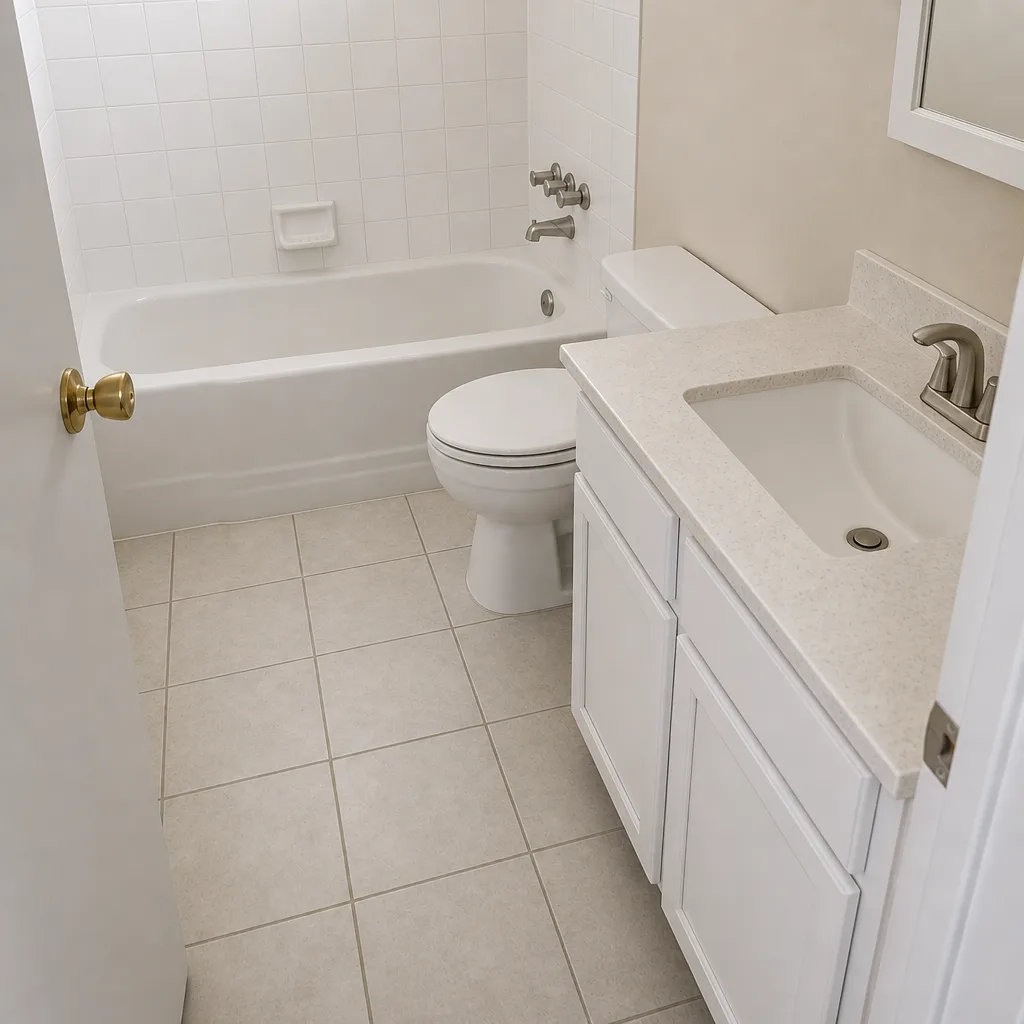 After