Free written scope consultation - allowances, timeline, and change-order rules on paper before a single trade is scheduled
Styles & brands we work with
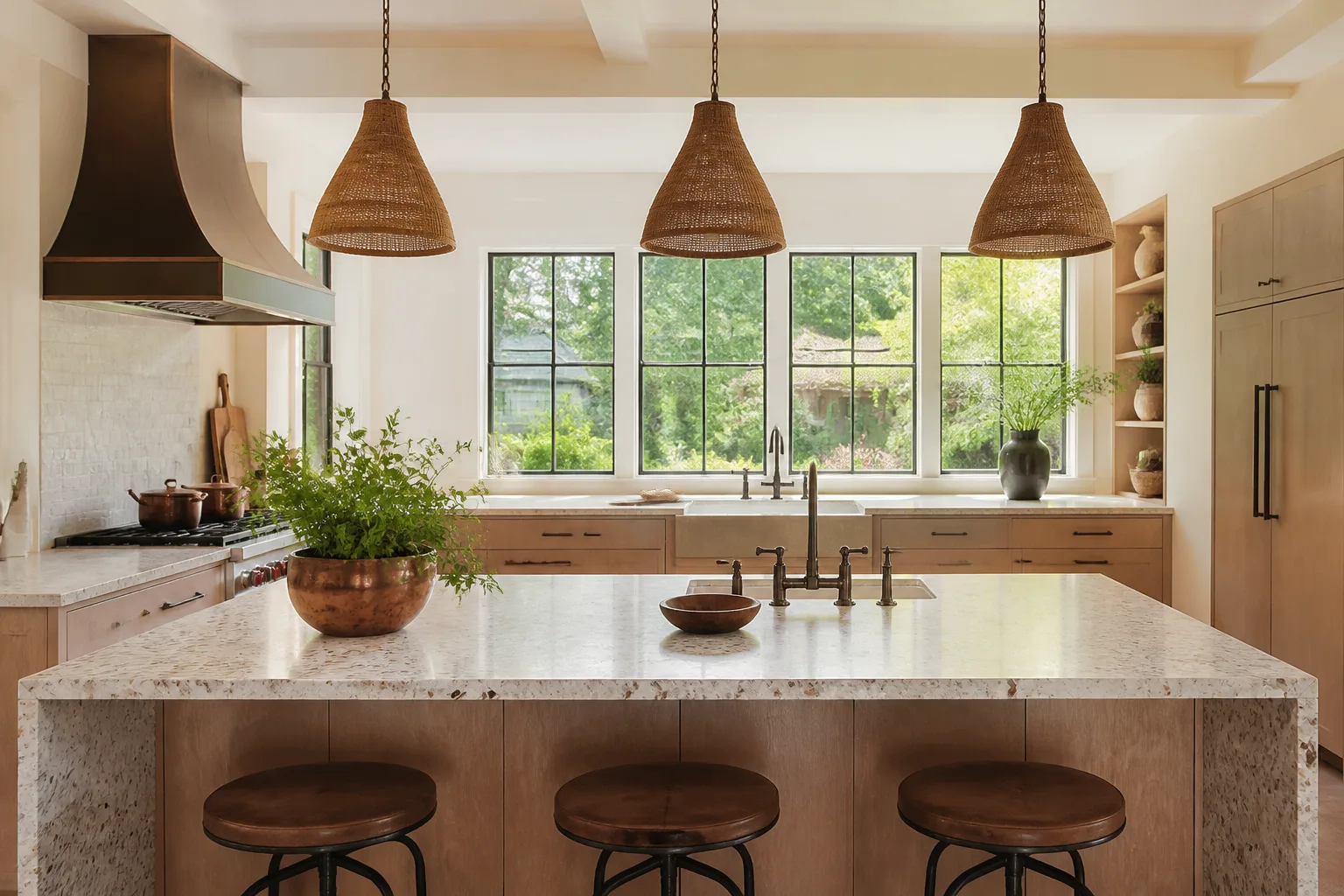
- Kitchen remodeling
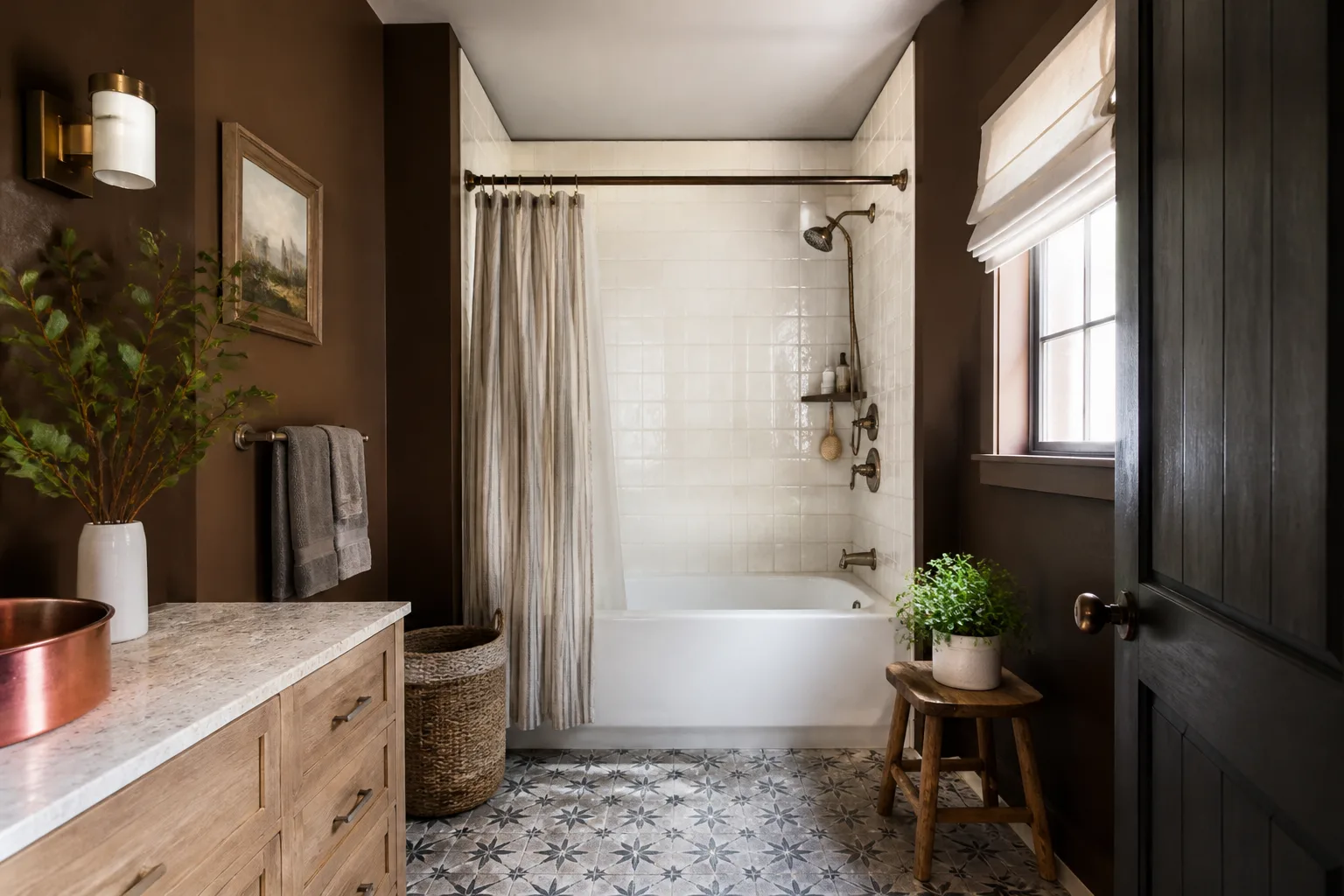
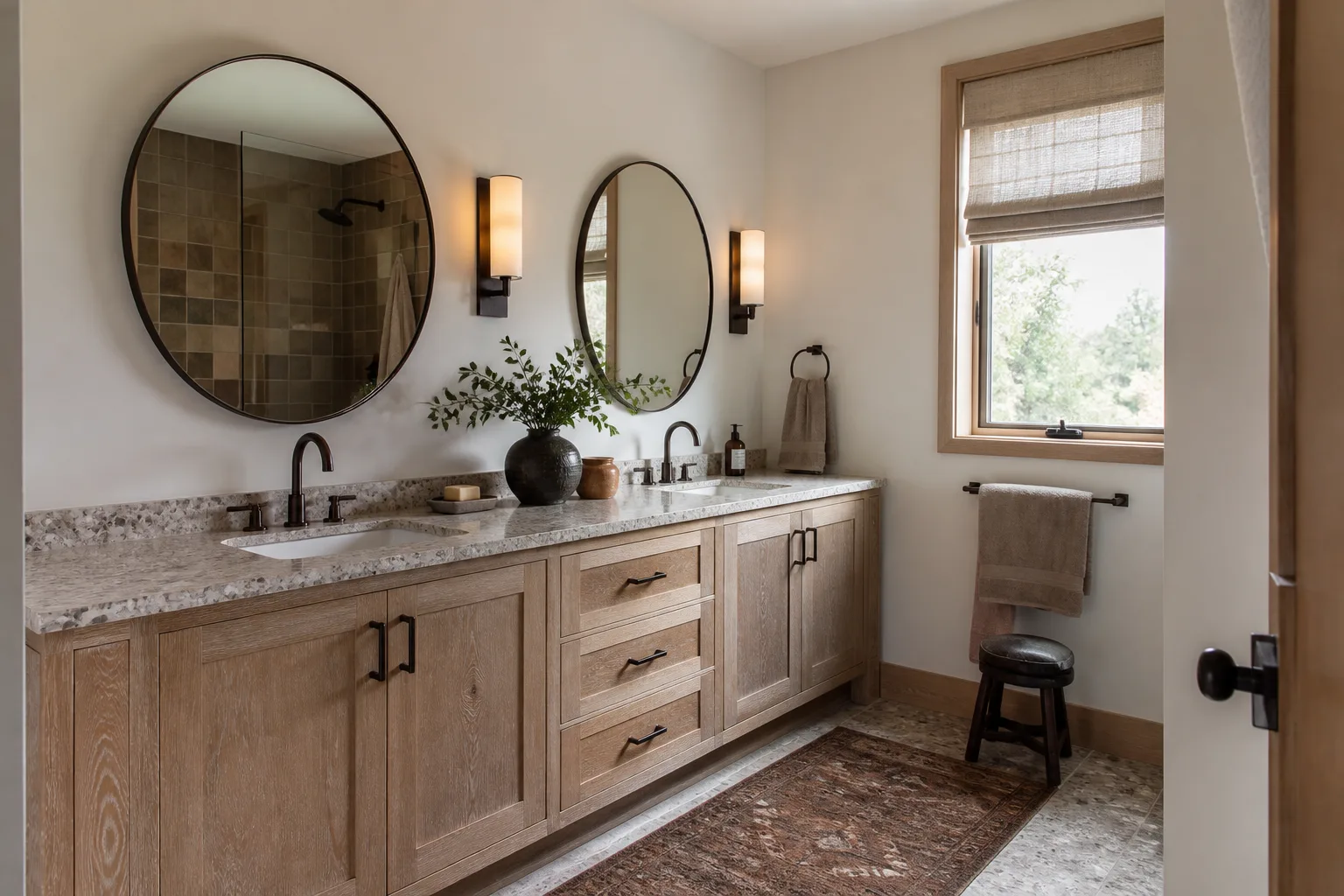
- Bathroom remodeling
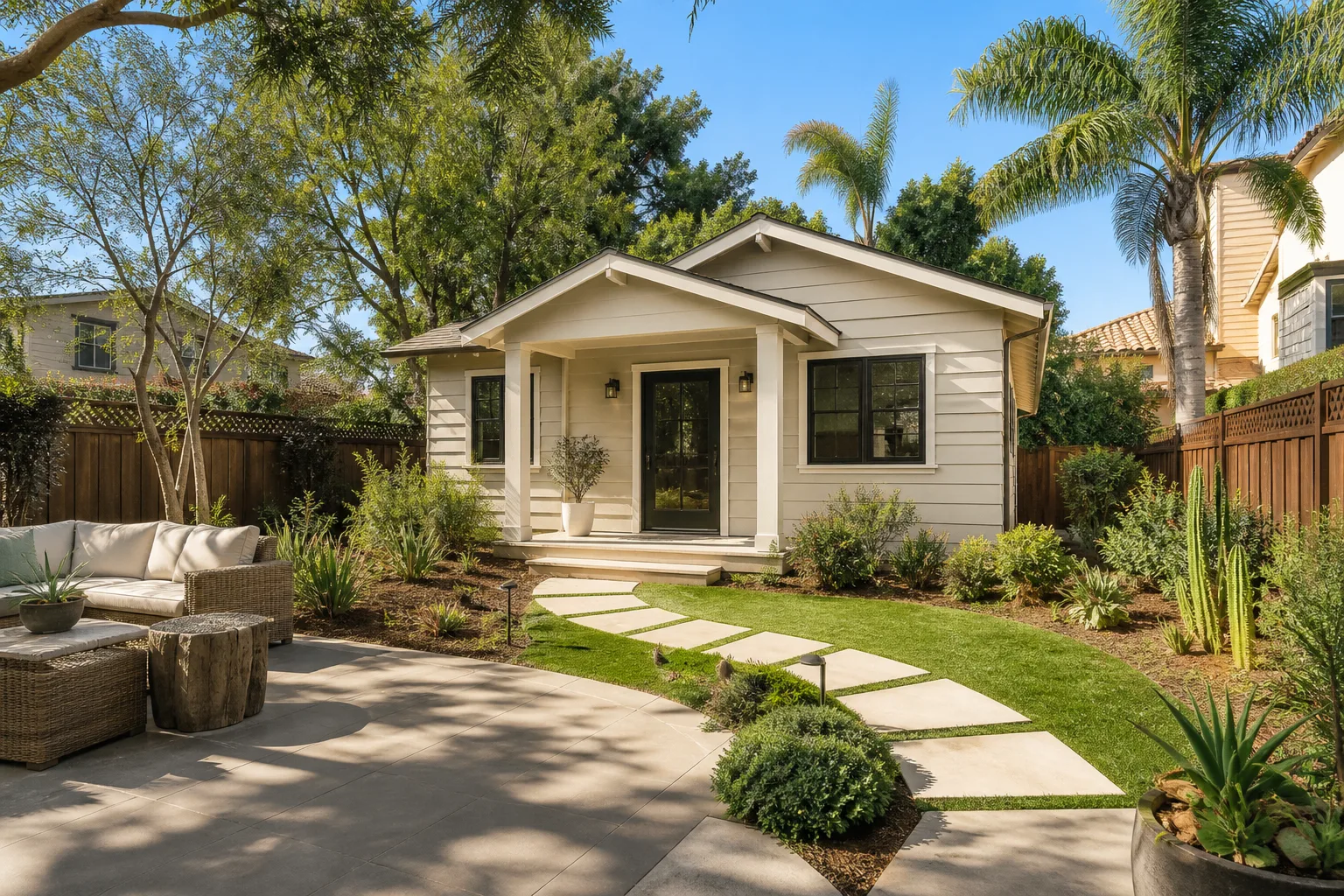
- Home additions & ADU
- Roofing
- Windows & doors
- Driveway & pavers
- Fence
See the difference
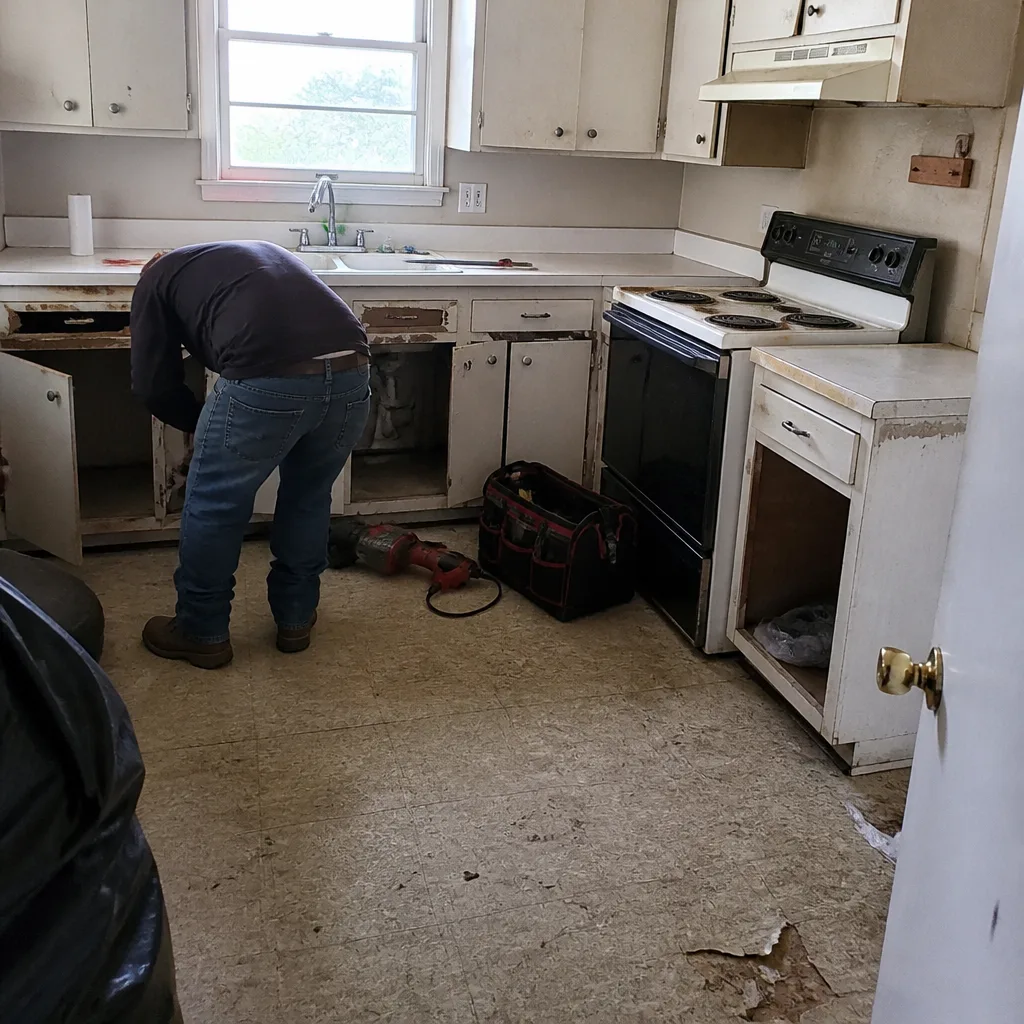 Before
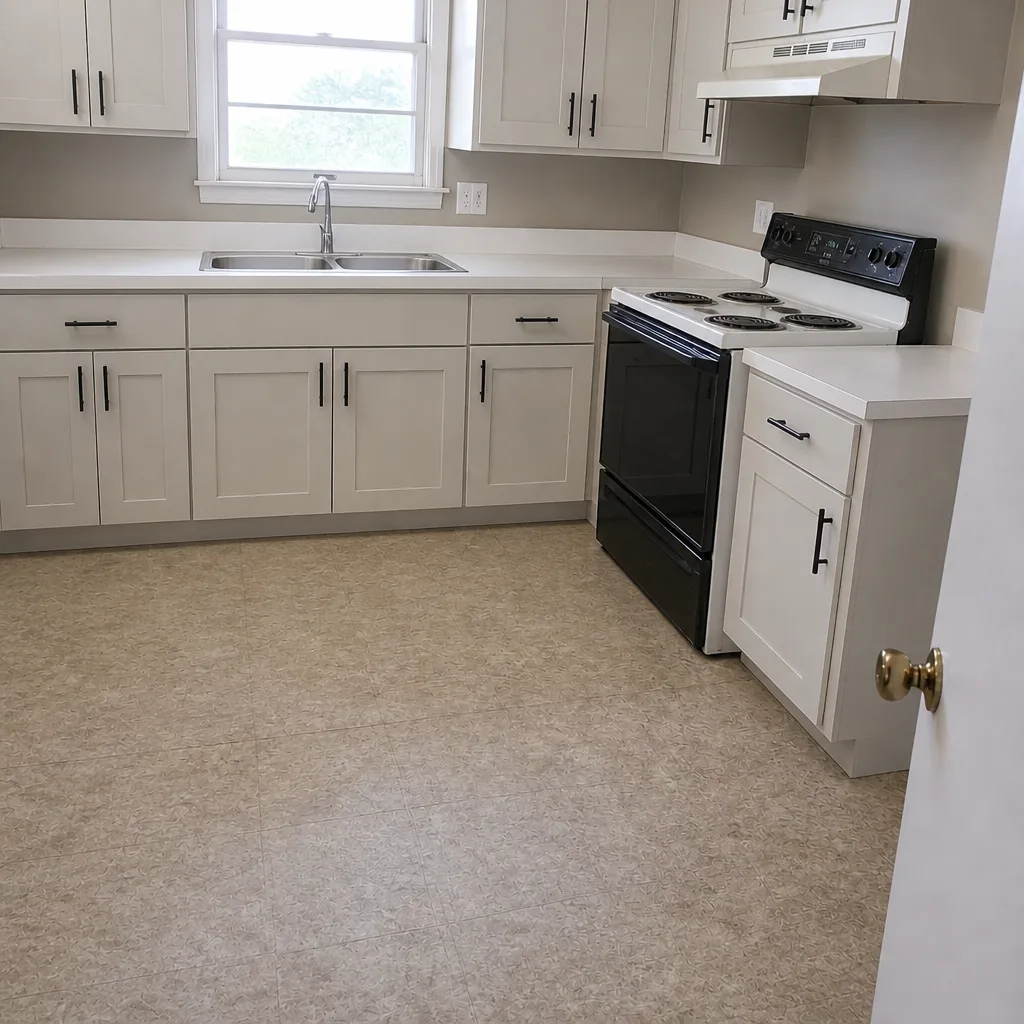 After
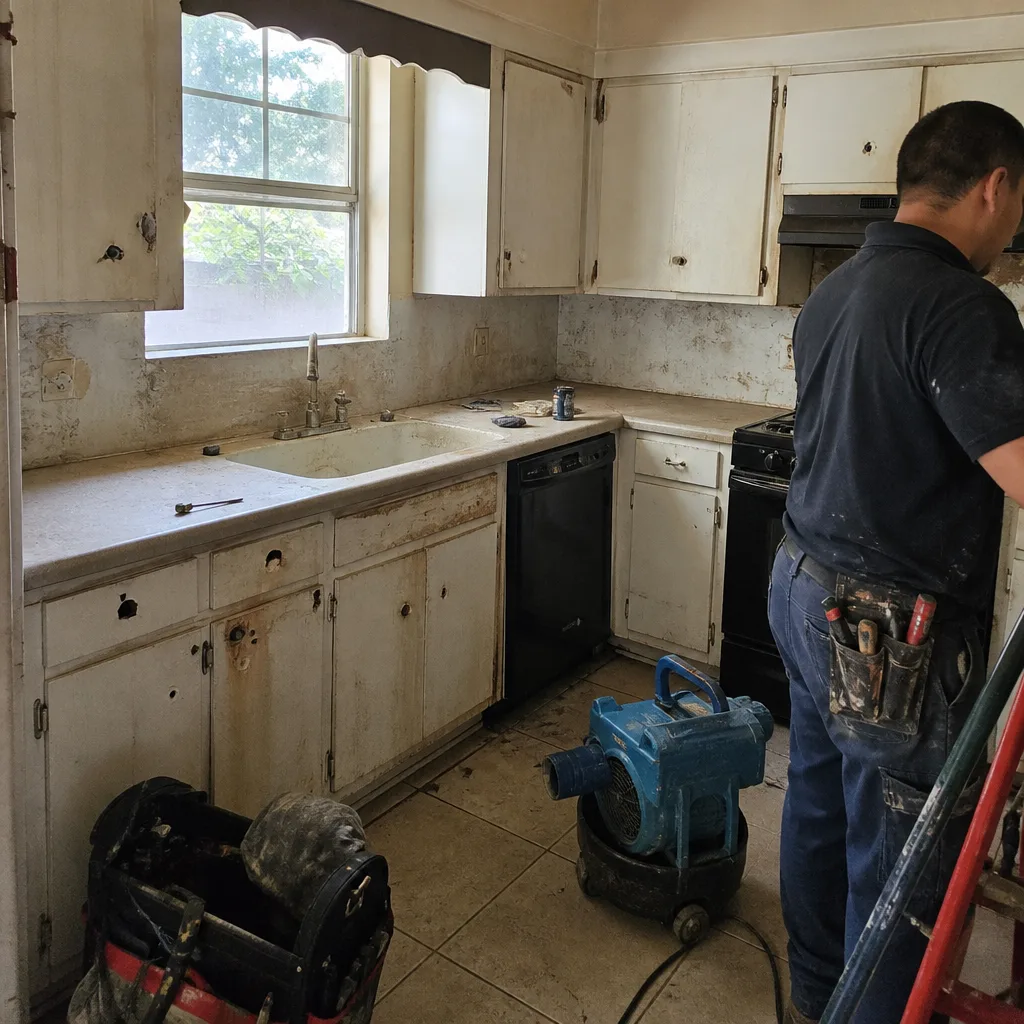 Before
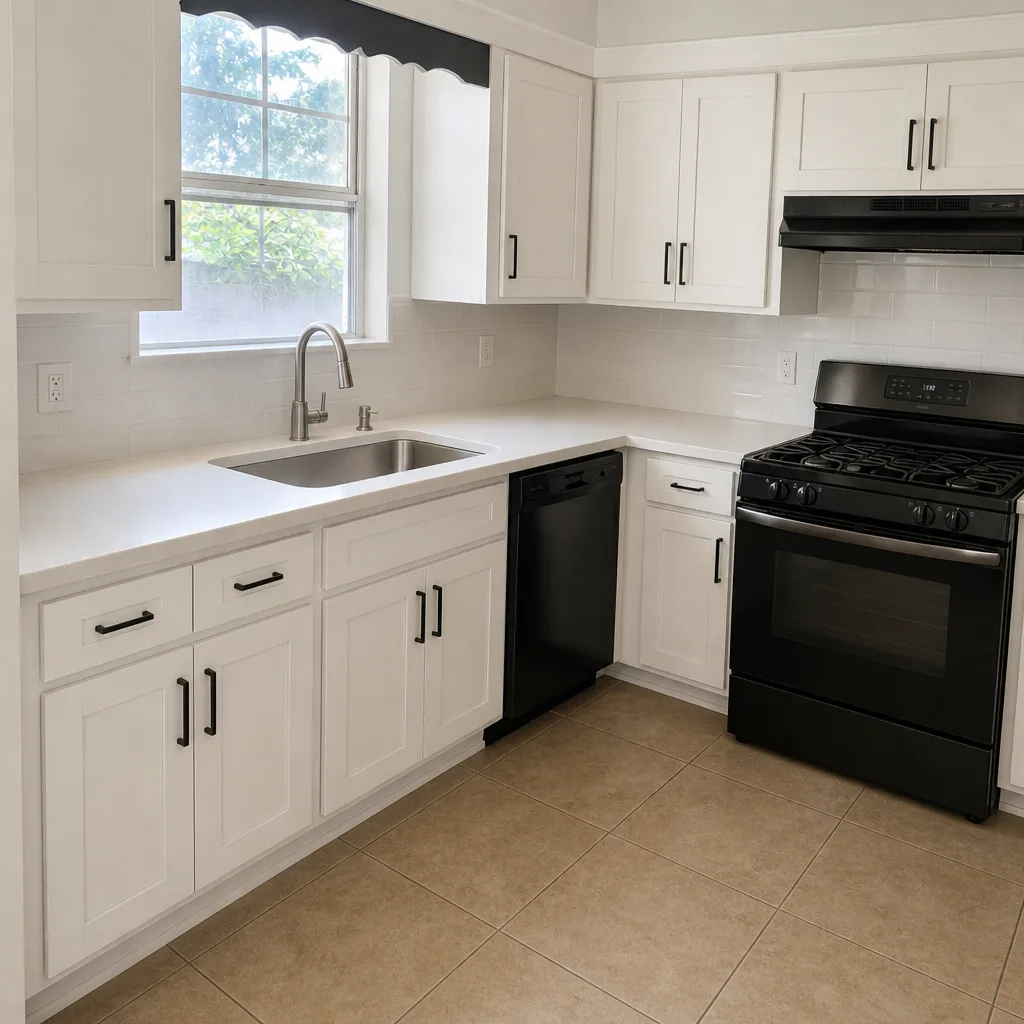 After
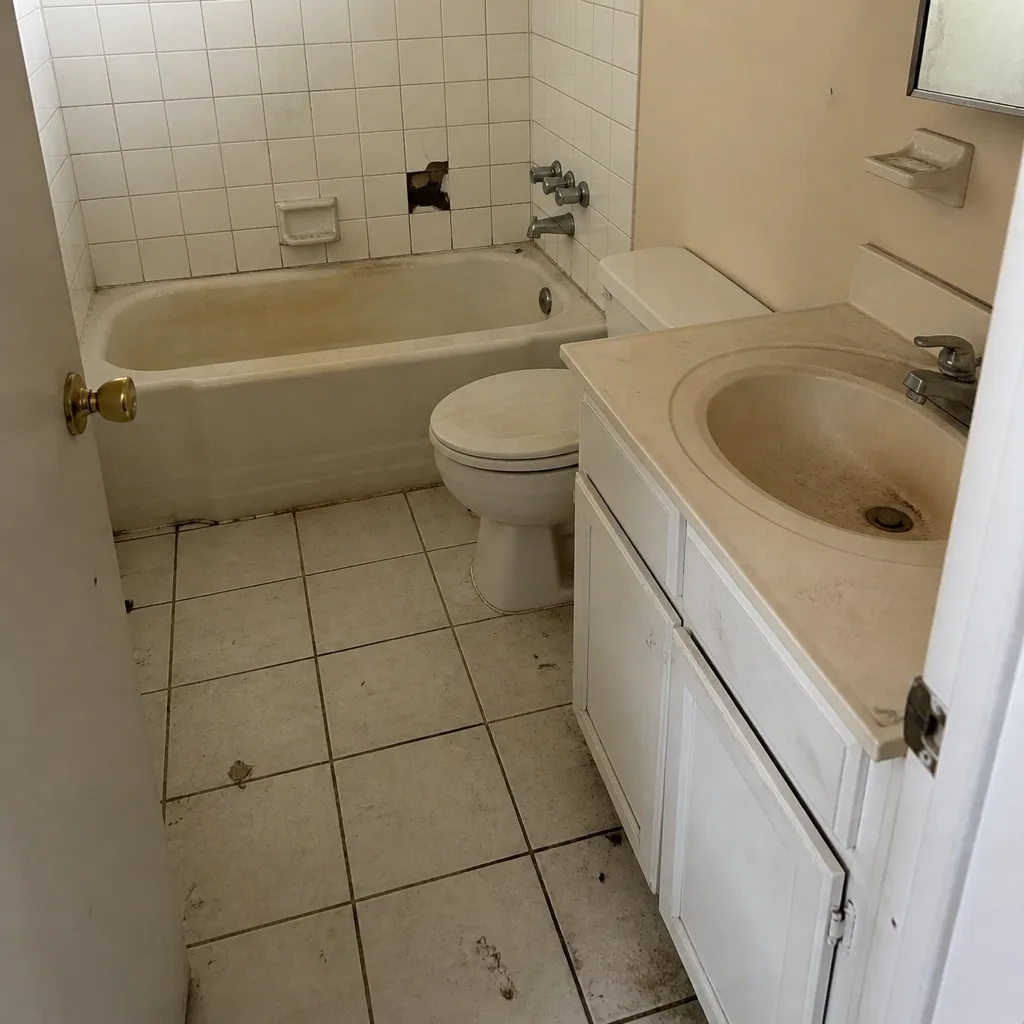 Before
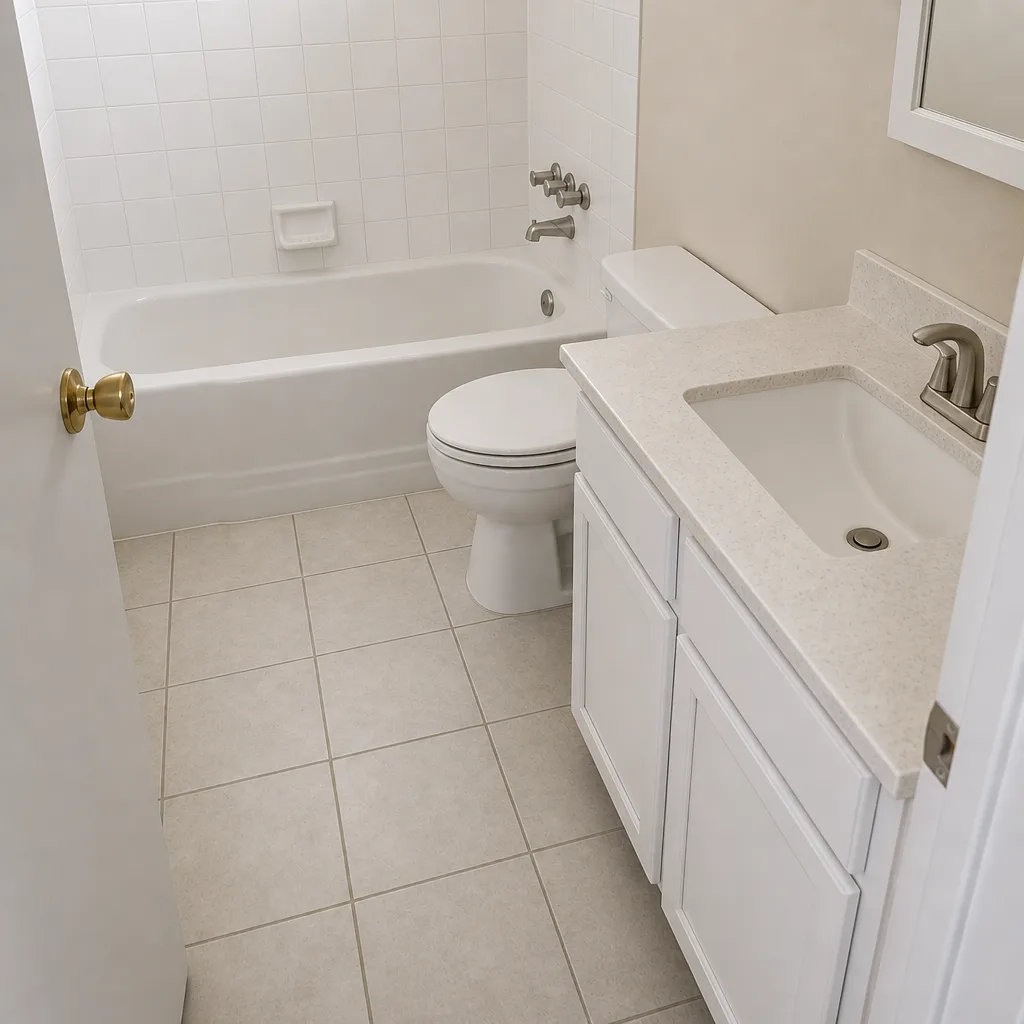 After
Driveway Resurfacing vs Replacement in Richardson, TX: Choose Replacement Unless the Slab Is Proven Sound
Choose replacement unless you’ve confirmed the slab underneath is structurally sound. On most Richardson driveways built before 1980, it isn’t – and resurfacing over a moving slab is the most expensive short-term savings a homeowner can make. Resurfacing costs about a third of replacement and sounds responsible. Then two seasons of North Texas clay later, the new surface has tracked every crack in the old slab right back to the top, and you pay for both jobs. Call (833) 954-4985 and we’ll tell you which one your driveway actually needs.
Here’s the part the standard decision chart leaves out: the chart asks about surface condition. It should ask about foundation condition. In Richardson, those are two very different questions.
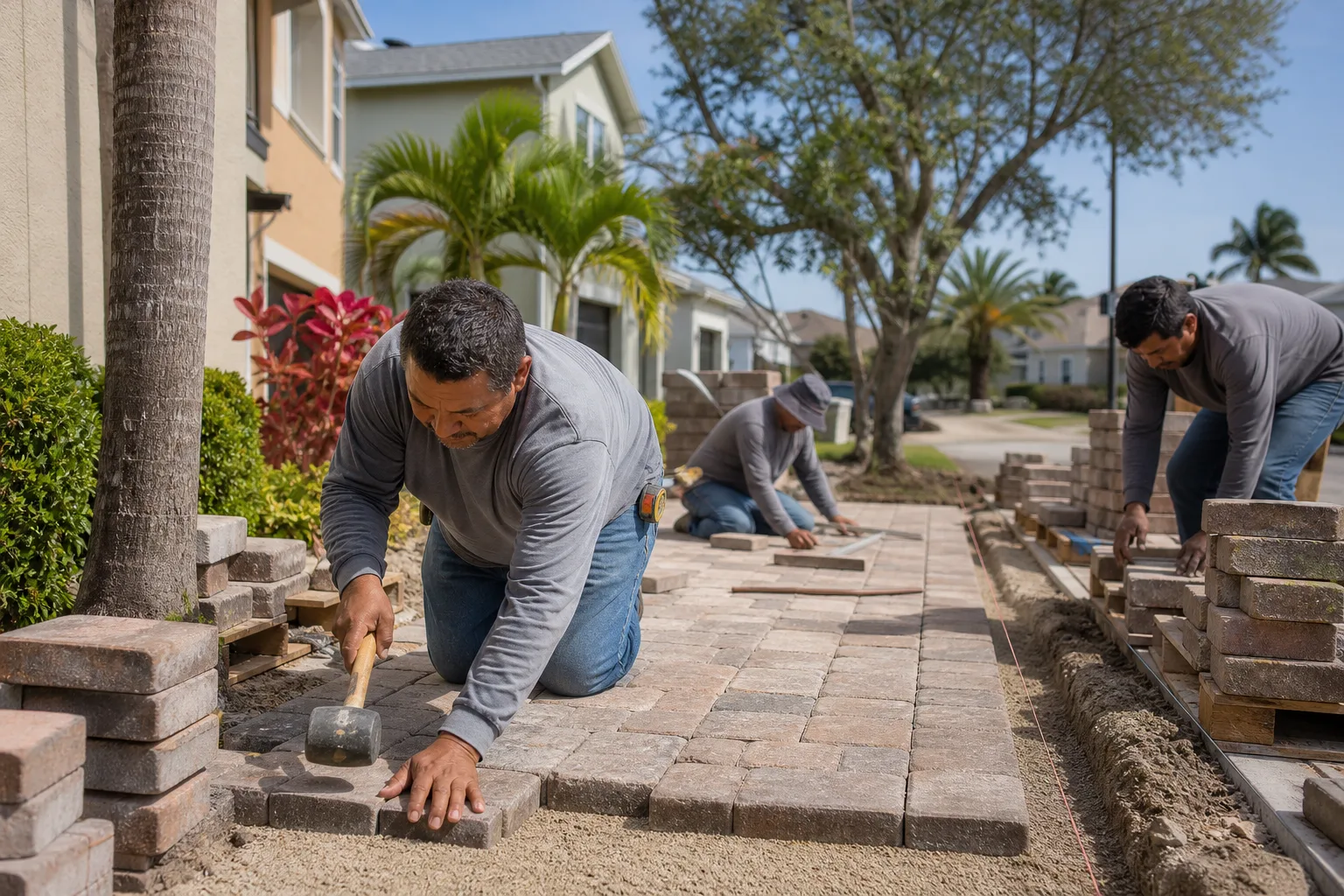
Why Richardson Clay Changes the Whole Calculation
Richardson’s core housing stock is 1950s to 1970s single-story brick ranch homes, many on pier-and-beam foundations, sitting on expansive North Texas clay. That clay swells when it’s wet and shrinks through a dry summer, and it does not do it evenly across a lot. One side of a driveway can heave while the other settles. On the older platted blocks near Central Expressway, narrow original lots and tight setbacks often mean the driveway runs close to the house and close to the property line, where drainage concentrates and soil moisture swings hardest.
That’s also why this city’s construction market looks the way it does. There’s a mature ranch-home core being scraped and rebuilt alongside the Telecom Corridor’s office and mixed-use footprint, and the city’s aggressive infill posture means permits and demolition inspection are an everyday part of the job here in a way they aren’t in newer single-era suburbs like Allen or Frisco. Driveway work lands squarely inside that reality. If you want the broader picture of what we install across the property, start with Driveway & Pavers, then come back here for the repair-or-replace question.
The Three Slab Conditions That Make Resurfacing a Money Pit
When we walk a Richardson driveway, we’re looking at the slab, not the stain. Three conditions rule out an overlay no matter how good the surface looks:
- Active soil differential. If one side of the slab sits more than 3/4 inch higher than the other, the base has already lost support. That movement doesn’t stop because you covered it.
- Cracks wider than 1/4 inch with vertical displacement. A hairline crack is cosmetic. A crack where one edge is higher than the other means the slab sections have shifted independently – a base failure.
- Hollow sections. Strike the slab with something solid. A hollow sound means the concrete has separated from the soil under it. There’s nothing there to bond to but air.
Any one of those three and resurfacing is off the table. All three are common in Richardson’s post-war blocks, where original flatwork has been through six decades of clay movement, a few hail events, and probably at least one tree removal that changed the moisture pattern for good.
What is reflective cracking, and why does it matter here?
Reflective cracking is when overlay material bonds to an existing slab and every movement in that slab telegraphs through the new surface. Any structural shift in the substrate shows up at the top within 12 to 18 months. This is the detail homeowners miss: the resurfacing didn’t fail. It did exactly what bonded overlays do. The decision to resurface failed. Our technicians have up to 12 years of experience watching this play out, and it’s the single most predictable callback in driveway work.
Side-by-Side: What Each Option Really Costs in Richardson
The honest comparison isn’t resurfacing versus replacement on day one. It’s resurfacing versus replacement over five years, because that’s the window where a failed overlay catches up with you.
| Option | Upfront Cost | What It Includes | Realistic Lifespan on Richardson Clay |
|---|---|---|---|
| Resurfacing / overlay | $250-$700 for sealing; roughly $1,500-$2,000 for a full overlay | Surface prep and new top layer only – no base correction | 12-18 months if the slab is moving; 5+ years only on a proven-sound slab |
| Full replacement, standard 400-500 sq ft | $4,000-$7,000 | Demo, haul-off, base prep and compaction, proper thickness, new concrete | 20-30 years with drainage handled |
| Concrete driveway installation | $4,500-$12,000 | New slab, base, finish, edged control joints | Decades |
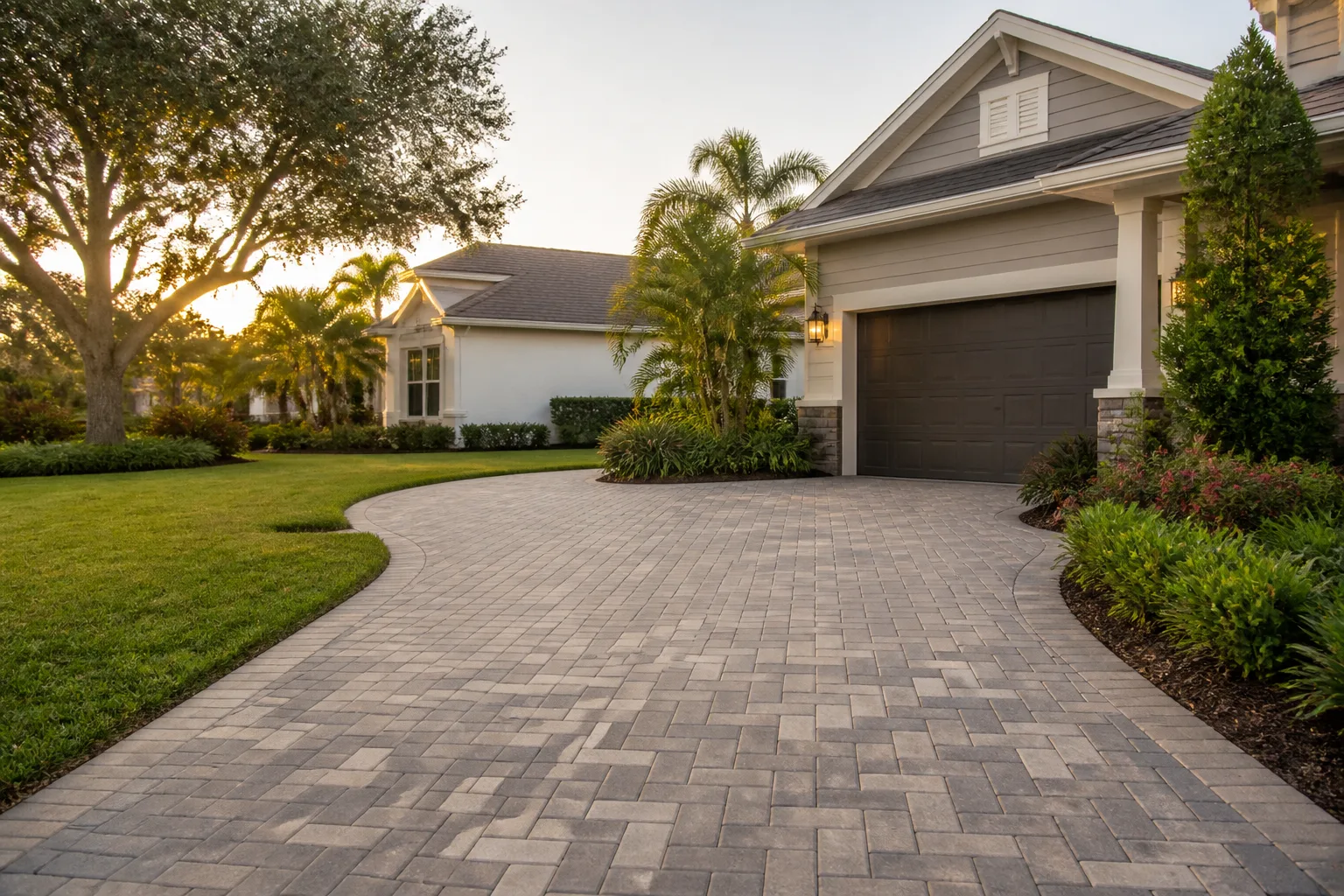
| Paver driveway installation | $7,000-$18,000 | Base prep, edge restraint, pavers and joint sand – individual units can be lifted and reset if the base ever shifts | Decades, and repairable (we go deeper on materials on our Driveway & Pavers in Richardson page) |
Run the failing-overlay math and it gets ugly fast. Say you spend $1,500 on an overlay that fails in two years. You then pay the $4,000-$7,000 for replacement anyway. That’s $5,500 to $8,500 to arrive at the same place, just two years later, with a torn-up driveway in between.
Can’t you just patch the bad section and overlay the rest?
Sometimes, yes – if the bad section is isolated, the rest of the slab tests sound, and the drainage problem causing it gets corrected. That’s a judgment call made on site with a straight edge and a hammer, not over the phone. What we won’t do is overlay a driveway we know is moving and call it a repair.
Are There Reasons a Contractor Steers You Toward Resurfacing?
Yes, and you should know what they are. A full replacement in Richardson triggers a permit and inspection. That inspection puts eyes on the whole approach: any unpermitted addition near the driveway, a shed or gate post that was never on a plan, setbacks, lot coverage. On the older plats where narrow lots and coverage rules bind tightly, that scrutiny is real.
A contractor who recommends resurfacing specifically to avoid that inspection isn’t doing you a favor. They’re handing you a two-year problem and keeping the permitting conversation off the table. We’d rather have the conversation now. Our quotes show both options as complete, full-scope numbers – base prep, haul-off, permits, and finish – so you’re comparing real apples to real apples instead of a stripped overlay price against a stripped replacement price. Upfront pricing, no surprises, and if replacement is the right call, 0% financing for 18 months makes it a line item rather than a crisis.
One more thing about this city: the same soil that punishes thin slabs punishes everything else that meets the ground on an older lot, which is why we see fence posts leaning and paver patios settling on the same properties. If a driveway is moving this much, walk the rest of the property with fresh eyes. Work done here is built to last and backed in writing, which is the whole point of our 730-Day Done Right Promise – if it isn’t done right, we make it right. That guarantee is easy to offer when the base was done correctly. It’s expensive when it wasn’t, which is exactly why we’re picky about base prep.
FAQs
Replacement on a standard 400-500 square foot Richardson driveway runs $4,000-$7,000 with proper base work, while resurfacing or sealing runs $250-$700 for sealing and roughly $1,500-$2,000 for a full overlay. The ranges only look far apart until you count the overlay you pay for twice. Call (833) 954-4985 for an exact quote – estimates are free.
You need three tests: measure the height difference across the slab, measure the width and vertical displacement of the widest crack, and strike the surface to listen for hollow spots. More than 3/4 inch of differential, cracks over 1/4 inch with displacement, or a hollow sound each mean replacement. Call us and we’ll walk it with you on site rather than guess from a photo.
Yes, and it’s free. We’ll check the slab conditions, look at drainage and grading along the drive, and give you both options in writing with real numbers. Calls are answered by a live person 24/7, so you won’t leave a voicemail on a Friday and wait until Monday.
No – bonded overlays hide cracks temporarily and then mirror the slab’s movement back through the new surface, usually within 12 to 18 months on Richardson clay. The overlay isn’t failing; the substrate is still moving underneath it. Fixing the base is what makes a surface last.
Get a Straight Answer on Your Driveway
If you’d rather have it looked at, Groundwork Construction Co. of Richardson offers a no-pressure assessment anywhere in Richardson – call (833) 954-4985. We’ll test the slab, show you both numbers, and tell you plainly whether replacement is warranted. From foundation to finish line, you’ll know what you’re paying for before anyone picks up a shovel.
Written by the team at Groundwork Construction Co. of Richardson, serving Richardson, TX.