Free written scope consultation - allowances, timeline, and change-order rules on paper before a single trade is scheduled
Styles & brands we work with
- Kitchen remodeling
- Bathroom remodeling
- Home additions & ADU
- Roofing
- Windows & doors
- Driveway & pavers
- Fence
See the difference
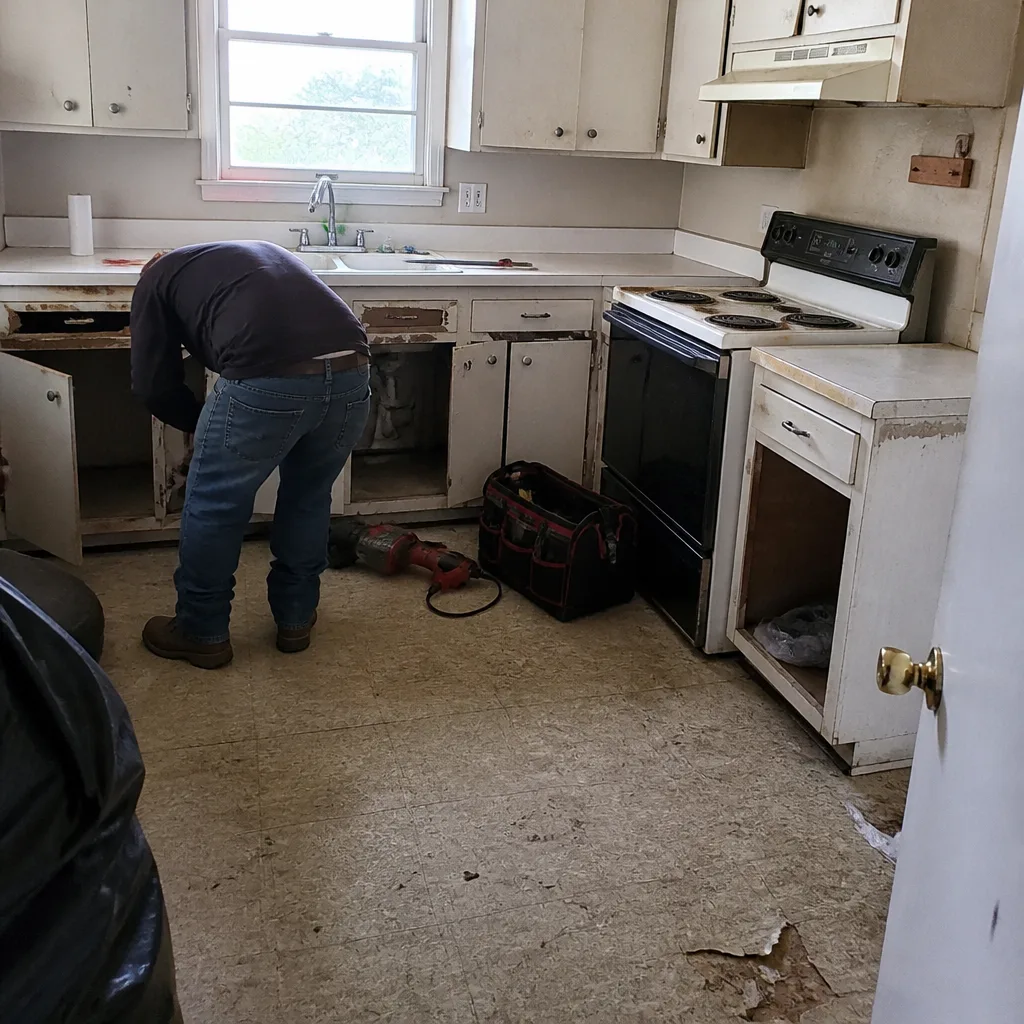 Before
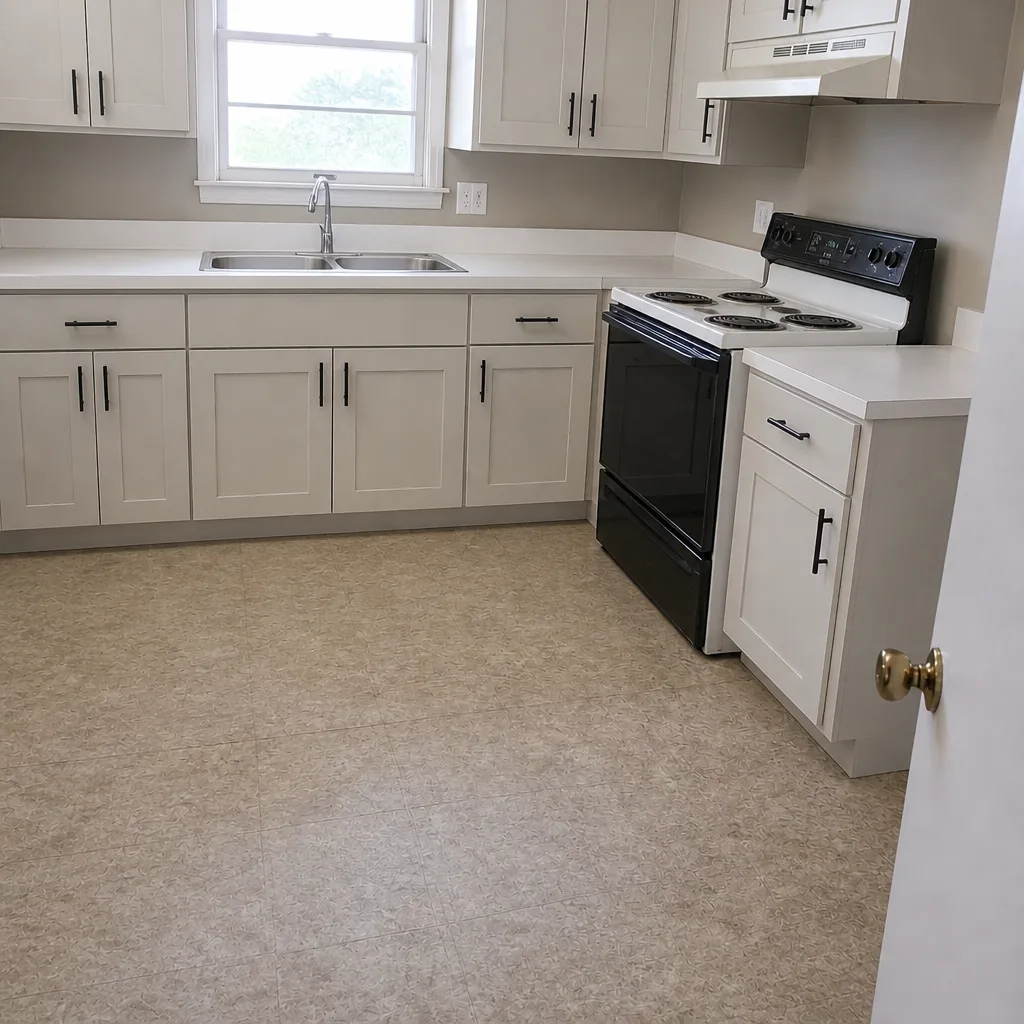 After
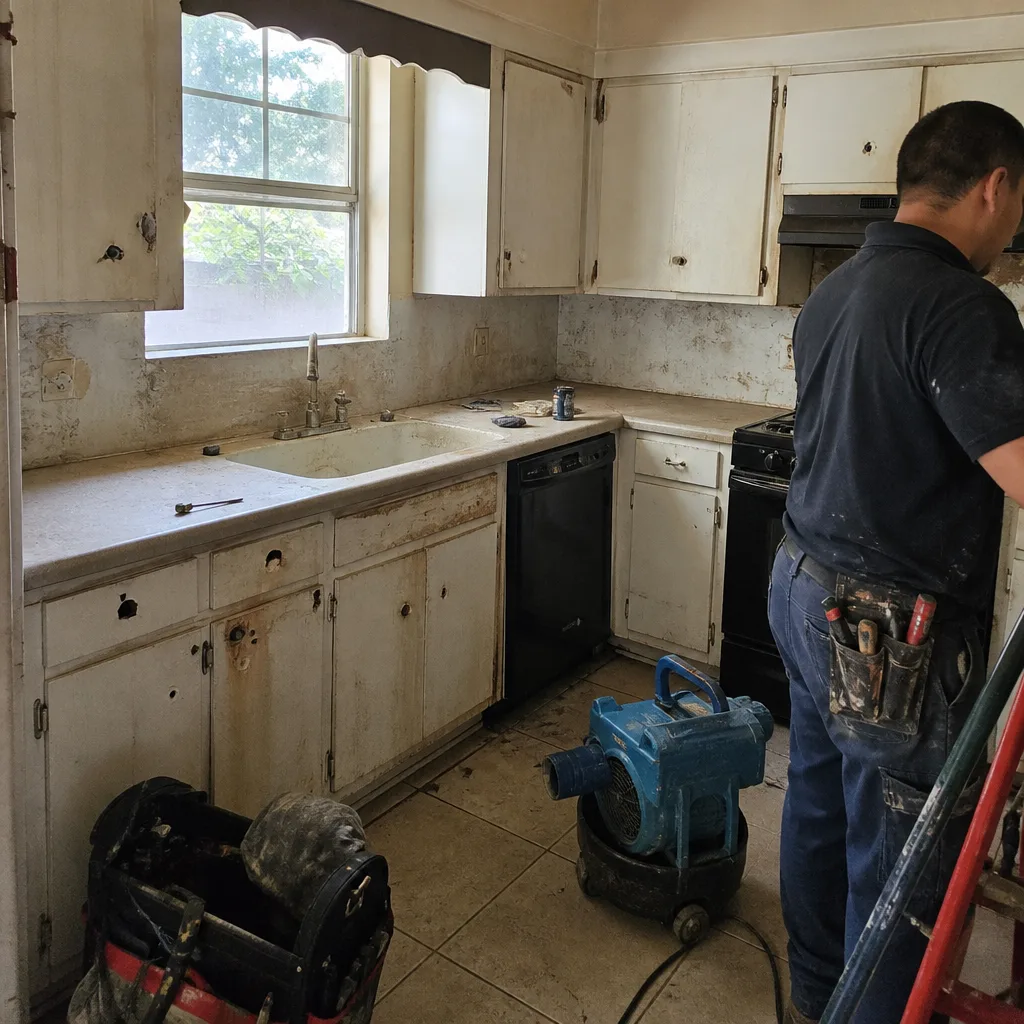 Before
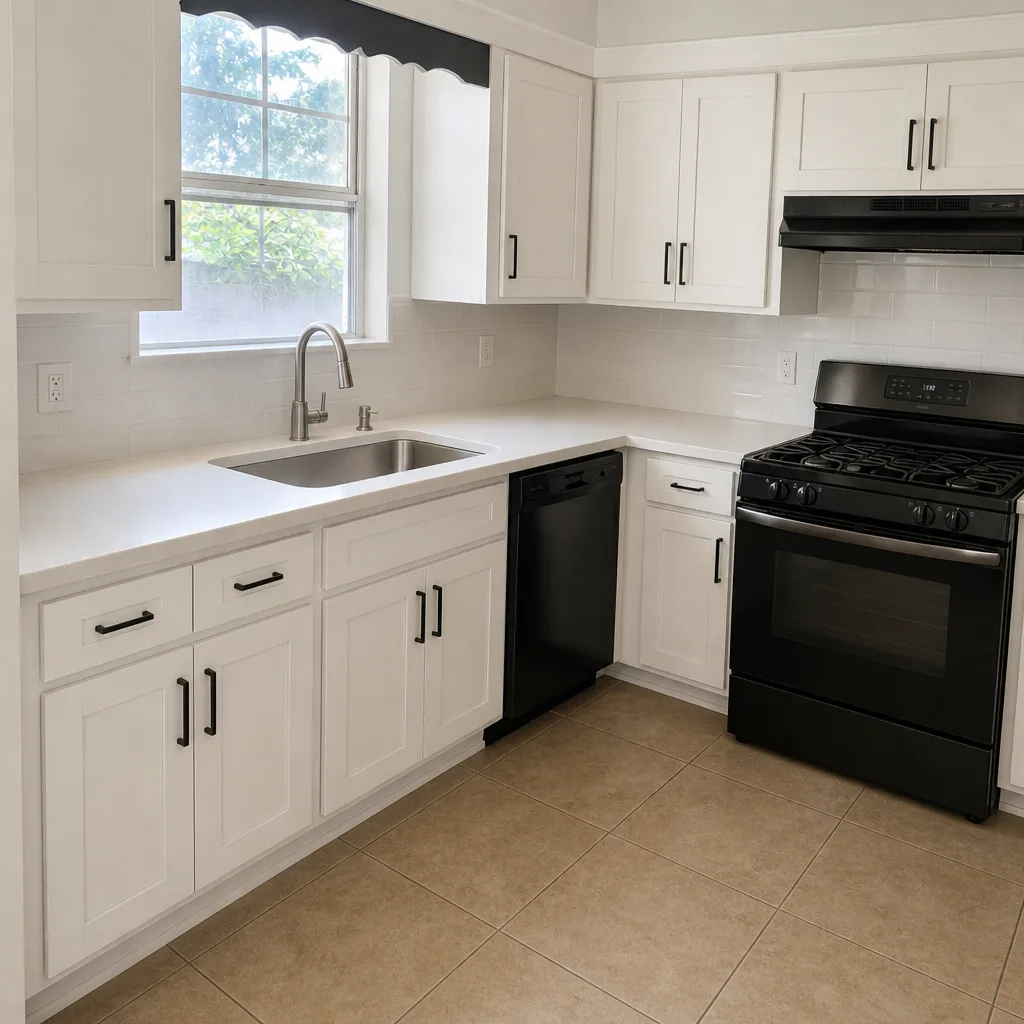 After
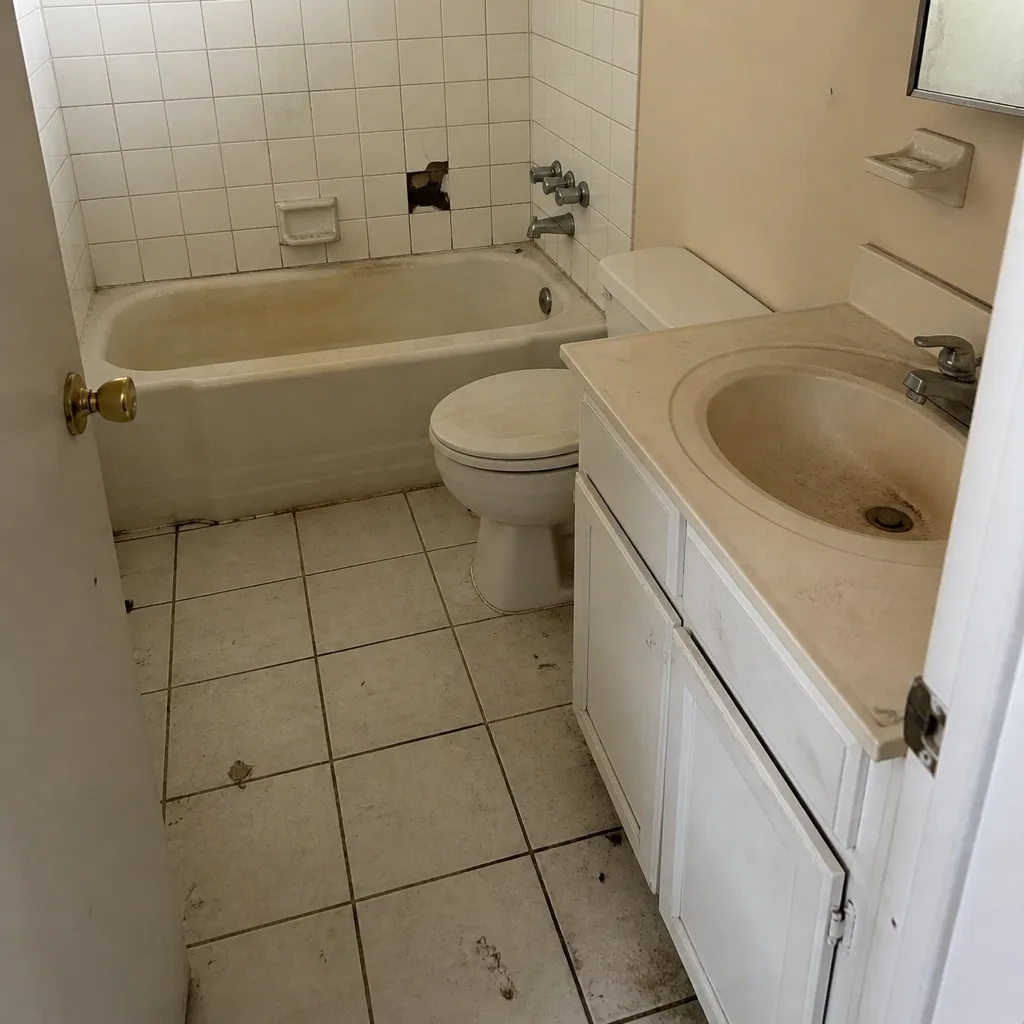 Before
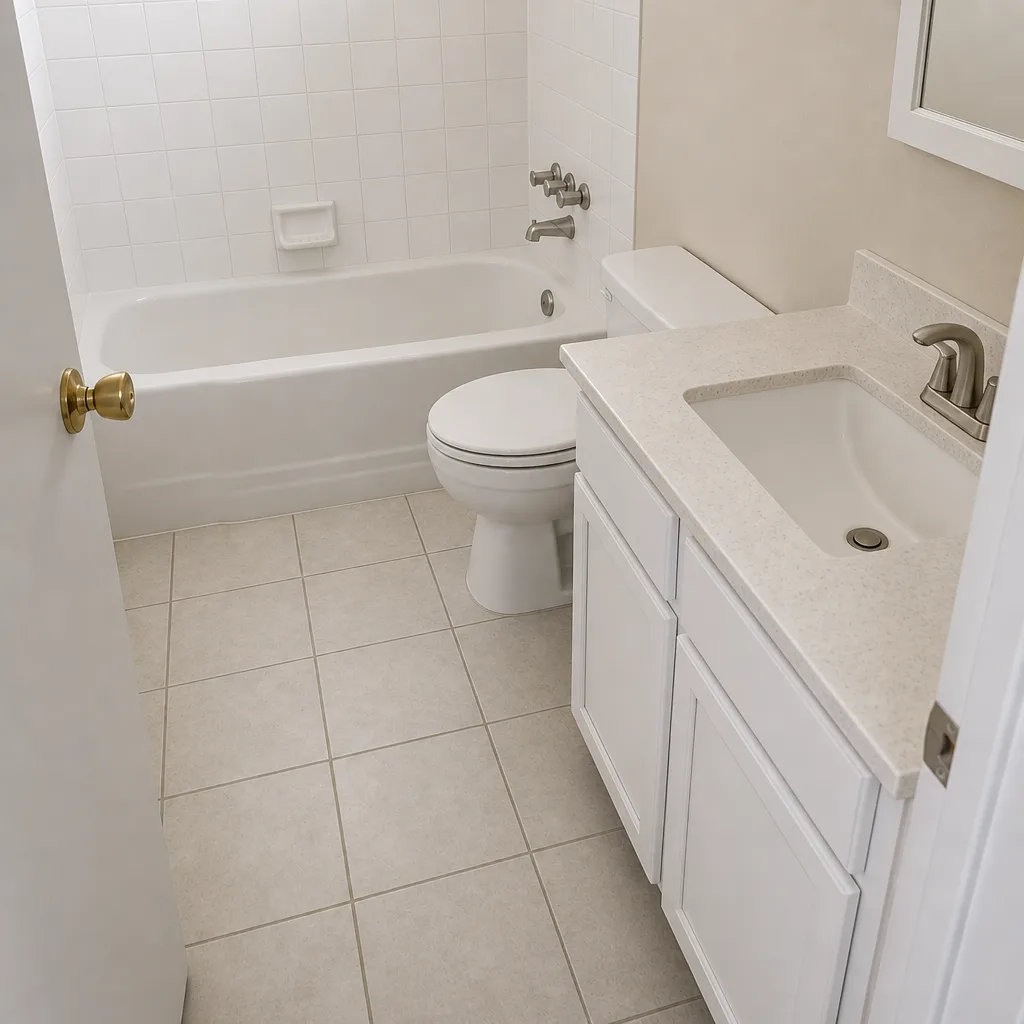 After
Home Addition vs ADU in Richardson, TX: The Lot Math Decides
For most Richardson homeowners, the answer comes down to one question: do you want equity or income? Choose a home addition unless you plan to rent the space out or house family long-term, in which case an ADU is the better fit. But here’s what the comparison articles leave out: on a typical Richardson Heights lot, you likely have room for one or the other, not both. Your decision starts with a site survey, not a mood board. Call (833) 954-4985 for a free estimate that puts both options on paper.
Key takeaways
- A 7,500 sq ft postwar Richardson lot usually has coverage headroom for a 400 sq ft addition OR a detached ADU, but not both.
- An addition adds appraised square footage and builds equity the day it’s signed off. An ADU generates rent but doesn’t reliably raise assessed value dollar-for-dollar under Texas appraisal methods.
- Additions tie into the existing pier-and-beam structure. Detached ADUs get their own slab. Different engineering, different timeline.
- Addition pricing in Richardson runs $45,000-$130,000. ADU construction runs $90,000-$220,000. A garage conversion sits between at $30,000-$80,000.
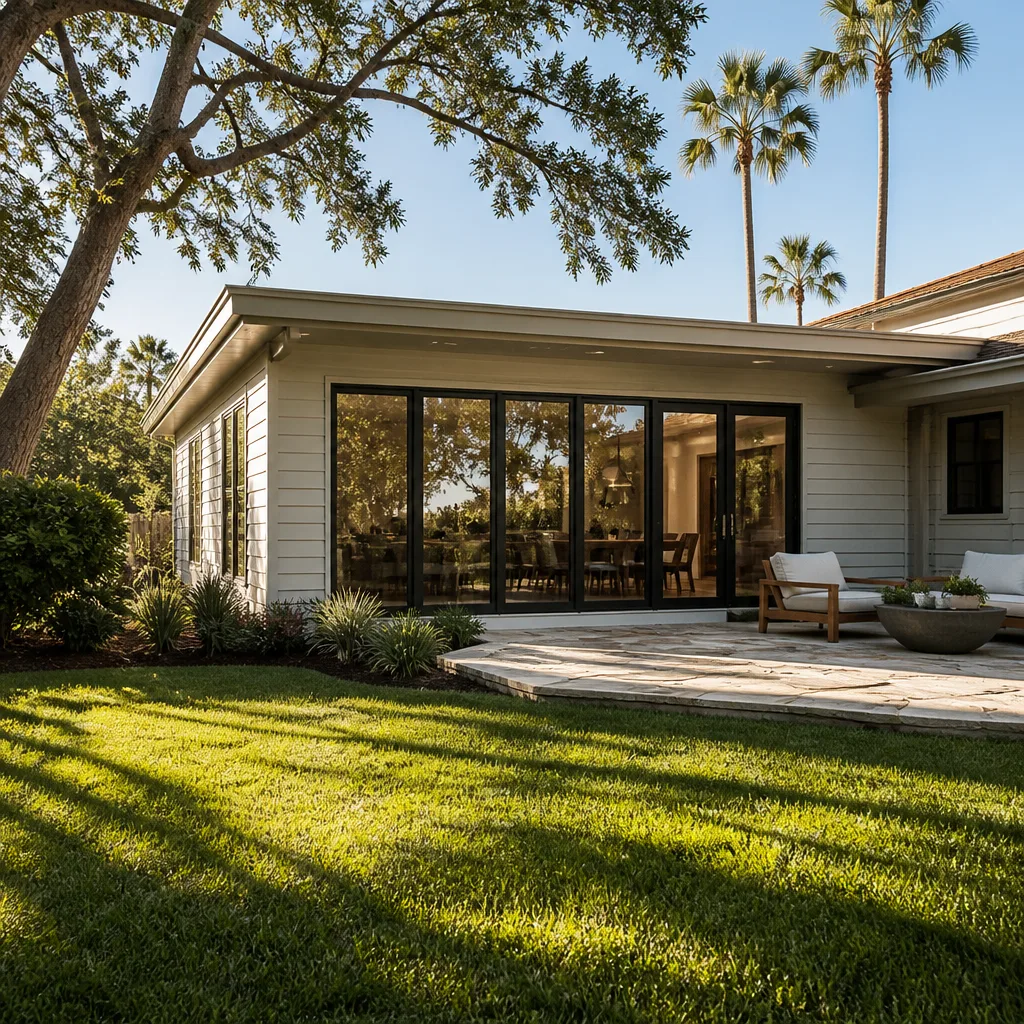
Why Richardson’s Lot Geometry Forces a Real Choice
Much of Richardson’s core is 1950s-60s single-story brick ranch housing, and a lot of it sits on the original Richardson Heights plat. Walk those blocks and you’ll see narrow lots, pier-and-beam foundations, and a steady churn of scrape-and-rebuild projects next door. The city’s lot-coverage and setback rules apply the same way to your addition as they do to the neighbor’s new two-story build.
Run the numbers on a 7,500 sq ft lot with a 1,400 sq ft ranch home. Between impervious coverage limits, rear and side setbacks, and the space a detached ADU needs (its own footprint, its own setback from the main house, utility runs to it), you can typically place a 400 sq ft attached addition or a detached ADU. Rarely both. That’s the fork in the road, and it happens before anyone talks about finishes.
If you want to see how we approach the build side once the survey is done, our Home Additions & ADU page covers the process from foundation to finish line.
Financing: Equity Now vs Income Later
This is where the two options stop being interchangeable.
Home addition. The new square footage counts toward your appraised value. Under Texas appraisal district methods, added heated square footage is a direct value driver, and you build equity immediately. That matters if you refinance, sell within a few years, or just want the number on your county appraisal to reflect what you’ve put into the house.
ADU. Rental income is real money, but it doesn’t always translate into appraised value dollar-for-dollar. Appraisers in this market vary on how they treat accessory units. A detached ADU that reads clearly as a second dwelling may appraise well. A converted garage with a kitchenette may not. Plan on income as the return, not equity.
Either way, Groundwork’s upfront pricing means you get a side-by-side cost comparison for both options before you commit to a single dollar. No-hassle, no-surprise numbers. And if the larger scope is the right call, 0% financing for 18 months plus $1,000 off projects over $10,000 keeps it financially workable. Most homeowners in the $80K-$200K household income range can make either option pencil out with the right structure.
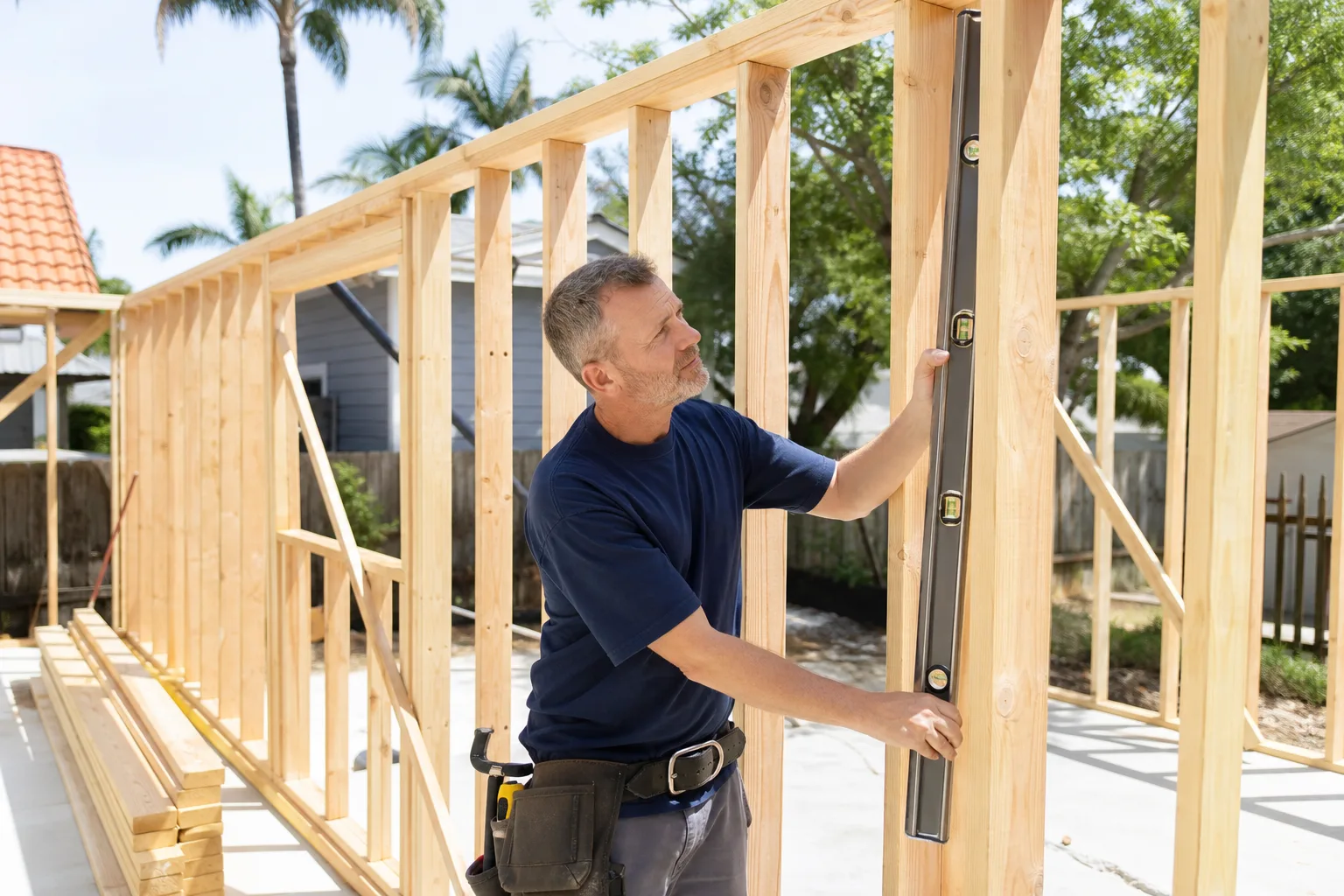
The Foundation Fork: Pier-and-Beam vs Slab
Here’s the detail generic comparison pages skip. A home addition has to tie into your existing foundation. On a postwar Richardson ranch, that usually means pier-and-beam, and it means an engineering review to confirm the new load ties in safely without stressing the original structure. North Texas expansive clay soils make that review non-negotiable. A foundation that’s handled a 1,400 sq ft single-story load for sixty years may need additional piers under the new footprint.
A detached ADU doesn’t have that problem. It gets its own slab, engineered fresh for the clay conditions here, with its own moisture control. Different cost profile, different timeline, and honestly a simpler structural conversation.
The tradeoff: an attached addition means one roofline, one HVAC system, one exterior finish, one continuous envelope. A detached ADU means a second of everything. That shows up in the price, and it shows up in the maintenance long after the project is done.
Permits, Inspections, and the Richardson Paperwork Gap
An addition is typically one permit set through the city: structural, electrical, plumbing, and mechanical changes all under one review, one inspection sequence. An ADU, when it includes its own utility connections and a kitchen or full bath, often needs separate utility coordination and separate inspection phases, and in many cases a secondary address registration so the unit can be identified independently. That’s more paperwork, more scheduling coordination, and more time between breaking ground and turning the key.
Richardson’s infill posture means the city is used to this work, and inspections move reasonably well when the drawings are clean. The catch is that clean drawings start with an accurate survey. On the older platted blocks, a modest second-story addition often needs a variance you didn’t plan for. The neighbor’s new build got built because someone did the survey homework first, not because they got lucky.
Side-by-Side Pricing in Richardson
| Option | Typical range | Best for |
|---|---|---|
| Home addition (400 sq ft range) | $45,000-$130,000 | Equity growth, added living space, keeping one structure |
| ADU construction (detached) | $90,000-$220,000 | Rental income, multigenerational housing |
| Garage conversion | $30,000-$80,000 | Lower upfront cost, income potential without new footprint |
For context on how adjacent projects price here, a full kitchen remodeling project runs $14,000-$45,000, and a bathroom remodeling project runs $9,000-$28,000. If you’re adding a second dwelling, those numbers stack inside it.
What to Look for in a Richardson Builder
Whichever path you choose, vet the builder on three things. First, do they do the survey work before they quote, or after? Second, is the guarantee in writing and long enough to cover a foundation settling cycle? Third, are their crews background-checked, uniformed, and are they actually on site when scheduled?
Groundwork Construction Co. of Richardson brings all three to the table. Our technicians have up to 12 years of experience. Every project is covered by the 730-Day Done Right Promise: if it isn’t done right, we make it right. That’s one of the longest workmanship guarantees in residential construction, and it’s backed in writing, not verbally. We use trusted brand partners across every trade, so the materials match the workmanship. Calls are answered by a live person, 24/7, never a voicemail that eats your Monday morning.
FAQs
A home addition is typically more affordable up front. Expect $45,000-$130,000 for a home addition versus $90,000-$220,000 for a detached ADU, with a garage conversion landing at $30,000-$80,000 for a lower entry point. Call (833) 954-4985 for an exact quote on your lot, and the estimate is free.
Usually not on a typical postwar lot. On a 7,500 sq ft lot with an existing 1,400 sq ft home, coverage and setback rules generally allow one or the other, not both. A site survey will confirm your actual headroom before you commit. Call (833) 954-4985 to schedule one.
Not always dollar-for-dollar. An addition adds heated square footage that appraisal districts value directly, while a detached ADU’s appraised contribution varies under Texas appraisal methods. If equity is the goal, an addition is the more predictable path. Call (833) 954-4985 to walk through the numbers.
It requires engineering review before work starts. An addition has to tie into the existing pier-and-beam structure surveyed for North Texas clay soil conditions, while a detached ADU avoids this by getting its own engineered slab. Different scope, different timeline. Call (833) 954-4985 for a side-by-side comparison.
If you’d rather have it looked at, Groundwork Construction Co. of Richardson offers a no-pressure assessment in Richardson. We’ll put both options on paper with real numbers and upfront pricing, so you can choose with the survey in hand instead of guessing. Call (833) 954-4985 and get your free estimate.
Written by the team at Groundwork Construction Co. of Richardson, serving Richardson, TX.