




Free written scope consultation - allowances, timeline, and change-order rules on paper before a single trade is scheduled
Styles & brands we work with
- Kitchen remodeling
- Bathroom remodeling
- Home additions & ADU
- Roofing
- Windows & doors
- Driveway & pavers
- Fence
See the difference
 Before
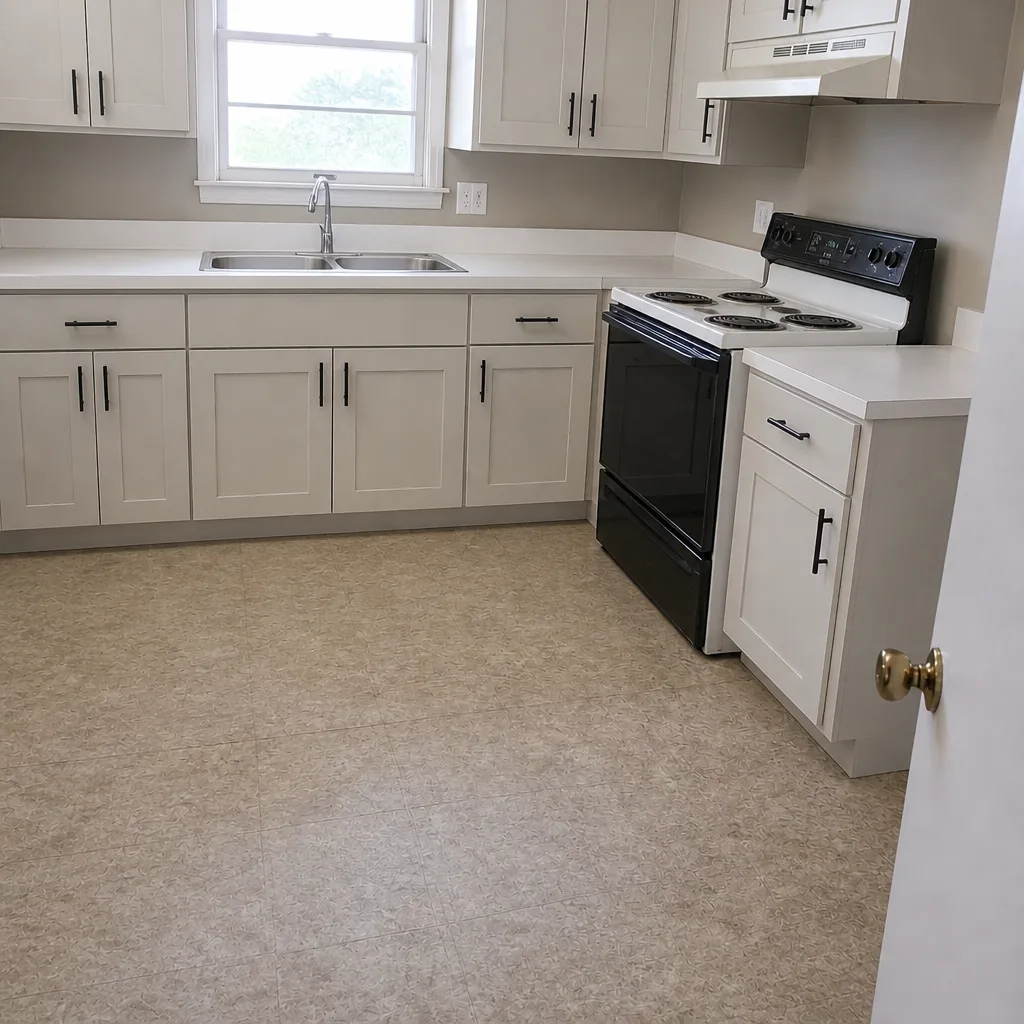 After
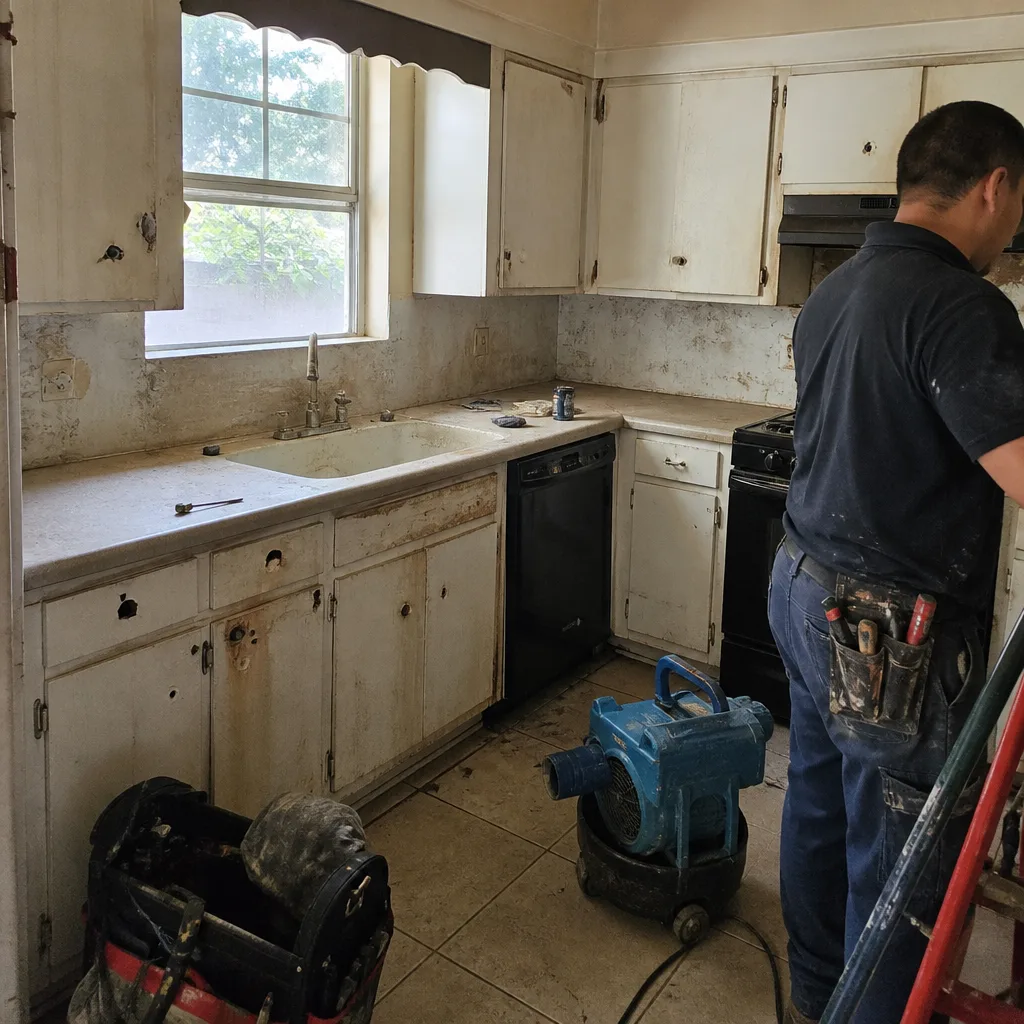 Before
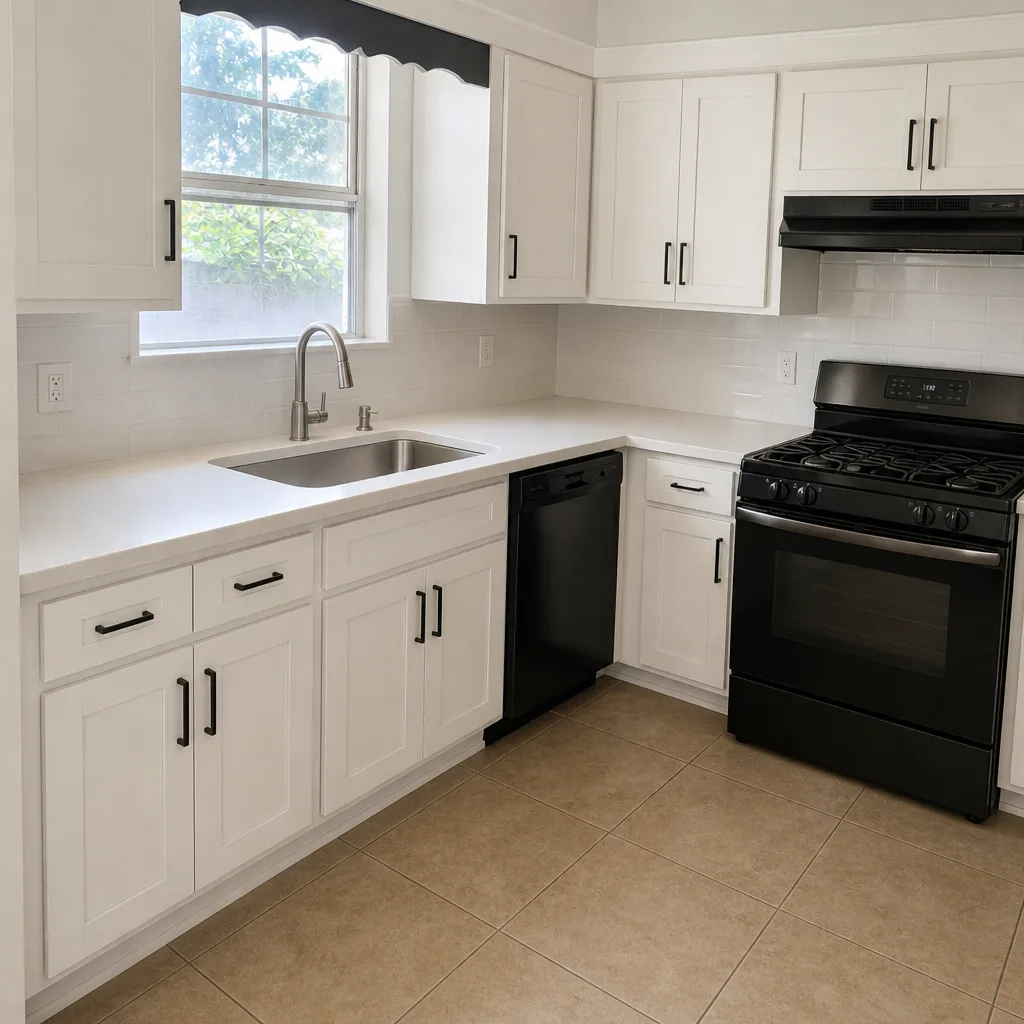 After
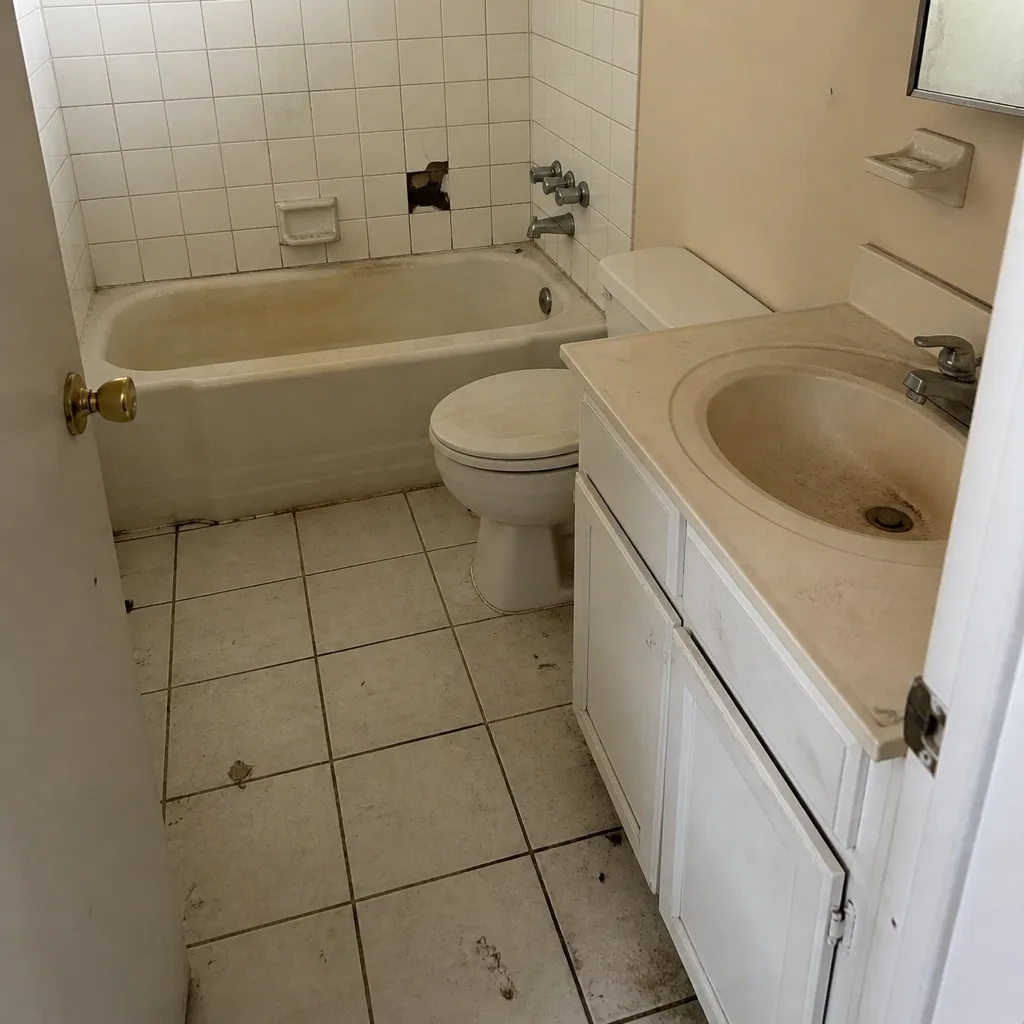 Before
 After
Roof Hail Damage Signs in Richardson, TX: How to Tell a Real Claim From Cosmetic Hits
The signs that matter on a Richardson roof are fractured shingle mats, exposed black fiberglass, bruised soft metals on gutters and vents, and granule loss in random circular patterns – not just dents you can feel with a thumb. Those first three are what insurance adjusters call functional damage, and that’s what carriers pay for. Surface dimples with no exposed mat usually aren’t. Before you call your carrier or sign a contractor’s contingency agreement, here’s the inspector’s framework for telling the difference. If you want a trained eye on the roof now, call Groundwork Construction Co. of Richardson at (833) 954-4985.
Key Takeaways
- Functional damage (fractured mat, exposed fiberglass, broken waterproofing) is what insurance covers; cosmetic damage (surface dents, scattered granule displacement) typically isn’t.
- Soft metals at ground level – AC condenser fins, gutters, downspout collars, ridge cap flashing – are the honest proxy for what’s on the shingles. No ladder required to start the inspection.
- Richardson sits in the southern Collin County hail corridor, one of the highest-frequency hail zones in Texas. Annual spring inspections here are rational, not paranoid.
- Class 4 impact-rated shingles from GAF and Owens Corning are a legitimate post-storm upgrade conversation in this market, not an upsell.
Functional vs. cosmetic: the distinction your adjuster is actually scoring
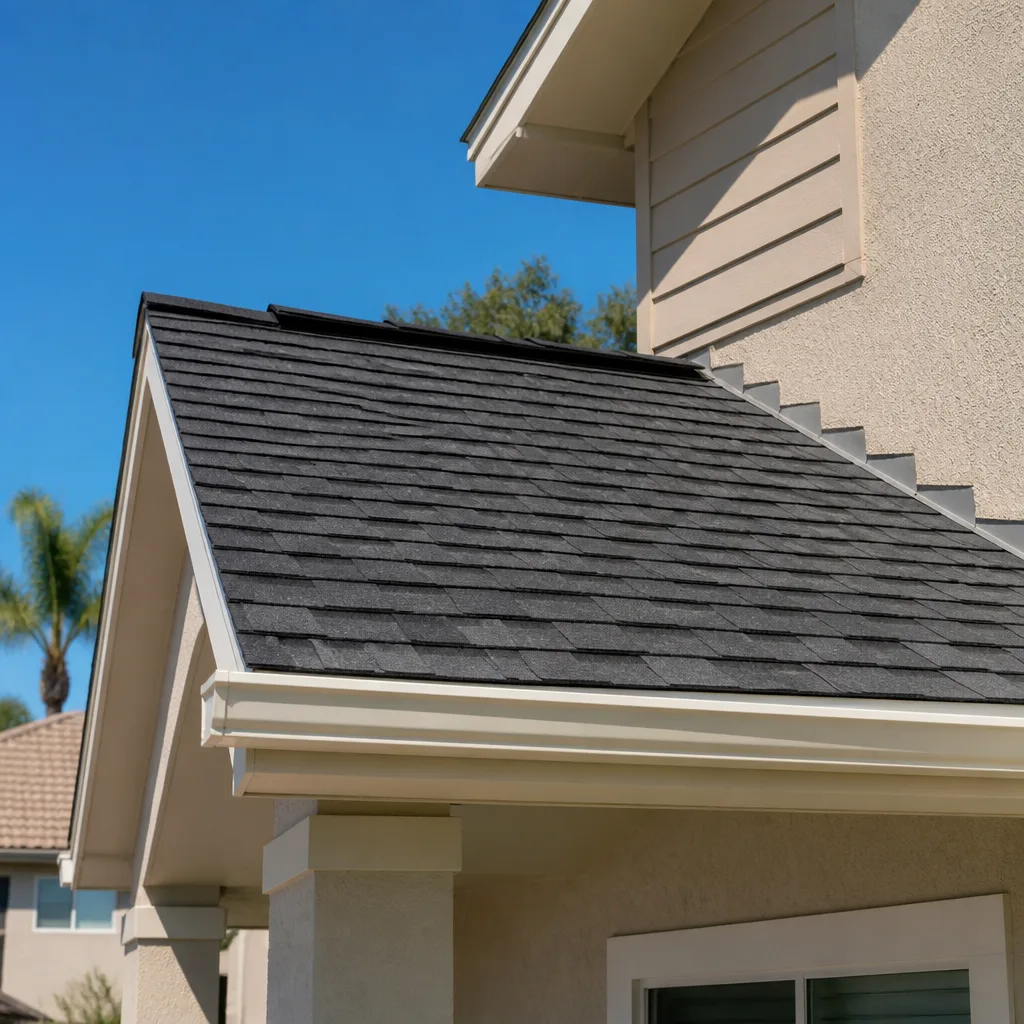
Every hail claim in Richardson comes down to one question: is the shingle’s waterproofing compromised, or does it just look beat up? A hailstone hitting an asphalt shingle does one of three things. It knocks granules loose. It leaves a soft round impression. Or it fractures the fiberglass mat underneath, which shows up as a dark, exposed center in the impact point. Only the third one is functional damage. The mat is what keeps water out of your attic, and once it’s fractured, the shingle fails faster whether or not you can see daylight through it.
Cosmetic damage is real, and it’s disappointing. But it’s the honest word for a shingle with granules knocked off and a dent in the asphalt that never reached the mat. Carriers deny those claims in Richardson every spring, and they’re usually within their rights. The flip side: a denial based only on a quick look from the ground, or one that ignores the soft-metal hits on your gutters, isn’t automatically correct either. That’s where the homeowner’s own documentation matters.
Functional damage – the insurable kind
- Fractured fiberglass mat, visible as a dark or black center in the impact point
- Exposed mat or fiberglass strands on the shingle surface
- Bruising deep enough to break the seal strip between shingle courses
- Torn or punctured ridge cap, valley flashing, or vent boots
- Granule loss in random circular clusters concentrated on slopes facing the storm direction
Cosmetic damage – usually not a claim
- Surface dents in the asphalt with no exposed mat
- Scattered granule displacement across the whole roof rather than impact clusters
- Granules collected in gutters or at downspout outlets without corresponding shingle hits
- Dings on the shingle edges that don’t reach the mat
Architectural vs. 3-tab: why the impact pattern looks different
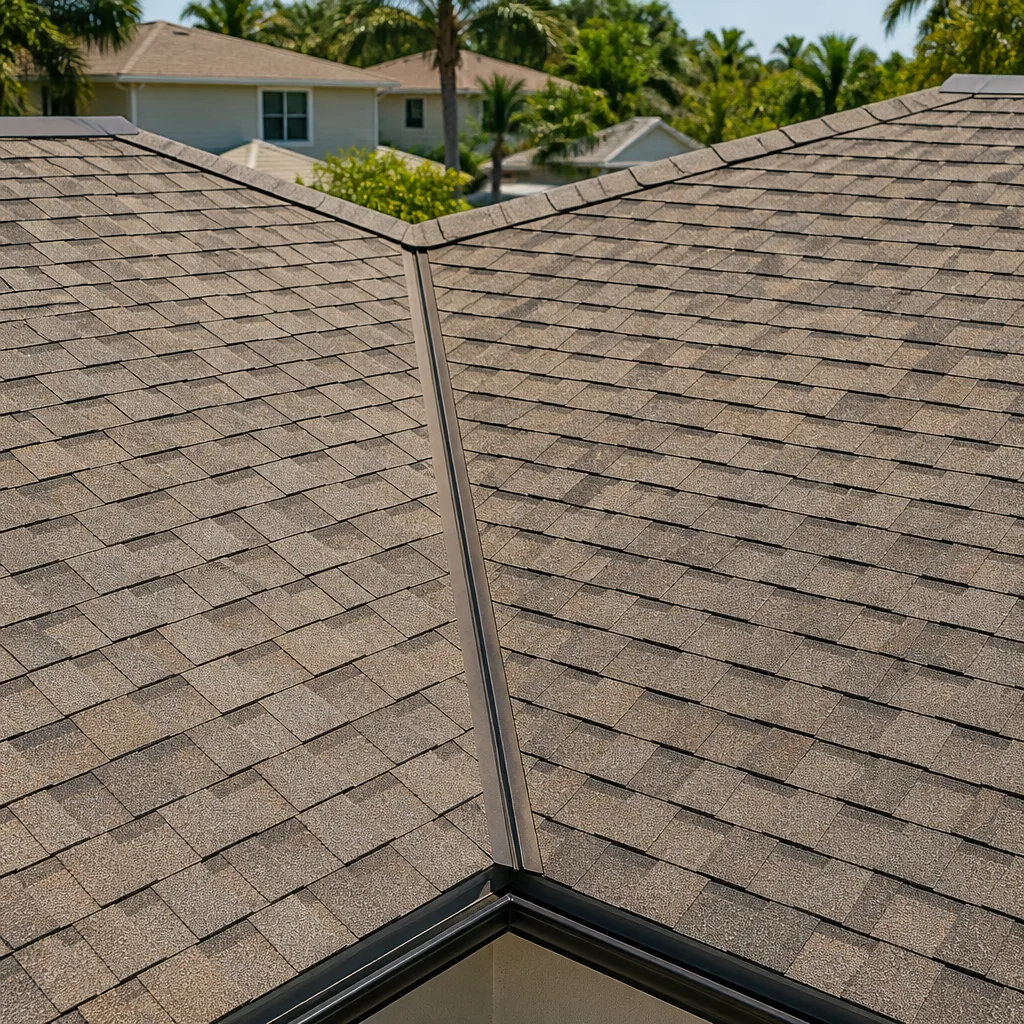
The shingle type on your Richardson roof changes what hail damage looks like. Architectural shingles – the thicker, laminated product on most homes built or re-roofed here since the 1990s – show random circular impressions, often with a ring of displaced granules around each hit. The pattern is scattered because hailstones don’t fall in rows. 3-tab shingles, common on the older single-story brick ranchers throughout the original Richardson Heights plat and the post-war blocks near Central Expressway, show a more uniform impact pattern, and the thinner mat fractures with less force. A dimple without a black center may be deniable on either shingle type. A dimple with an exposed mat is not.
This matters because a lot of the 1950s and 1960s ranch homes in Richardson still carry either original 3-tab or an older architectural layer, sometimes over a second layer nailed down decades ago. Roofers in Richardson see plenty of two-layer tear-offs after a storm because the underlying layer was undersized for the newer hail loads. If the roof is older, the inspection should note layer count, ventilation, and deck condition alongside the hail hits. When it’s time to replace rather than patch, our Roofing team walks through the options with a written scope, not a verbal one.
The soft-metal inspection: your ground-level proxy for the whole roof
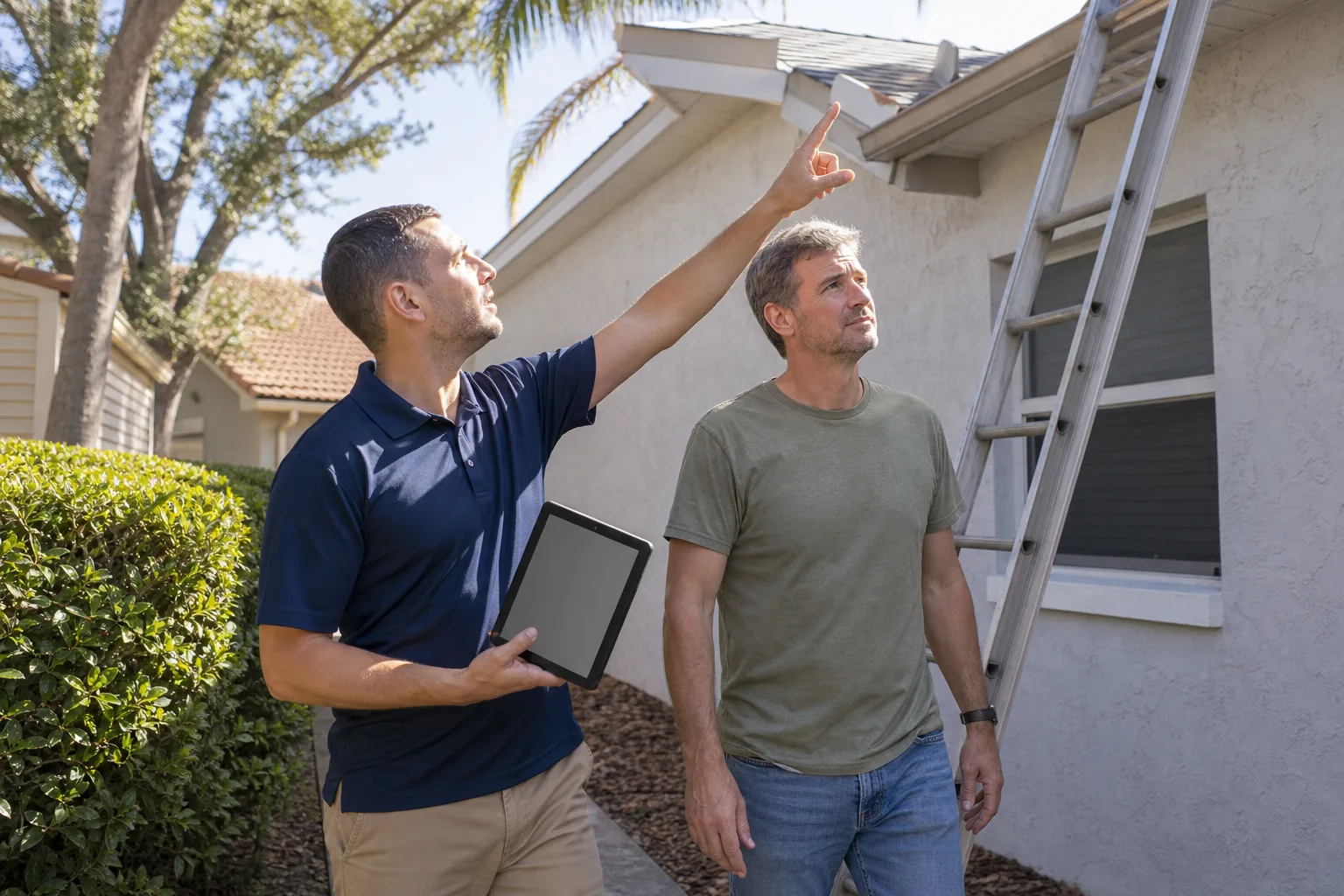
Here’s what most homeowners never hear from a contractor. The clearest evidence of a hail event isn’t on the shingles at all. It’s on the AC condenser fins, the gutter face, the downspout collars, and the ridge cap flashing. These soft metals dent visibly and permanently. If your gutters show fifty-plus impact dents from a storm, the shingle damage above is almost certainly documentable. If the metals are clean, the roof is probably clean too. Adjusters use this same logic in reverse: no soft-metal hits usually means no verified hail loss.
The catch is that soft-metal inspection needs to happen before the next rain washes the fresh dents into a blur, and before someone hauls off the old AC unit. On our inspections, we photograph the condenser fins, the gutter face, and the ridge cap in daylight, then compare them against the shingle hits on the same slope. That’s the paperwork your carrier wants. Our technicians have up to 12 years of experience reading those patterns, and they’re background-checked, uniformed, and arrive on time. No unmarked van in the driveway.
Why Richardson gets hit this hard, and what that does to your roof
Richardson sits in the southern tier of Collin County, which carries one of the highest hail-strike frequencies in Texas. Spring severe weather tracks up from the southwest through the Dallas metro and dumps golf-ball and larger stones on the corridor with depressing regularity. That’s not a marketing line – it’s why roof replacement is a standing line item in the North Texas construction calendar. Hail events compress the roofing schedule into spring and fall here, which means the good contractors book up fast after a storm and the operators that show up at your door with a clipboard the next morning are usually not the ones you want.
The older Richardson housing stock adds a wrinkle. Many of the pier-and-beam ranches on the original plats have roofs that were last replaced on a staggered schedule, with different slopes or sections replaced at different times. A storm can damage one section badly and leave another intact. A proper inspection maps the hits slope by slope, not as one blanket verdict. If the neighbor’s roof got replaced after the same storm, that tells you almost nothing about yours. Hail is not uniform street to street.
What roof hail work actually costs in Richardson – and what insurance typically covers
Adjusters pay on functional damage, but homeowners want numbers before they file anything. Here’s what roofing work runs in the Richardson market, whether insurance covers part of it or you’re paying out of pocket.
| Work | Typical Richardson range |
|---|---|
| Roof repair (patch, flashing, isolated hits) | $400 – $1,800 |
| Full roof replacement (asphalt, including Class 4 upgrade options) | $8,000 – $20,000 |
| Metal roof installation | $15,000 – $40,000 |
Most hail claims in Richardson cover the deductible plus the carrier’s approved scope. That means the cost to you is usually the deductible, not the full replacement figure. Repairs that fall under the deductible are usually worth paying out of pocket rather than filing, because a claim on your record follows the house for years. We give you both numbers – the repair figure and the replacement figure – so you can make the call with something concrete in front of you. Upfront pricing, no surprises. If you’re considering a full replacement rather than a repair, our Richardson service area page covers how we schedule and stage jobs around the older, narrow platted lots that make tear-offs tight on this side of Central Expressway.
When a Class 4 upgrade makes sense – and when it doesn’t
GAF and Owens Corning both manufacture Class 4 impact-rated shingles with documented impact resistance testing. In the southern Collin County hail corridor, that upgrade is a real conversation, not a sales trick. If your roof is being replaced anyway, the added cost per square for Class 4 product is modest compared to the labor and disposal you’re already paying for. Some Texas carriers also offer premium discounts on Class 4 roofs, though you’ll want to confirm with your specific carrier – the discounts aren’t universal. If the roof is five years old and undamaged except for one slope, a Class 4 upgrade may not pencil. We say so when it doesn’t.
FAQs
Real hail damage shows as random circular impact points, often with a dark center where the fiberglass mat is exposed. Granule loss may be clustered around those same points. If you see consistent hits with black centers across a slope, that’s the pattern that supports an insurance claim. Dimples with no exposed mat are typically cosmetic and often denied.
Yes, you can, but it’s usually not the smart move. A trained inspector documents the soft-metal hits, the slope-by-slope pattern, and the age and layer count of the roof before the adjuster arrives, which gives you something to point at if the scope comes back light. Adjusters are busy after a Richardson storm, and a claim that arrives with clear photographic evidence tends to move faster than one based on a homeowner’s description. Call (833) 954-4985 for a free assessment before you file.
Texas homeowners’ policies typically allow claims within a year of the date of loss, though some carriers set shorter deadlines and the exact window is spelled out in your policy. The practical answer is to inspect and file early, because evidence weathers. Metal dents soften, granules wash away, and a contractor who shows up three months late has a much harder time documenting what actually happened. Filing deadlines vary by carrier, so confirm yours with the carrier directly.
Hail damage has a directional pattern – hits cluster on the slopes facing the storm and on the metal surfaces that took the same angle. Ordinary wear shows up as even thinning, granule loss along the whole surface, curling shingle edges, and popped seal strips from heat cycling. North Texas summer heat alone can age a shingle fifteen ways, none of which are hail. An inspector who knows the difference will tell you honestly which one you’re looking at, even when the answer is “no claim here.”
If you’d rather have it looked at, Groundwork Construction Co. of Richardson offers a no-pressure assessment in Richardson – call (833) 954-4985. We’ll put the photos, the soft-metal findings, and the slope-by-slope pattern in writing, and if it’s not a claim, we’ll tell you that too. All roofing work is covered by our 730-Day Done Right Promise, and calls are answered by a live person around the clock.
Written by the team at Groundwork Construction Co. of Richardson, serving Richardson, TX.