

Free written scope consultation - allowances, timeline, and change-order rules on paper before a single trade is scheduled
Styles & brands we work with
- Kitchen remodeling
- Bathroom remodeling
- Home additions & ADU
- Roofing
- Windows & doors
- Driveway & pavers
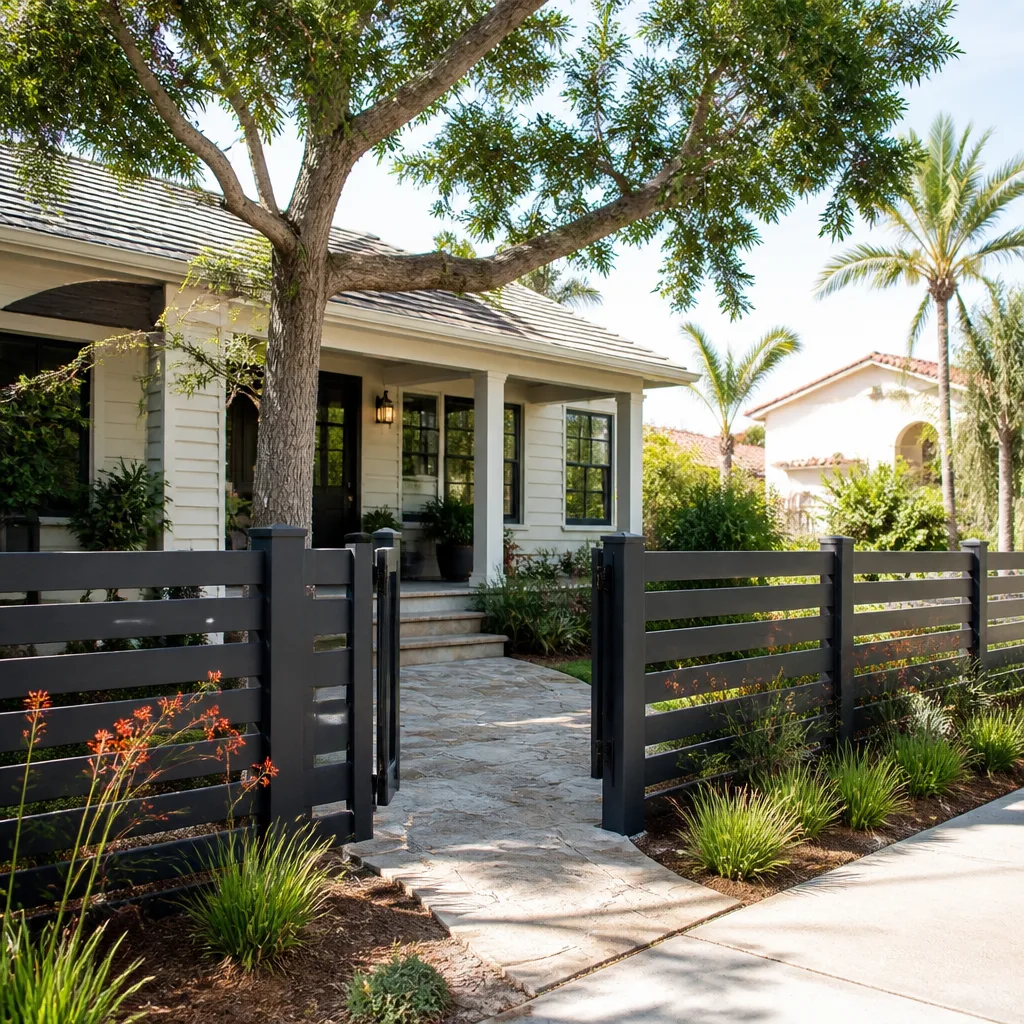
- Fence
See the difference
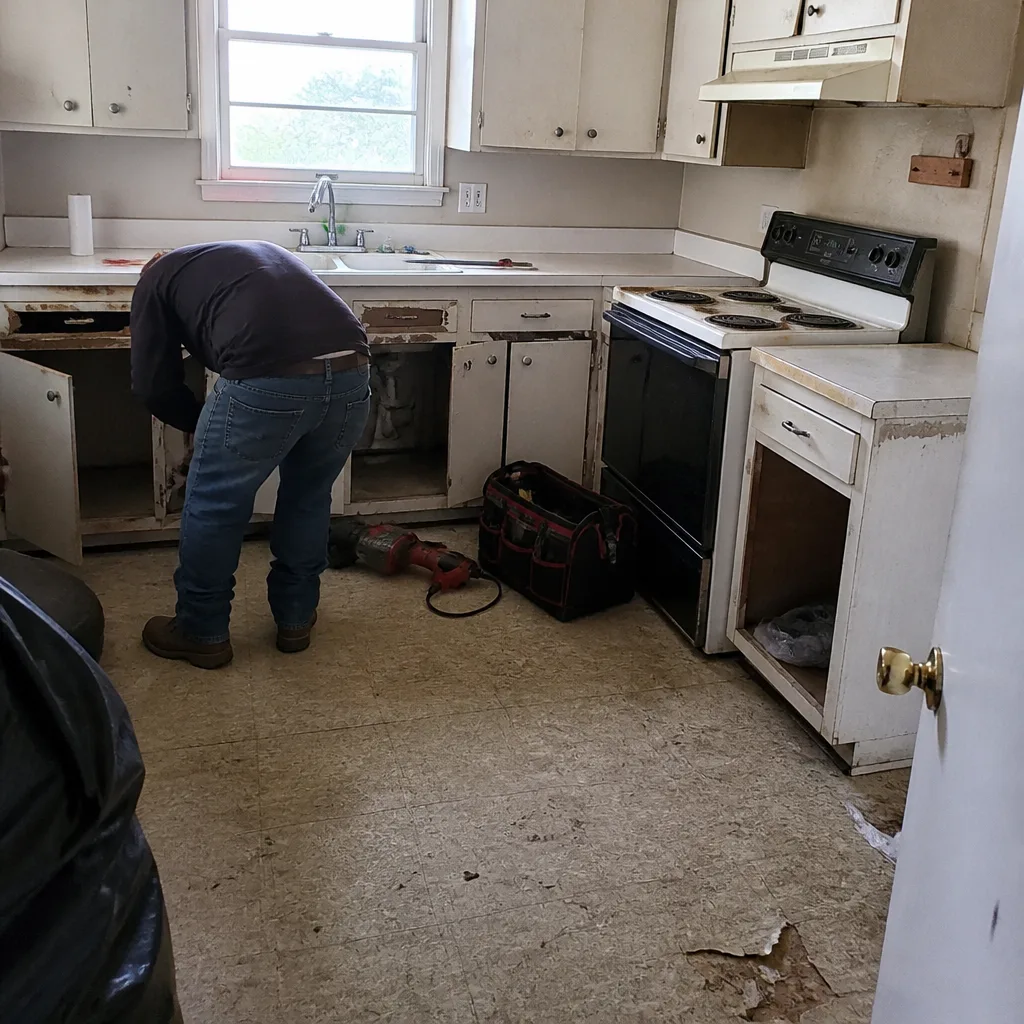 Before
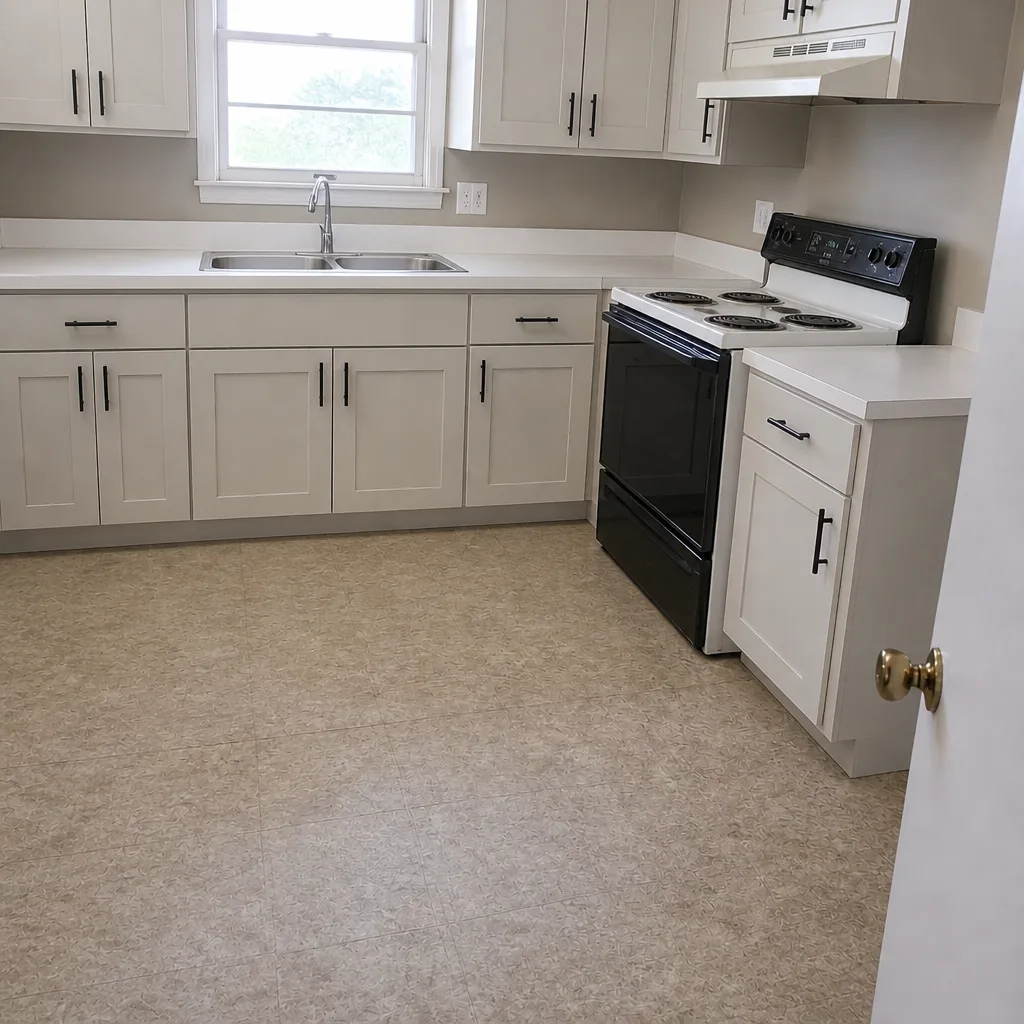 After
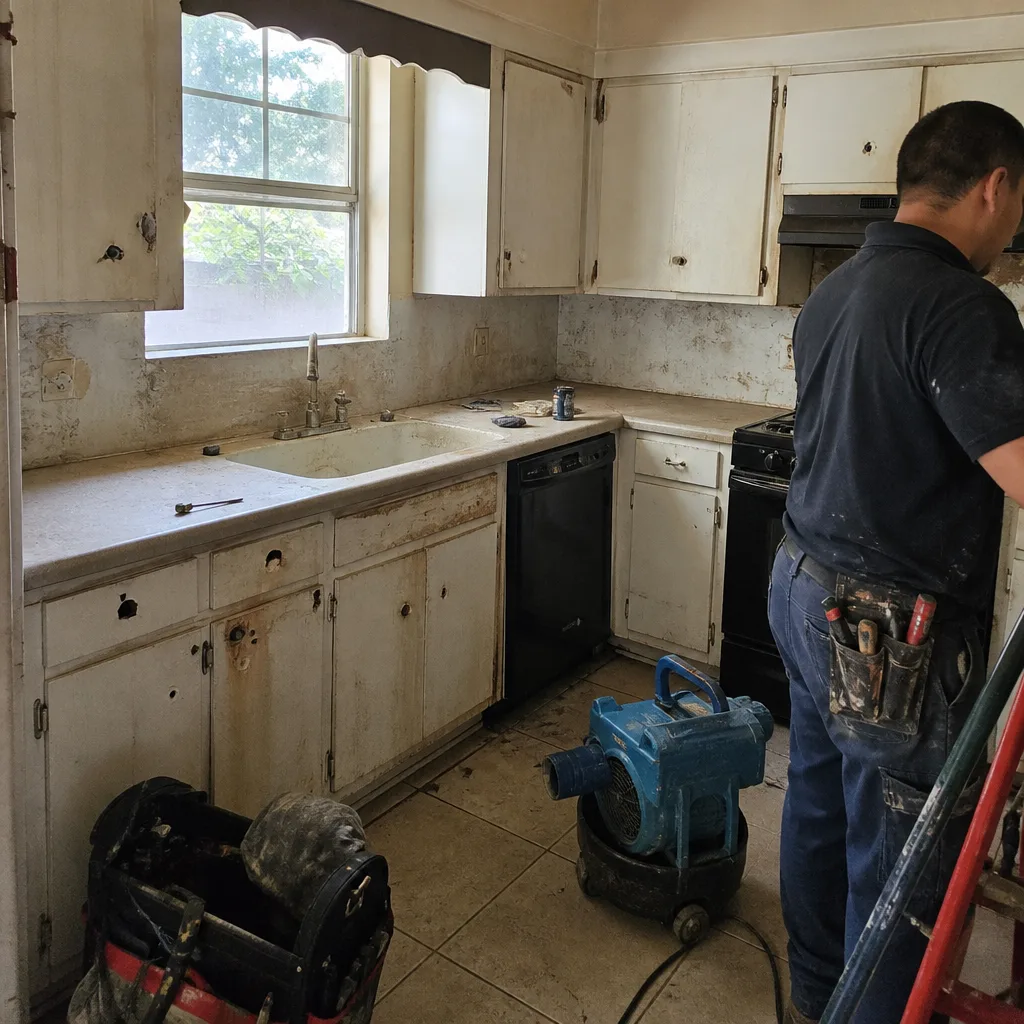 Before
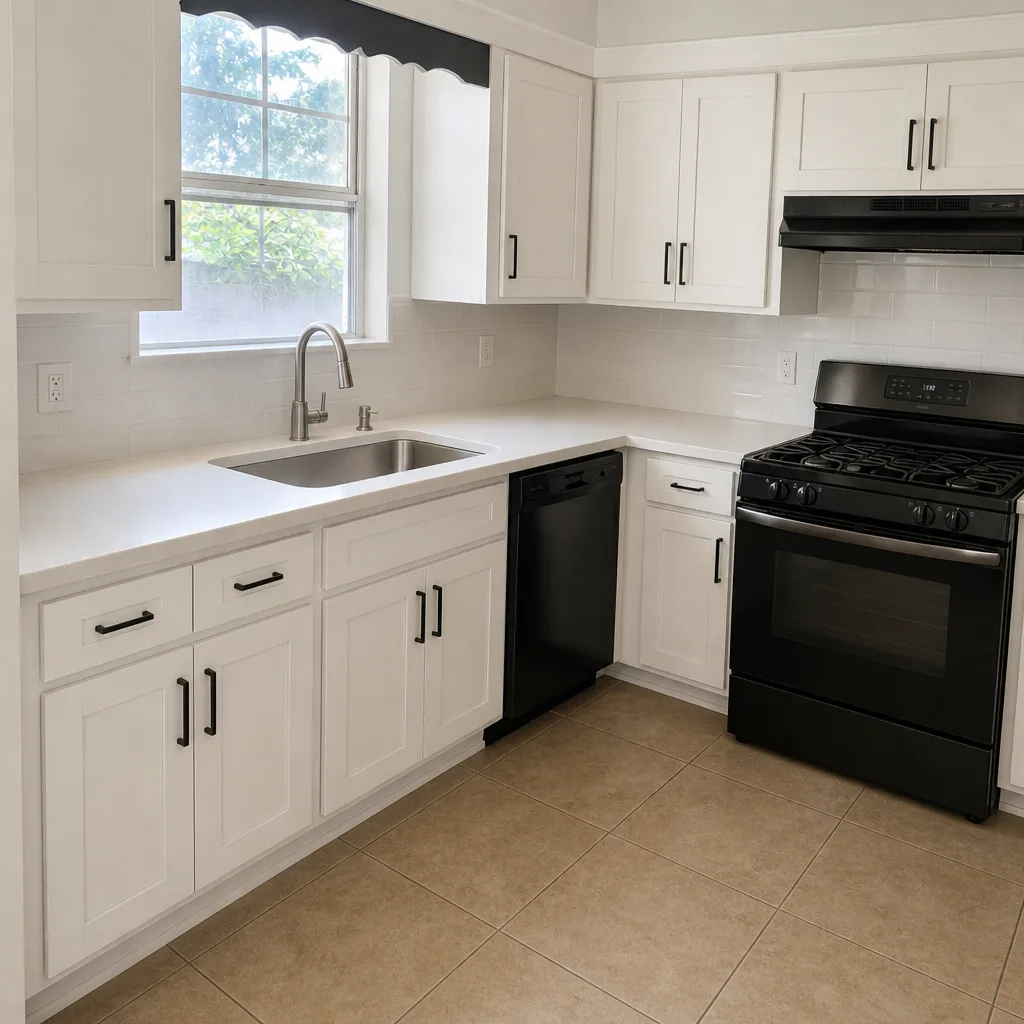 After
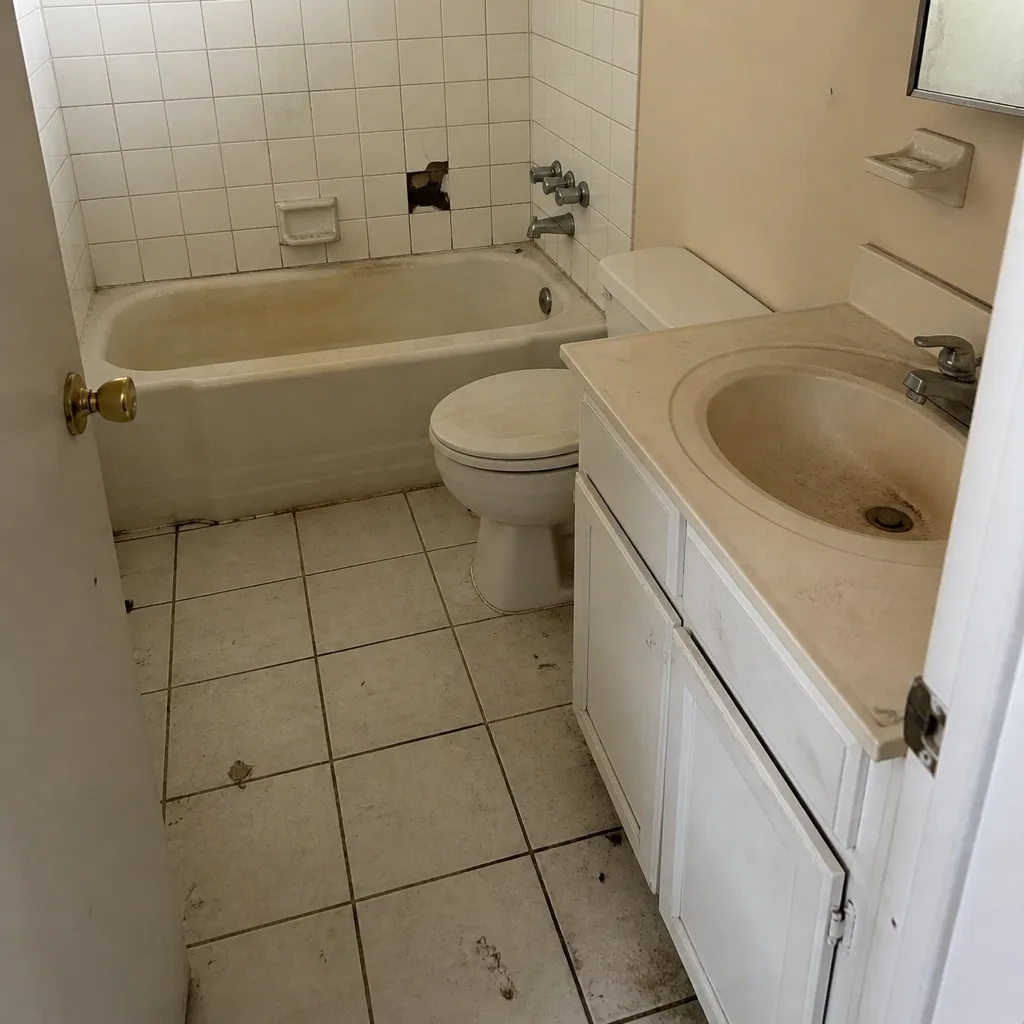 Before
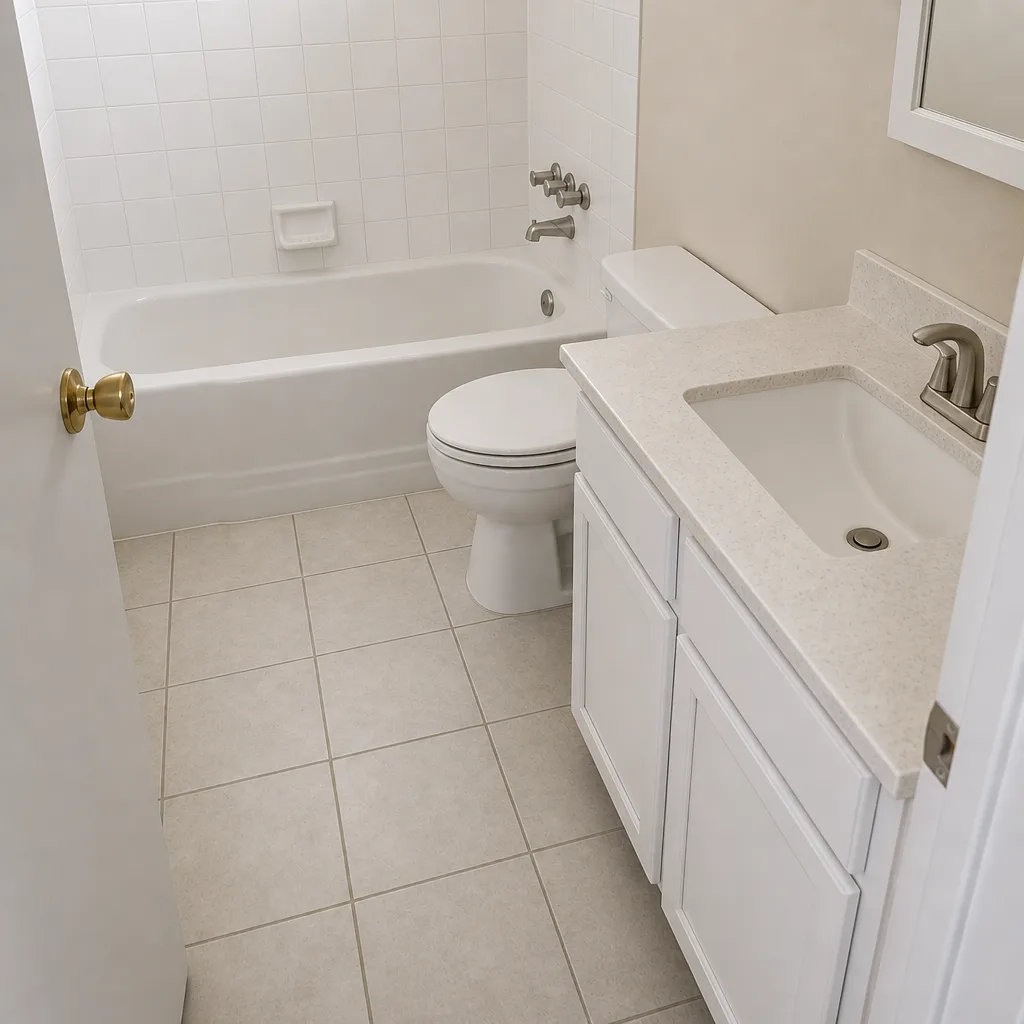 After
Signs You Need a New Roof in Richardson, TX: Read Your Ranch Home’s Attic Before Your Ceiling
On Richardson’s original 1950s-60s brick ranch homes, the first real sign of roof failure usually isn’t a ceiling stain. It’s in the attic: compressed or displaced insulation, dark staining on the rafter tails, and soft decking at the eave edges, all of which show up years before water ever breaks through your drywall. If any of those three are present in a Richardson home of that era, you’re past the “watch it” stage and into planning a replacement. For a same-day look before it gets worse, call (833) 954-4985.
Here’s the part most “10 signs” lists skip. Your roof fails in a pattern that’s unique to its age, pitch and the climate it sits in. North Texas heat over 100°F, spring hail, and expansive clay soils that shift the footing under a pier-and-beam foundation all push a Richardson roof differently than a moisture-heavy climate would. Richardson’s construction market is already a tale of two eras: the post-war ranch core in the original Richardson Heights plat being scraped and rebuilt, sitting beside the Telecom Corridor footprint around CityLine and Palisades. That means a roof here gets judged on the 1960s ranch rules, not the new-build rules next door.
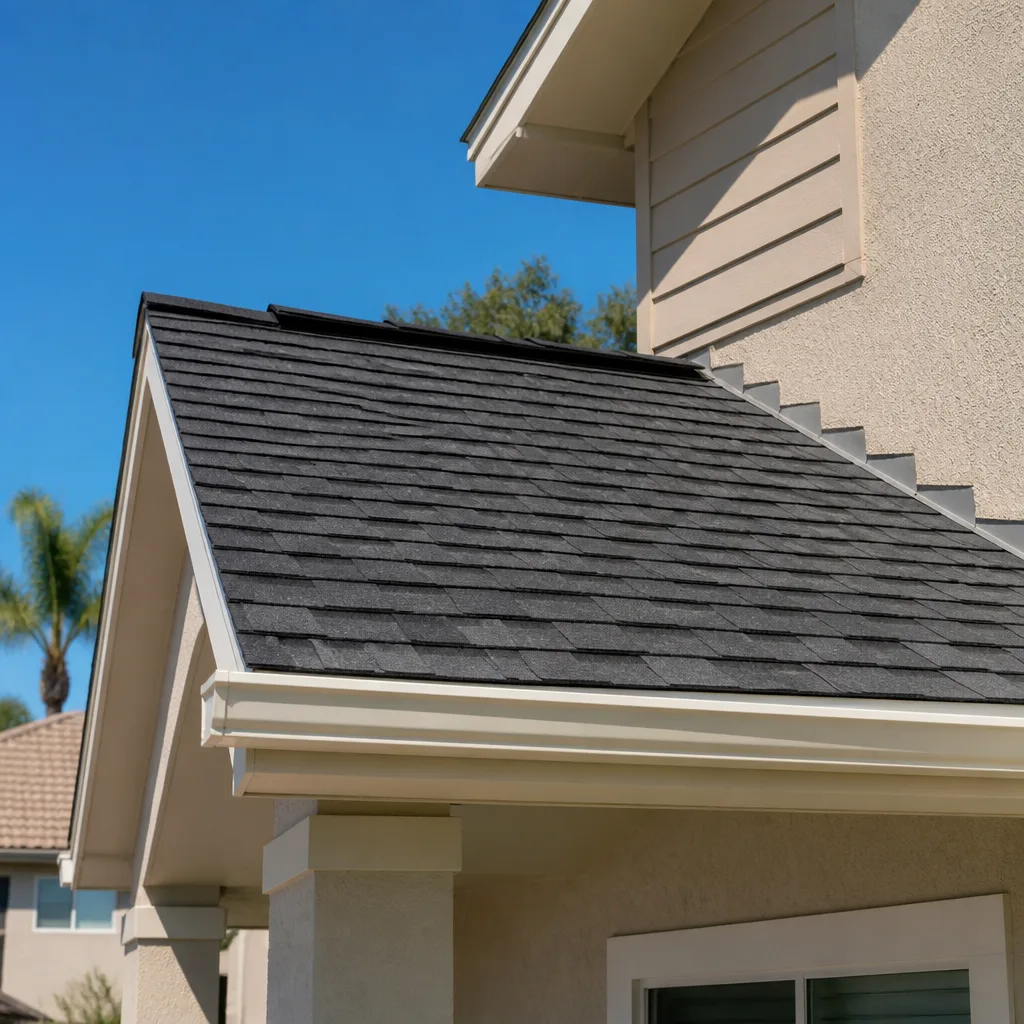
The Signs You Need a New Roof on a Richardson Ranch Home: Read the Attic, Not the Shingles
Ask a homeowner what a bad roof looks like and they’ll describe curled shingles. Ask a roofer who works Richardson’s mid-century blocks and they’ll describe three attic conditions first. Here’s what to check, in order of what actually shows up earliest.
Attic signs that show up years before a leak
- Compressed or displaced batt insulation. On a low-pitch ranch, warm moist air from the living space drives up through leaky ceiling penetrations. That vapor hits the underside of the roof deck, condenses, and saturates the batt sitting against it. The batts flatten and pull away from the joists. That’s a ventilation-and-deck problem, not just an insulation problem, and it’s a leading indicator that the roof deck is taking on water from below.
- Staining at the rafter tails. Look where the rafters meet the exterior wall plate. Dark streaks, peeling paint, or a chalky white residue on the wood (efflorescence from moisture) mean water is wicking in at the eave. This pattern appears years before a ceiling stain because the water travels the wood, not the drywall.
- Soft decking at the eave edges. Press a screwdriver handle (not a metal tip) into the roof sheathing accessible at the eave from inside the attic. Spongy, dark, delaminating decking means the structural sheathing has lost integrity. At that point, a re-roof is really a deck replacement, and that changes the budget.
If you check all three and find none of them, you have real information. If you find one, you have a starting point. Either way, an assessment with a licensed professional beats guessing from the ground. A roofer who works North Texas ranch stock can read those attic signals in a 20-minute walk.
Chimney Step Flashing: The Undetected Leak Point on Richardson Brick Ranches
The number-one hidden leak on a mid-century Richardson brick ranch is not the shingles. It’s the step flashing where the roof meets the chimney. Original lead or galvanized flashing was set into the brick mortar line when the house was built 50+ years ago. That metal corrodes, and the mortar joint it sits in shrinks and cracks. The result: a small gap that funnels water straight down inside the wall cavity. From the ground, the flashing looks perfectly fine. From the attic on a rainy day, you’ll see the stain on the chimney framing.
Here’s what to look for without climbing anything:
- A darker, damp-looking band on the brick just above the roofline, especially after rain
- White powder or efflorescence on interior chimney brick inside the attic
- Staining on the ceiling within a few feet of the chimney, not in the middle of the room
- Loose or crumbling mortar at the roof-to-brick joint you can see with binoculars
Step flashing replacement on a brick ranch is a specialized job. Original lead or galvanized has to come out, the mortar chased clean, and new flashing keyed back into the brick. It’s not a shingle job. If you think you have it, don’t wait for the ceiling stain: call a roofer who knows how to read a brick chimney line.
How Do You Read Granule Loss in North Texas Heat?
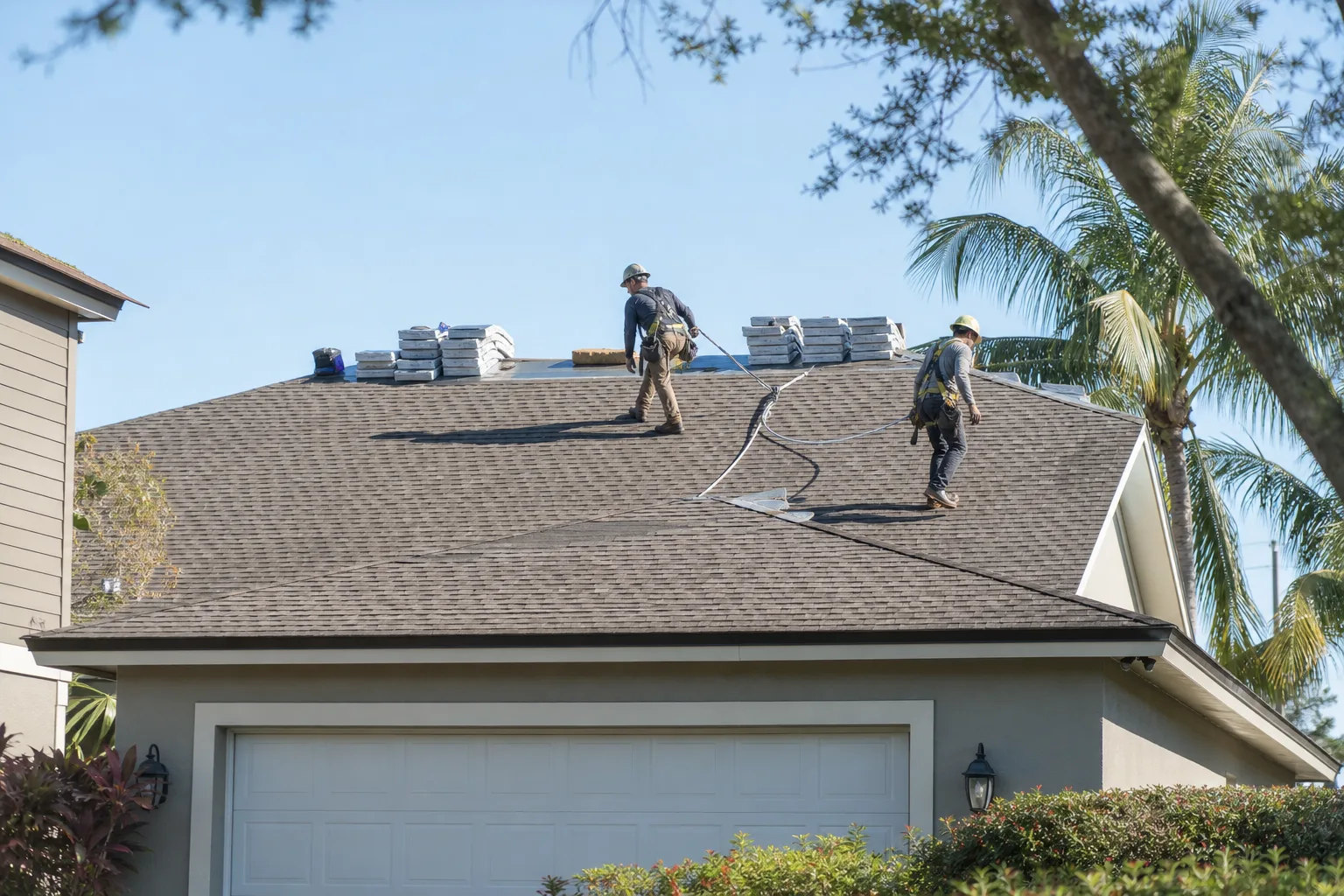
Granule loss is a shingle-age clock, and in Richardson that clock runs on UV, not on rain. A 100°F+ Dallas-Fort Worth summer is brutal on asphalt: the mat dries out, the granules loosen, and shingles that would last 25 years in a wet climate are worn out at 15-18 here. The tell is in your gutters, not on your roof.
Scoop a handful of gutter debris after a dry spell. A few loose granules are normal. A half-inch of black sand-like grit coating the bottom of a single-story run of gutter, or piles at the base of every downspout, tells you the shingles are actively shedding their protective layer. That’s not cosmetic. Granules are the UV shield on the asphalt mat; once they go, the shingle ages fast. Pair that with what your neighbors are doing. If three houses on the same 1960s block have re-roofed in the last two years, the fourth is statistically overdue.
We install GAF and Owens Corning systems on Richardson replacements because their warranty registration and product tiering makes a future claim cleaner than a no-name shingle. When it comes time to make that call, the brand on the deck actually matters.
Hail Damage: Cosmetic vs. Structural, and How to Tell Without Climbing Up
Here’s where a lot of Richardson homeowners get handed bad advice. Not all hail damage is the same, and the difference matters for both insurance and safety.
| What you see | Type | What it means |
|---|---|---|
| Surface dimpling, granule loss at the impact points, no broken shingle | Cosmetic / insurance opportunity | Often covered by a hail claim; replacement can be warranted if the storm was recent |
| Visible cracks through the shingle, exposed fiberglass mat, dents that break the shingle’s integrity | Structural / safety issue | The shingle has lost its water-shedding layer; replacement is urgent regardless of insurance |
From the ground you can’t tell the two apart reliably, which is exactly why the insurance industry sends an adjuster up. What you can do without a ladder: check the downspouts and gutters for fresh granule piles after a hail event (a fresh “shingle-shed” event), inspect any exposed metal on the property (fascia caps, A/C housing, gutter) for dents, and take dated photos of any ceiling spotting within a week of the storm. Storms in spring 2024 across the Metroplex moved a lot of Richardson roofs into the replacement bucket, and the insurance window on older hail claims often closes faster than homeowners expect. If you’ve got an undated stain and you can’t remember whether the last storm was the cause, an inspection will sort it. Our team at Groundwork Construction Co. of Richardson has run enough hail assessments on these blocks to tell the difference in a 30-minute visit.
What a Richardson Roof Replacement Costs in 2026
Ballpark numbers help you plan. These reflect what we and our partner installers see in the Richardson market, not national averages:
- Roof replacement (asphalt shingle, typical single-story ranch): $8,000-$20,000
- Roof repair (step flashing, localized shingle repair, spot leak): $400-$1,800
- Metal roof installation: $15,000-$40,000
- Tile roof repair: $600-$2,500
Where does the range come from? Two variables drive most of it in Richardson: deck replacement (soft sheathing at the eave, which we covered above) and access (ranch homes on tight original lots, with the pier-and-beam crawlspace requiring careful loading). A straightforward re-roof on sound decking lands toward the low end. A deck replace with step flashing at the chimney lands toward the high end. We price with upfront, no-surprise numbers. All work is backed by the 730-Day Done Right Promise, so if something’s not right, we make it right. And on projects over $10,000, you get $1,000 off, with 0% financing for 18 months available. The roof is one of seven trades we handle from foundation to finish line, so a roof inspection can also flag a window or gutter problem worth bundling; see our Roofing page for the full scope.
Want to know what your roof is really telling you? Our Richardson service area page has the local coverage detail, and the home page has the full picture of what we handle across trades.
FAQs
If one isolated area is leaking (a chimney, a flashing detail, a vent boot), a repair in the $400-$1,800 range is usually the right call. If you have attic staining spread across two or more rafter bays, granule loss concentrated across the whole plane, or soft decking at more than one eave, you’re looking at a replacement. The line is when the failure is systemic rather than a single point. Call (833) 954-4985 to talk through what you’re seeing before you commit.
You usually can’t. From the ground, a structural fracture through the shingle mat looks like cosmetic surface dimpling. What you can do is check your gutters for fresh granule piles after a storm and photograph any ceiling spots the same week. Then get a roofer up. We don’t recommend climbing a 1960s ranch roof yourself: the pitch is mild but the decking may be soft, and that’s a real fall hazard. Call us and we’ll send a licensed technician.
Usually yes, if the roof is past its useful life and any inspection would flag it. A 1960s Richardson ranch with a roof in the 15-18 year range will stall a sale when the buyer’s inspector reports soft decking or a step-flashing problem. A pre-listing assessment lets you price the replacement into the ask instead of conceding it at the negotiating table. Call for a no-pressure look before you list.
A typical single-story Richardson ranch re-roof runs one to two days once work starts. Add a day if the decking or step flashing needs replacement. Scheduling on these blocks squeezes into spring and fall, since a 100°F summer install and a winter ice event both push quality down. Call us early in spring to get on the pre-season schedule.
If you’d rather have it looked at, Groundwork Construction Co. of Richardson offers a no-pressure assessment in Richardson. Calls are answered by a live person 24/7, so a ceiling stain at 9pm on a Sunday gets a real human, not a voicemail. Call (833) 954-4985 for a free estimate. Your roof’s next failure doesn’t need to be a surprise.
Written by the team at Groundwork Construction Co. of Richardson, serving Richardson, TX.