Last updated November 18, 2026


Free written scope consultation - allowances, timeline, and change-order rules on paper before a single trade is scheduled
Driveway & Pavers Maintenance Checklist for Richardson Homeowners
A single Texas freeze-thaw cycle can displace a paver that looked perfect in October. Not because it was installed wrong, but because the sand-set bed beneath it dried out during a Richardson summer and never got re-stabilized before the first hard freeze hit. That’s the part most homeowners never hear: here, in this stretch of North Texas, the number one driver of paver and driveway failure isn’t bad workmanship. It’s the one-two punch of drought-hardened clay soil followed by flash-flood saturation, repeated every year. This guide walks through a maintenance calendar built around Richardson’s actual weather events, how to catch joint failure before it snowballs, slope rules that keep you out of trouble with the city, sealer choices that survive our UV load, and the root problems live oaks and Bradford pears cause at the edges of your driveway.
Quick Answer
Maintaining a driveway in Richardson comes down to three recurring jobs tied to our climate: re-sanding the joints each spring before the wet season (polymeric sand breaks down under our summer heat faster than the national average), sealing every 2 to 3 years with a UV-stable product rather than a hardware-store generalist brand, and walking the edges after every major rain event to catch washout and settlement early. Climate, not the original install, is what ages a paver driveway here. If you stay ahead of the sand, the slope, and the root zones, a well-built driveway holds up well past the ten-year mark.
Styles & brands we work with
- Kitchen remodeling
- Bathroom remodeling
- Home additions & ADU
- Roofing
- Windows & doors
- Driveway & pavers
- Fence
Table of Contents
- Why Richardson’s Climate Wears Out Driveways Faster Than the Installer Told You
- The Month-by-Month Maintenance Calendar for Richardson
- Spotting Polymeric Sand Joint Failure Before It Becomes a Weed and Water Problem
- Drainage and Slope Requirements in Richardson: What the City Expects
- Choosing a Sealer That Survives North Texas UV
- Root Encroachment from Live Oaks and Bradford Pears
- Concrete vs. Pavers in Richardson: What Each Needs From You
- The Annual Deep Clean and Inspection: A Step-by-Step Walkthrough
Why Richardson’s Climate Wears Out Driveways Faster Than the Installer Told You
Richardson sits on the eastern edge of the Blackland Prairie, which means a lot of expansive clay soil under most of the city. That clay is the whole story. In a dry summer, it shrinks and pulls away from the sides of your pavers and the edges of your driveway slab. Then a fall or spring storm dumps two inches in an hour, and the clay swells back up. Repeat that cycle twice a year for a decade, and you get the settlement, edge washout, and joint failure that have nothing to do with whether the crew did a good job on installation day.
Our summers also cause the sand to dry out and blow out of the joints. When you combine 100-degree stretches with the normal daily expansion and contraction of the pavers themselves, polymeric sand that was crisp in March is often powder by August. That’s why the standard national maintenance advice (“reseal every 5 years, top off sand as needed”) tends to fall short here. The intervals are shorter in Richardson.
Add the winter freeze-thaw cycle, and you get one more failure mode: water that got into a joint during a fall storm freezes overnight, expands, and pushes the paver up a fraction of an inch. It doesn’t look like much on its own. But it opens the joint wider, lets more water in, and by the next freeze you have a visible rocker. The good news is that all of this is catchable with routine inspection, and that’s what the rest of this guide is about.
We’ve spent a lot of time on Richardson driveways and the pattern is consistent: the driveways that make it 15 and 20 years without a rebuild are the ones where the homeowner did a 20-minute walkthrough twice a year and re-sanded on schedule. The ones that fail early are almost always the drives nobody looked at between installation and the first cracked edge.
The Month-by-Month Maintenance Calendar for Richardson
Generic “spring and fall” maintenance advice misses most of what actually happens here. This calendar is keyed to the specific weather events Richardson homeowners deal with, not to a national four-seasons script.
January and February: Freeze Damage Check
This is when you look for the raised pavers and hairline cracks that show up after the first hard freezes of the year. Walk the full perimeter of the driveway with a flathead screwdriver and probe any joint that looks wider than it did in the fall. If a paver rocks underfoot, that joint has already lost its bedding sand and is a candidate for removal and resetting before spring rains make it worse. Also check the transition strip where the driveway meets the garage slab; that’s the first place freeze movement shows up.
If we get a hard ice event, resist the urge to chip ice off with a shovel or an ice pick. You’ll scar the pavers. Sand and time do the work. Rock salt is also worth limiting; de-icing salts accelerate surface degradation and the chloride stays in the joints and interferes with polymeric sand bonding later.
March and April: Pre-Wet-Season Re-Sand
The last two weeks of March or the first week of April are the ideal window for topping off joint sand in Richardson. The reason is simple: you want dry joints when you apply, and you want to finish before the late-April and May rain cycle starts testing your work. Sweep in polymeric sand, vibrate or tamp it into the joints, mist it to activate, and then leave it alone for at least 24 hours.
This is also the moment to check gutter downspouts and any landscape drainage that dumps near the driveway edge. If water is sheeting from the downspout onto the pavers, no amount of sand is going to keep up.
May through September: The Dry Season Watch
This is the stretch where Richardson’s heat does the most quiet damage. When the clay shrinks, the joint sand loosens and blows out. When you see weeds starting to sprout in a joint, that joint is already open and holding water. Hand-pull weeds early; don’t let them establish roots under the paver, because that’s when you go from re-sanding to resetting.
If you have an irrigation system, verify that no sprinkler heads are spraying directly onto the pavers. Overspray accelerates both efflorescence and joint degradation. A quick head adjustment in May saves you a re-sand in August.
October and November: Pre-Freeze Sealer Window
Sealer needs dry weather and moderate temperatures to cure correctly. In Richardson, mid-October through mid-November is usually the window, and it’s what gets you through the first freeze with a properly protected joint. Sealing in the peak of summer is a mistake here; the surface can be too hot, the sealer flashes off too fast, and you end up with hazing.
December: Post-Season Inspection
Walk the driveway one more time after the first freeze, checking specifically for raised pavers, popped edges, and any new gaps at the driveway-to-street apron. The apron is under the most load and is the most common place a driveway in Richardson needs a small reset after its first winter.
Spotting Polymeric Sand Joint Failure Before It Becomes a Weed and Water Problem
Polymeric sand is the compound that binds the joints between pavers and keeps the bed stable. When it starts to fail, the joint opens, water gets in, weeds germinate, and ants move into the loose sand. All of that happens before the joint looks visibly damaged from standing height. You have to get low to see it.
Here’s what early failure actually looks like, in the order you’ll typically spot it:
- Color change at the joint surface. Fresh polymeric sand has a slightly matte, uniform finish. As the polymer begins to break down, the joint surface looks lighter, more washed out, and dusty. In our experience, this shows up first on the south and west faces of the driveway, where UV and heat are highest.
- Pockmarking. Small divots appear where the sand has started to erode. These are usually one to two millimeters deep and easy to miss, but they catch water and accelerate the problem.
- Ant trails crossing joints. Fire ants in Richardson love a dry, sandy joint. If you see trailing ants along a specific joint line, that joint is already open enough for them to work.
- Weed seedlings. The moment you see small seedlings in a joint, you’ve got a half-inch or more of uncompacted sand. Hand-pull them in the morning when the soil is soft, then plan a re-sand for the next dry window.
- Washout after a rain. After any significant rain event, walk the driveway and look at the lowest point. If you see sand accumulation in a low spot or against the curb, sand is washing out of the joints somewhere upstream.
The good news is that a full re-sand, done in March, resets the clock. Once the sand has failed across more than a third of the driveway’s surface, you’re looking at a full joint budget rather than a spot repair, and that’s the point where it makes sense to call in a pro to check the bed underneath, not just the joints. If the bed itself has lost material, more sand on top isn’t the fix.
Drainage and Slope Requirements in Richardson: What the City Expects
Drainage is where most driveway maintenance conversations fall apart. The truth is that Richardson’s stormwater ordinances expect surface drainage to be handled on the private property rather than discharged onto a neighbor’s lot or into the street without control. In practice, that means your driveway has to shed water to a designed low point or drainage path that stays on your lot, and any significant impervious surface changes (particularly if you’re replacing a driveway or adding pavers to a larger hardscape) may trigger a permit review depending on scope.
What we see on most Richardson driveways that pass inspection with room to spare:
- Minimum slope away from the garage: roughly a 1 to 2 percent fall to keep water from pooling at the garage apron. Less than that and you’ll get ponding after a heavy rain.
- Minimum slope toward the street: a similar range, usually in the 1.5 to 2 percent range. Steeper than that and the pavers start migrating downhill over time; flatter than that and water stands.
- Cross-slope: a small crown or cross-pitch, ideally less than 2 percent, so water doesn’t run laterally into a foundation bed.
- Positive drainage at the apron: the driveway-to-street transition has to release water cleanly whether the street is a typical Richardson residential crown or flatter.
Where this matters for maintenance: if your driveway was built correctly, water should be moving off it fast. If you notice standing water anywhere on the surface 30 minutes after a heavy rain, either the joint sand has fallen out of suspension and trapped water, or the slope has changed due to settlement. Both are fixable, but the settlement case needs professional eyes before a re-sand turns into a re-level. When we quote Driveway & Pavers in Richardson work, drainage grading gets specified before anything gets laid, and that’s the right order.
If the water is sheeting toward your fence line rather than your street, that’s also the moment to look at the fence footings, since saturated soil around posts is the most common cause of premature fence failure. Our Fence Installation in Richardson team regularly reads fence drainage as part of any driveway drainage review.
Choosing a Sealer That Survives North Texas UV
Walk into any big-box store and you’ll see sealers marketed nationally as “5-year” or “10-year” protection. In Richardson, those numbers are optimistic. Our UV intensity from May through September is roughly 15 to 20 percent higher than a coastal or northern market, and that extra sun breaks down acrylic sealers much faster than the label promises. A sealer that lasts 5 years in Michigan is often a 2-year product here.
What actually works:
- Solvent-based acrylic sealers with a UV stabilizer package. These hold up better against our summer sun than most water-based formulas and generally give you 2 to 3 years between applications in Richardson.
- Polyurethane-based sealers. Better UV resistance and a slightly longer working life in sun-heavy climates. They cost more and are more sensitive to moisture during application, so timing matters.
- Penetrating sealers (silane-siloxane). These don’t sit on the surface; they soak in and chemically bind. They’re more forgiving of application timing and are a good pick if you’re worried about the “wet look” or slipping on shaded pavers.
What to avoid here: low-VOC “eco” sealers formulated for cooler, wetter markets, and any sealer that lists a national average lifespan without a UV rating. Those are the ones that haze over or flake within 18 months in Richardson. Check the technical data sheet for UV stability and a stated recoat interval – not just the marketing bullet points.
The other piece most sealer guides miss: reapplication timing. In Richardson, most pavers need a re-seal somewhere between the 24-month and 36-month mark, and the trigger is visible surface dullness plus the joint color test above, not the calendar alone. If the driveway is under tree cover on the north side of the house, you may get a little more time. If it faces full southwest exposure, plan for the shorter end of the range.
We only specify sealers with documented UV performance and visible recoat schedules, and it’s one of the little reasons a good driveway in Richardson looks new at year seven while a neighbor’s looks tired at year four. If you’re replacing pavers rather than maintaining them, matching sealers to material is a conversation we have before the first pallet arrives.
Root Encroachment from Live Oaks and Bradford Pears
Richardson has a lot of live oaks and a lot of Bradford pears, and if either is within about 15 feet of your driveway, you have a slow-moving structural problem to manage. Live oak roots are shallow and lateral, and they widen as they run. A live oak that was two feet from the corner of the driveway in 2010 can have roots under the corner of that driveway today. Bradford pears are worse in a different way: they have aggressive surface roots and are prone to suckering, so you get physical root pressure plus the cosmetic problem of shoots pushing up through driveway joints.
The failure sequence on a root-encroached paver driveway goes like this:
- Edge lift. One or two pavers along the tree side start to sit a fraction higher than their neighbors. Easy to miss, easy to fix if caught early.
- Joint opening. As the paver lifts, the joint widens, and joint sand starts washing out.
- Rocker and settlement. The lifted paver no longer sits flat on the bedding sand. Water gets under the edge and starts washing the bed out.
- Visible ridge. By the time you can see a ridge from standing height, the root has been at work for years, and the fix is a paver lift-and-reset along the affected edge, not just a re-sand.
What you can do:
- Walk the tree-side edge twice a year (the March and October windows above). A yardstick laid flat across the pavers is a fast way to spot a lift.
- Trim suckers early on the Bradford pear side. Left alone, they push under the driveway and add pressure.
- Don’t cut structural roots yourself. Live oak roots within about five feet of the trunk are load-bearing, and cutting them can kill the tree or make it unstable. If a root needs to go, have an arborist look at it before anyone touches a shovel.
- Consider a root barrier on any new install near live oaks. On existing driveways, a paver lift-and-rebed along the tree edge every few years is usually the practical answer.
We’ve reset hundred-year-old live oak drives in older Richardson neighborhoods where the tree calls the shots, and honestly, working around them is the right approach – rebuilding the whole driveway around a healthy live oak is rarely the move. If tree work is ever going to make or break the plan, our Home Additions & ADU in Richardson team handles neighboring scope where foundation and hardscape planning overlap.
Concrete vs. Pavers in Richardson: What Each Needs From You
Both are common in Richardson, and both fail – just for different reasons and on different timelines. Knowing what each material needs from you makes the maintenance calendar easier to apply.
Concrete Driveways
Concrete in Richardson develops hairline cracks over time as the clay soil beneath it moves with the seasons. The maintenance priorities are sealing the visible cracks before they get bigger (fall is the right season here), keeping the control joints clean, and watching for a sunken slab section after a wet season – settlement is more likely in the Blackland clay areas of the city than in other parts of North Texas. Removing dirt, checking the joints, and keeping the slab slope positive is 90 percent of it.
Pavers
Pavers are more forgiving of soil movement because the joints between them absorb some expansion, but they demand the more active maintenance routine you’ve been reading about: re-sanding, re-sealing, and joint inspection twice a year. The upside is that when a paver does fail, you reset it and move on; when a concrete slab fails, you’re typically looking at replacement of the section.
Which is easier to maintain?
If you’ll actually do the twice-a-year maintenance window, pavers have the lower long-term cost in Richardson. If you won’t, concrete asks less of you – it just needs a crack check once a year and a slab inspection every three to five. Either way, the failure mode to watch for is the same: water finding a way under the surface.
If you’re weighing this out for a new driveway rather than maintaining an existing one, the tradeoffs are covered in more depth when we price out a new install. Groundwork Construction Co. of Richardson home is the starting point for that conversation.
The Annual Deep Clean and Inspection: A Step-by-Step Walkthrough
Once a year, usually in October before the freeze window, do a full sweep of the driveway. This is the single most useful maintenance habit for a Richardson paver driveway, and it takes about two hours.
- Clear the surface. Blow or sweep the entire driveway clean. Pay attention to the joints; if they aren’t visible, they’re already packed with debris and holding water.
- Check every joint you can reach. Look for the five early failure signs in the section above – color change, pockmarking, ant activity, seedlings, and any washed-out sand. Write down which joints are open.
- Walk the perimeter. Probe the edge pavers at the garage apron, the street apron, and along any fence line or planter. A flathead screwdriver is enough to tell you if a paver is loose.
- Inspect the slope. After the next significant rain event (in Richardson, that’s usually a late-October or early-November storm), walk the driveway 30 minutes after the rain stops and look for any standing water. Note the location of any puddle.
- Check the tree side. Lay a yardstick across the pavers on the tree-facing edge and look for a lift of a quarter-inch or more. If you find one, the fix is a paver reset, not a re-sand.
- Re-seal if the joints are dry and there’s no visible hazing. Choose the sealer based on the UV criteria above, apply in the moderate-temperature window, and stay off the driveway for at least 24 hours.
- Photograph everything. A photo log is useful for tracking joint degradation between years and for any warranty documentation.
We do the same walkthrough on every paver driveway we build, and the photo log is why we can tell homeowners exactly where a driveway was on year one compared to year five. It’s also why a 730-Day Done Right Promise is a defensible commitment for us. If we specified and installed it, we can show you the baseline.
Common Mistakes to Avoid
- Power-washing the joints on a high setting. It feels efficient and it’s the fastest way to blast the polymeric sand out of a joint. Use a fan tip on low pressure, and if you’re not sure which setting is safe, don’t test on the driveway.
- Re-sanding in the middle of the dry season. It’s the worst window in Richardson; the joint will look good for three weeks and blow out by August. Wait for the March window.
- Ignoring one weed. A single weed is not a cosmetic problem here; it’s a sign that joint is open and water is getting under the paver. Pull it in the morning when the soil is soft, and plan a re-sand.
- Using a sealer without a UV rating. National-average “5-year” sealers often fail in 18 to 24 months in Richardson. It costs more to strip a failed sealer than to buy the right one the first time.
- Cutting live oak roots to fix a paver. Those roots are load-bearing within about five feet of the trunk. An arborist before a shovel, every time.
- Directing a downspout onto the driveway. It’s an easy way to move a drainage problem around the house. Route water to a proper drainage path instead.
- Letting crack filler sit through the winter. On concrete, cracks filled in late fall can freeze and fail. Fill in the fall, but inspect again in January.
- Ignoring the street apron. It’s under the heaviest load and gets no shade. It’s the piece of the driveway most likely to lift or crack, and it’s the one most homeowners check least.
See the difference
 Before
 After
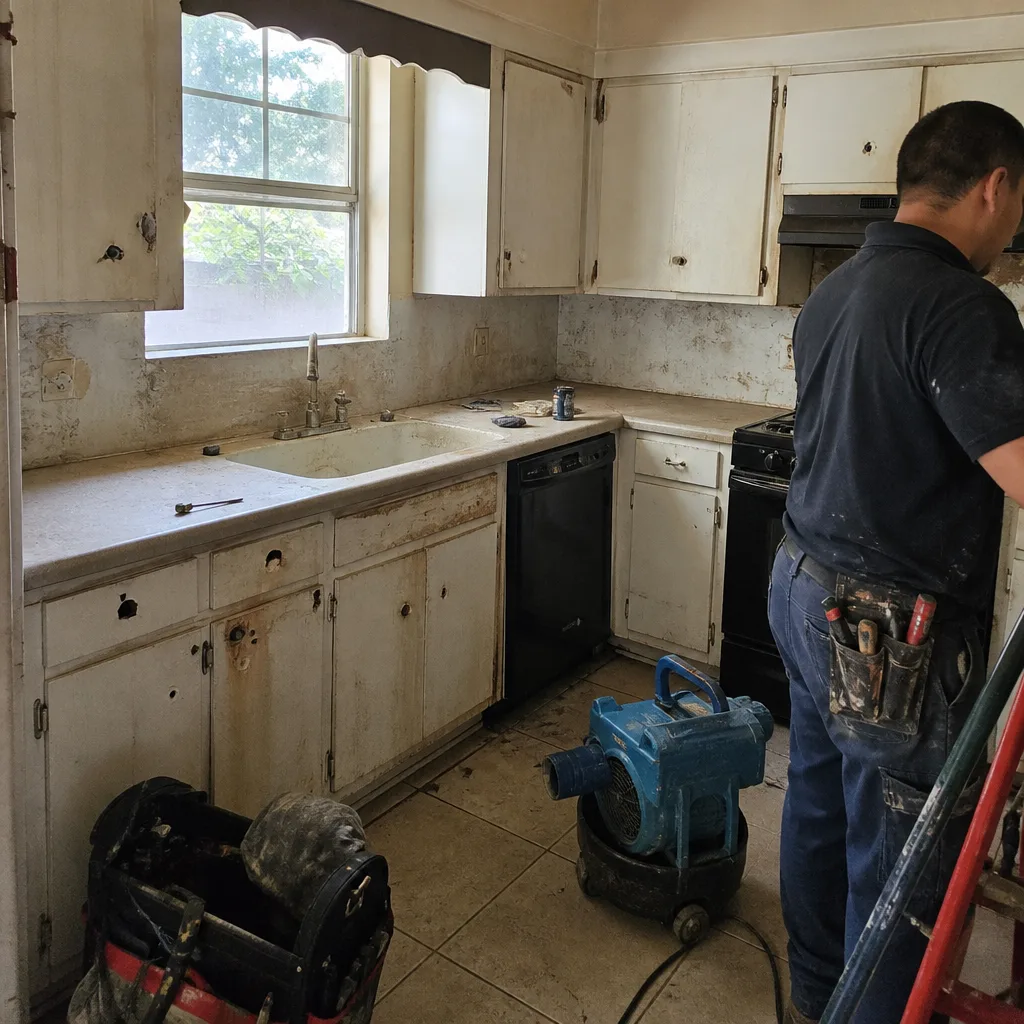 Before
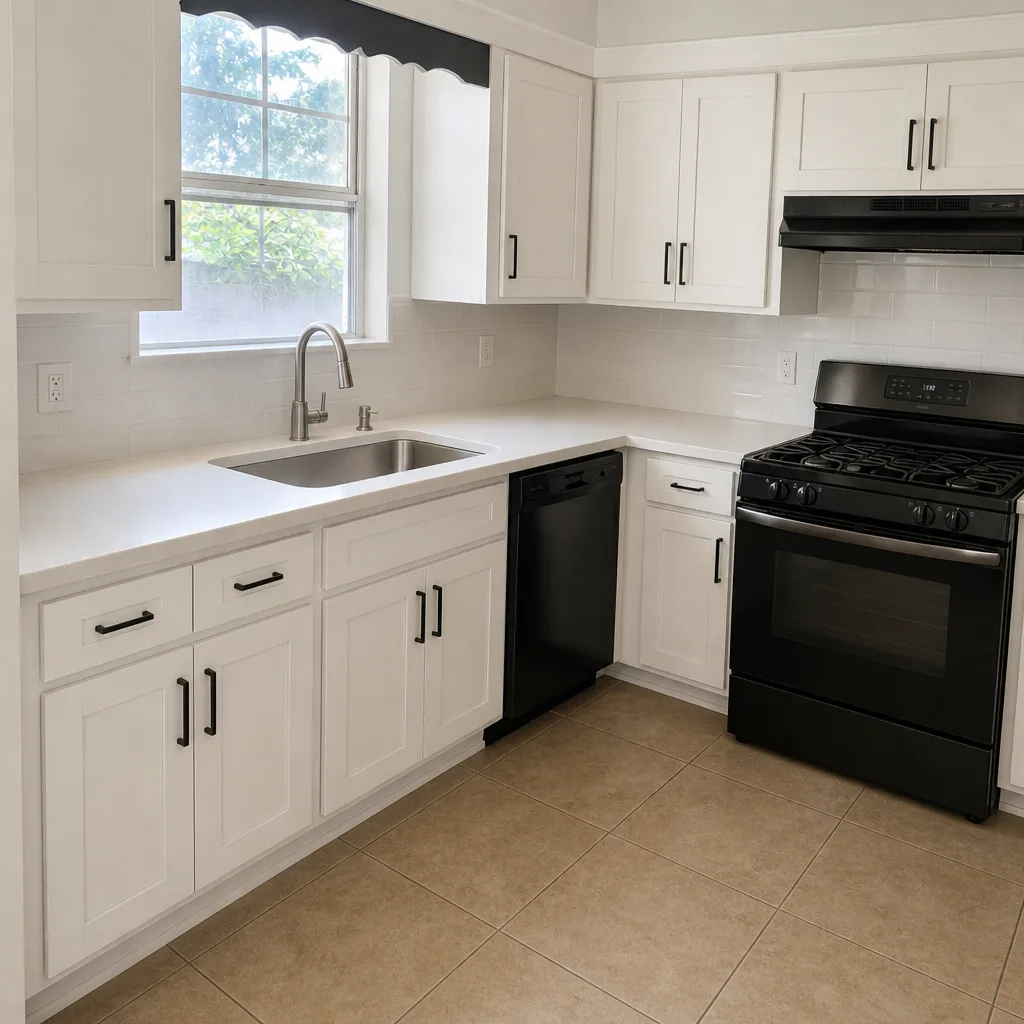 After
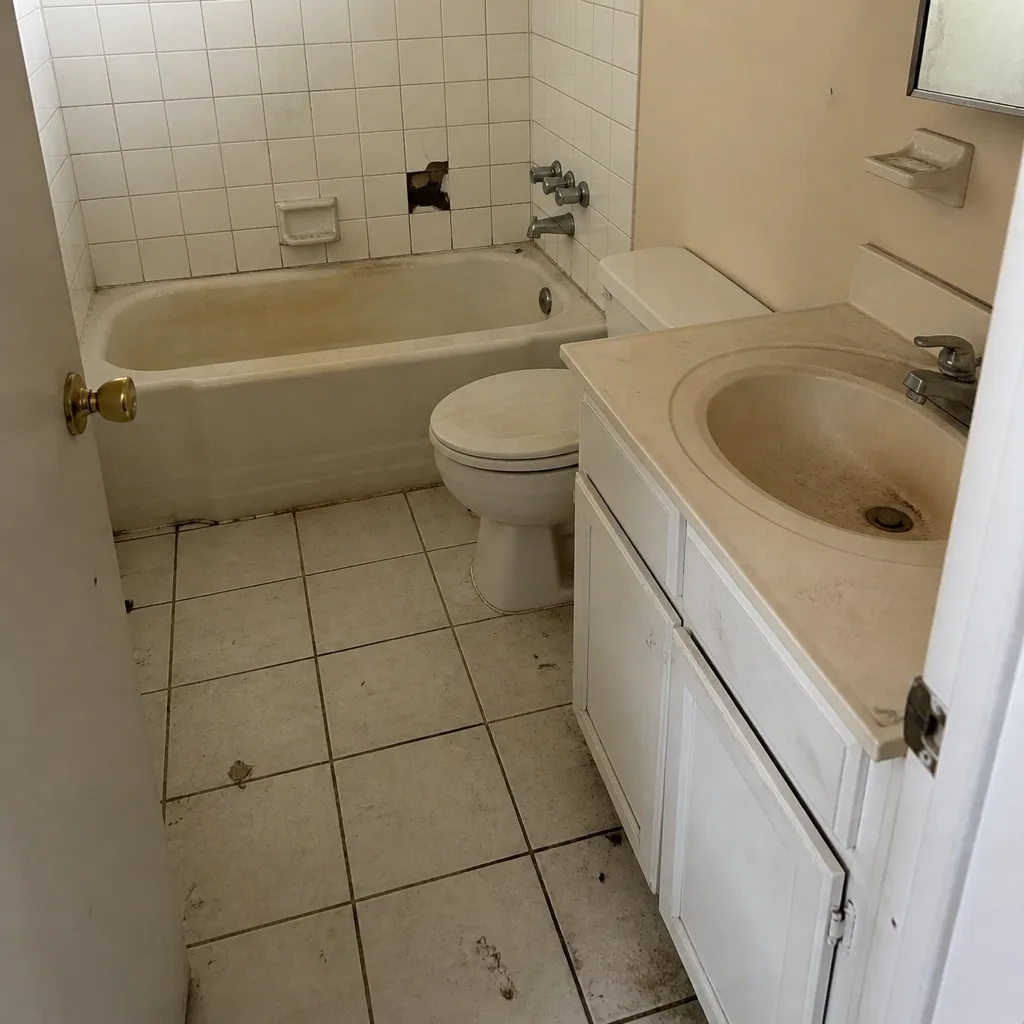 Before
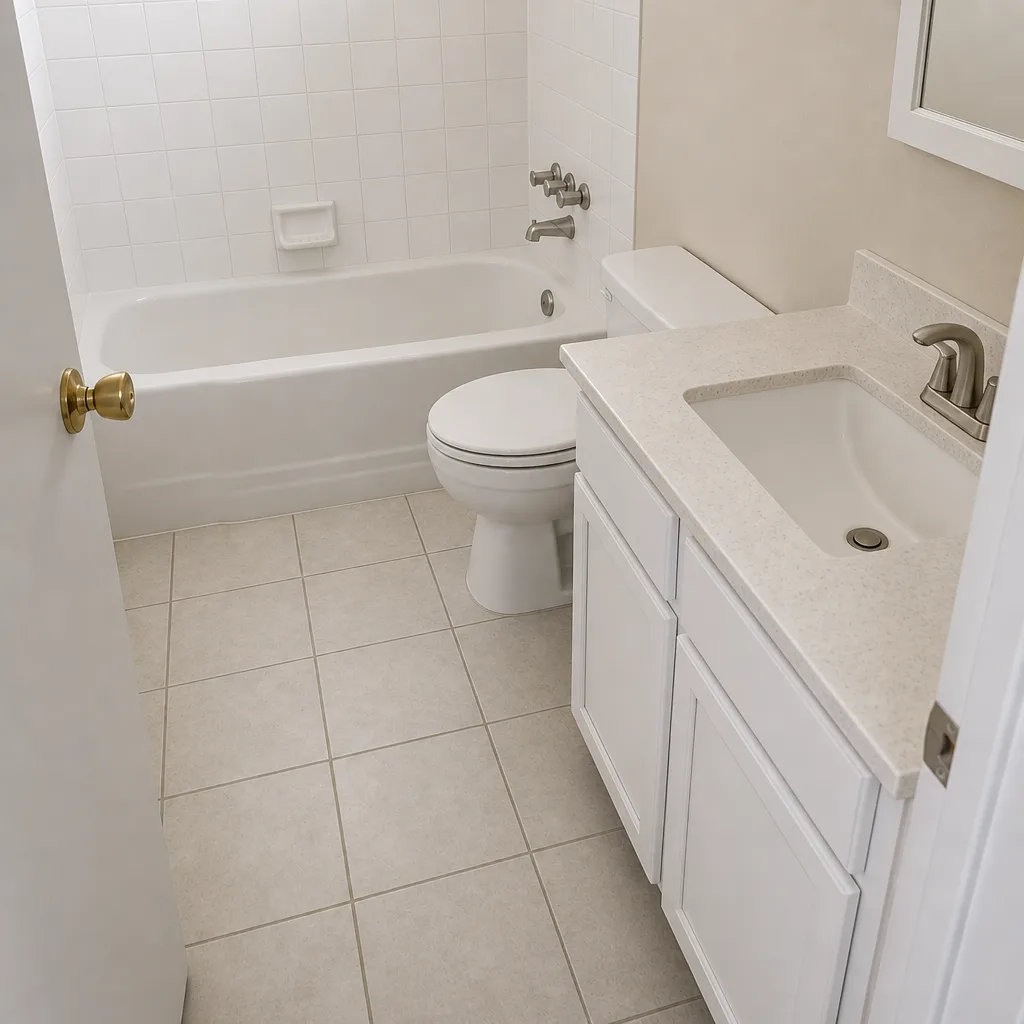 After
When to Call a Professional
Most of the maintenance in this guide is genuinely homeowner-doable: the inspections, the re-sand, the weed pulling, the sealer selection. But there are specific scenarios where the fix is beyond a homeowner’s toolset. If your driveway has visible ponding more than an hour after a heavy rain, you have a slope problem and not a joint problem, and that’s a regrade rather than a re-sand. If pavers are rocking more than a quarter-inch, the bedding sand is gone and the paver needs to come up and be reset. If you see a wide diagonal crack on concrete that’s spreading, that’s a structural issue that needs an inspection before water gets under the slab. And if a live oak root is the problem, you need an arborist’s call before anyone touches the tree.
Groundwork Construction Co. of Richardson offers free estimates in Richardson – call (833) 954-4985. We’ll walk the driveway with you, tell you plainly whether the fix is a re-sand or a rebuild, and give you a written line-item quote before any work starts. Proudly serving local communities for over 42 years, with technicians who have up to 12 years of experience.
Frequently Asked Questions
Every 2 to 3 years for most sealers in Richardson, depending on sun exposure. The correct trigger is visible dullness and the joint color test rather than a strict calendar; driveways on full southwest exposure typically land closer to the 24-month end, and shaded north-side drives can stretch toward the 36-month end. Sealer performance is driven by UV load more than any other factor here, so a sealer that’s labeled “5 years” in a cooler market often only makes it two in Richardson. Call (833) 954-4985 for a free estimate on sealer reapplication, and check the UV rating of any product before you buy it.
Weeds coming through the joints mean the polymeric sand has broken down enough to let water and seeds in. That usually traces back to either a missed re-sand window in March, or high-heat summers causing the sand to dry and crack. Hand-pull weeds early (before they establish roots under the paver), then plan a re-sand in the next dry window. Once the joints are more than about a third of the way compromised, re-sand across the whole driveway rather than spot-fill. Call (833) 954-4985 to get eyes on it – estimates are free.
Roughly 1 to 2 percent fall away from the garage and toward the street, with a small cross-slope (usually under 2 percent) so water doesn’t run laterally into a foundation bed. Richardson expects private-property surface drainage to be handled on the lot rather than discharged onto a neighbor’s property, and larger hardscape changes may require a permit review depending on scope. If you’re seeing standing water anywhere on the driveway 30 minutes after a heavy rain, the slope has drifted and it needs a regrade, not a re-sand. Call (833) 954-4985 for a free drainage assessment.
Yes, with the right equipment and the right pressure setting. Use a fan tip on low pressure (under about 1,500 psi) and keep the wand moving. High-pressure concentrated streams – especially a turbo nozzle on a zero-degree setting – will blast the polymeric sand straight out of the joints, which is a much bigger problem than the dirt you’re trying to remove. Power-wash in the dry season, follow up with a joint inspection, and be ready to re-sand in the March window if you’ve disturbed the joints. Call (833) 954-4985 if you’re unsure whether your driveway needs a re-sand after washing.
If the paver is rocking underfoot more than a quarter-inch, if the surface has a visible ridge or dip that wasn’t there last year, or if water is ponding in a low spot after a rain, the base or bedding sand is involved – not just the joints. Joint-only failure shows up as color change, pockmarking, ants, or weed seedlings with the pavers sitting flat and stable. In older Richardson neighborhoods with live oak root pressure or where the Blackland clay has moved, base settlement is a real possibility, and it needs an inspection before a re-sand. Call (833) 954-4985 for a free assessment.
Concrete asks less of you (an annual crack check, plus a slab inspection every three to five years), while pavers need a real routine – twice-yearly joint inspections, a March re-sand, and a sealer application every 2 to 3 years. The tradeoff is what happens when something goes wrong: a failed paver is a single-paver reset, while a failed concrete section is usually a bigger replacement. For homeowners in Richardson who keep up with the maintenance windows, pavers tend to have the lower long-term cost and hold their appearance longer. For a free quote on either, call (833) 954-4985. Estimates and design consults are free.
The Bottom Line
Driveway maintenance in Richardson is less about fixing pavers and more about anticipating the two annual weather swings that do the damage. Re-sand the joints in March before the wet season, re-seal in October before the first freeze, and walk the perimeter twice a year checking for lifted pavers, standing water, and root encroachment. Do those three things and the failures you read about elsewhere – base settlement, edge washout, premature re-seal – stay in the rearview. Skip them and you’re looking at a rebuild in seven to ten years instead of fifteen plus.
If you’d rather have the driveway looked at by someone who does this daily, we’re happy to walk it with you. Free estimates, transparent line-item pricing, permits handled, and every project covered by our 730-Day Done Right Promise – if it’s not done right, we make it right. From foundation to finish line, we’d rather fix the joints today than replace the driveway tomorrow. Call (833) 954-4985 to schedule your free estimate.
Written by the team at Groundwork Construction Co. of Richardson.