Last updated November 18, 2026



Free written scope consultation - allowances, timeline, and change-order rules on paper before a single trade is scheduled
Driveway & Pavers Maintenance Schedule: What to Do and When
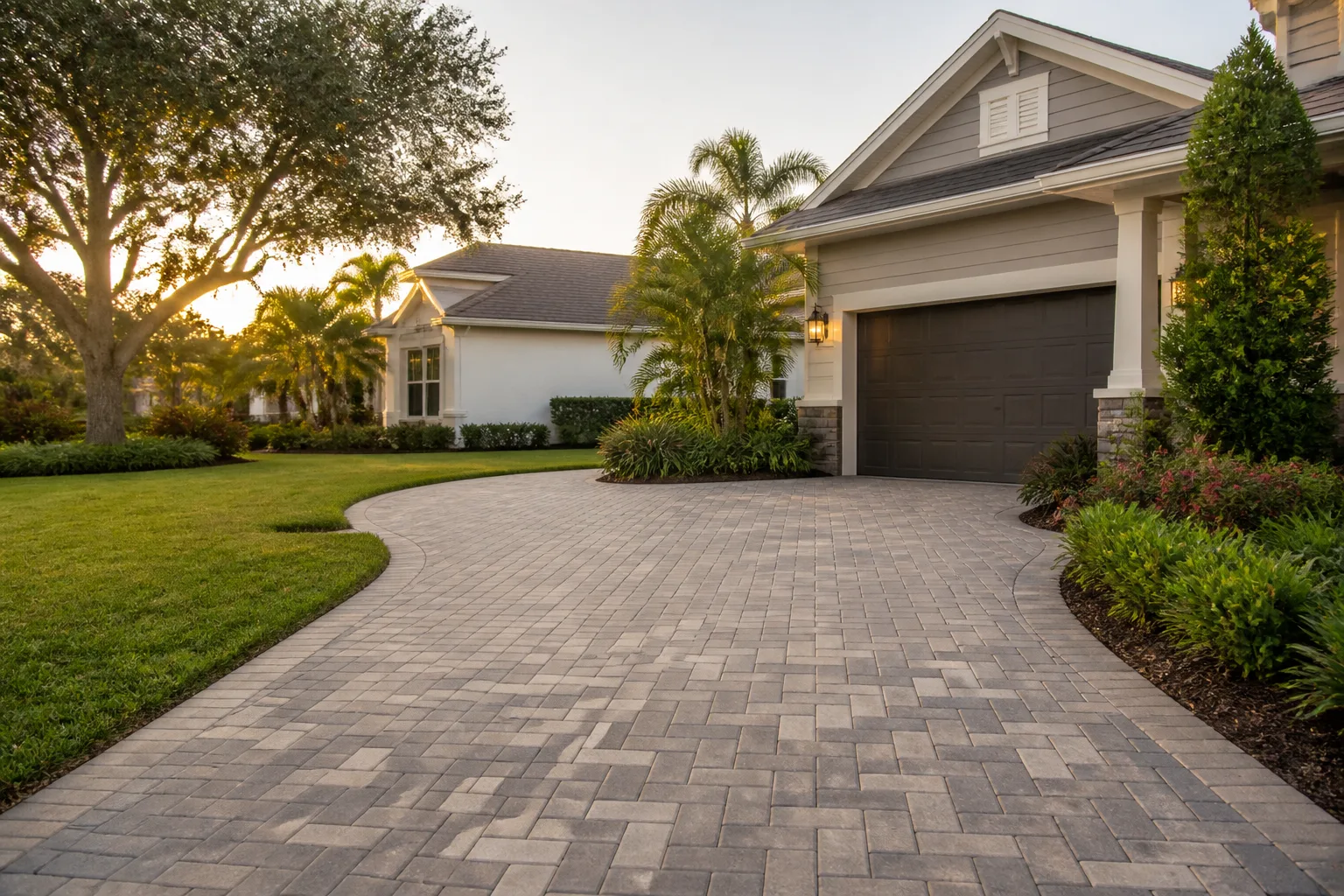
Here’s a counterintuitive fact we’ve seen play out across Richardson driveways: homeowners who seal their pavers in August often do more damage than homeowners who never seal them at all. Texas heat pushes surface and ambient temperatures well past what most sealers can tolerate, and the film that’s supposed to protect the stone instead traps moisture and bakes into a hazy, peeling layer. Timing is the whole game in a North Texas climate. This guide lays out a month-by-month maintenance calendar built around DFW’s actual weather pattern – spring rain, summer UV, fall soil shift, mild winter – plus the sealing thresholds, joint-sand checks, and pressure-washing limits that keep a paver driveway looking new for decades instead of a handful of summers.
Quick Answer
For a paver driveway in North Texas, plan on a light monthly rinse and weed check, a quarterly joint-sand inspection, a deep clean and re-sand each spring, and resealing every two to three years during a dry window in April-May or late September-October – never in the summer heat. Inspect joints carefully after any freeze-thaw event, and keep pressure washing at or below 1,500 PSI to avoid stripping the factory surface finish and voiding manufacturer warranties.
Styles & brands we work with
- Kitchen remodeling
- Bathroom remodeling
- Home additions & ADU
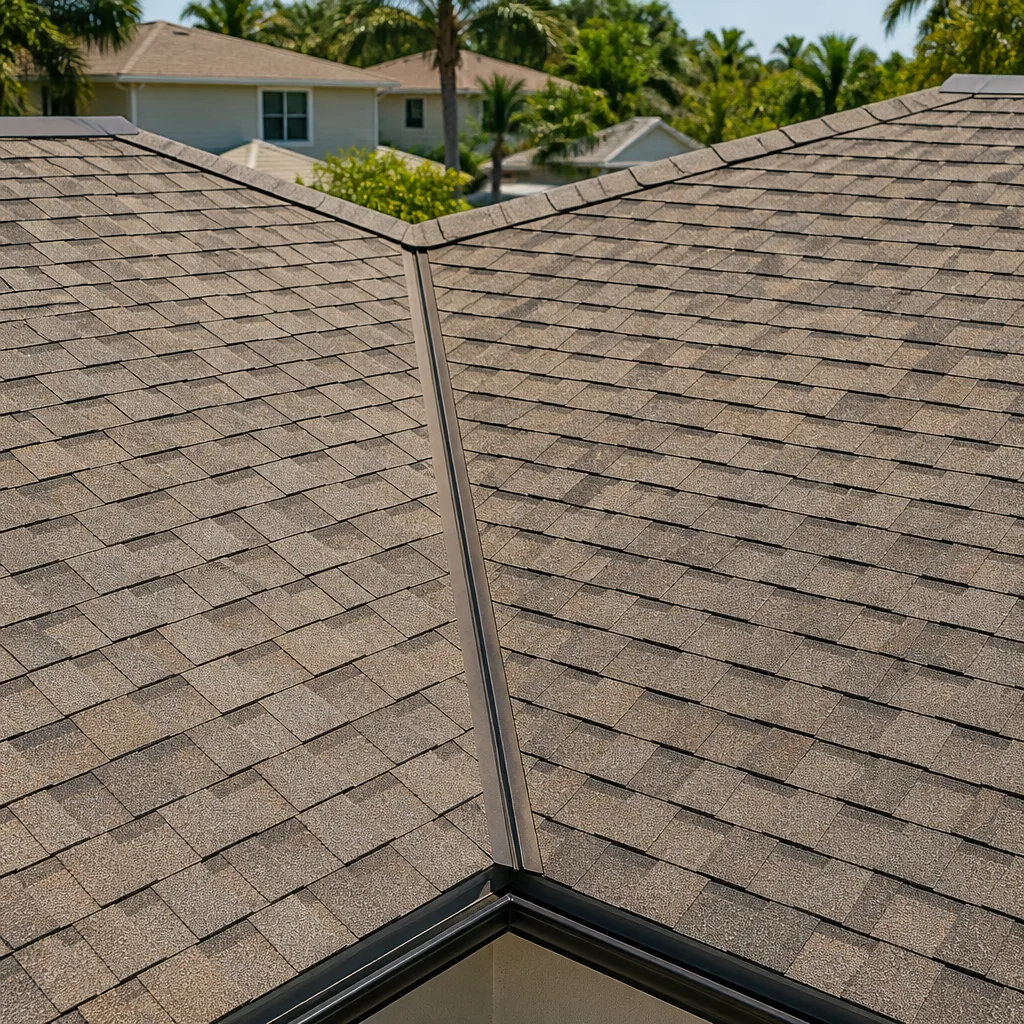
- Roofing
- Windows & doors
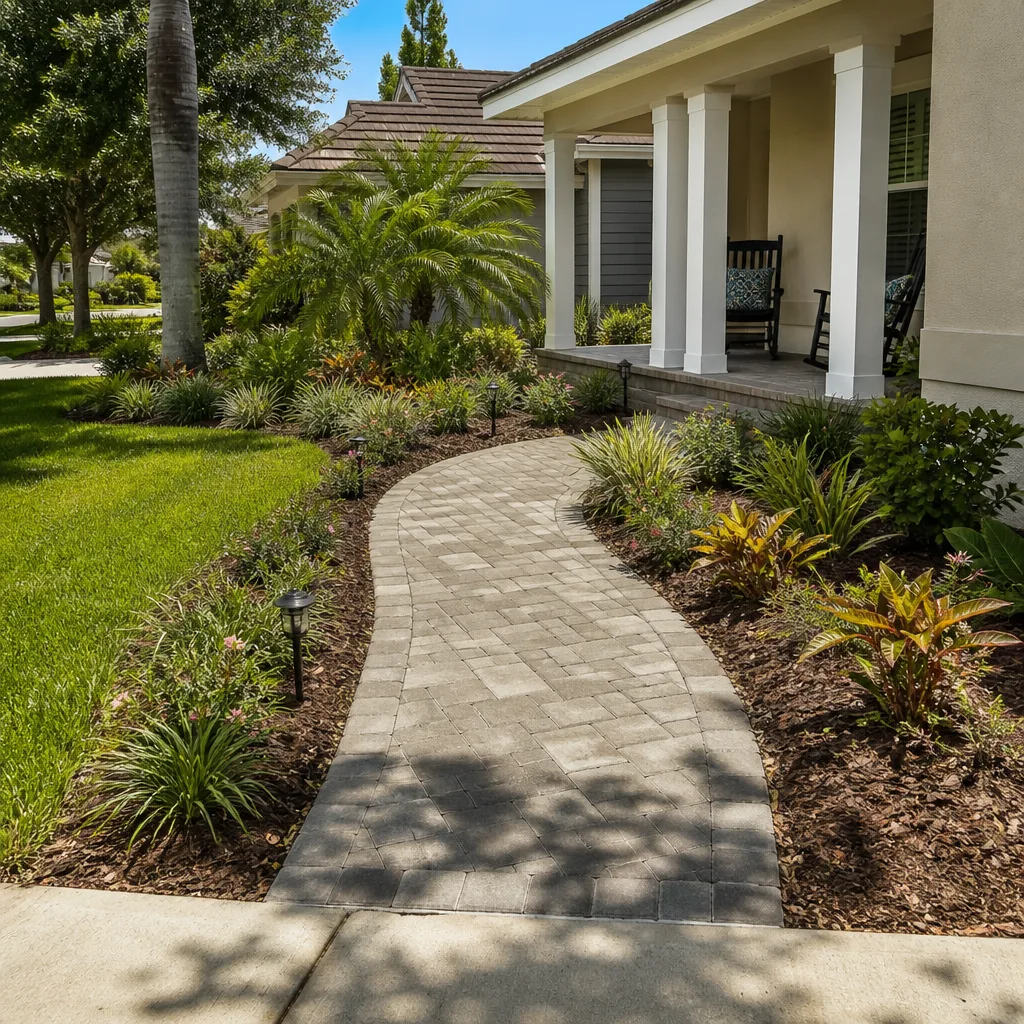
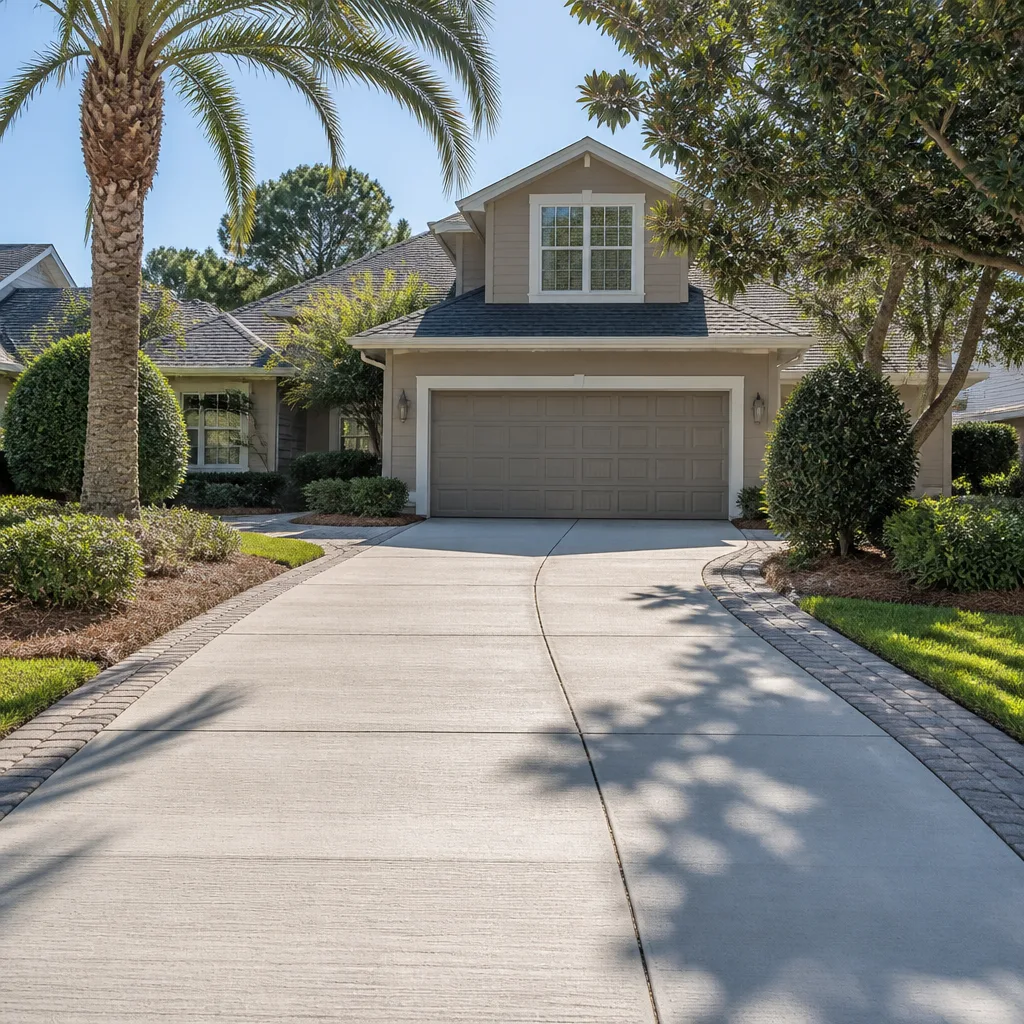
- Driveway & pavers
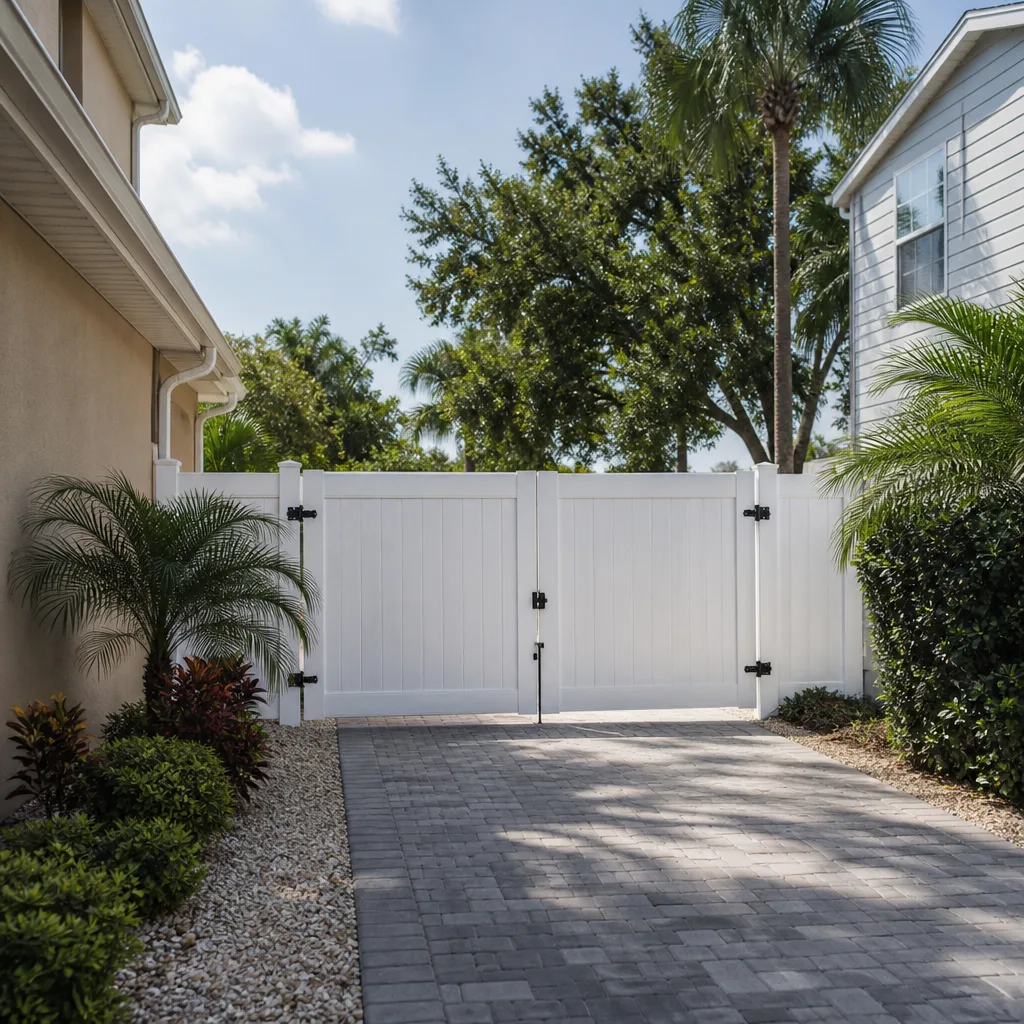
- Fence
Table of Contents
- The North Texas Paver Maintenance Calendar
- Why a Minnesota Schedule Will Ruin a Richardson Driveway
- The Right Sealing Window for North Texas
- Checking Joint Sand After Freeze-Thaw Cycles
- Pressure Washing: The PSI Ceiling That Protects Pavers
- The 15-Minute Quarterly Walk-Through
- When Maintenance Stops Being Enough
- Common Mistakes to Avoid
The North Texas Paver Maintenance Calendar
The DFW climate works in four loose seasons, and the paver schedule should follow them rather than a generic national checklist. Here’s the month-by-month breakdown we recommend to Richardson homeowners, whether you’re in Canyon Creek, Prairie Creek, Heights Park, or over by UTD.
Spring: March through May
- March: Rinse the full surface with a garden hose and inspect for winter damage – cracked pavers, settled corners, joint sand loss.
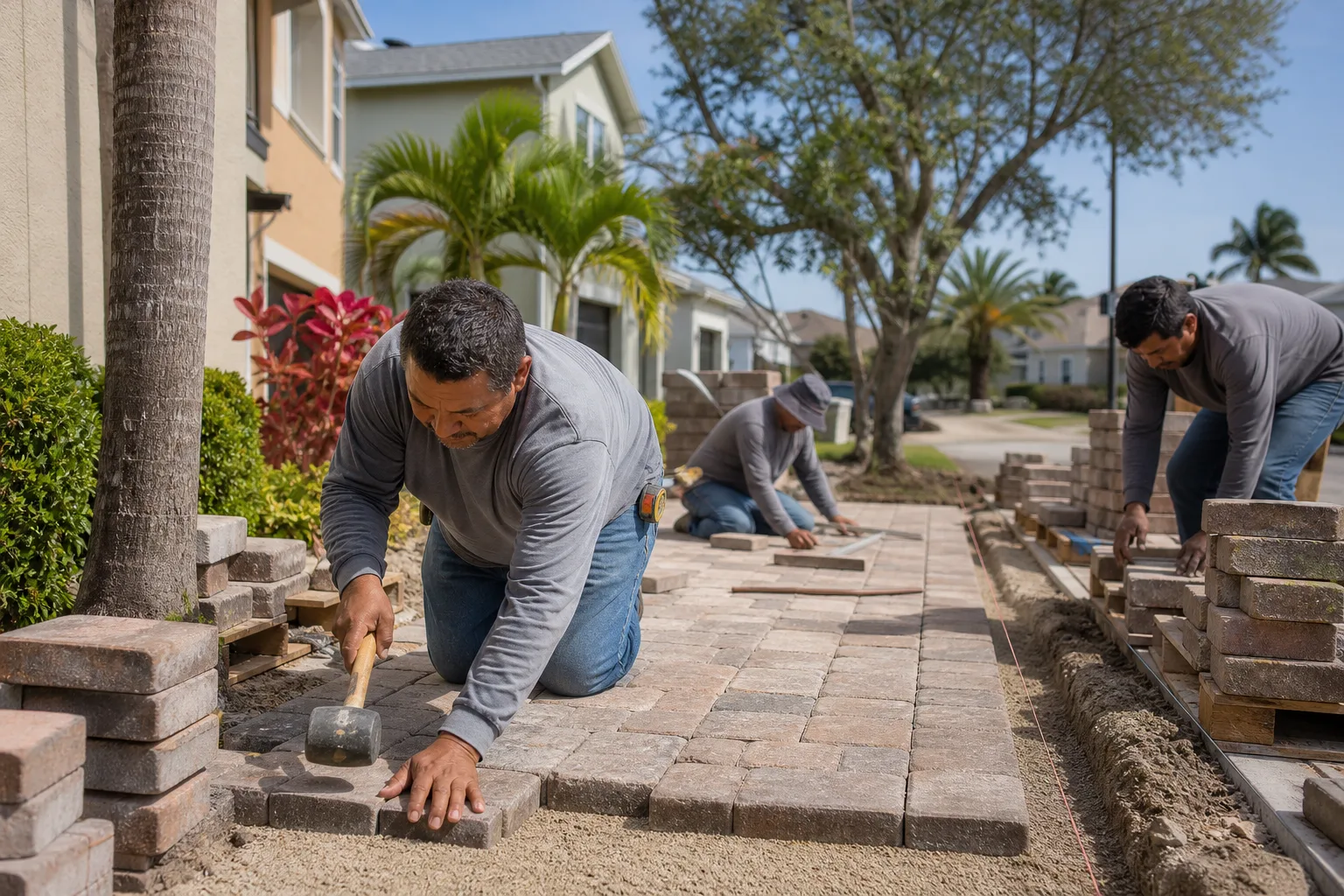
- April: Deep clean with a low-pressure washer or spot-scrub, pull weeds from joints, then re-sand using polymeric joint sand once humidity drops.
- May: This is the prime resealing window if you’re due. Temperatures are typically in the 70s-80s, humidity is manageable, and rain is spaced out enough to let a sealer cure.
Summer: June through August
- June-August: Do not seal. UV index is extreme and surface temperatures on a Richardson driveway regularly exceed 130°F – far above the 55-90°F range most sealers are rated for.
- All summer: Keep up with light rinses. Bird droppings, live-oak debris, and mesquite litter should be swept weekly before they acid-stain the surface.
Fall: September through November
- September: Second cleaning – pollen and summer grime accumulation can be significant. Spot-treat rust and organic stains.
- October: Second best sealing window. Humidity starts to drop, daytime highs settle into the 70s, and the ground temperature stabilizes.
- November: Pre-winter joint-sand check. Fill any gaps before hard freezes push moisture into the joints.
Winter: December through February
- December-February: Minimal work. Sweep regularly, keep leaves off the pavers so moisture doesn’t sit on the surface.
- After any freeze: Walk the driveway and look for popped pavers or joint sand displacement – one to two freeze-thaw events per winter is typical in Richardson.
Why a Minnesota Schedule Will Ruin a Richardson Driveway
Most paver maintenance advice floating around online is written for climates where the ground freezes solid for months and the biggest threat to stone is frost heave. That advice will actively hurt a driveway in Richardson, where the threats are almost the opposite.
Here in North Texas, the primary enemies of paver surfaces are UV degradation and soil expansion, not deep frost. Our clay-heavy soil swells dramatically in fall and spring rains, then contracts in dry summer heat. That cycle stresses the base underneath pavers in a way most national guides never mention. At the same time, a Richardson summer delivers an average UV index in the 9-11 range for four-plus months – that’s the “very high to extreme” band, and it breaks down the polymer in joint sand and the sealer film faster than almost anywhere else in the country.
Minnesota schedules also assume a single long winterization and a single spring kickoff. In Richardson, your driveway goes through roughly six to eight real moisture cycles per year, so joint sand inspection needs to happen more frequently and be tracked in writing. What a northern guide calls “annual maintenance” is really a quarterly job here. That’s the shift to make in your head: this isn’t a winterizing climate, it’s a joint-sand and sealer management climate.
If you’re still choosing pavers for a new driveway, the Driveway & Pavers in Richardson overview covers base preparation and paver selection in detail. Base prep is what makes the maintenance schedule above work – a paver installed on a properly compacted, moisture-stable base needs far less corrective work down the line.
The Right Sealing Window for North Texas
Sealing a paver driveway in August is one of the most common errors we see in Richardson. Here are the thresholds that actually matter, and they’re narrower than most manufacturers’ published minimums suggest.
- Surface temperature: Between 60°F and 85°F. Below 60°F, the sealer won’t bond. Above 85°F on the stone’s surface, it flashes off too fast and cures with a hazy film.
- Ambient air temperature: Between 60°F and 90°F for at least 8 hours after application.
- Humidity: Under 75%. High humidity slows cure time and traps moisture under the film.
- Rain forecast: No precipitation for 24-48 hours. Some products require longer.
- Time of year: April-May or late September-October in Richardson. That’s when all four conditions are reliably met.
The August warning at the top of this guide isn’t exaggeration. A surface at 130°F under direct Richardson sun will cure a solvent-based sealer in seconds, before it can soak in, leaving a visible haze and sometimes a white, milky film that has to be chemically stripped. A homeowner who never seals at all avoids that failure mode entirely, even though the joints degrade slowly. So if your only available window is mid-summer, wait.
Two-year reseal intervals usually work for a Richardson driveway. Three years can be fine if the driveway sees low traffic and sits under deep shade. We’ve seen full-sun driveways face east off Campbell Road that benefit from resealing right at the 24-month mark. Talk to the installer about the specific sealer product’s spec sheet – film-forming sealers, penetrating sealers, and enhanced-matte products all have slightly different windows.
Checking Joint Sand After Freeze-Thaw Cycles
Joint sand is the single most important maintenance item on a paver driveway, and it’s also the one most homeowners overlook. Sand locks the pavers in place, keeps weeds out, and channels water off the surface. When it’s missing, pavers shift, edges chip, and water gets underneath – and that’s when a driveway that should last 30-plus years starts needing repairs at year eight.
Richardson doesn’t see Minnesota-level freezes, but we do get one to three hard freeze events most winters – typically January and early February – where temps drop into the low 20s for a night or two. That’s enough to move moisture in the joints. When water in a joint freezes, it expands, then recedes and leaves a void. Walk the driveway the day after any freeze and look for:
- Sandy grit swept to the low edges of the driveway – a sign that joint sand is washing out.
- Visible gaps between pavers that weren’t there before – use a screwdriver tip to check depth.
- Rocking pavers – a paver that moves when you step on it has likely lost its bedding sand.
- Standing water pooling in a low spot after rain – a sign the base has shifted or the joint sand isn’t draining.
Refilling joint sand is straightforward work, but it needs the right sand and the right technique. Polymeric sand, once wetted, hardens and locks joints for two to three years. Plain mason sand is cheaper but washes out faster in Richardson rain. Whichever you use, the sand has to be swept in, compacted, and topped off so it sits slightly below the paver edge – never above it.
Pressure Washing: The PSI Ceiling That Protects Pavers
Pressure washing pavers is where well-meaning homeowners cause expensive damage. The ceiling for any standard concrete paver is 1,500 PSI with a wide-fan nozzle (25-degree or wider). Above that, the water strips the factory surface, roughens the stone, and can void certain manufacturer warranties – Belden, for example, publishes specific cleaning guidelines that specify controlled pressure.
The right pressure-washing routine for a Richardson driveway:
- Pre-soak the surface. Wetting the pavers first reduces how aggressively the water bites.
- Use a surface cleaner attachment, not a wand held at a single point. The wand concentrates pressure and etches lines into the paver face.
- Keep the nozzle moving. Never let it sit in one spot for more than a second or two.
- Use proper cleaner. A pH-neutral paver cleaner is safest. Bleach on its own can bleach colored pavers; muriatic acid should never be used on a sealed paver.
- Re-sand after every wash. Pressure washing removes some joint sand, no matter how careful you are.
If you’re not sure of the pressure setting, err low. A 1,200 PSI wash removes ordinary grime without stripping anything. For rust stains or heavy organic staining, spot-treat with a dedicated cleaner rather than cranking the PSI. This is one of those areas where a $50 mistake today becomes a $4,000 resurfacing problem three years from now.
We see the same pressure-washing damage on driveways we serve alongside fence installation in Richardson projects – the same overcautious-zap-with-a-pressure-washer habit shows up on concrete fences and paver walkways alike. A little restraint preserves a lot of surface.
The 15-Minute Quarterly Walk-Through
A 15-minute inspection every quarter prevents nearly every major paver repair. This is the routine we recommend to Richardson homeowners who want to stay ahead of problems and – importantly – to document workmanship warranty claims if one is ever needed.
Grab a notepad and a phone camera. Walk the full perimeter, then a line down the center, then the edges near the garage and street apron.
What to look at
- Paver surface: Cracks, chips, spalling, or color changes in a specific zone.
- Joint sand: Visible gaps, missing sand, weeds pushing through.
- Edge restraint: Whether the paver edge is still held tight by the plastic or metal restraint.
- Drainage slope: Water pooling points after the last rain.
- Sealer: Haze, peeling, or areas where water no longer beads.
- Adjacent structures: Fence posts, garage door thresholds, expansion joints near sidewalks.
What to document
- Photograph each issue. Date-stamped photos are worth their weight in gold if you ever file a warranty claim.
- Note the season. “Joint sand loss, east-facing, after Jan 2025 freeze” tells an installer far more than “joint sand issue.”
- Measure the affected area. A tape measure photo showing the extent of settling keeps the conversation grounded.
- Note the weather in the week prior. Storm damage versus normal wear-and-tear changes how a claim is handled.
If you keep a simple spreadsheet of quarterly inspections, you’ll know exactly when a paver first showed a crack, whether the joint sand loss is progressing, and whether a warranty claim is legitimate. It also makes the “did this happen on its own, or did it happen because of a bad install” question much easier to answer honestly.
When Maintenance Stops Being Enough
Pavers aren’t immortal, and no maintenance schedule should pretend otherwise. But a well-maintained paver driveway in Richardson – on a proper base, with joint sand topped off, resealed on schedule, and kept out of scorching-UV pressure washing – can last 25-35 years or more. Poured concrete, by contrast, typically cracks and needs patching or replacement in 15-25 years in this climate.
Signs it’s time to stop maintaining and start planning a replacement:
- Widespread settling. When more than 10% of the surface is uneven or rocking, the base itself has failed. You’re not fixing that with sand.
- Crumbling pavers. A paver that crumbles when you press it has degraded. Full replacement of that zone is the safer path than spot patching.
- Persistent drainage issues. If water pools in the same low spot after every rain despite re-sanding, the slope is wrong and only a re-lift-and-rebase fixes it.
- Edge failure. When the paver edge restraint fails repeatedly, the driveway loses structural integrity.
- Color and finish gone. If sealing no longer holds a uniform look after two proper reseals, the factory finish has worn through.
If any of those sound familiar, a free on-site assessment makes more sense than another season of patchwork. This is also where a full-scope partner helps – driveway, fence, and any adjacent hardscape projects can be scheduled together. If you’re planning a larger property upgrade, our home additions & ADU in Richardson team can coordinate a driveway update with broader site work so the new hardscape matches the rest of the property. You can also see how our other trades approach long-life materials via the brands we work with – GAF roofing, Schluter systems, and Sterling fixtures all share the same underlying philosophy of building for the long haul.
Common Mistakes to Avoid
- Sealing in summer. Richardson surface temperatures hit 130°F+ on a mid-July afternoon. Sealing in that heat causes haze, peeling, and trapped moisture that a spring or fall application would have avoided entirely.
- Pressure washing above 1,500 PSI. Higher pressure strips the factory finish, etches the paver surface, and can void some manufacturer warranties. A careful 1,200 PSI wash removes grime without lasting damage.
- Skipping joint sand inspection after freezes. The one or two hard freezes Richardson gets most winters move joint sand more than any other event. Ignoring the walk-through after a January freeze is the leading cause of spring paver shifting.
- Using bleach on colored pavers. Bleach bleaches most intentionally colored pavers. It’s a small mistake with a permanent consequence. Stick to pH-neutral cleaners.
- Letting oil stains soak in. A drip from the car overnight can stain permanently if not treated within a few days. Keep an absorbent on hand for driveway oil drops, especially on north-facing driveways that get less sun.
- Not documenting the install. Without a record of paver brand, sealer product, and install date, a warranty claim is difficult to support. Photograph the boxes, keep the receipt, and put the dates in a spreadsheet.
- Waiting for a “big project” to fix drainage. A small drainage correction after the first pooling rain costs a fraction of what full re-grading costs three years later.
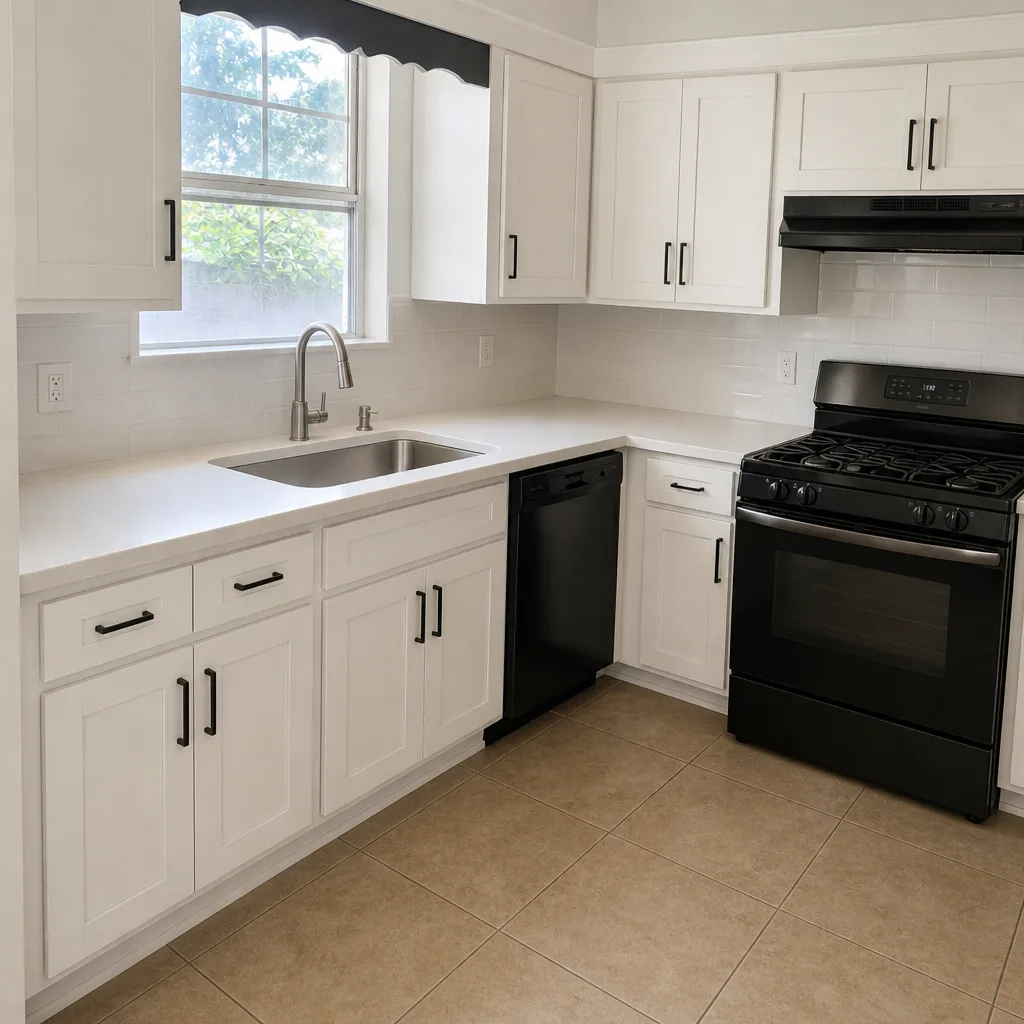
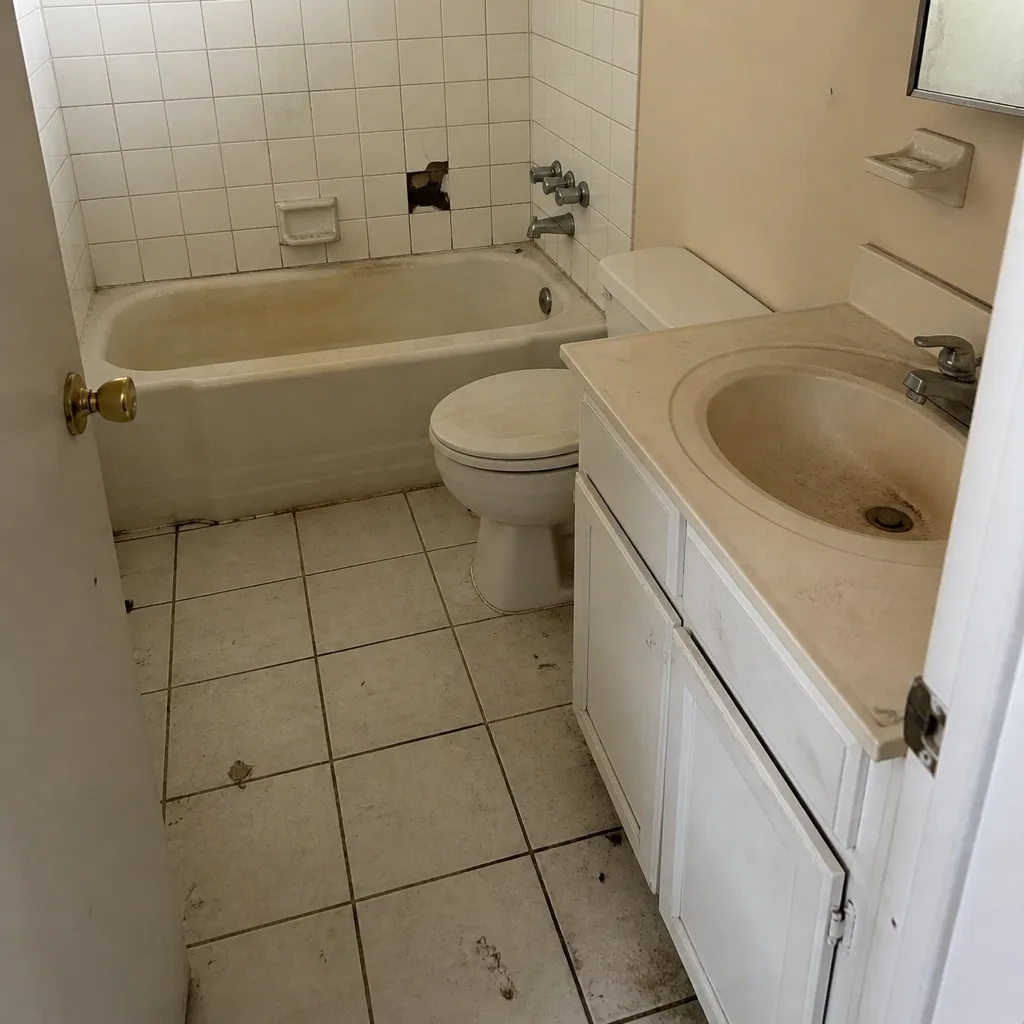
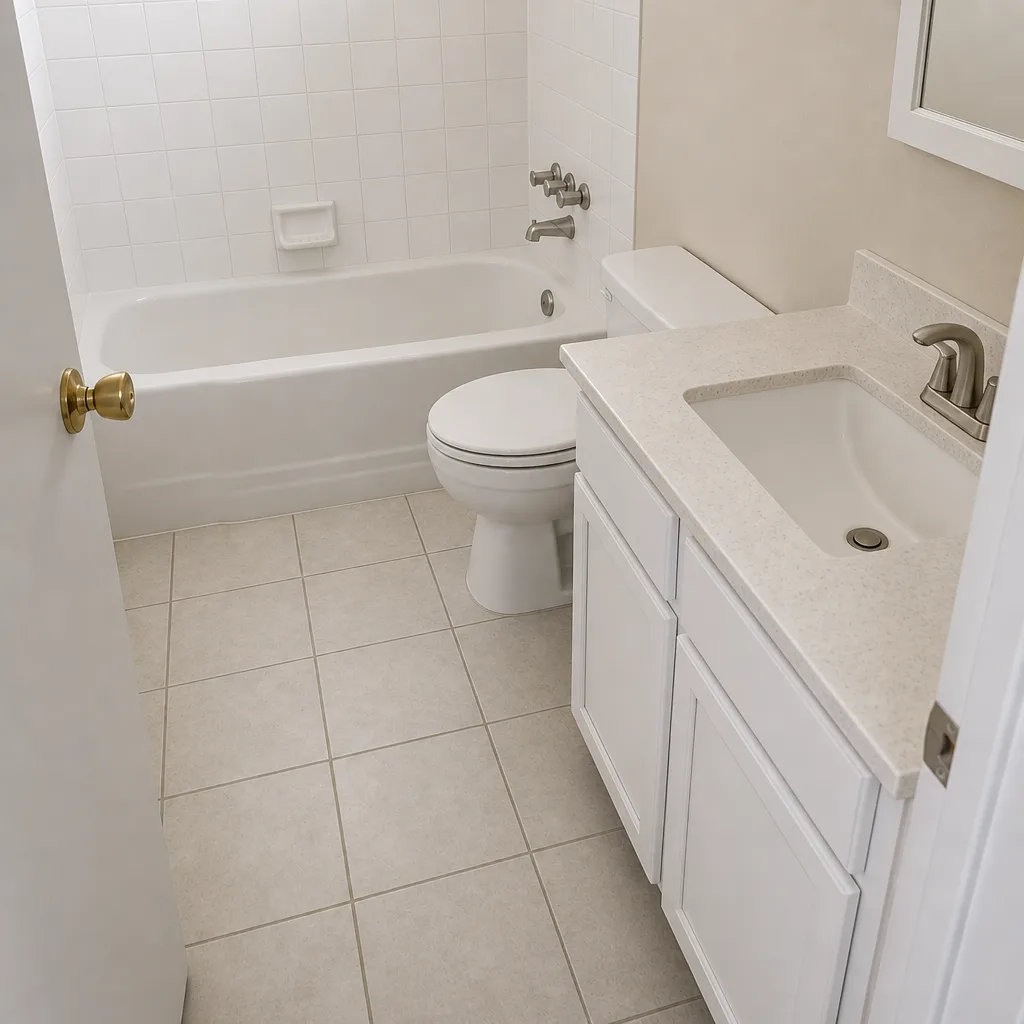
See the difference
 Before
 After
 Before
 After
 Before
 After
When to Call a Professional
Most paver maintenance is within a homeowner’s reach. But certain conditions need a trained eye and the right tools. Call a professional if you see:
- More than a few rocking pavers, or any obvious settlement across a large area.
- Pooling water that wasn’t there before, especially near the garage.
- Cracks that are spreading or pavers that crumble when pressed.
- Sealer haze that won’t come off after a proper cure window.
- An edge restraint that’s loose or separating from the driveway.
- Any concern that a warranty claim might be involved – get an assessment in writing before doing more work.
Groundwork Construction Co. of Richardson offers free estimates in Richardson – call (833) 954-4985. We answer with a live person around the clock, not a voicemail. Every project comes with our 730-Day Done Right Promise, upfront pricing with no surprises, and background-checked technicians in uniform. If the driveway is fine, we’ll tell you. If it needs more than sand and a reseal, we’ll show you exactly what and why.
Frequently Asked Questions
Every two to three years, and always during April-May or late September-October – never in summer. Two-year intervals work well for full-sun driveways, and three years is fine for shaded driveways with low traffic. Call (833) 954-4985 for a free Richardson estimate on sealing or resealing.
Yes, at or below 1,500 PSI with a surface cleaner attachment and a pH-neutral cleaner – never a wand held at a single point. Higher pressure strips the paver finish and can void some manufacturer warranties. If you’re not sure of your machine’s setting, a professional wash is safer than guessing.
Late April to mid-May, after spring rains settle, or late September to October before the first hard freeze. Polymeric sand needs dry conditions for 24 hours and surface temps above 60°F. Re-sand after any deep pressure wash and after any freeze event that pushed sand out.
Walk the full driveway the day after the freeze and look for sandy grit at low edges, gaps between pavers, and any rocking pavers. Photograph what you see with the date. This is the single most important post-winter maintenance step in North Texas. If the damage looks extensive, call (833) 954-4985 for a free inspection.
Yes, with proper base prep and a maintained joint-sand schedule. Paver driveways typically last 25-35 years in Richardson, while poured concrete often cracks and needs replacement in 15-25 years. The difference is base prep plus the maintenance schedule above.
Yes. Groundwork Construction Co. of Richardson offers free estimates on driveway repair, re-sanding, resealing, and full replacement. Call (833) 954-4985 to schedule – a live person answers around the clock, and we’ll send a written quote before any work begins.
The Bottom Line
A paver driveway in Richardson lives or dies on timing – not on how much you spend or how often you wash it. Seal in spring or fall, never summer. Inspect joint sand after every freeze, and re-sand as needed. Keep pressure washing under 1,500 PSI. Walk the driveway quarterly and photograph what you see. Do those four things and your pavers will outlast poured concrete by a decade or more. Skip them, and a driveway that should last 30 years starts failing at eight. If you’d rather have a professional handle the schedule, Groundwork Construction Co. of Richardson is here – see the full scope of our work from the Groundwork Construction Co. of Richardson home page, or call (833) 954-4985 for a free estimate. Upfront pricing, no surprises, and the 730-Day Done Right Promise backing every project.
Written by the team at Groundwork Construction Co. of Richardson.