Last updated November 18, 2026
Free written scope consultation - allowances, timeline, and change-order rules on paper before a single trade is scheduled
Choosing the Right Construction Brand: A Buyer’s Guide for Richardson
A manufacturer’s warranty means nothing if the brand requires installation by a certified applicator and your contractor isn’t one. When that premium shingle or waterproofing membrane fails, the manufacturer points at the installer, the installer points at the material, and you’re the one holding an unenforceable piece of paper. That’s the gap nobody warns Richardson homeowners about. This guide teaches you to read brands the way a builder does: warranty language, heat and freeze-thaw data, and installer certification standards that actually govern who pays when something fails. By the end, you’ll know which brands are built for North Texas and which are built for a catalog photo.
Quick Answer
The best construction material brands for a Richardson home are the ones whose warranty terms survive Texas heat, UV exposure and freeze-thaw cycles, and whose installers are certified to keep that warranty valid. A brand name alone doesn’t protect you. What protects you is verifying three things: the manufacturer’s warranty coverage in writing, the contractor’s own workmanship guarantee, and proof the installer carries current certification for that specific product. Choose the brand that backs all three. Walk from any bid where those terms are vague.
Styles & brands we work with
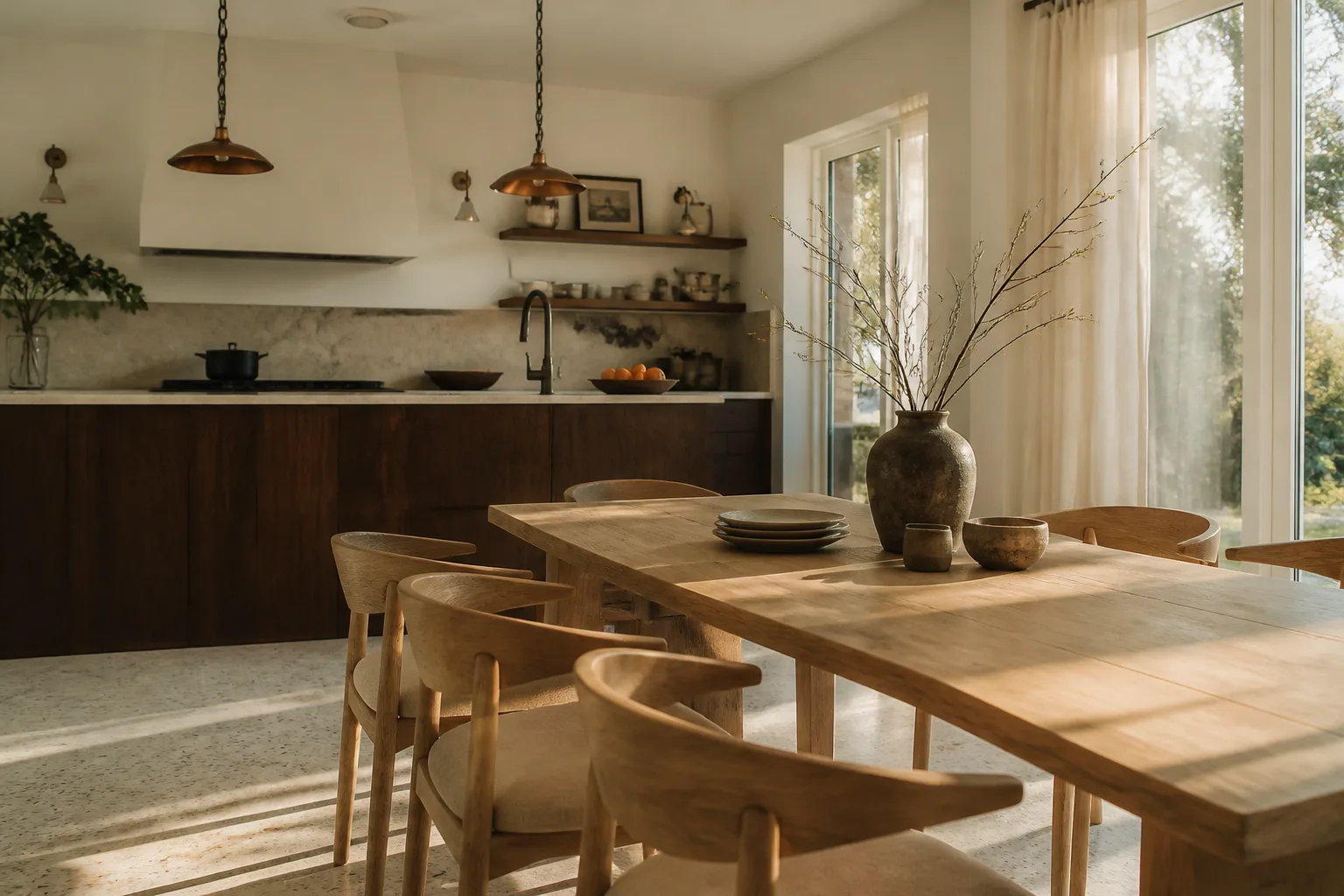
- Kitchen remodeling
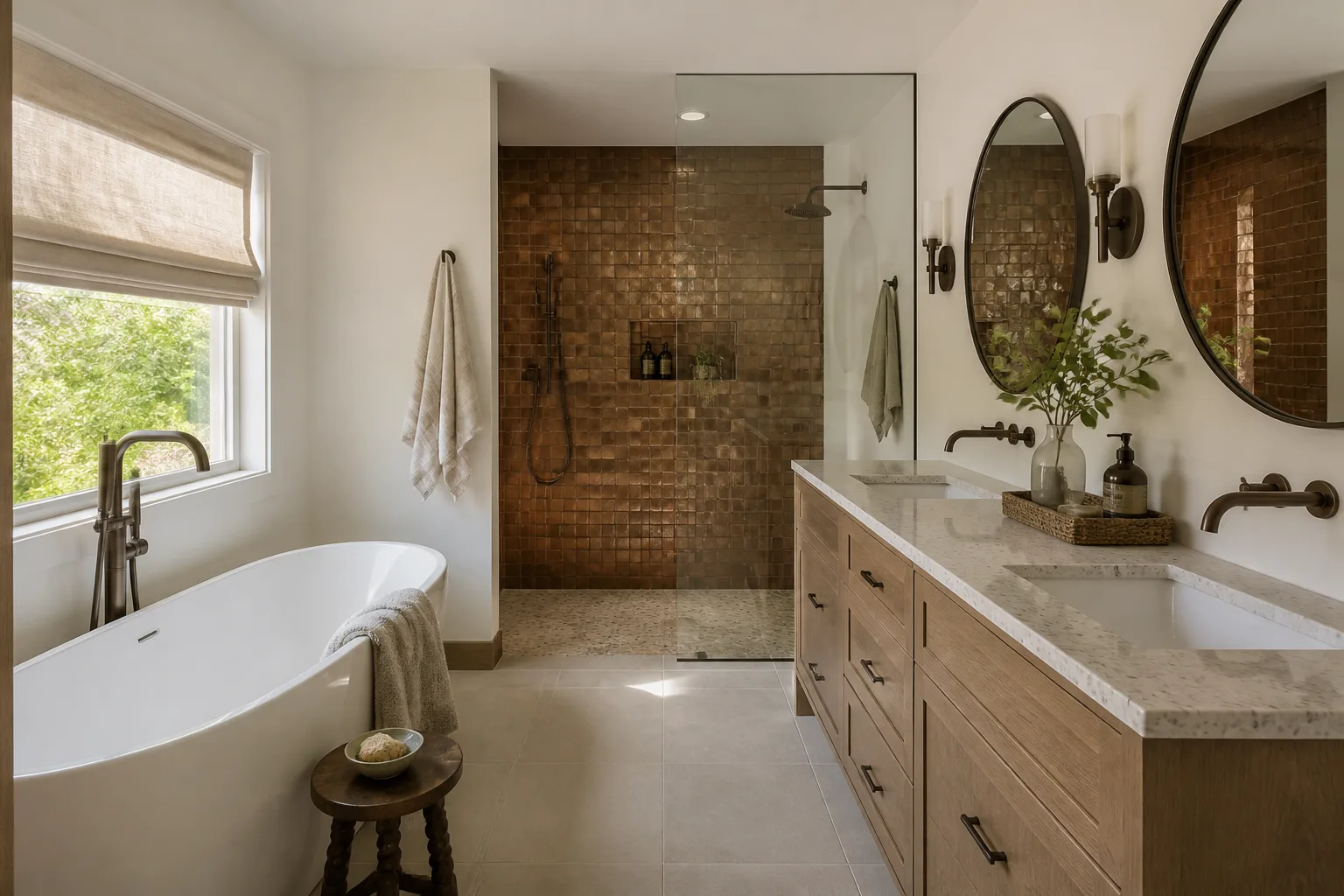
- Bathroom remodeling
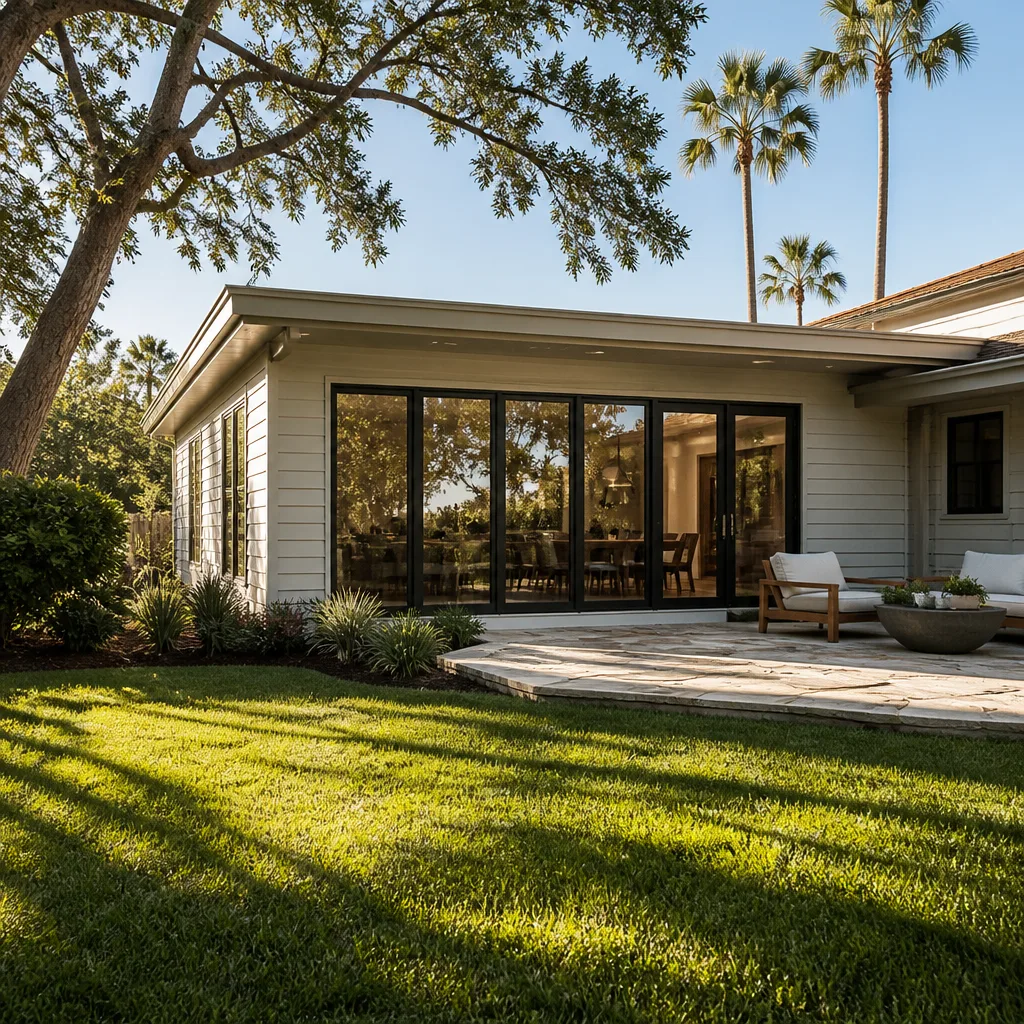
- Home additions & ADU
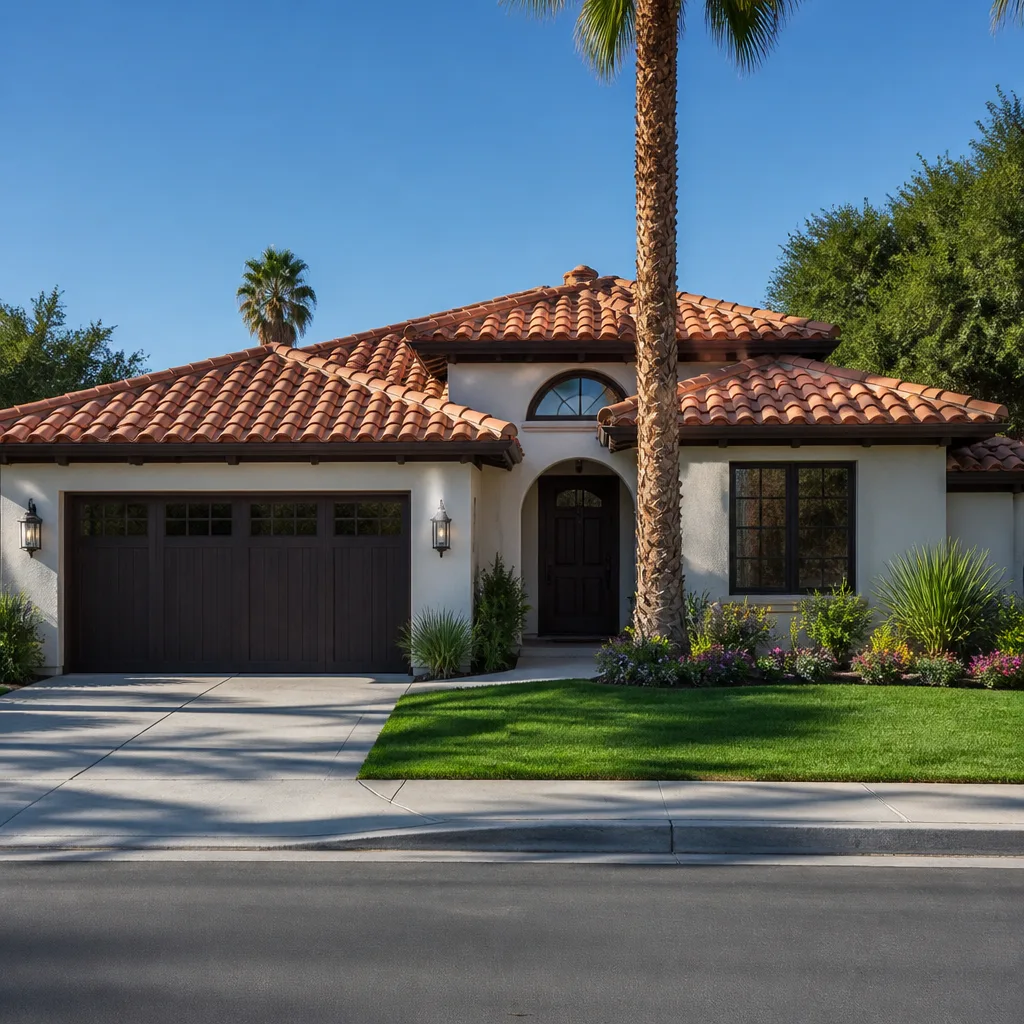
- Roofing
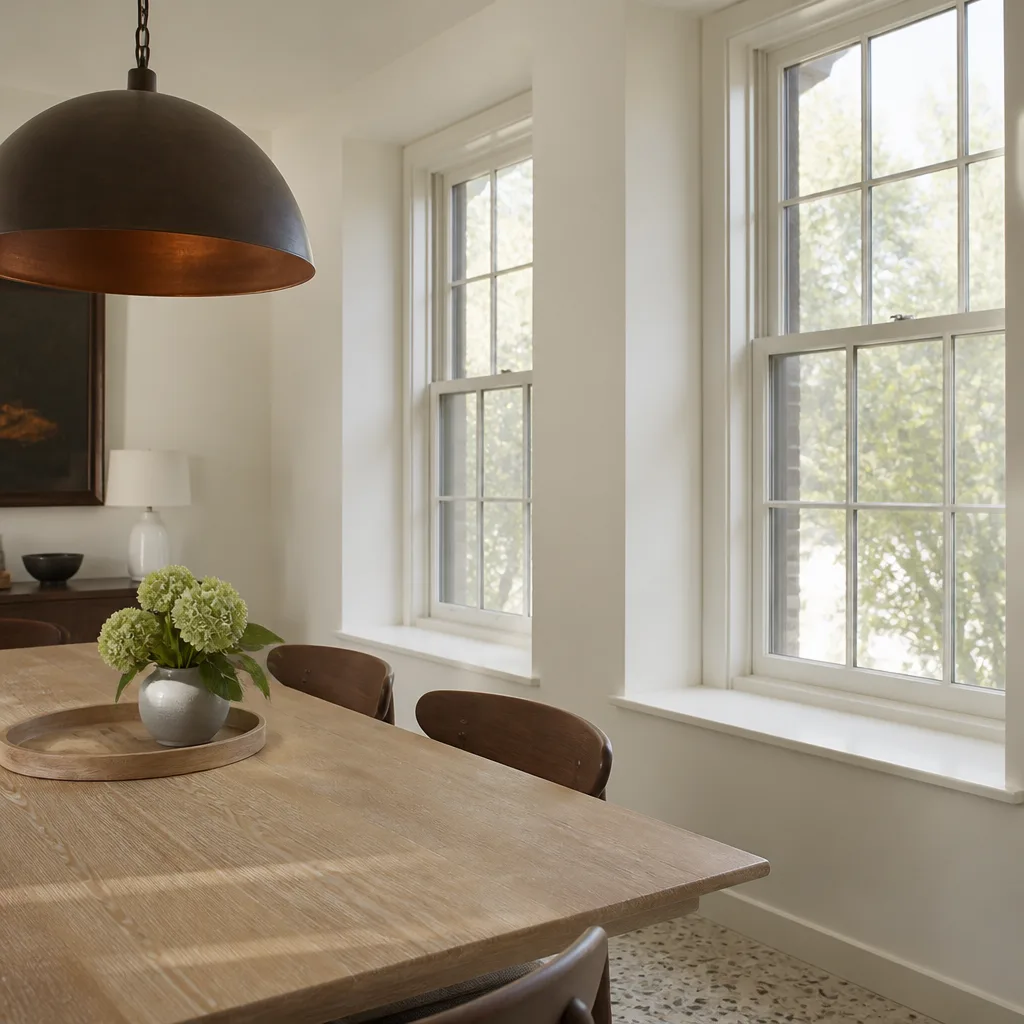
- Windows & doors
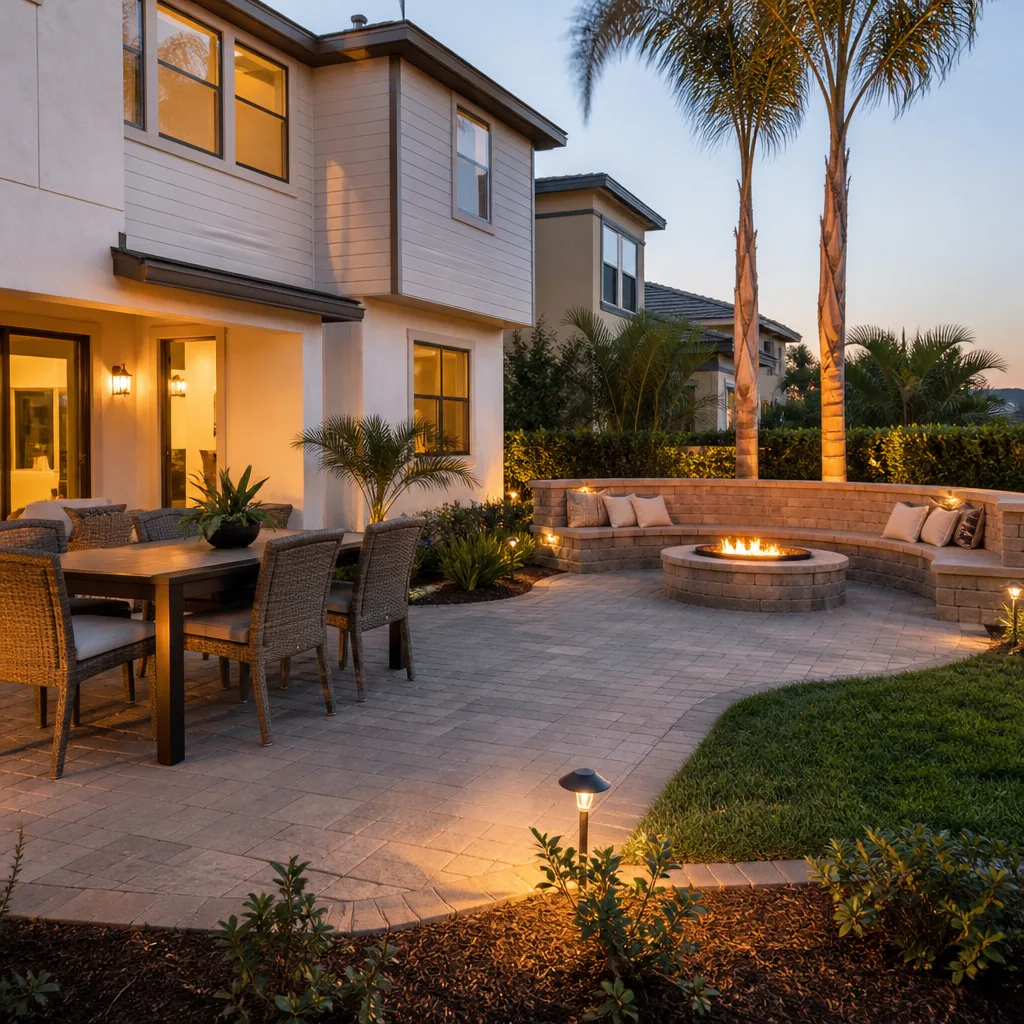
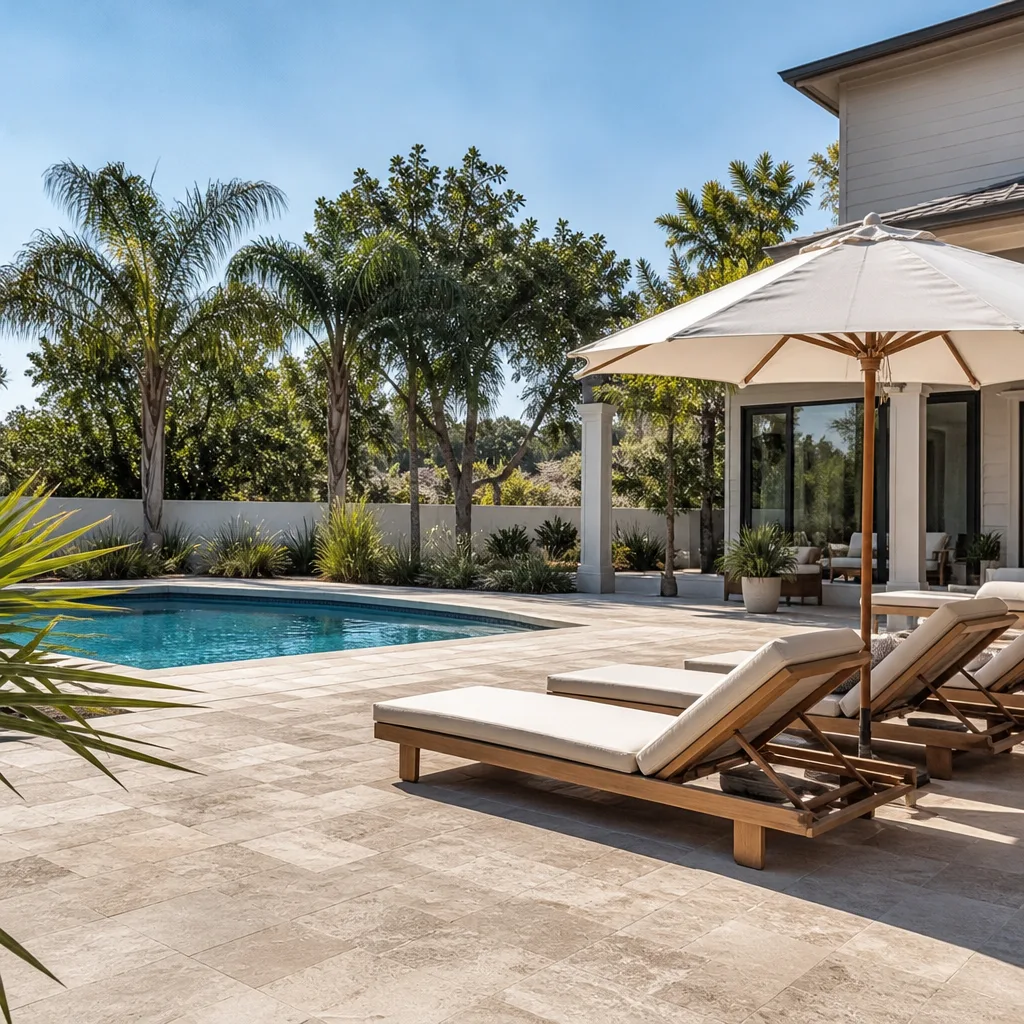
- Driveway & pavers
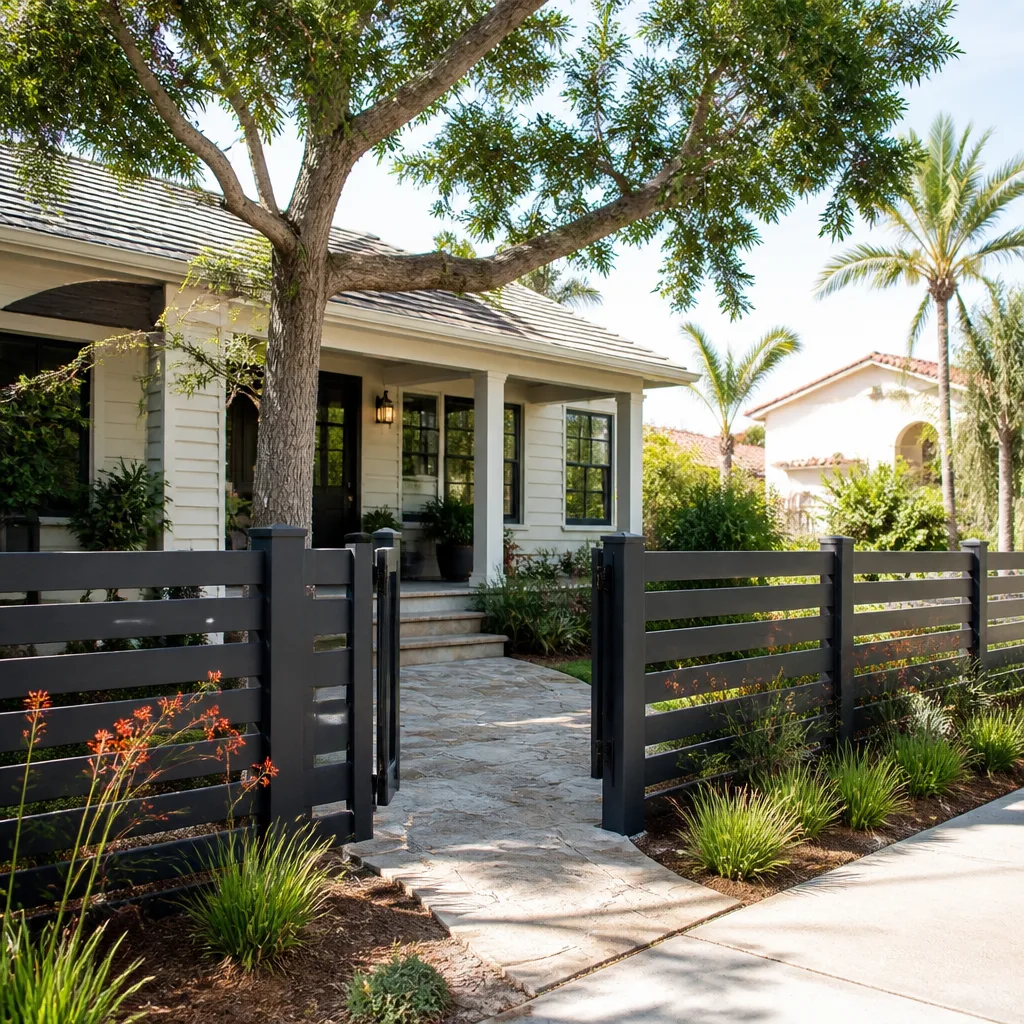
- Fence
Table of Contents
- How to evaluate a construction brand’s warranty for Texas conditions
- Manufacturer warranty vs. workmanship warranty: who pays when both blame each other
- Where the performance gap between premium and economy brands is widest in North Texas
- How contractor brand partnerships work, and why certified installers carry more risk
- The questions that reveal whether a contractor chose a brand for performance or margin
- Reading Richardson’s climate before you read a spec sheet
- How to verify a brand’s certification claim before you sign
- Matching brands to the seven categories that matter in Richardson
How to evaluate a construction brand’s warranty for Texas conditions
Warranty documents are written to be read slowly. Most homeowners skim the coverage period, see “lifetime” or “30 years,” and stop. The number in the headline is almost never the number that matters. What matters is the fine print about heat, UV and movement, because those three forces are what break materials in Richardson.
Here’s the builder’s method. Read the warranty for these four things before anything else:
- Exclusions tied to installation. Most premium warranties require certified or approved installation. If your contractor isn’t on the manufacturer’s approved list, the product warranty is reduced or void from day one.
- Heat resistance ratings. Richardson summers push attic-side roof deck temperatures well past 150°F. Ask what the product’s heat rating is and whether the warranty reduces coverage above a stated threshold.
- UV degradation language. Texas sun ages sealants, membranes, coatings and paint systems fast. A warranty that covers “material defects” but excludes “normal weathering” may not cover the sun cracking a product in three years.
- Freeze-thaw performance. North Texas swings between hard freezes and 70°F within a week. That cycling stresses concrete, pavers, mortar and sealants. Premium brands publish freeze-thaw data; economy brands often don’t.
Write these four items into your project folder. When you compare bids, the contractor who can hand you the actual warranty document scores higher than the one who promises a warranty verbally. A brand is only as good as the paper behind it, and in Richardson, that paper needs to talk about heat and freeze-thaw, not just years.
Manufacturer warranty vs. workmanship warranty: who pays when both blame each other
There are three separate warranties on every job, and homeowners often treat them as one. They aren’t.
- The manufacturer’s warranty covers the material itself. It’s issued by the brand, it protects against defects in the product, and it’s usually voided or reduced if installation doesn’t follow the brand’s published spec.
- The contractor’s workmanship warranty covers the labor and the installation. If the shingles are fine but the flashing was wrong, this is the warranty that applies.
- The implied warranty of good workmanship exists in Texas law even when nobody writes it down. But enforcing it is slow and expensive, which is exactly why the written warranty is what you should care about.
The nightmare scenario looks like this. Water gets into a Richardson house through a roof or a bathroom waterproofing failure two years after installation. The manufacturer sends an inspector. The report says the product was fine and the install was wrong. The contractor says the material failed and points at the brand. Both are technically telling the truth, and the homeowner is stuck in the middle, holding a hole in the wall and two denied claims.
This is where the workmanship guarantee becomes the protective layer. Groundwork’s 730-Day Done Right Promise is one of the longest workmanship guarantees in the residential construction space, and it removes the finger-pointing entirely. If it’s not done right, we make it right. That’s the whole sentence. When you interview any Richardson contractor, ask for the workmanship warranty in writing and ask whether it covers the installation defect the manufacturer excludes. If they can’t answer without a phone call to someone else, that’s your answer.
Where the performance gap between premium and economy brands is widest in North Texas
Not every product category has the same spread between good brands and cheap ones. Some materials age fine at any tier. Others fail dramatically and expensively when you buy at the bottom. In Richardson, the widest gaps sit in three categories.
Roofing. A builder-grade three-tab shingle and a premium architectural shingle from a major brand like GAF or CertainTeed look similar on the day they’re installed. Ten Richardson summers later, the cheap shingle is granule-thin, heat-blistered and close to leaking, while the better product still has factory granule and a warranty that means something. The cost delta on a typical roof is modest next to the cost of replacing it early.
Waterproofing. Bathroom and foundation waterproofing is where cheap systems fail first. Economy membranes and sealants die in the heat of a Texas attic or behind a shower wall, and the failure shows up as rot and mold months later. Premium waterproofing brands publish UV and temperature data because their products are engineered for hot climates.
Concrete and paver systems. Texas soil moves. Cheap concrete mix and unbranded pavers crack at freeze-thaw joints and heave around a driveway apron. Branded systems like Sakrete for mortar and repair work, or a premium paver line for driveways and patios, use consistent aggregate and curing agents, which means fewer cracked joints after a hard winter. If you’re planning a driveway, our Driveway & Pavers in Richardson page walks through which systems hold up best on Collin County soil.
How contractor brand partnerships work, and why certified installers carry more risk
When a contractor becomes a certified installer for a premium brand, the manufacturer vets them. The contractor agrees to install to the brand’s spec, sends trained crews, and passes periodic reviews. In exchange, the contractor gets access to extended warranties, product support and the ability to offer the “system” warranty the brand markets.
That arrangement is a two-way liability, and that’s the point. A certified installer has real skin in the game because a botched job can cost them the certification. When something fails on a certified job, the manufacturer and the installer both have a financial reason to fix it, and the homeowner gets to hold them to it. An uncertified installer carries no such exposure. They can buy the same product off a shelf, install it wrong, and walk away with the warranty voided and no certification to lose.
In practice, this is why brand partnerships matter more than brand names. Groundwork works with a curated set of brand partners across every category, from KraftMaid and Cambria in kitchens to GAF and Owens Corning on roofs to Andersen and Marvin for windows. The curated list exists because those brands enforce installation standards, which keeps the accountability on us where it belongs.
Ask any Richardson contractor a simple question: “Are you a certified or approved installer for this specific product line, and can you show me the certification?” If the answer is fuzzy, the warranty probably is too.
The questions that reveal whether a contractor chose a brand for performance or margin
Most homeowners ask about price first. Ask about brand relationships instead, and you’ll learn more about how the contractor operates than any bid sheet will tell you. These questions separate a performance pick from a margin pick every time.
- “Why did you choose this brand for my project?” A builder answers with performance reasons: climate rating, freeze-thaw data, warranty strength, availability of parts. A margin pick answers with “it’s a good product” or “we’ve always used it.”
- “Are you a certified installer for this product line?” If yes, ask to see proof. If no, ask what that does to the manufacturer’s warranty.
- “Can I see the actual warranty document before I sign?” A confident contractor says yes. A defensive one says the warranty comes at the end.
- “What’s your supplier relationship with this brand?” Direct supply usually means better warranty enforcement and faster parts. A contractor buying grey-market is a warranty risk.
- “What happens if this product fails in year two?” The answer should describe a process, not a promise. “We’ll make it right” is good; “here’s the warranty and here’s who pays” is better.
- “Show me a job where this brand was installed in this climate.” Local references beat national brochures. A brand that works in Michigan may not work on a Richardson roof.
Write the answers down. When you compare three bids, the contractor who answered all six without hesitation is the one whose brand choices you can trust. Call (833) 954-4985 if you want to run those questions past us directly. Estimates are free, and we’ll walk through the brand spec with you line by line.
Reading Richardson’s climate before you read a spec sheet
Richardson sits on the line between the Blackland Prairie and the eastern edge of the Metroplex, and that geography shapes what your construction materials actually face. Summers push into the high 90s and low 100s with long stretches of hard sun. Winters crack down to single digits in a hard freeze, often after a week of 70°F. Spring hailstorms roll through from the northwest, and they don’t ask permission.
That combination is harder on materials than a lot of national spec sheets assume. Here’s what it means in practice:
- Roofs on the west and south faces take the most UV load, so shingle granule loss is faster on those planes than on a north slope. Premium architectural shingles with higher granule adhesion are worth the upgrade here.
- Concrete flatwork and pavers expand and contract through freeze-thaw cycles. Cheap mixes tend to crack at joints first. Branded systems with published freeze-thaw data perform measurably better.
- Waterproofing membranes fail faster in hot attics and behind exterior walls that hit 140°F in summer. UV-stable systems last longer in a Richardson sun.
- Hail is the silent warranty clause. Ask whether the warranty covers impact damage and whether the product is rated for the hail size common in North Texas.
If a contractor can’t tell you the product’s heat and freeze-thaw rating for a Richardson install, they picked that product for a reason that has nothing to do with your house.
How to verify a brand’s certification claim before you sign
A brand’s installer network is public. You can check it. Here’s the sequence we recommend to any Richardson homeowner trying to separate real partnerships from marketing language:
- Ask for the product spec sheet and the warranty document before you sign. Both should be in writing, and both should mention your specific project.
- Search the manufacturer’s website for the contractor. Most premium brands publish an installer locator. If your contractor isn’t on it and claims to be certified, walk.
- Confirm the certification covers this product line. Certification is usually product-specific. A contractor certified for one shingle line may not be certified for the higher-end system you’re being sold.
- Read the warranty’s “requirements” section. It usually says installation by an approved applicator, proper ventilation, correct flashing and sometimes a minimum slope. Check the warranty covers your install type.
- Ask who files the registration. Many manufacturer warranties require registration within 30 to 90 days of install. If the contractor does this for you, that’s a strong sign of a real partnership.
- Get the workmanship warranty alongside it. A premium product with a two-year labor warranty is still a gamble. Groundwork’s 730-Day Done Right Promise exists precisely to close that gap, and we’ll hand you both documents before you sign anything.
This is the homework part, and it takes an hour. It’s also the hour that decides who pays if something fails in year three. On a Richardson remodel with a five-figure budget, that’s the best-spent hour of the project.
Matching brands to the seven categories that matter in Richardson
Every category in a home has its own brand landscape, and the questions that matter change with each one. Here’s how we think about it across the work Groundwork does in Richardson.
Kitchens. Cabinetry is the category where brand choice matters most for durability. KraftMaid and Cambria earn a place in our curated list because their warranties are specific and their finish systems hold up in Texas humidity. If you’re planning a kitchen, the same questions apply: is the installer certified, and does the warranty cover heat and moisture exposure in a Richardson home?
Bathrooms. Waterproofing brands matter more than fixture brands here. Kohler fixtures have long warranties, but the failure point is almost always the membrane behind the tile. Ask what waterproofing system the contractor uses and whether it carries a published data sheet. Our team walks through the waterproofing decisions in our bathroom remodeling work on the Groundwork Construction Co. of Richardson home page.
Roofing. GAF and CertainTeed dominate for a reason: their certification ladder is strict and their warranties enforce install standards. A Richardson hail claim is much cleaner when the roof was installed by a certified contractor.
Windows and doors. Andersen and Pella both publish UV and thermal data. On a west-facing Richardson wall, window performance pays you back every August. Read the U-factor and solar heat gain coefficient, not the brochure photos.
Fences. Fence materials live or die on freeze-thaw and UV. Cedar and composite brands with published weathering data hold color far longer than unbranded alternatives. Our Fence Installation in Richardson page explains which systems handle Collin County weather best.
Driveways and pavers. Branded paver lines and Sakrete mortar systems use consistent aggregate sizing, which is what keeps a Richardson driveway from cracking at the joints after three winters.
Additions and ADUs. Structural materials are where brands like Dvele, Cover and Abodu come up, and where a builder’s judgment matters most. On additions, the brand question turns into a systems question. Our Home Additions & ADU in Richardson page walks through how we vet structural systems, and it’s a good place to start if a two-story addition or backyard ADU is on your list.
Common Mistakes to Avoid
- Buying on appearance alone. The shingle in the showroom and the shingle on your roof look identical on day one. The difference shows up in year eight. Read the warranty before you read the color chart.
- Assuming the manufacturer’s warranty covers the install. It usually doesn’t. Manufacturer warranties cover material defects, not workmanship. If the installation is wrong, you need the contractor’s warranty to be strong.
- Skipping the workmanship warranty question. A premium brand with a two-year labor warranty is still a bad deal in Richardson heat. Ask for at least a workmanship guarantee that matches the life of the product’s critical failure window.
- Not checking the installer’s certification. This is the single most common mistake we see. An uncertified install can void a premium warranty from day one, and the homeowner holds the voided paper.
- Ignoring freeze-thaw and UV ratings. A product rated for a mild climate will fail in Richardson. National brands publish regional data. Ask for the North Texas numbers, not the brochure.
- Letting the contractor pick the brand without asking why. A brand chosen because it was on sale at the supply house is a different proposition than a brand chosen for performance. Ask the question. The answer tells you everything.
- Not getting the warranty in writing before signing. Verbal promises vanish. Ask for the workmanship warranty and the manufacturer’s warranty in writing as part of the contract. A confident contractor will hand them over without a fuss, and a contractor who won’t is telling you something.
See the difference
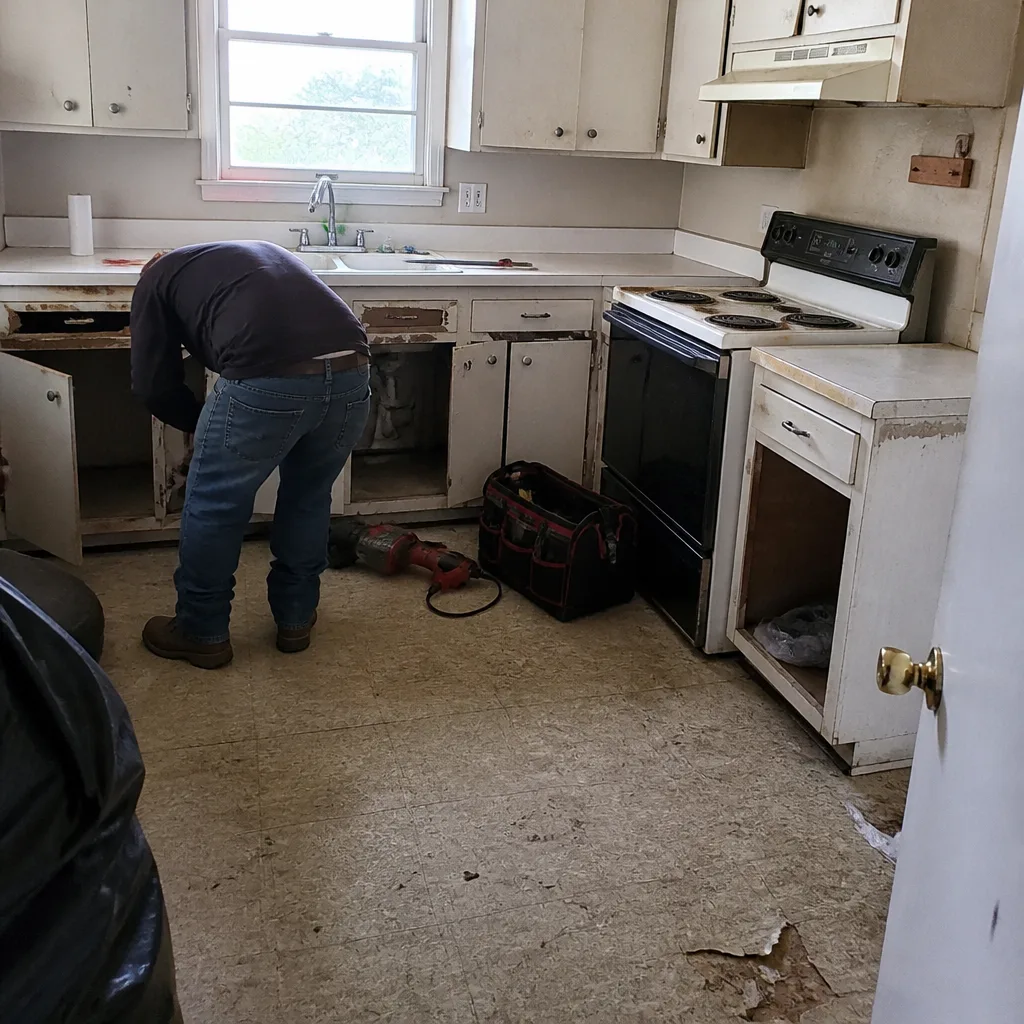 Before
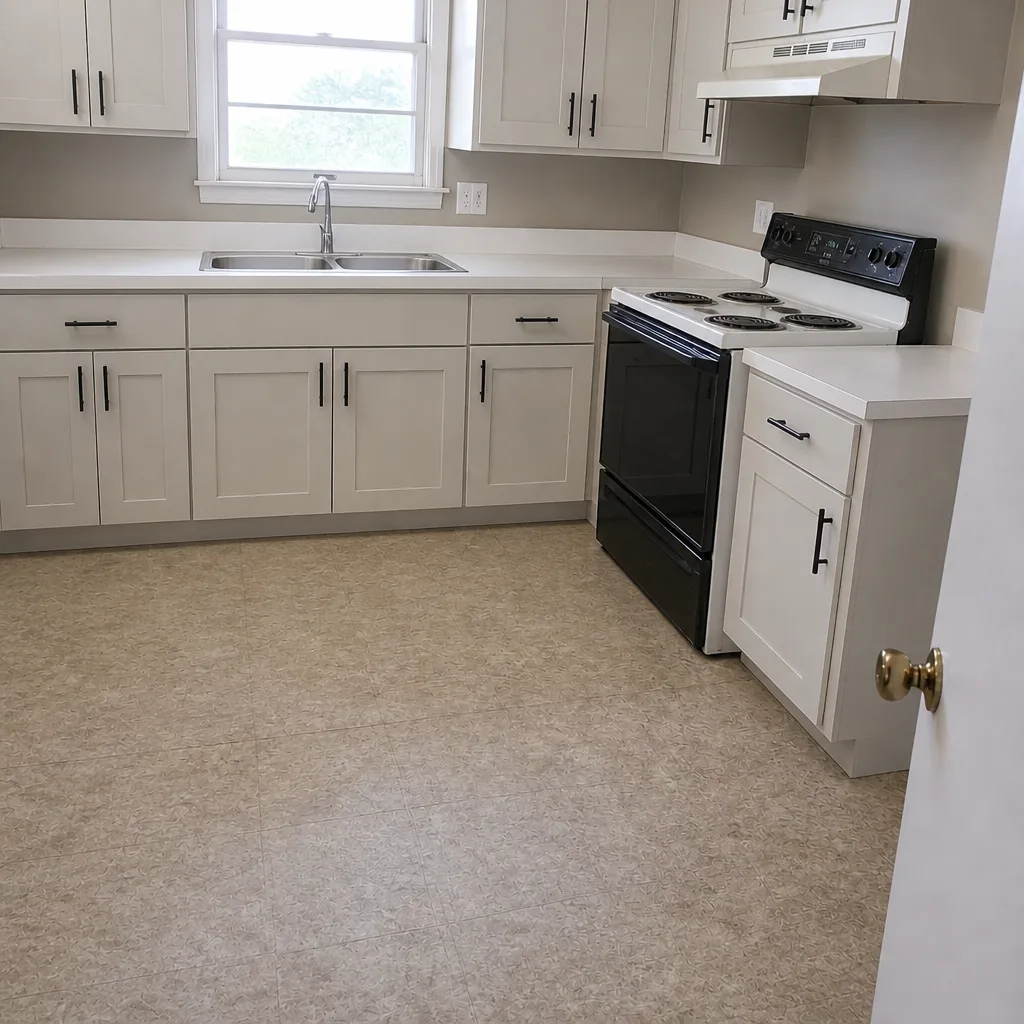 After
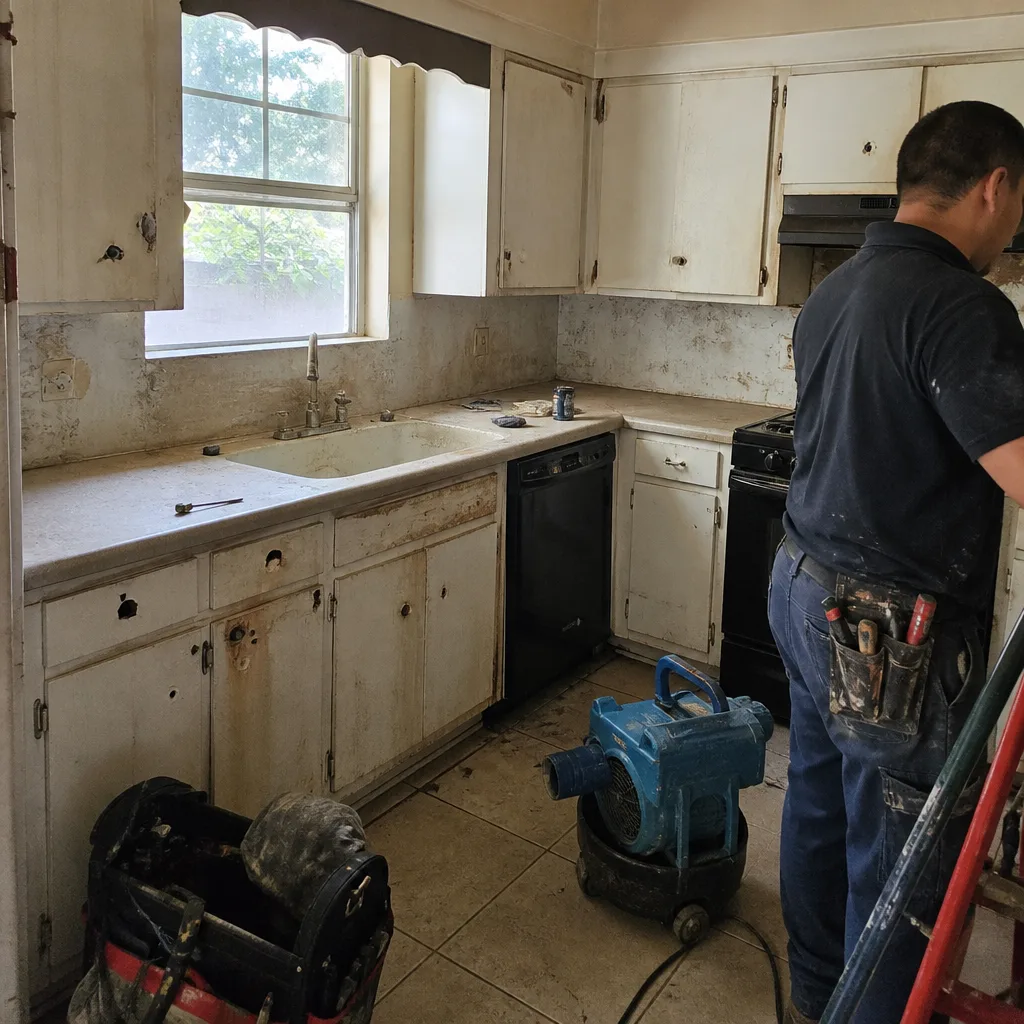 Before
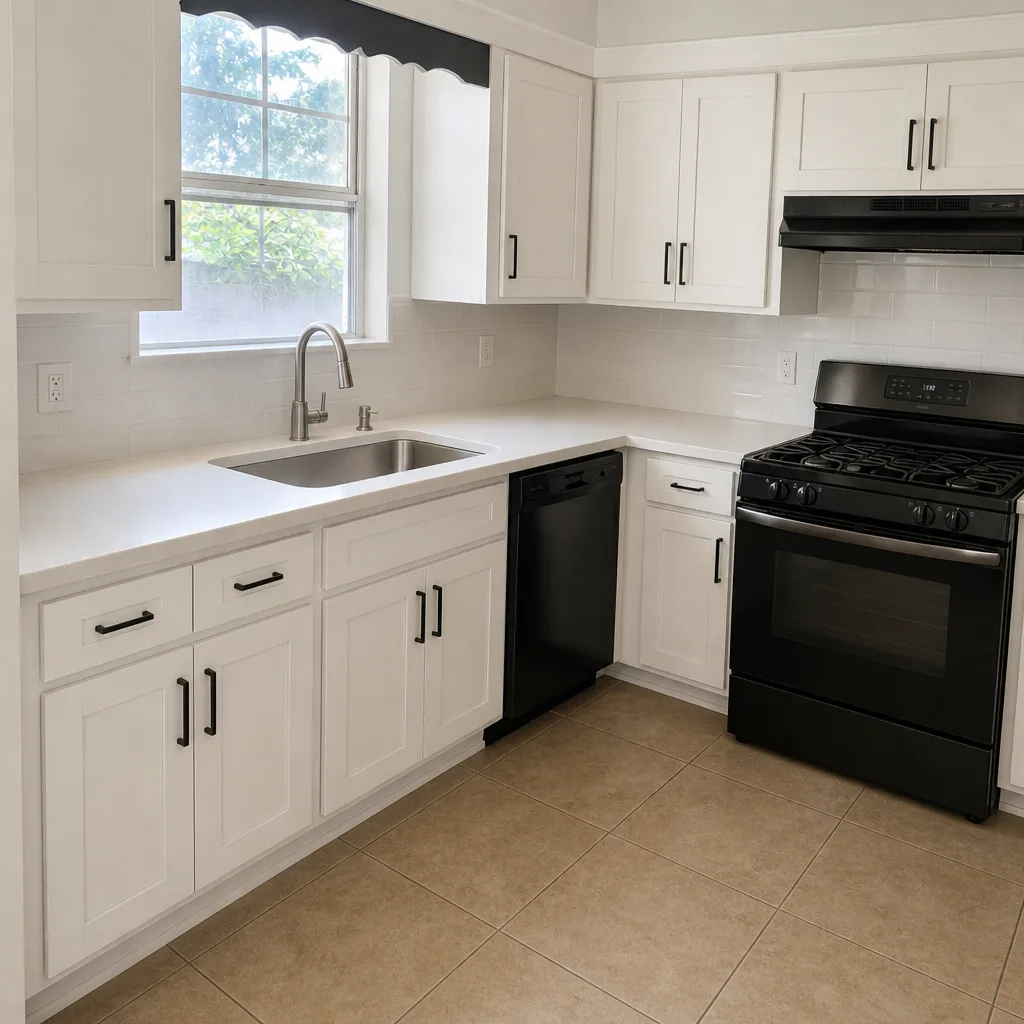 After
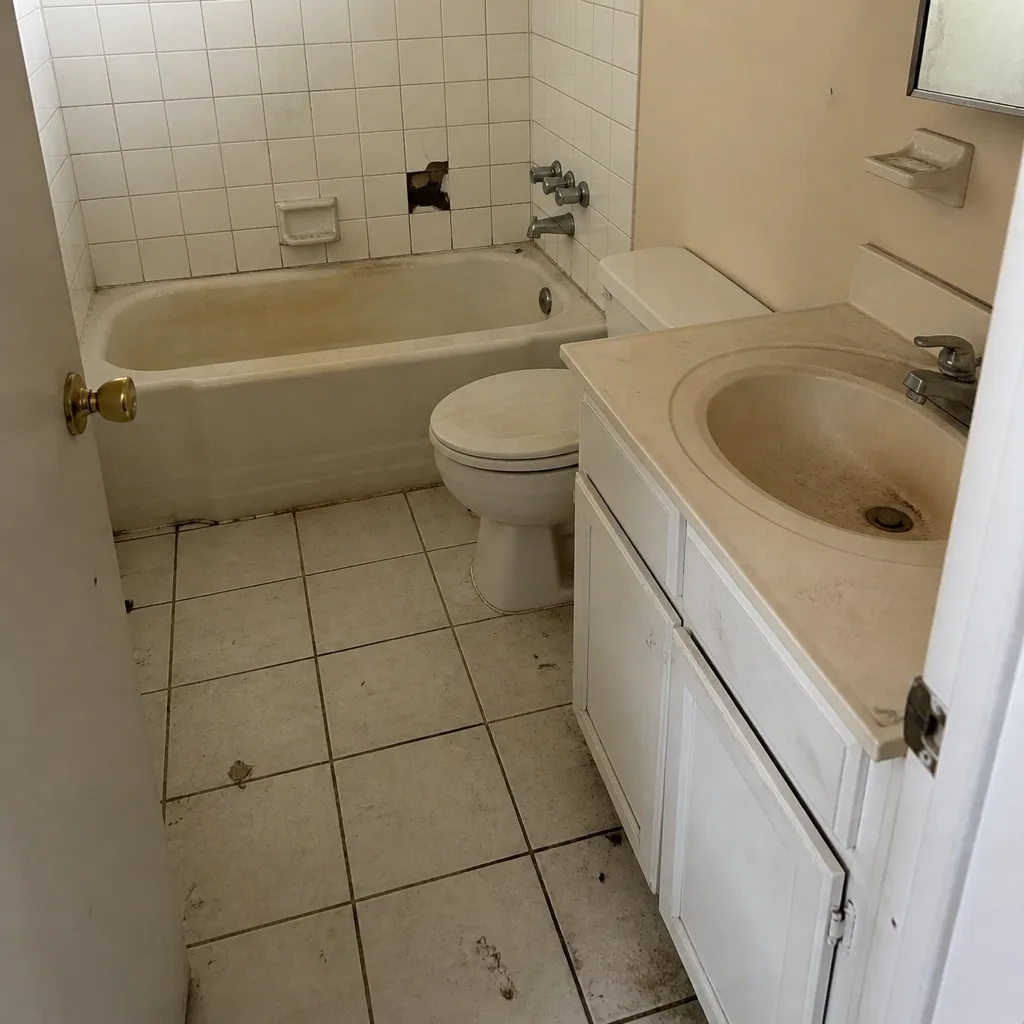 Before
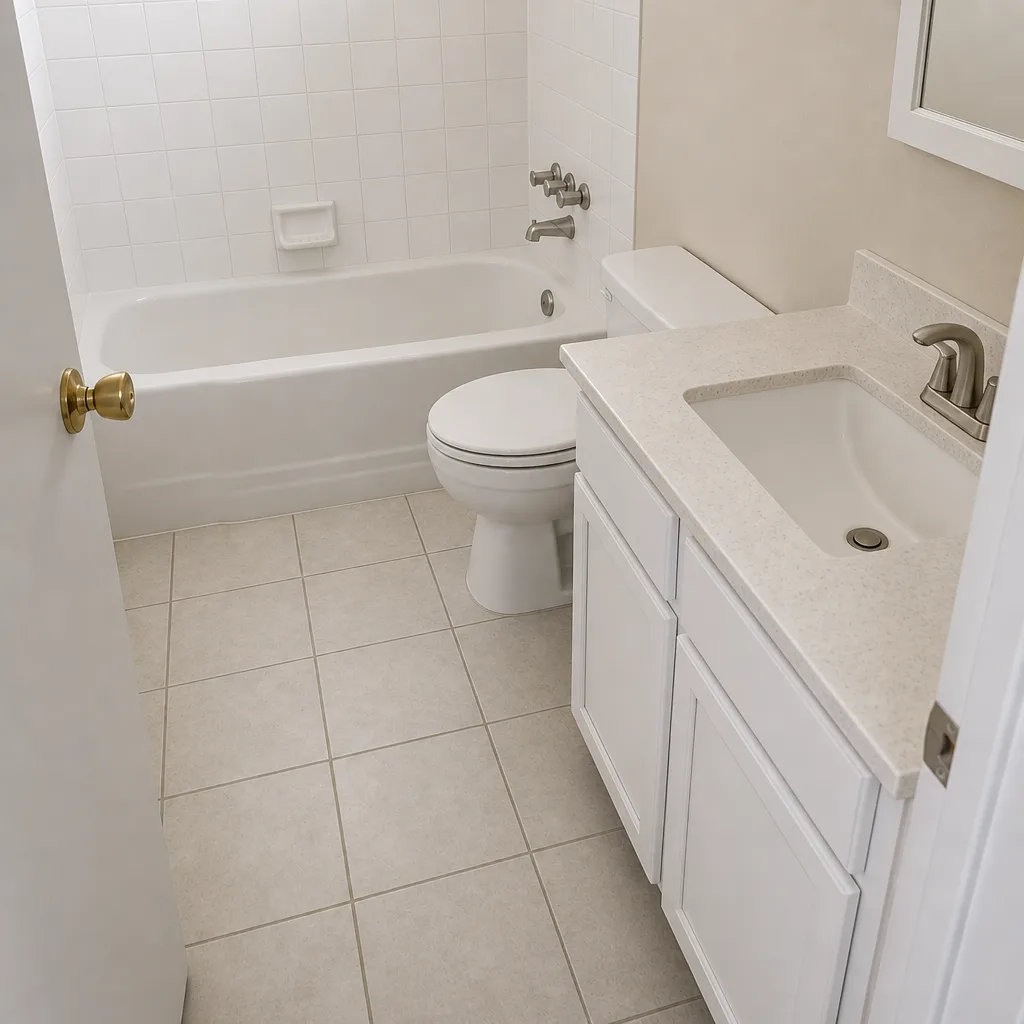 After
When to Call a Professional
Some brand decisions need a professional eye even if you’re not ready to build. Call us if a contractor is pressuring you to sign before you’ve read the manufacturer’s warranty. Call us if a warranty claim was denied because of an installation issue, and you’re not sure who’s actually responsible. Call us if you’re comparing premium and economy material bids and can’t tell whether the upgrade is worth the cost in Richardson’s climate. Call us if your roof, windows or waterproofing failed in the first few years and you’re trying to trace the failure to a material or a workmanship cause. Groundwork Construction Co. of Richardson offers free estimates in Richardson and will sit down with the spec sheet and the warranty document before you spend anything. Dial (833) 954-4985 for a free estimate and a straight conversation about the brands on your project.
Frequently Asked Questions
The best brands for Richardson are the ones whose warranties cover Texas heat, UV exposure and freeze-thaw cycles, and whose installers on your project are certified. In practice, that means premium architectural shingles from GAF or CertainTeed, kraft-based cabinetry from KraftMaid, waterproofing systems with published UV and temperature data, and branded concrete and paver systems. The brand name matters, but the installer certification matters more. Call (833) 954-4985 for a free estimate and we’ll walk through the spec sheet for your specific project.
The manufacturer’s warranty covers defects in the material itself and is issued by the brand. The workmanship warranty covers installation labor and is issued by the contractor. If the material is fine but the installation is wrong, only the workmanship warranty helps you. Groundwork’s 730-Day Done Right Promise exists to cover that workmanship side, and we’ll hand you both documents in writing before you sign. Call (833) 954-4985 for a free estimate.
Ask directly and ask for proof. Manufacturer websites publish installer locators, so you can search the contractor on the brand’s site. Certification is usually product-specific, meaning a contractor certified for one shingle line may not be certified for the higher-end product they’re proposing to install. If the contractor can’t produce a certification record, treat the warranty as void until proven otherwise.
Yes, in three categories: roofing, waterproofing and concrete and paver systems. In those categories, the gap between premium and economy brands shows up in the first five years under Richardson heat and freeze-thaw. In other categories, the gap is smaller. The best way to judge is to ask for the product’s heat, UV and freeze-thaw ratings and compare them across bids. A brand that won’t publish those numbers is telling you something.
Almost never. Manufacturer warranties cover material defects, not installation error, and most require installation by an approved applicator. If your contractor wasn’t certified, the warranty is likely void or reduced. When both parties blame each other after a failure, the homeowner is the one holding the loss. That’s why the workmanship warranty and the installer certification both matter in Richardson. Call (833) 954-4985 to review the warranty on a project you’re planning.
It depends on the category. Premium architectural shingles typically outlast builder-grade by six to ten years in Richardson’s heat and hail. Branded pavers and concrete systems hold freeze-thaw joints longer than economy mixes. Premium waterproofing membranes resist UV and heat failure for far longer than economy systems. The honest answer is that the exact number depends on install quality, ventilation, sun exposure and the product line. Ask any contractor you hire for the published lifespan data for the specific product, and read the warranty’s exclusions carefully.
The Bottom Line
Brand names are proxies, not guarantees. The real protection on a Richardson project comes from three things, and every homeowner should be able to point to all three before signing: the manufacturer’s warranty in writing, the contractor’s workmanship warranty in writing, and proof the installer is certified for the specific product. When all three line up, the brand has accountability behind it. When any one is missing, the homeowner holds the risk. That’s the entire read of the spec sheet, and it’s how a builder decides what goes on a house. Groundwork Construction Co. of Richardson runs a curated brand list and a 730-Day Done Right Promise for exactly this reason. Call (833) 954-4985 for a free estimate and we’ll go through the brand questions with you.
Written by the team at Groundwork Construction Co. of Richardson.