
Last updated November 18, 2026







Free written scope consultation - allowances, timeline, and change-order rules on paper before a single trade is scheduled
Construction Warning Signs: A Richardson Homeowner’s Reference Guide
A diagonal crack running from the corner of a door frame isn’t a settling issue you can caulk away. It’s a foundation movement indicator, and in Richardson’s clay soil, it typically means the movement is ongoing, not finished. That’s the counterintuitive part about construction warning signs: the expensive ones rarely announce themselves with a dramatic failure. They show up as a hairline crack you painted over, a soft spot in the fascia you meant to check, or a bid that got vague right where it should have been specific. This guide teaches you to read those signals before they become emergencies. You’ll learn how to separate cosmetic cracks from structural ones, catch contractor shortcuts before they’re covered up, and know exactly when to act.
Quick Answer
Most construction problems in a Richardson home give off weeks or months of visible warning before they turn into expensive repairs. Structural warning signs include diagonal cracks wider than a dime at door and window corners, sticking doors that weren’t sticking before, roof shingles showing hail bruising or granule loss, and water pooling against the foundation after rain. Cosmetic cracks are thin, vertical, and stable; structural ones are wide, diagonal, and growing. Read the direction, width, and change over time, not just the appearance.
Styles & brands we work with
- Kitchen remodeling
- Bathroom remodeling
- Home additions & ADU
- Roofing
- Windows & doors
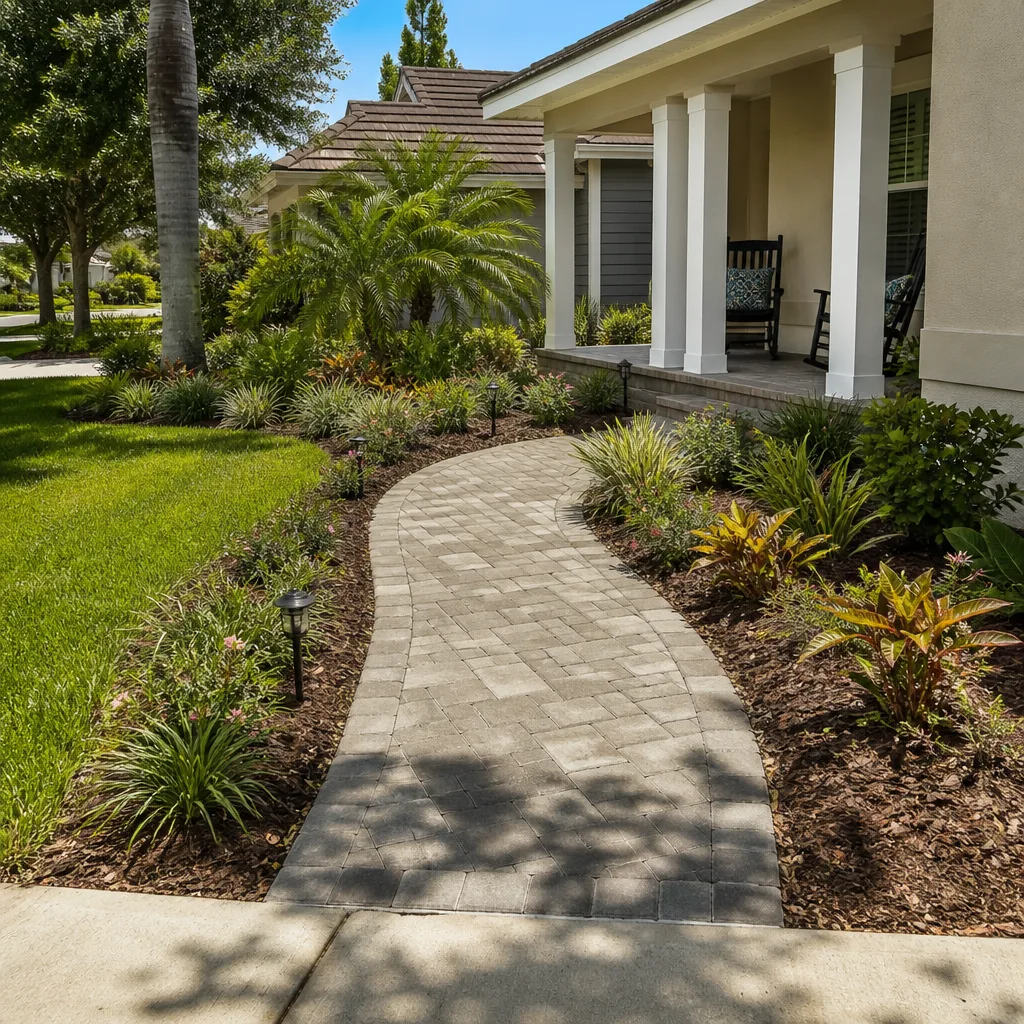
- Driveway & pavers
- Fence
Table of Contents
- How to Tell Cosmetic Cracks from Structural Movement
- Roof and Fascia Warning Signs Accelerated by North Texas Weather
- Drainage and Grading Red Flags Around Your Foundation
- Catching Contractor Shortcuts During an Active Project
- Which Warning Signs Need Immediate Action vs. a Watch-and-Document Approach
- Richardson’s Seasonal Construction Calendar
- How to Document What You’re Seeing
How to Tell Cosmetic Cracks from Structural Movement
Foundations in Richardson sit on expansive clay soil that swells when wet and shrinks when dry. That movement is normal, to a point. The homeowner’s job is to distinguish the expected seasonal give-and-take from movement that’s still in progress and pulling your framing apart. Here’s the framework we use when we walk a job site and see a crack that concerns a client.
Where the crack lives matters as much as what it looks like. A diagonal crack that originates at the corner of a door frame or a window and runs outward toward the ceiling or floor is a classic settlement signature. A vertical hairline crack in the middle of a drywall span, especially an interior wall, is far more likely to be ordinary shrinkage.
- Cosmetic shrinkage cracks: Hairline width (under 1/16 inch), vertical or random, typically in drywall seams or at ceiling corners. They stop growing and don’t shift doors.
- Structural movement cracks: Wider than a dime (roughly 1/8 inch), diagonal, and often wider at one end. They tend to appear at door and window corners where stress concentrates.
- Escalating indicators: Doors or windows that suddenly stick in a room where they never did before, gaps at baseboards, or floor tiles that crack in a straight line across a room.
- Stair-step cracking: Cracks that follow a stair pattern in brick or mortar on the exterior. These almost always warrant a professional look.
What separates a cosmetic crack from a structural one in our experience is growth. Take dated photos with a ruler or coin against the crack, wait thirty days, and shoot again. If it hasn’t moved, you’re monitoring. If it’s widened or lengthened, the movement is active. The soil underneath is likely still expanding and contracting unevenly, and that’s a professional conversation, not a caulk-and-paint job. Richardson’s mix of older postwar neighborhoods and newer subdivisions means both settled and fresher slabs show up, and each has its own baseline for what’s normal.
Roof and Fascia Warning Signs Accelerated by North Texas Weather
North Texas UV exposure breaks down roofing faster than most homeowners expect, and Richardson sits in a hail corridor that adds a second layer of wear. What looks like a shingle that’s “just a little worn” is often a shingle whose protective granules are already gone. Once granule loss is visible, the asphalt beneath is exposed and degrading faster with every summer of direct sun.
Walk your property after every significant hail event and look for these signs, ideally within a few weeks, before storm damage becomes interior water intrusion:
- Bruising and dents: Dark, soft spots on shingles where hail hit and knocked the granules loose. Look for matching dents on gutters, downspouts, and metal vents, which tell you the impact was real.
- Granule accumulation: A noticeable buildup of granules in the gutters or at the base of downspouts after a storm. That’s not normal wear; that’s your roof shedding.
- Curling, blistering, or missing tabs: Shingle edges turning up or tabs torn away. Distinctly accelerated under intense UV.
- Fascia and soffit softness: Poke the fascia board (the trim along the roofline) with a screwdriver. If it sinks easily, water has been sitting behind it. Fascia rot in Richardson often shows up on the north-facing side first, where UV dries it out slower.
- Stained ceilings and attic rafters: Brown rings or dark streaks are evidence water already got past the surface, and you’re past the “monitor it” stage.
Roofing partners like Tamko and Boral build products for this climate, but no shingle outlasts hail. The inspection timeline that works: inspect yourself within two weeks of any storm, hire a professional inspection if you see bruising or granule loss, and don’t wait for a leak to call. A roof leak is the warning sign that shows up after the warnings you already missed.
Drainage and Grading Red Flags Around Your Foundation
Water is the single most common driver of foundation problems in Richardson, and the warning signs appear above ground long before they reach the foundation. If you learn to read the grade around your house, you’ll catch the failing system while it’s still a dirt-and-gutter fix.
The grading standard: The soil should slope away from your foundation at roughly six inches over the first ten feet. Anything flatter, or that slopes back toward the house, invites water to sit against the slab.
- Ponding after rain: Water that stands against the foundation for more than a day after rain isn’t draining. If the low spot is within three feet of the house, that’s an active problem.
- Mulch that washes away: Flower beds that erode every heavy rain signal sheet flow moving straight toward the slab instead of around it.
- Gutter discharge too close: Downspouts that dump water within a couple feet of the foundation, or connect into an old clay drain that’s crushed. In older Richardson neighborhoods, those buried drain lines are a common failure.
- Settled or heaving soil: A visible dip along the foundation or a soil gap where the ground pulled away from the slab. Both mean the moisture content is swinging, and clay soil reacts hard.
- Efflorescence: That chalky white powder on brick or concrete is mineral salt left behind when water pushes through and evaporates.
None of these is a house-on-the-edge failure. Each is a specific, fixable drainage issue that, handled early, spares the foundation. Grading, gutters, and hardscape are the tools that keep water where you want it. If you’re adding or redoing pavement, the same principle drives how we build driveway and pavers in Richardson so they channel water away instead of pooling it.
Catching Contractor Shortcuts During an Active Project
Most homeowners judge a contractor’s work after the project is finished, when it’s too late to see what got buried. The better approach is to watch the process while it’s happening, especially before drywall goes up and covers the framing, plumbing, and wiring. Here’s what we tell clients to check on during an active job, whether that’s a kitchen overhaul, a bathroom renovation, a roof replacement, or one of our home additions and ADU projects in Richardson.
- The pre-drywall walkthrough: Walk the framing with the crew lead before walls are enclosed. Look for the plumbing and electrical rough-in being straight, secured, and laid out where the drawings show it. Ask what’s behind each wall.
- Fastener and flashing detail: On roofing, ask specifically how flashing around valleys, vents, and chimney lines is installed. Flashing done poorly is the leak you find in year two.
- Material matching: Confirm the brands specified in your bid are the brands being installed. If a bid promises GAF, CertainTeed, Andersen, or James Hardie, verify the labels on the boxes when they land.
- Permits and inspections: Ask to see the permit before work starts and check the inspection schedule. A contractor who avoids pulling permits is telling you something important.
- Jobsite discipline: Daily cleanup, protected floors, and a consistent crew are signals of a process, not a favor. Uniformed, background-checked technicians who show up when scheduled are the norm on a well-run job.
- Change conversations in writing: Any change to scope should come as a written line item, not a verbal “while we’re in here.” Upfront pricing means the number you agreed to is the number you pay, and changes are documented before they happen.
The pattern to watch for is vagueness. A crew that can’t explain flashing detail, a bid that says “materials as needed,” or a project where no one can tell you the inspection date are all warning signs, and they matter because they surface in week one, when you can still intervene. The Groundwork Construction Co. of Richardson home page lays out how we structure projects, but the principle is universal: if the answers are clear during the job, the finished work usually is too.
Which Warning Signs Need Immediate Action vs. a Watch-and-Document Approach
Not every warning sign is a call-us-now situation, and treating them all as emergencies is its own mistake. Here’s a clear set of criteria for sorting what you see into “act now” and “monitor and document.”
Act immediately, within days:
- Water actively entering the house from the roof, attic, or around windows.
- A diagonal crack in foundation or brick wider than a quarter inch, or one that’s visibly shifting.
- A bowed or sagging section of wall, ceiling, or roof line.
- Soft, crumbling, or detached fascia with visible roof deck above it.
- Any gas smell or suspected electrical issue, which you should treat as a safety emergency.
Watch and document over 30 to 90 days:
- Hairline cracks under 1/16 inch with no change over time.
- A door that sticks seasonally but frees up in wet or dry cycles.
- Granule loss visible in gutters but no interior leak or shingle damage.
- Minor ponding that drains within a day.
The watch list isn’t a way to ignore things; it’s a way to collect evidence. Date your photos, note the weather, and check back on a schedule. Structural issues tend to be progressive, so change over time is your strongest test. The line that matters most: a crack that’s growing is not a monitoring situation, no matter how thin it is.
Richardson’s Seasonal Construction Calendar
Richardson’s weather drives a predictable rhythm of warning signs, and knowing when to look makes catching them far easier. We see the same pattern season after season.
- Spring: Heavy rain season. This is when drainage failures, soil movement, and foundation cracks show up because the clay is saturated and swelling. A new diagonal crack after a wet spring is a real data point.
- Summer: Peak UV and heat. Shingle curling, fascia drying and cracking, and exterior caulk failure are most visible now. Soil shrinks, which can also reveal foundation movement on the opposite cycle.
- Fall: Hail season builds. Walk your roof and gutters after every significant storm and check metal surfaces for impact dents.
- Winter: Freeze-thaw cycles crack exterior masonry and can freeze-damage unprotected exterior lines. This is the season to catch things you let slide in summer.
To frame this as a routine: inspect the roof and gutters twice a year and after any hail storm, walk the perimeter of the foundation each season looking for new cracks and soil gaps, and check the fascia and soffit every six months. A homeowner with a small calendar reminder beats a homeowner relying on memory. When several warning signs show up together, that’s your cue to bring in a professional rather than handle each one on its own.
How to Document What You’re Seeing
The single best habit a homeowner can build is documenting the condition of their house on a schedule. It turns a vague “I think this is getting worse” into a fact pattern a professional can read.
- Photograph with scale: Place a coin or a ruler against cracks so width is recorded, not guessed.
- Date every photo: Use the photo’s metadata or write the date in the frame. A crack that’s the same width 90 days later tells a different story than one that’s grown.
- Record the weather: Note whether a photo was taken after heavy rain, a stretch of dry heat, or a storm. Richardson’s clay reacts to both extremes.
- Keep a simple log: A short note in a notebook or phone of new cracks, doors that started sticking, or roof changes is plenty.
- Hold onto bids and warranties: Store every written quote, permit, and warranty document together, so when you do call a contractor, you can hand them the full history.
This is the habit that separates a homeowner who catches problems early from one who discovers them at the worst moment. It also makes every contractor conversation faster and more honest. If your roof or fence is failing, the same documentation mindset applies. That’s part of why we build fence installation in Richardson around materials that can stand up to the local climate, and why we tell clients to log what they see.
Common Mistakes to Avoid
- Caulking over a structural crack. A diagonal corner crack that gets a fresh bead of caulk looks fixed and hides the evidence a professional needs to diagnose it. Document it first, then caulk it only after groundwork has been ruled out.
- Reading a roof leak as a roofing-only problem. A ceiling stain in Richardson often means the flashing around a valley or vent failed long before the shingles did. Fix the source, not just the stain.
- Letting gutters discharge against the slab. Richardon’s clay doesn’t forgive repeated saturation. Extend downspouts and regrade before the soil does its damage.
- Accepting a verbal bid. Vague bids are the number-one warning sign. A written line-item quote with brands named (GAF, Owen, Andersen, KraftMaid) is the standard.
- Skipping the pre-drywall walkthrough. Once walls are enclosed, the framing behind them is invisible. Walk it while it’s still open.
- Assuming a permit is somebody else’s job. If the contractor doesn’t mention pulling one, ask. The lack of a permit is a shortcut that shows up years later.
- Waiting for a leak to call. Storm damage and UV wear announce themselves as granule loss, bruising, and curled shingles long before water gets inside.
See the difference
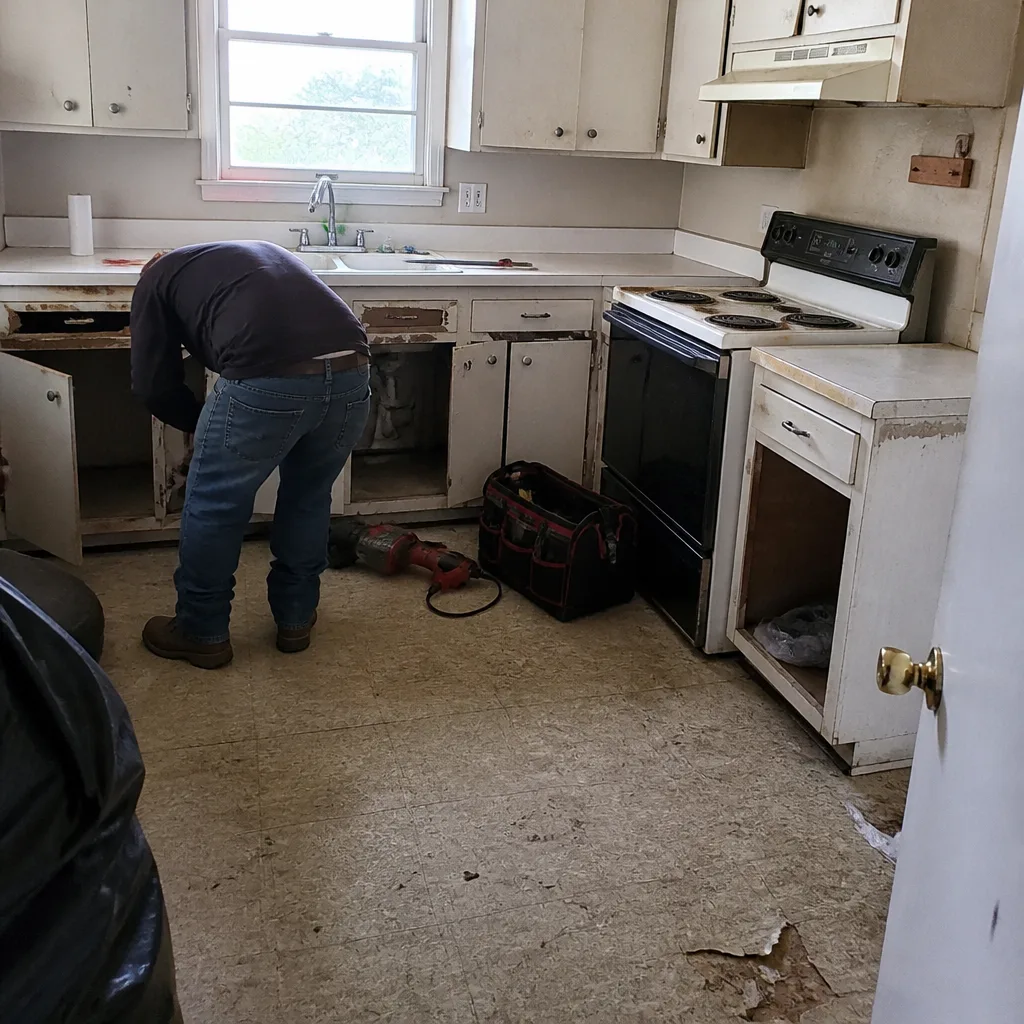 Before
 After
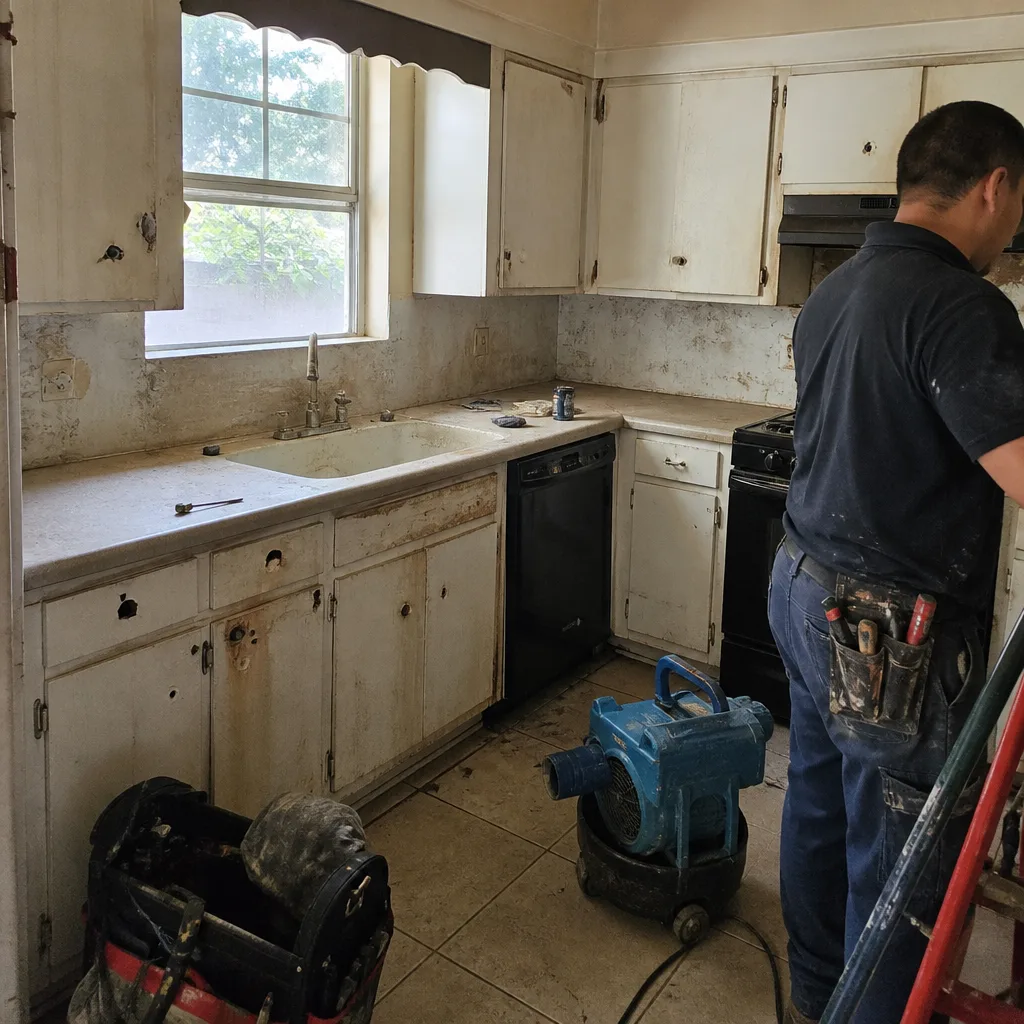 Before
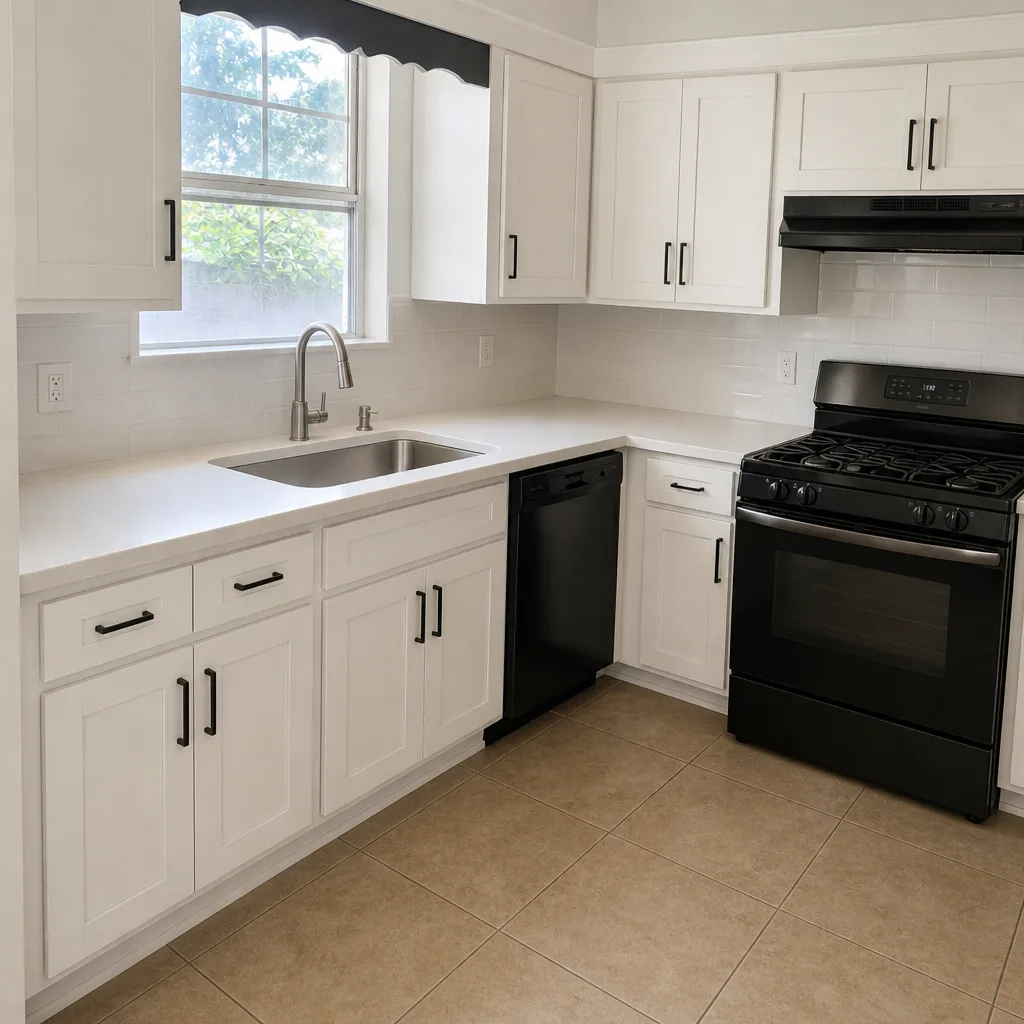 After
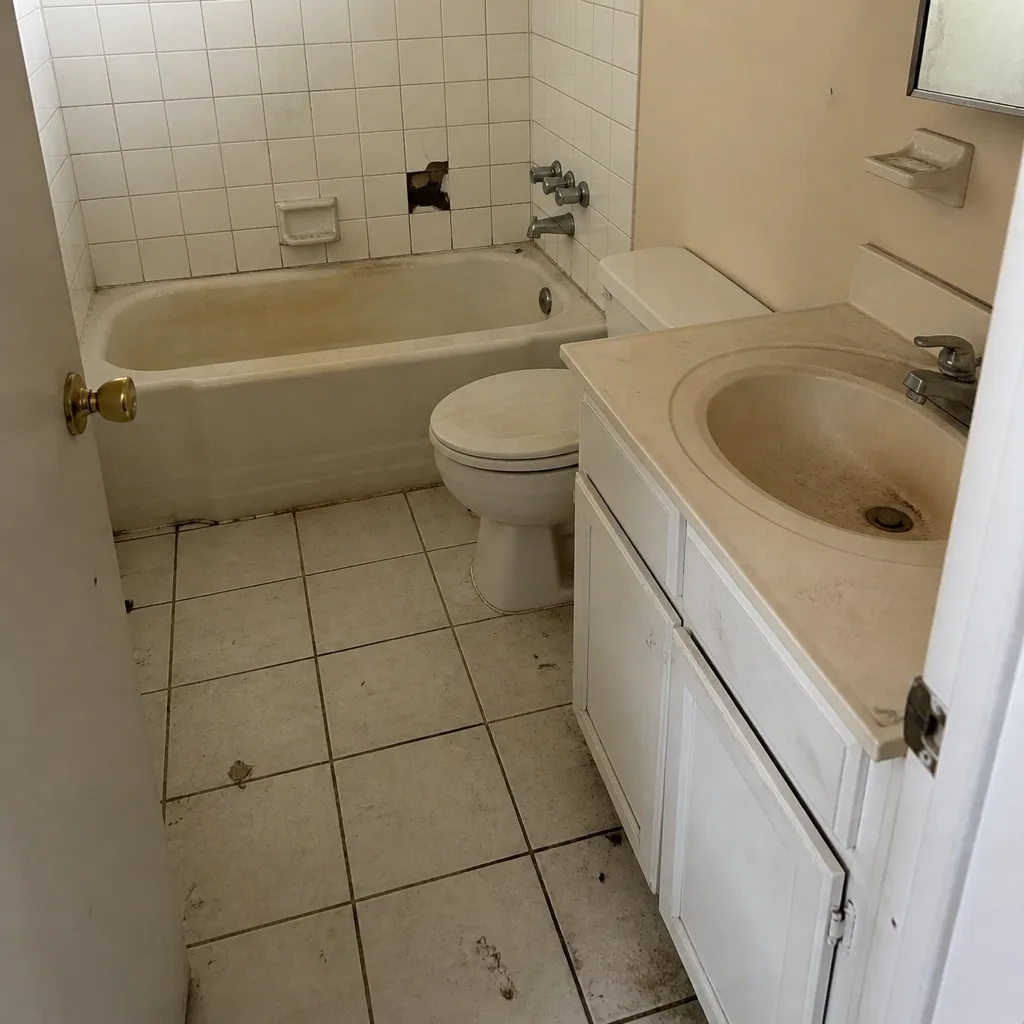 Before
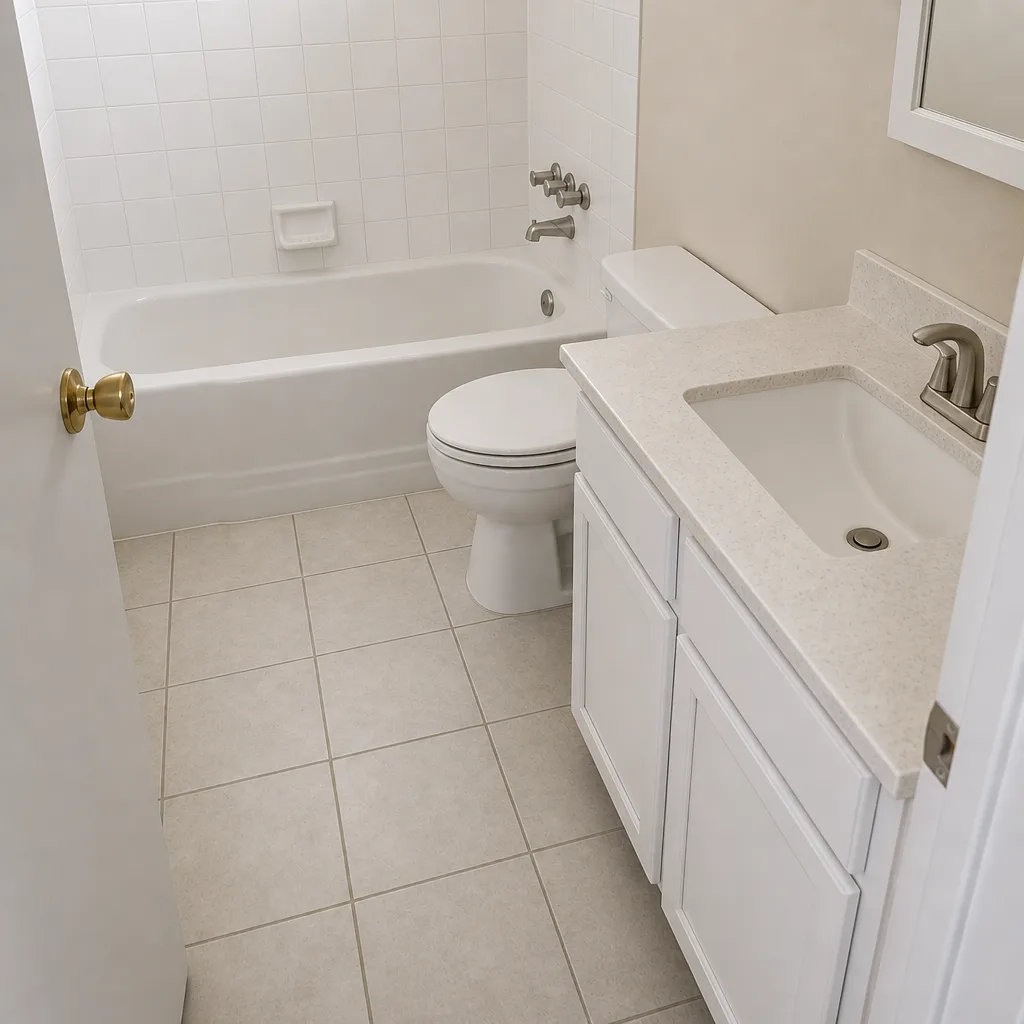 After
When to Call a Professional
Call a professional when a warning sign is structural, growing, or outside your ability to fix safely: a diagonal foundation crack wider than a dime that’s gotten wider in a month, water actively entering the house, soft or detached fascia, a bowed wall, or storm damage to the roof. Also call when several warning signs show up together, because that pattern is more telling than any single one. If your project is underway and the crew can’t explain fastener or flashing detail, permit status, or change orders in writing, that’s a call worth making before more work gets covered up. Groundwork Construction Co. of Richardson offers free estimates in Richardson. Every project we take on is backed by our 730-Day Done Right Promise, and our technicians have up to 12 years of experience reading exactly these signs. Call (833) 954-4985 to schedule your free estimate.
Frequently Asked Questions

In Richardson’s clay-soil environment, a crack wider than a dime (about 1/8 inch), diagonal, and located at a door or window corner is the threshold to have it looked at. Anything approaching a quarter inch, or any crack that’s growing over thirty days, should be inspected. Call (833) 954-4985 for a free estimate if you’re unsure what you’re looking at.
Inspect within two weeks of any significant hail event, and schedule a professional inspection if you see bruising, granule loss in the gutters, or dented metal surfaces. Waiting for a leak means the storm damage has already moved inside. Call (833) 954-4985 to get a roof inspection on the calendar.
Yes, many are. Thin, vertical hairline cracks in the middle of a wall or at ceiling seams are usually ordinary drywall shrinkage and don’t mean structural trouble. The ones to act on are wider than a dime, diagonal, and located at corners, or cracks that keep growing. If yours fit the second description, call (833) 954-4985.
Vague answers about flashing, fasteners, and permit status are the clearest signs, along with material brands that don’t match the bid, no visible inspection schedule, and a lack of written change orders. Ask for the pre-drywall walkthrough and verify the product labels. A legitimate contractor answers these questions without hesitation. Call (833) 954-4985 to talk through your project.
If water stands against the foundation for more than a day after rain, it’s a problem. The fix is usually grading and gutter discharge, not foundation work, but catching it early is what keeps it from becoming foundation work. Call (833) 954-4985 for an estimate on drainage and hardscape corrections.
Only cosmetic ones. Hairline cracks, caulking, and gutter cleaning are fine to handle yourself. Structural cracks, roof flashing, fascia, and any active water intrusion are not DIY jobs; the work is either dangerous or easy to cover up incorrectly. Call (833) 954-4985 instead of covering evidence a professional needs.
The Bottom Line
The homeowners who avoid construction emergencies aren’t the lucky ones. They’re the ones reading their house on a schedule, distinguishing cosmetic wear from structural movement, and documenting what they see so any contractor can act on facts. In Richardson, the pattern is predictable: clay soil moves foundations, UV and hail wear roofs, and drainage failures talk before they leak. Catch warning signs early and most become small fixes. Groundwork Construction Co. of Richardson backs every project with our 730-Day Done Right Promise, upfront pricing with no surprises, and live-person answers around the clock. From foundation to finish line, built to last and backed in writing. Call (833) 954-4985 for your free estimate.
Written by the team at Groundwork Construction Co. of Richardson.