Last updated November 18, 2026
Free written scope consultation - allowances, timeline, and change-order rules on paper before a single trade is scheduled
DIY vs Professional Construction: The Richardson Homeowner’s Decision Guide
Here’s something most homeowners don’t know: in Texas, you can legally pull your own electrical permit as the homeowner. Which means a capable person in Richardson can wire a room, finish it, and nobody stops them. But if that work causes a fire and the inspector finds it was done without a permit or doesn’t meet code, your insurance company has grounds to deny the claim. The DIY question in Richardson was never really about whether you’re handy enough. It’s about which projects carry consequences that outlast the weekend. This guide draws that line by risk, not by difficulty, and shows you how to keep the savings where they’re real.
Quick Answer
Do it yourself when the project is cosmetic, reversible, and requires no permit: painting, trim, tile on a sound substrate, landscaping, fence staining. Hire a licensed professional when the work touches structure, electrical, plumbing, gas, roofing, or anything that requires a city of Richardson permit, because mistakes there can void insurance coverage, cloud a future home sale, or fail inspection years later. The deciding factor isn’t your skill level. It’s the size of the downside if something goes wrong.
Styles & brands we work with
- Kitchen remodeling
- Bathroom remodeling
- Home additions & ADU
- Roofing
- Windows & doors
- Driveway & pavers
- Fence
Table of Contents
- The Legal Line: What Richardson Homeowners Can Actually Do Themselves
- Insurance Voidance and Title Transfer: The Two Costs Nobody Budgets For
- Where Skilled DIY Genuinely Saves Money in North Texas
- How to Calculate the True Cost of DIY
- Why Richardson Soil and Climate Break Amateur Work
- The Hybrid Approach: Cutting Cost Without Cutting Corners
- Common Mistakes to Avoid
- Frequently Asked Questions
The Legal Line: What Richardson Homeowners Can Actually Do Themselves
Texas gives homeowners more latitude than most states. As the owner-occupant of a single-family home, you can pull permits for work on your own property in many cases, and Richardson’s permitting process allows owner-driven projects within limits. That freedom is exactly why the DIY decision needs a clearer framework than “can I get away with it.”
The practical categories break down like this:
- No permit required, low consequence: interior and exterior painting, flooring over a sound substrate, cabinet refacing, trim, fencing and gate hanging, landscaping, pressure washing, fence staining, minor shelf and fixture installation that doesn’t move electrical or plumbing.
- Permit required, high consequence: electrical circuits and panel work, plumbing rough-ins and water heaters, gas line work, structural changes, roof replacement, additions, and any concrete flatwork or grading that ties into drainage.
- Grey zone, proceed carefully: bathroom tile on a substrate that may be failing, deck repairs attached to the house, converting a garage, and anything an inspector would want to see behind the drywall before it’s closed.
Richardson follows the International Residential Code with local amendments, and inspections happen in stages: rough-in before the walls close, and final after everything’s in place. The stage inspections are where most homeowner work stalls. If you frame, wire, and drywall in one weekend without scheduling the rough-in inspection, you may be opening the wall back up to pass. That single misstep wipes out the savings from a whole DIY electrical project. For the projects that cross into structure, permits, and inspection schedules, the work belongs with a licensed contractor, and the reasons are legal and financial before they’re technical.
For additions and accessory dwelling units in particular, the plan review and inspection sequence is complex enough that most homeowners who start the process end up hiring out the build. Our Home Additions & ADU in Richardson page walks through what that process actually looks like from plan review to final.
Insurance Voidance and Title Transfer: The Two Costs Nobody Budgets For
This is the part of the DIY conversation that doesn’t show up on a YouTube tutorial. When a homeowner performs electrical, plumbing, gas, or structural work without a permit, the work is technically unpermitted, and an insurance adjuster investigating a claim looks for exactly that. If the cause of loss traces back to unpermitted work, the carrier can deny coverage. In a serious fire, that’s the difference between a repaired home and a mortgage on a house you can’t live in.
Title transfer is the slower bomb. Richardson homes change hands, and buyers’ inspectors are thorough. Unpermitted work gets flagged during due diligence in a few common forms:
- An appraiser or inspector notices a room, addition, or structure that doesn’t match the county’s records.
- The buyer’s lender requires proof the work was permitted and inspected, and there’s no paper trail.
- The buyer asks for a repair credit or walks, and you’re suddenly negotiating a discount after your work is years old.
We’ve seen this play out in established Richardson neighborhoods where additions from a previous owner were built without permits, and the current seller takes the hit at closing. The lesson is quiet but firm: any work that gets inspected by a future buyer’s due diligence, or that could be examined in a claim, is work worth pulling a permit for. Permitted work leaves records. Records protect you.
When a homeowner calls us about a project that would require permits and inspections, we’re direct with them: the math on unpermitted structural or electrical work almost never works out, even when the execution is clean. The risk lives with you, not with whoever helped you.
Where Skilled DIY Genuinely Saves Money in North Texas
Now the honest half. There are real projects in a Richardson home where a genuinely skilled homeowner comes out well ahead doing the work themselves. The word “skilled” is doing heavy lifting here, so let’s define what it takes.
- Interior painting: Skilled DIY requires prep work done properly (filling, sanding, caulking, masking), knowing which sheen goes where, and patience on the cut-in line. A confident painter saves real labor cost here.
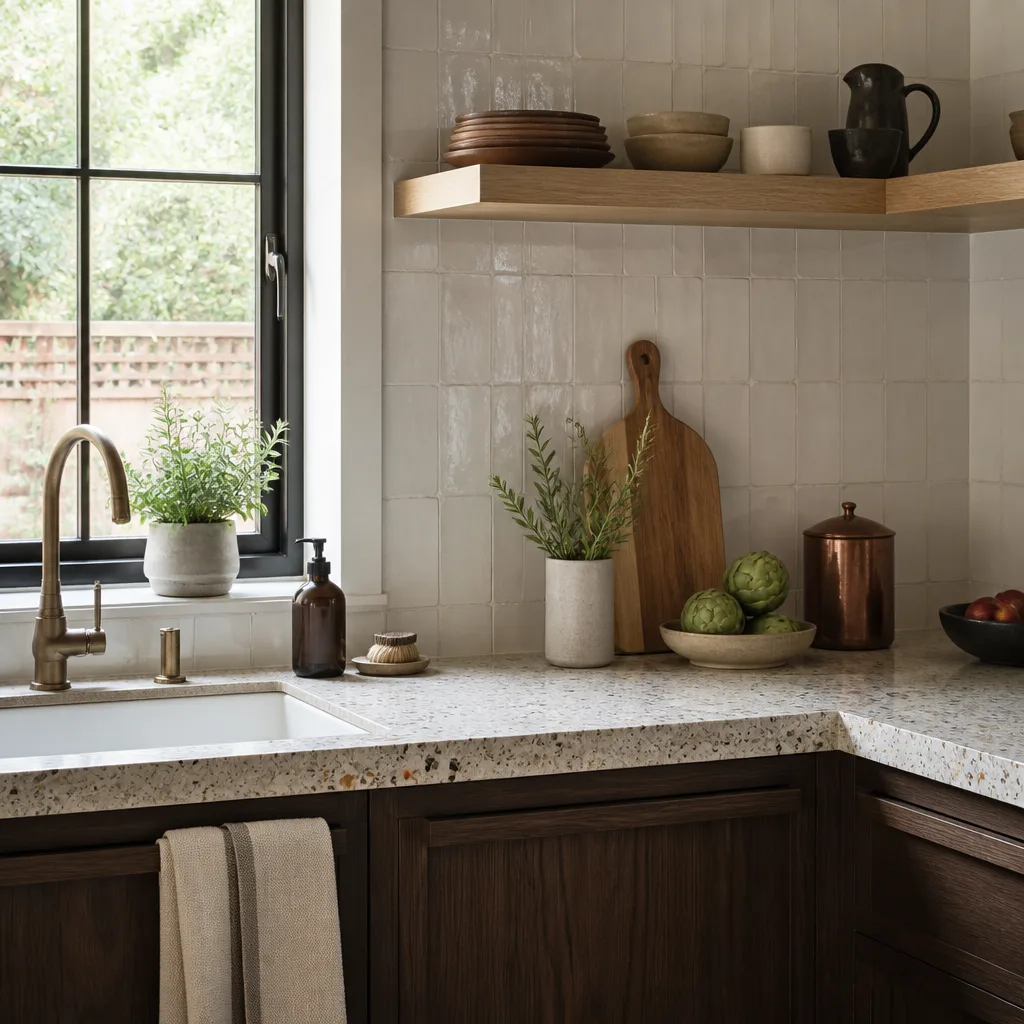
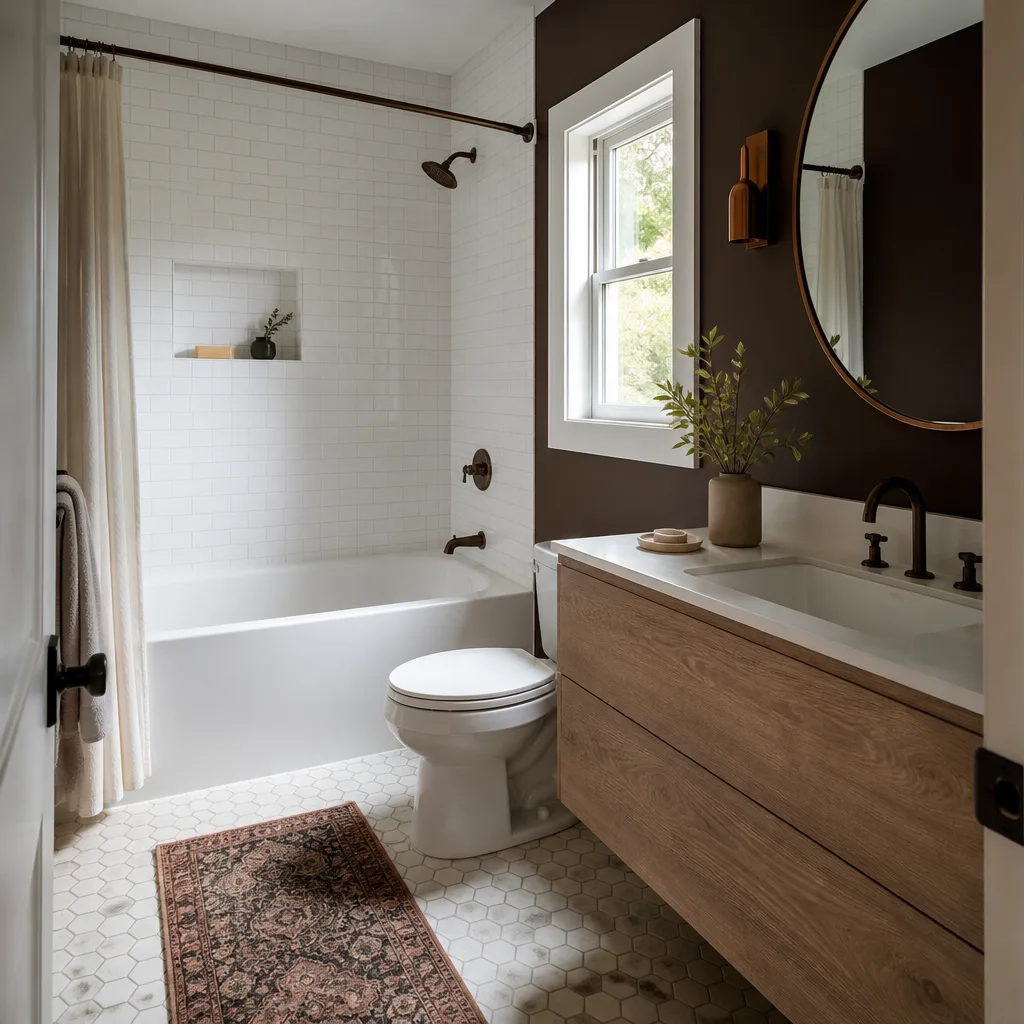
- Tile floor and backsplash: Skilled means a flat, sound substrate, correct thin-set for the tile type, and patience with the spacers. Tile set on a bad substrate will crack along the joints in a few years regardless of technique, so this is only “skill” if you can honestly evaluate what’s under the tile.
- Landscaping and bed work: Planting, mulching, edging, and sod repair around the yard. Low liability, high satisfaction, and it’s hard to cause structural problems.
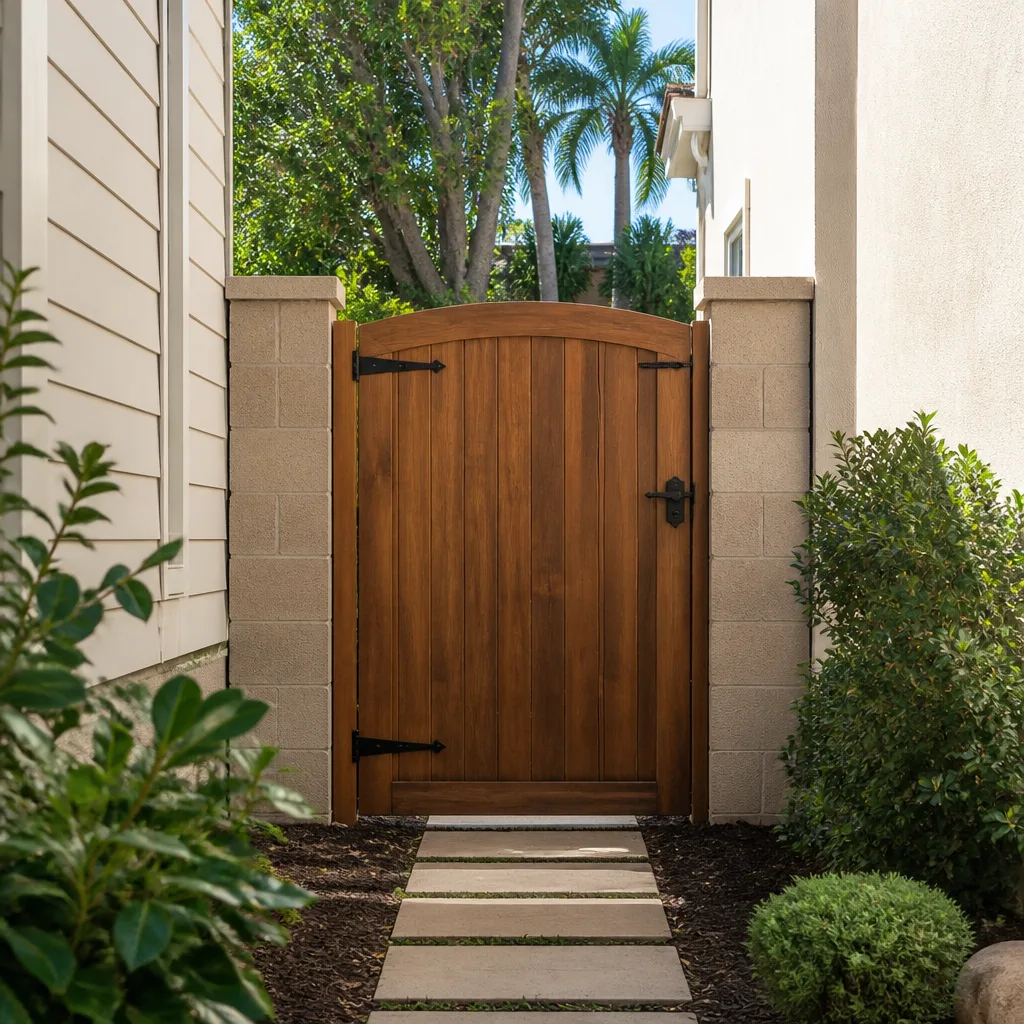
- Fence staining and minor gate repair: A weekend project that adds years to a cedar fence. Replacing a hinge or quieting a gate swing is straightforward. Full fence installation with proper post depth and gate alignment is a different job entirely; our Fence Installation in Richardson page covers what most homeowners miss on post depth and soil anchoring.
- Cabinet hardware and refacing: Swapping pulls and knobs and repainting cabinets is genuinely within reach for a careful homeowner.
What ties these together: they’re cosmetic or reversible, they don’t require a permit, and a mistake costs time or a repaint, not insurance coverage. If a project fails any of those three tests, skilled DIY is a false economy.
How to Calculate the True Cost of DIY
The first number most homeowners compare is materials vs. a contractor’s quote. That comparison is incomplete by at least three inputs. Use this checklist to build the honest number, whether for a bathroom refresh or a paver walkway.
- Materials, including waste and error allowance. Add 15-20% above the calculated material list for cuts, mistakes, and the extra box you’ll go back for. A common DIY surprise is running short on the same dye lot or product line.
- Tool acquisition. Specialty tools are expensive. A wet saw for tile, a proper level and plate compactor for pavers, and drywall fining tools each cost what a single service call might cost. If the tool gets used once and stored forever, add its full cost, not the rental price.
- Time value. Calculate your realistic hours (most first-timers take 2-3x the pro’s hours) and multiply by what an hour is worth to you. A kitchen gut renovation taking 6-8 weekends is a real cost even if no money changes hands.
- Re-work probability. Risky work fails more often on the first attempt. Budget in a re-work allowance of 10-25% for anything you haven’t done before.
- The hidden cost of the permit you skipped. Carry a contingency for the insurance and resale risk described above. If that number unsettles you, that’s the answer.
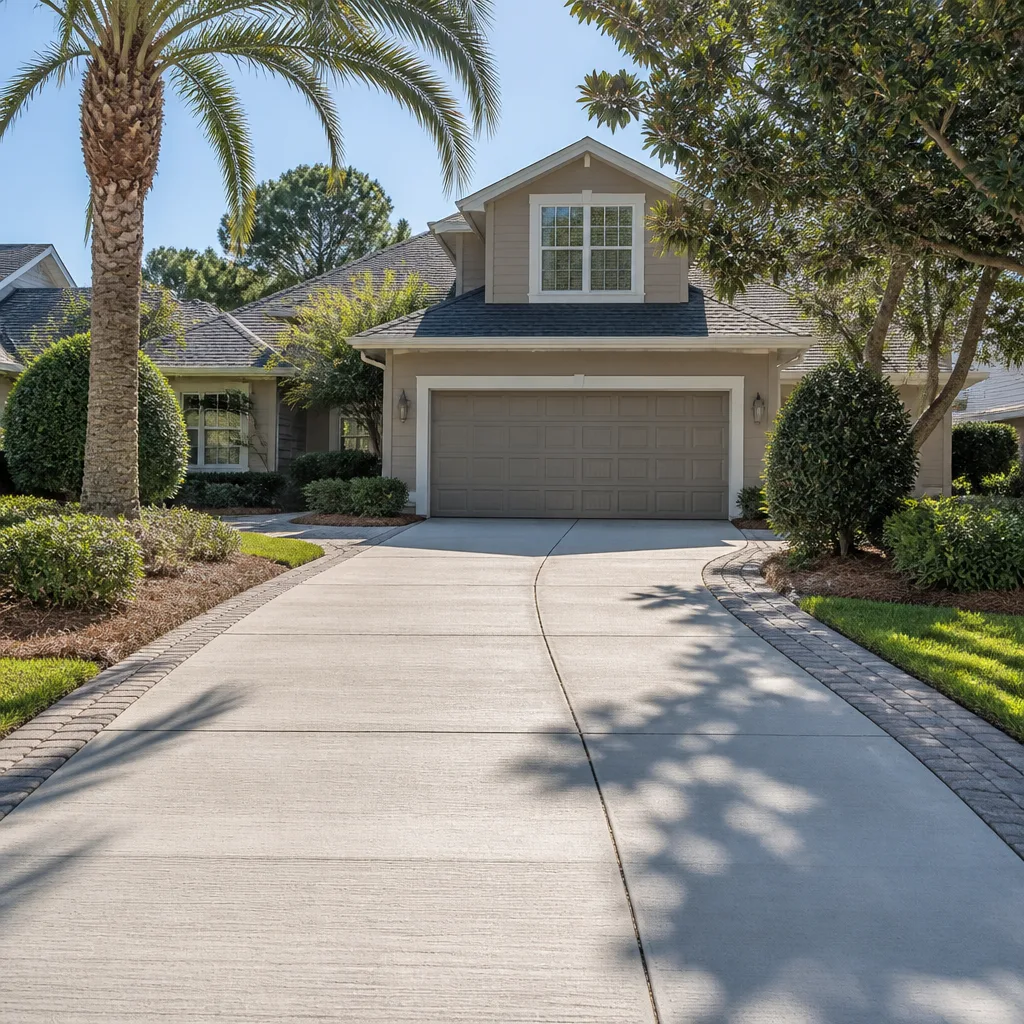
For driveways, patios, and paver walkways, the tool and re-work lines are dominant. A proper plate compactor and enough base material isn’t the DIY-friendly budget most people picture, and the consequence of a shallow base in Richardson’s soil shows up within a season or two. Our Driveway & Pavers in Richardson page breaks down the base preparation standards that make the difference.
If the honest calculation lands within 10-15% of a contractor’s quote, DIY is a poor bet. You’ve traded real risk for a rounding error. Spend the savings elsewhere and put the liability on a licensed professional who carries insurance, permits the work properly, and provides an upfront written quote with no surprises.
Why Richardson Soil and Climate Break Amateur Work
North Texas conditions are unforgiving to job-site shortcuts and homegrown execution. Richardson’s expansive clay soil is the headline. Clay swells in wet weather and shrinks hard in drought, and that movement is unkind to anything built without proper base depth, drainage, and compaction. The specific failure modes we see:
- Concrete flatwork: Patios, driveways, and walkways poured too thin or on poorly compacted fill crack and heave within a couple of years. This is the most common DIY concrete failure in Richardson.
- Drainage grading: Graded slopes that don’t direct water away from the foundation can lead to foundation movement, and foundation repair is a five-figure line item. Poor grading is not reversible without major rework.
- Exterior waterproofing: Improper sealing and flashing on exterior walls lets water in where clay soil holds it against the house. This shows up as rot behind siding or failed caulk joints on the shaded north side within a few seasons.
- Roofing: North Texas hail and wind loads demand specific material ratings, flashing detail, and decking integrity. GAF, CertainTeed, Owens Corning, and IKO roofing systems are engineered as systems; skipping a layer voids the manufacturer warranty, and roof work is one of the genuinely dangerous projects on this list. Roofs are not a DIY category.
Richardson summers also bake work poured or painted in the wrong conditions. Concrete set in the afternoon August heat has a different cure behavior than concrete set on a spring morning. This matters most for flatwork and exterior finishes, where a rushed pour or a paint applied in direct sun fails early.
Sixty years of sweating, rain, and clay movement in the built-out neighborhoods around Richardson mean the exterior systems on older homes are already at their limits. A careful re-pour here, a re-grade there, is true craftsmanship, not amateur work. If we’re not the right fit, a licensed concrete or drainage contractor is. But those projects need a trained professional.
The Hybrid Approach: Cutting Cost Without Cutting Corners
The most sensible answer for a lot of Richardson homeowners isn’t DIY vs. professional; it’s both, with clear boundaries. A hybrid approach saves real money while keeping the risk on the licensed contractor’s side of the permit and the insurance. The division of labor is straightforward.
- Homeowner handles demolition, cleanup, and disposal. Tearing out old cabinets, removing carpet, or clearing debris is straightforward work with essentially no liability. Labor savings here are real. Confirm with the contractor that your demo scope matches their inspection points and doesn’t expose anything they’d rather see intact.
- Homeowner handles finish work and final paint. Painting at the end, installing hardware, and setting furniture are safe, reversible tasks that a homeowner can do without pulling a permit.
- The licensed contractor handles all work requiring a permit, inspection, or structural judgment. Rough-in work, structural change, roofing, and the project’s inspection schedule belong with the pro. This is the line that keeps the insurance coverage intact.
The hybrid model works best when the division is agreed on with the contractor before work starts, so the inspection sequence doesn’t get jammed. Our team at Groundwork Construction Co. of Richardson home works with homeowners this way regularly. We’ll tell you upfront which phases are safe for you to do and which phases we need to handle to keep the permits and inspection sequence clean.
One practical note: some contractors don’t want to work around homeowner labor because it complicates insurance and scheduling. Ask before signing. The right fit will be honest about what protects your warranty.
See the difference
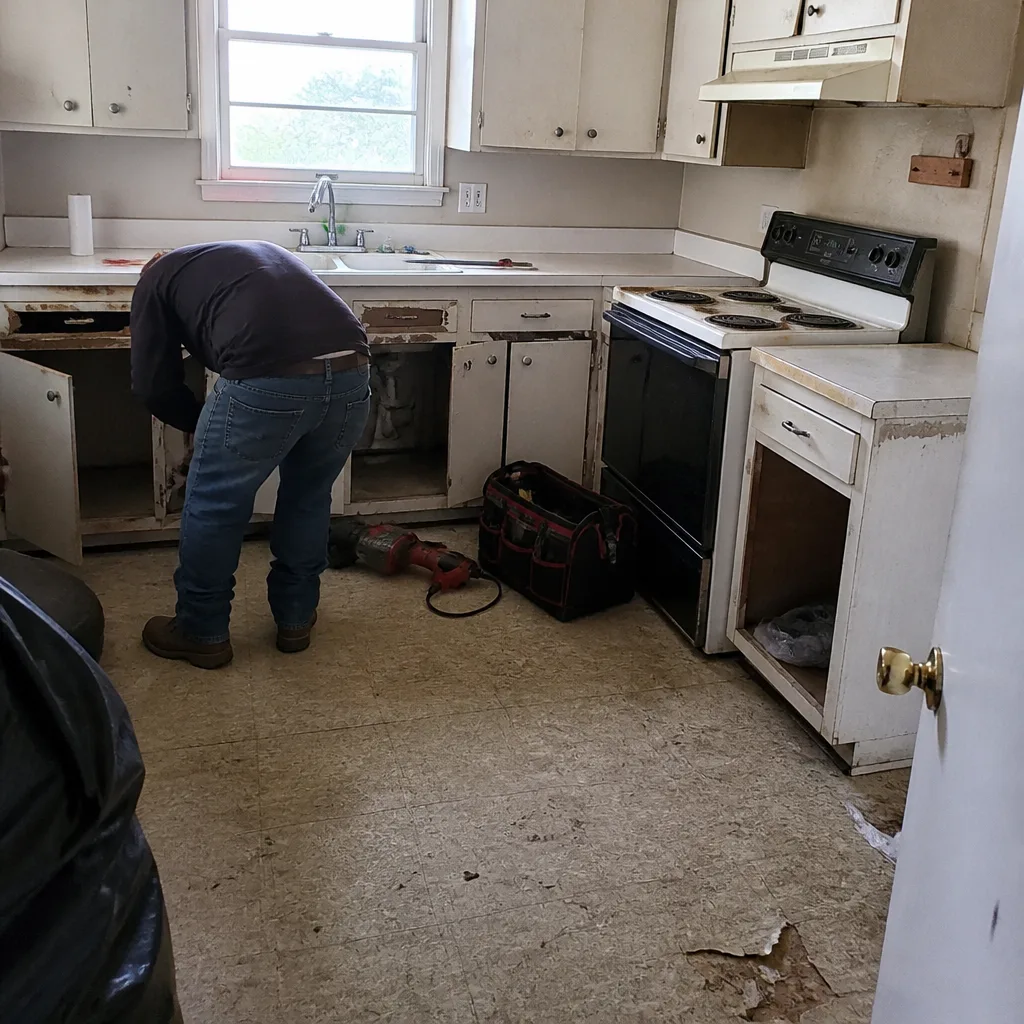 Before
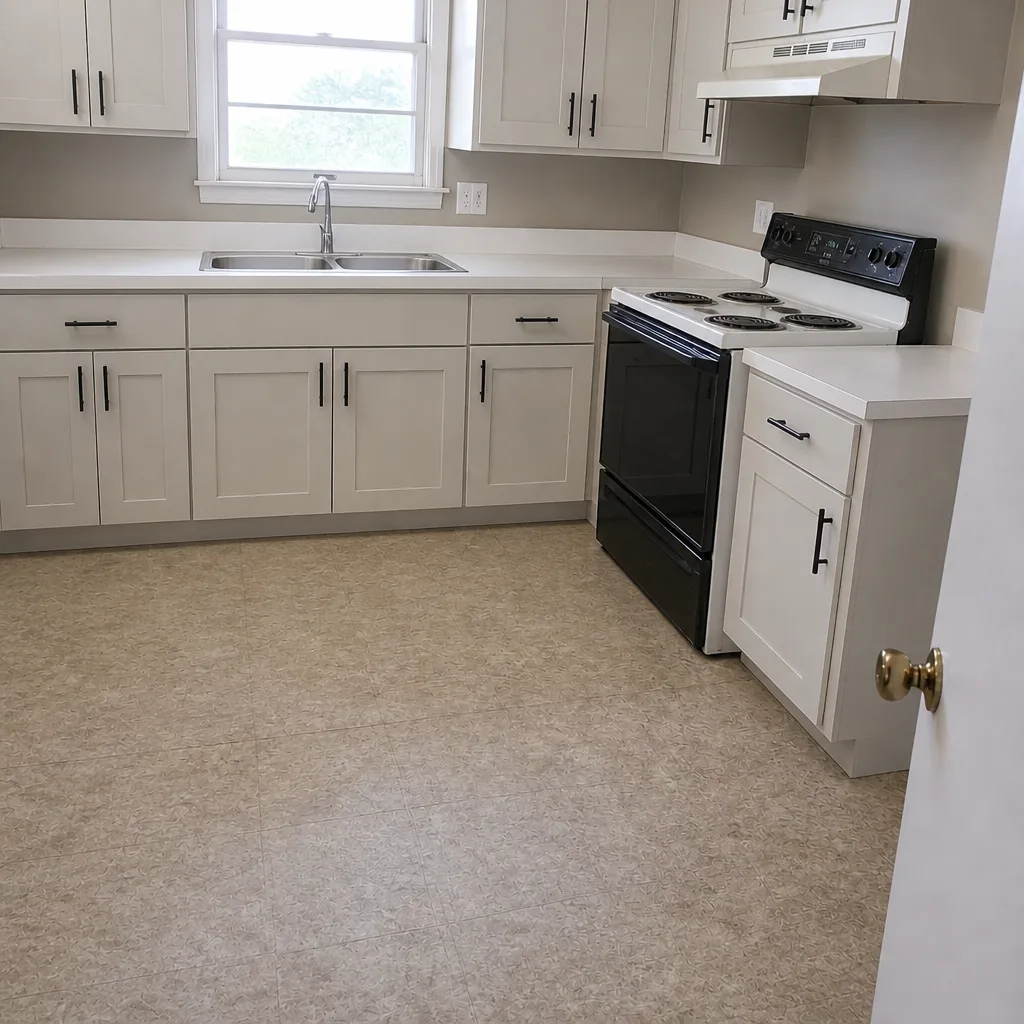 After
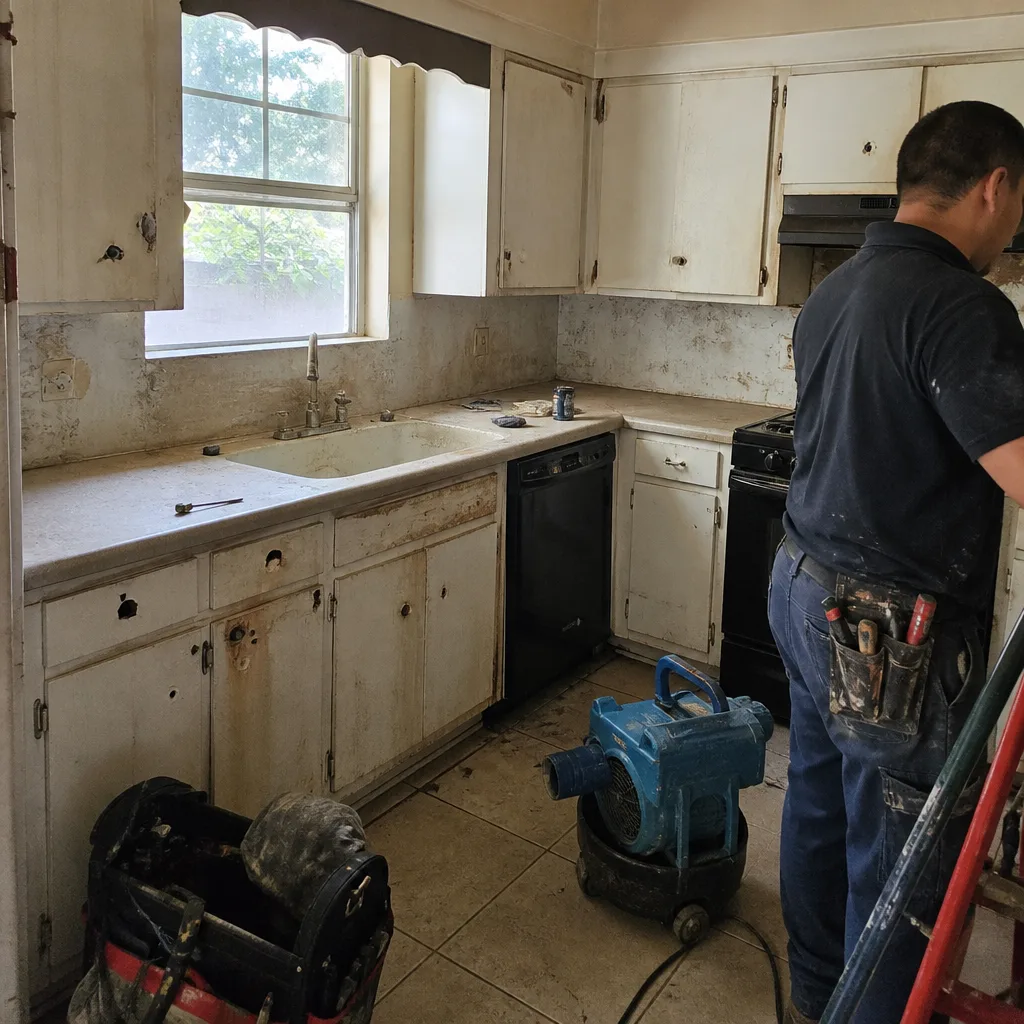 Before
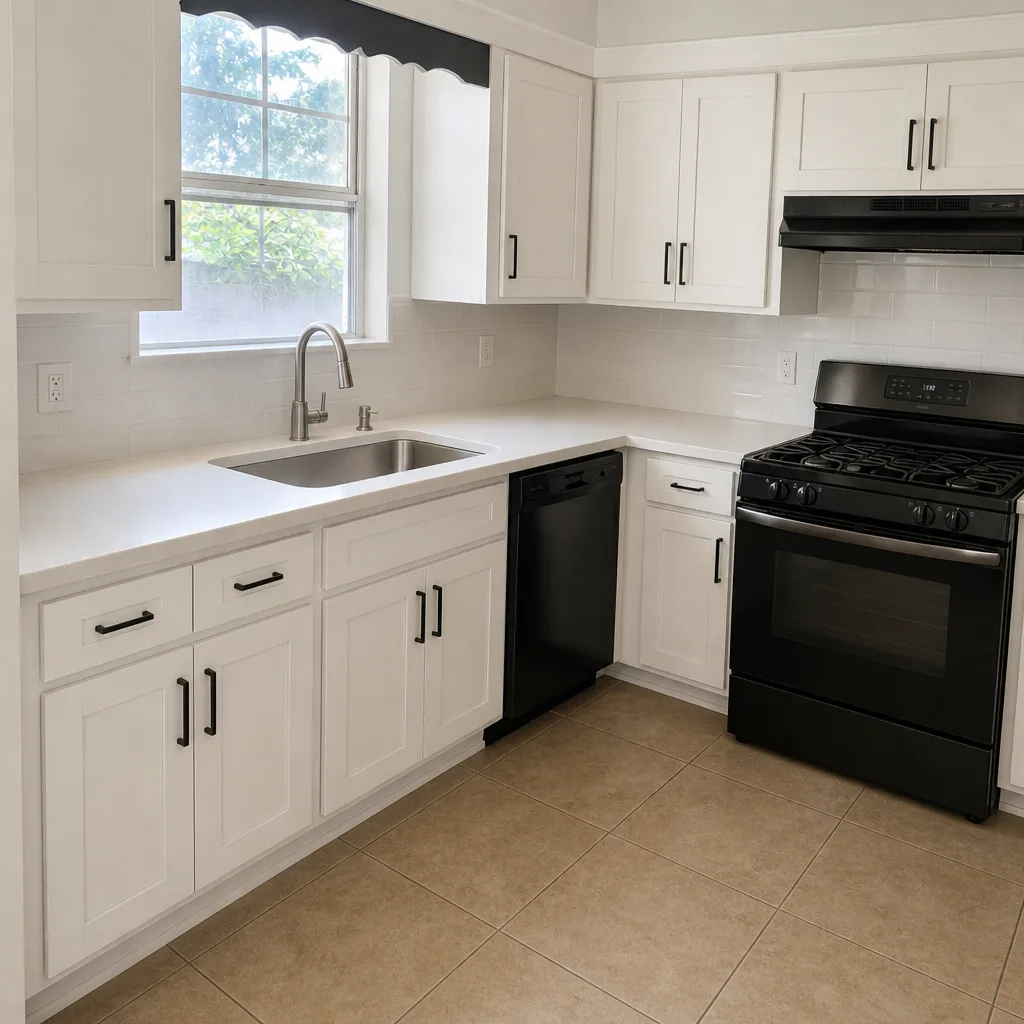 After
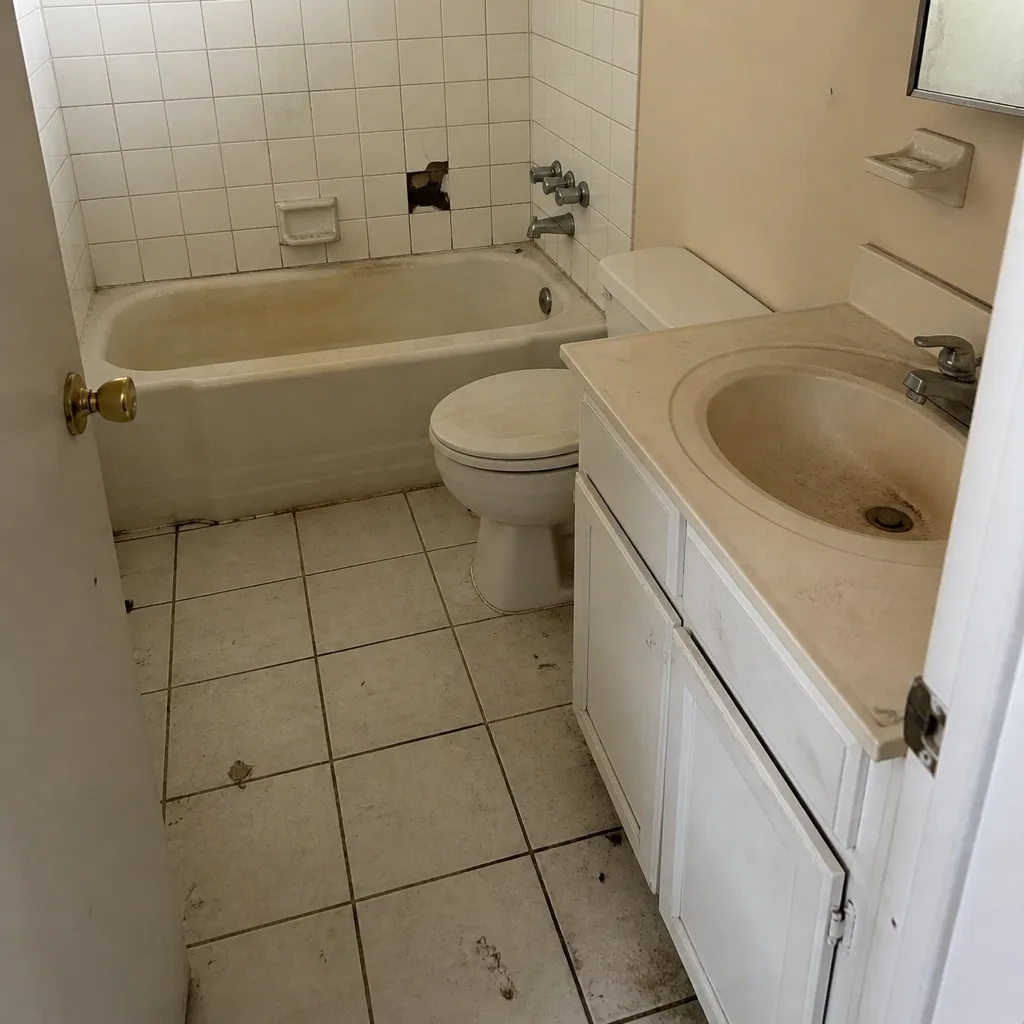 Before
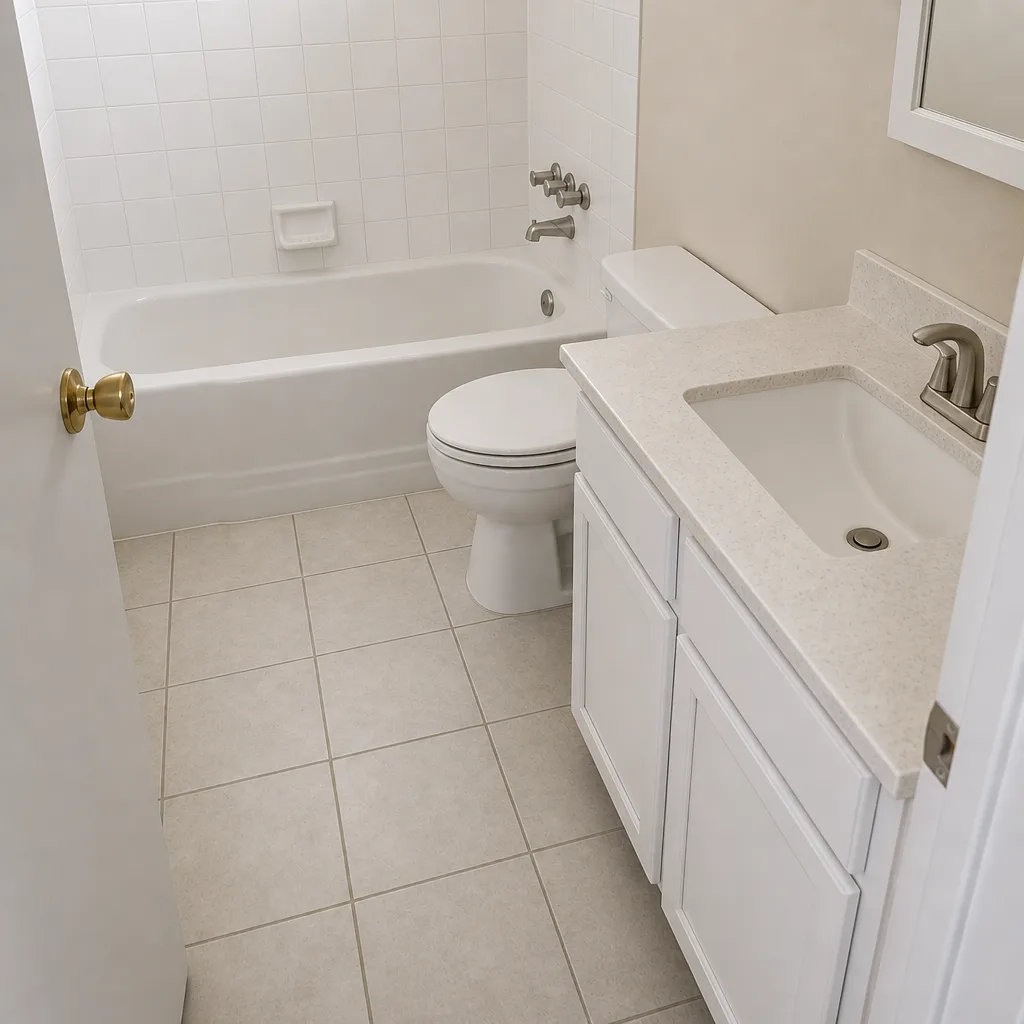 After
Common Mistakes to Avoid
- Skipping the permit to keep the price down. The permit and inspection fee is a tiny fraction of the project cost and the only thing protecting your insurance coverage and resale value. In north Richardson homes, resale is the long game. No permit means no paper trail for the buyer.
- Closing walls before the rough-in inspection. Drywalling over electrical or plumbing before inspection means opening the wall back up later. This has cost more DIY electrical projects their savings than any material error.
- Pouring concrete or laying pavers without proper base compaction. Richardson’s clay soil punishes shallow bases. A 4-inch base in this soil will shift and crack sooner than you expect, and re-doing concrete flatwork is more expensive than starting right.
- Grading the yard without understanding where water goes. Improper slope or a French drain that dumps against the foundation is worse than no drain at all. Foundation repair costs dramatically more than the original grading project would have.
- Playing roofer on a steep pitch or in hail season. Roof work is genuinely dangerous and warranty-voiding when not done by a trained roofer. Roofing is the one category where “skilled DIY” shouldn’t factor in.
- Choosing a contractor on lowest bid without checking the warranty in writing. A low bid you can’t hold accountable is the expensive option. Compare warranties in writing, not just the number.
- Underestimating the time value of DIY. A weekend project that drags into a second month is a real cost. The homeowners who do best are honest about their hours before starting, not after.
When to Call a Professional
Call a licensed professional whenever a project touches electrical panels, plumbing rough-in, gas lines, roofing, structural change, foundation movement, or anything requiring a city permit. Also call when the job involves height, confined spaces, or anything where an injury or an inspection failure would cost more than the savings. These are the projects where a mistake lands on your insurance and your resale, not just your weekend. If a project is cosmetic, reversible, and permit-free, a skilled homeowner is genuinely fine to handle it. The tricky zone is the projects in between: call for an evaluation before you swing a hammer. Groundwork Construction Co. of Richardson offers free estimates in Richardson. Call (833) 954-4985 to get an honest read on whether your project is a DIY decision or a professional one.
Frequently Asked Questions
Yes, in many cases a Richardson homeowner can legally do electrical work on their own owner-occupied single-family home, provided they pull the right permit and the work is inspected. The bigger risk isn’t the legality of the work: it’s that unpermitted electrical is a coverage problem if a fire occurs and a title problem when you sell. Call (833) 954-4985 for a free estimate if you want the electrical work handled with permits and inspections handled properly.
Not automatically, but it can. The risk is that if a loss traces back to unpermitted or non-compliant work, the carrier can deny the claim. In a serious fire or flood, that’s a financial disaster. The safe path is to permit the work that requires it, and hand the risky trades to a licensed contractor. Call (833) 954-4985 to talk through which projects carry that exposure.
Painting, tile on a sound substrate, landscaping, fence staining and minor gate repair, cabinet refacing, and interior trim are the categories where a careful homeowner saves real money without meaningful risk. These are cosmetic, reversible, and permit-free. They also don’t carry insurance or resale risk. Call (833) 954-4985 if you’re not sure where your project falls.
It depends on size and base thickness, but the hidden cost is usually the base work: proper compaction and enough base material for Richardson’s expanding clay. Tool acquisition (a plate compactor alone is a real line item) and re-work probability make the true cost higher than most estimates. In our experience the DIY number often lands close to a licensed contractor’s quote once you add tools, time value, and error allowance. Call (833) 954-4985 for a free estimate so you can compare honestly.
Yes, and for many Richardson homeowners this is the best-value approach. Demolition, cleanup, finish work, and final paint are safe categories; electrical, plumbing, structural, roofing, and anything that gets inspected belong with a licensed contractor. Agree on the division with the contractor before work starts so the inspection sequence isn’t disrupted. Call (833) 954-4985 to price out a hybrid scope.
Almost certainly yes. Garage conversions involve structural and sometimes electrical changes that require plan review and staged inspections in Richardson. Skipping the permit exposes you to insurance and resale risk later. Our Home Additions & ADU in Richardson page walks through the process. Call (833) 954-4985 for a free estimate on a conversion or addition.
The Bottom Line

The DIY decision in Richardson isn’t about capability. It’s about consequence. Cosmetic, reversible, permit-free projects, including painting, tile, landscaping, and fence staining, are genuine savings for a skilled homeowner. Anything that touches structure, electrical, plumbing, gas, roofing, or the permit and inspection sequence belongs with a licensed professional. The calculating question is the one that matters: if this goes wrong, does it cost a weekend or a policy? Once you know which side of that line a project sits on, the answer is usually obvious. Groundwork Construction Co. of Richardson covers every project covered by the 730-Day Done Right Promise and answers the phone with a live person, 24/7, so you can get a real answer instead of a voicemail.
For a free estimate and a straightforward conversation about whether your project is a DIY decision or a professional one, call (833) 954-4985. We’ll tell you frankly which parts are safe for you to handle and which need our team. Upfront pricing, no surprises, and a written quote you can compare against your own math.
Written by the team at Groundwork Construction Co. of Richardson.