Last updated November 18, 2026






Free written scope consultation - allowances, timeline, and change-order rules on paper before a single trade is scheduled
Fence Installation Maintenance Schedule: What to Do and When
Applying stain to a cedar fence in July in Richardson is one of the most expensive mistakes a homeowner can make. The boards look dry on the surface, but summer heat has pulled moisture out unevenly and left the wood stressed. Sealant goes on, cures fast in 100-degree sun, and starts peeling within a season. The fence you were trying to protect ages faster than if you’d left it alone. What follows is a maintenance calendar built around Richardson’s actual weather rhythm, not a generic list pulled from a national chain. You’ll get the right timing for sealing, a post-inspection protocol that catches failure before winter, a hardware checklist, cleaning methods that don’t wreck the grain, and a clear way to decide when refinishing stops being maintenance and becomes a stall tactic.
Quick Answer
A cedar fence in Richardson should be inspected twice a year (spring and fall), cleaned once a year, and sealed or stained every 2 to 4 years during the October-November window when the wood is stable and the weather is mild. Post stability and hardware checks belong on the fall list, before the ground cools. Skip the July staining entirely. Wood moisture content at the time of application determines whether sealant protects the board or traps heat-stressed fibers and fails early.
Styles & brands we work with
- Kitchen remodeling
- Bathroom remodeling
- Home additions & ADU
- Roofing
- Windows & doors
- Driveway & pavers
- Fence
Table of Contents
- Why a Texas Fence Needs Its Own Maintenance Schedule
- The North Texas Cedar Fence Calendar, Season by Season
- The Optimal Stain and Seal Window in Richardson
- Annual Post Inspection: Testing Stability Before Cold Sets In
- Hardware Inspection Checklist: Hinges, Latches, Caps, Brackets
- How to Clean a Fence Without Damaging the Grain or Coating
- The 5-Year Decision: Maintaining a Fence or Delaying Replacement
- Common Mistakes to Avoid
Why a Texas Fence Needs Its Own Maintenance Schedule
Cedar is the right choice for Richardson fences. It handles our humidity swings, resists insects better than pine, and looks the way a fence is supposed to look. But cedar only performs when the maintenance follows the weather, and Richardson’s weather doesn’t cooperate with the schedule most homeowners keep.
A cedar board absorbs and releases moisture constantly. In Richardson, a board that holds 14% moisture in an October morning can drop to 6% by an August afternoon, then soak back up after a two-day rain event. Each of those cycles moves the wood slightly. Over a year, that’s dozens of small movements. Sealing at the wrong point in that cycle is how homeowners end up with a fence that peels, checks, and greys out two years ahead of when it should.
Two things drive the schedule here more than anywhere else:
- Summer heat stress. July and August surface temperatures on a south-facing fence in Richardson climb high enough to bake a fresh stain before it soaks in. Boards feel dry to the touch but the outer fibers are tight and closed off. Sealant sits on top and lifts.
- Spring moisture loading. After the March-May rain pattern, wood swells. Sealant applied to swollen wood cures tight, then cracks visibly by July as the wood shrinks back down. We see this constantly on fences along the Spring Creek greenbelt corridor where shade keeps boards damp longer than a sunny yard does.
The lesson isn’t to seal more often. It’s to seal at the point in the year when the wood is in its most stable state. That’s a window, not a season. This is why we treat fence work the same way we treat a roof or a driveway pour: the material only performs when the schedule matches the conditions, and the Groundwork Construction Co. of Richardson home service approach reflects that across every trade we handle.
The North Texas Cedar Fence Calendar, Season by Season
Here’s what a full year of fence care looks like in Richardson. Print it, stick it on the garage wall, and work it in order.
Spring (March-May): Inspect and Clean
After the rainy stretch, do the first walk-through. Check every span for loose pickets, popped nails, and rails that have shifted. Look at the bottom edge of the fence on the north side of the yard, where moisture lingers longest. Clean the boards now, before pollen and dirt work their way into the grain. Don’t seal in spring; the wood is still swollen from the rain cycle and the seal will crack.
Summer (June-August): Hands Off the Stain
Retighten hardware, trim back vines and shrubs that trap moisture against the boards, and watch for post movement. This is the season for observation, not application. The surface of the wood is heat-stressed and the sealant can’t perform. If you see a picket pop loose, fix it now; if a post looks off, mark it and address it in fall. Any staining you see done in Richardson in July is almost always a shortcut you’ll pay for in two years.
Fall (October-November): The Main Event
This is the window for the big work. Clean the fence, wait for full dry, and apply stain or seal during the stretch of mild, dry weather before the first cold fronts. Check soil contact at every post. Run post stability tests (see below). Tighten or replace hardware. This is also the season to plan for gate alignment, because wood is at its most stable and the gate swing you see in October is the one it will hold.
Winter (December-February): Watch and Note
Do a light visual once a month. Look for frost heave at the post bases, snow or ice load on the top rail, and cracks in the sealant that have opened since fall. Richardson rarely gets hard freezes, but the ones we do get cause more fence damage than people expect. Note what you find and put it on the spring list. Winter is not a repair season; it’s the diagnostic season.
Full-year quick reference
- March: first inspection, cleaning
- April-May: repair loose pickets, trim vegetation
- June-August: hardware checks only, no staining
- September: pre-fall walk-through, mark problem posts
- October: clean, dry, stain or seal
- November: post and hardware checks, gate alignment
- December-February: monthly visual, note issues
The Optimal Stain and Seal Window in Richardson
The window is October through November, and the exact date matters less than three conditions being true at the same time.
First, the wood needs to be dry. Not dry to the touch; dry 24 to 48 hours past any rain. A moisture meter helps if you own one, but the simplest test is to press a drop of water on a bare board. If it beads, the wood is sealed or dirty and needs cleaning. If it soaks in fast, the wood is ready. Second, surface temperature should be between 50 and 80 degrees Fahrenheit. October in Richardson gives you that window most years. Third, the forecast should be dry for 48 hours after application.
Why not September? In our experience, September in Richardson is still holding summer heat in the boards. Why not December? Cold snaps push nighttime temps below the curing threshold and the stain doesn’t bond fully. October and early November is the overlap where the wood is stable and the weather lets sealant cure properly.
The application order that works
- Wait for a dry 48-hour window after the last rain.
- Clean the fence thoroughly, then wait at least 24 hours for full dry.
- Mask or protect any metal hardware, hinges, and latches from stain.
- Apply stain or seal with a brush or sprayer, working top to bottom so drips don’t streak clean boards.
- Back-brush the wet coat into the grain with a brush on every board, even if you sprayed.
- Wait the full manufacturer cure time before exposing the fence to rain or heavy use of the gate.
If a contractor is applying stain in Richardson in July or August, ask why. There’s no good answer, and the shortcut will cost you a full refinish two seasons sooner than the one you’re paying for now. Cedar and paint-grade materials share the same rule: prep and timing decide outcome, which is also why our Driveway & Pavers in Richardson work is scheduled around weather rather than squeezed into a bidding window.
Annual Post Inspection: Testing Stability Before Cold Sets In
Fence post failure is the thing that ends a fence’s life well before the boards are done. A cedar board is a renewable surface. A failing post is a structural problem, and once it goes, you’re replacing eight-foot spans instead of one picket.
The good news is that posts almost always telegraph their failure. Detection is straightforward, and the fall inspection catches problems while you still have time to fix them before cold weather makes everything harder.
The push test
Walk to each post and push it firmly with one hand at chest height. Not a tap; a real push. Watch the top and the base at the same time. Every post should feel solid. If a post has any movement, note it. The movement threshold is what determines the action:
- No movement: healthy. Move to the next post.
- Less than 1/4 inch movement: early stage. Check soil contact and the base; this is usually a top-of-post wobble rather than a structural failure. Retighten, watch it.
- Between 1/4 and 1/2 inch movement: needs attention. This is the point where a brace, anchor, or post reinforcement buys you several more years.
- More than 1/2 inch movement or visible lean: structural failure. Don’t stain around it. Plan the post replacement.
What else to check at each post
- Soil contact. Are you seeing dirt piled high on the base? That’s rot waiting to happen.
- Cracks at the base wider than a finger width. Cedar can crack naturally, but a base crack is a warning.
- Softness at the base. Press a fingernail into the post bottom. If it sinks, the wood is compromised.
- The post cap. Is it still covering the top? A missing cap lets rain into the end grain, and end grain is where rot begins.
- The concrete footing. Look for shifting soil, exposed concrete, or cracks radiating from the base.
Do the push test in the fall, before the ground cools and the wood stabilizes. A post that feels tight in October is a post that will hold through winter. A post with early movement in October is one that will be significantly worse by spring. This test is free, it takes about 20 minutes on a typical Richardson fence line, and it’s the single highest-value maintenance step on the calendar.
Hardware Inspection Checklist: Hinges, Latches, Caps, Brackets
Hardware gets ignored because it isn’t wood. But a fence gate is a mechanical system, and the pieces that make it work are the ones that wear fastest. Twice a year, walk the fence with a screwdriver and a wrench and give each of these a few seconds of attention.
What to tighten
- Gate hinges. Check the three screws on each hinge plate. Gates sag because hinge screws back out over hundreds of open-close cycles. Tighten them; if the holes are stripped, replace the hinge entirely rather than using a longer screw as a shortcut.
- Latch and strike plate. Every latch loses alignment eventually. Check the gate closes and latches without forcing. If it takes a lift or a shove, the hinge or the post has moved.
- Rail brackets. Metal brackets on rails should grip flush. If a bracket has backed off, the rail is under stress elsewhere and you need to investigate the source.
- Post caps. These should sit snug. Loose caps let water in. Replace, don’t re-glue; a proper cap costs less than a new post.
What to replace, not tighten
- Any screw that has rusted to the point of reduced shank diameter. Rusted screws are weak screws.
- Hinges with visible wear scars on the barrel or play between the plates.
- Latches that no longer align at the point of engagement, even after hinge tightening.
- Post caps that no longer seal.
What to watch
- Discoloration around hinges and brackets. That’s moisture tracking, and it usually signals the rail or post behind the hardware is starting to retain water.
- Any squeak at the gate. Squeaks are alignment problems talking.
- Gap changes between pickets on the gate span. When gaps widen or close, movement is happening above.
Hardware materials that hold up in Richardson
Hot-dipped galvanized or stainless steel is the right call here. Standard zinc-plated fasteners look fine for a season, then start corroding in our humidity. On Richardson fences we see zinc hardware failing consistently within four to five years, while stainless outlasts the wood around it. It’s a small upgrade that pays for itself. The same principle applies on the parts-and-materials side of every job we run; when we spec a kitchen faucet or a window, we’re as deliberate about the brand behind it (Kohler and Moen show up often) as we are about fence hardware, because shortcut materials always announce themselves later.
How to Clean a Fence Without Damaging the Grain or Coating
Cleaning is where well-meaning maintenance does the most damage. Two techniques are the culprits: pressure washing too hard, and scrubbing with the wrong product.
The pressure washer trap
A pressure washer at high PSI will strip cedar grain, open checks, and blast off an existing seal coat in a single pass. What looks like a spectacular cleaning job is actually a restoration bill. Cedar fibers are soft; the grain lifts, then you’re committed to a full refinish. If you’re pressure washing at all, keep the nozzle at least 12 inches from the boards, keep the fan pattern wide, and keep PSI under 1,200. If in doubt, don’t use a pressure washer. A garden hose and a soft brush does almost all the work a fence actually needs.
The right cleaning method, in order
- Remove surface debris with a leaf blower or a soft broom. Pollen, dust, spider webs: none of this needs water.
- Mix a mild solution of water and a few drops of dish soap. Not detergent, not bleach, not trisodium phosphate unless the fence has visible mildew.
- Scrub with a soft-bristle brush in the direction of the grain. Work one span at a time.
- Rinse with a garden hose, top down. Don’t let soapy water sit.
- Let the fence dry 24 to 48 hours before any stain or seal work.
If you’ve got mildew
Mildew shows up as green or grey streaks, usually on the north-facing side of a fence in Richardson. A diluted oxygen bleach solution handles it better than chlorine bleach, which strips oils from cedar and dulls the grain. Scrub the mildew area, rinse thoroughly, and let it dry completely. If it’s come back in the same spot twice, that’s a moisture problem, not a cleaning problem; check for a sprinkler pattern or a shrub trapping water against the boards.
What not to use, ever
- Chlorine bleach at any concentration above a very light dilution. It degrades cedar fibers.
- Detergent-heavy cleaners. They leave a residue that prevents stain from penetrating.
- Abrasive scrubbers. They score the grain and hold dirt.
- Any recipe you find that calls for a stiff wire brush on cedar.
The 5-Year Decision: Maintaining a Fence or Delaying Replacement
There’s a point on every fence’s life where maintenance shifts from protecting an asset to postponing a decision. The trick is recognizing which side you’re on before you sink another refinish into an aging line.
Roughly, a well-maintained cedar fence in Richardson gets you 12 to 18 years of service. Of those years, the first 10 are typically the true maintenance years: cleaning, sealing, tightening, spot-repairing. By year 10, most fences are entering the replacement planning window. The years between 10 and 15 are the decision years. Refinishing in that window isn’t wrong; it’s a judgment call. What’s wrong is refinishing for years 5, 6, and 7 while the fence is clearly failing structurally and pretending the calendar is still doing its job.
Evaluating the fence at year 5
Walk the line and score each of these honestly:
- How many posts failed the push test this year? More than 3 on a typical residential span is a structural trend, not bad luck.
- How many pickets are cracked, split, or missing? A dozen or more means the fence is tired.
- How many boards show rot at the bottom edge? Rot is the point of no return at the base of more than 20% of boards.
- What does the fence look like five feet back from the property line? A fence you barely notice from the street is still doing its job. One that reads as “tired” from across the yard is telling you something.
- How often has the stain failed in the last two cycles? Two consecutive short-life refinishes means the wood is no longer holding coating.
If three or more of those answers alarm you, the honest math says plan a replacement rather than a refinish. Cedar at that stage is no longer a good refinish substrate: it’s a board collection that’s already decided to go. If one or two alarm you, ride the refinish another cycle and re-evaluate next fall.
Material choices when replacement is the answer
For a replacement, we lean on the same principle across every trade: pick materials from a brand that will stand behind the product years from now, not just the cheapest board on the shelf at the time. On siding-grade and structure-grade work that means familiar names like James Hardie; on fence line at replacement scale it usually means either a premium cedar line or a composite built to hold up in the North Texas humidity cycle. Our Fence Installation in Richardson page has the material options we recommend, and the 730-Day Done Right Promise covers the craftsmanship on every install we handle, which is one of the longest workmanship guarantees in the residential construction space. Replacing a fence is a bigger decision than refinishing one; replacing it under a real guarantee makes the difference between a decision you feel good about and one you second-guess for five years. Home additions and similar structural projects follow the same long-horizon logic, and our Home Additions & ADU in Richardson team works that same discipline into every job site.
Common Mistakes to Avoid
- Staining in summer. A Richardson July looks like a good time to protect the fence because the boards are dry. They’re not dry, they’re heat-stressed, and the coating fails inside a year. Wait for October.
- Pressure washing at full PSI on cedar. It peels grain off in strips and strips your existing coating in the same pass. A garden hose and a soft brush do the job without the damage.
- Sealing right after rain. Wood can look dry on the surface while holding 18-20% moisture underneath. Sealant that goes on wet wood cracks at the seams as the board dries out. Wait the full 48 hours.
- Ignoring posts until they fail. Post problems announce themselves quietly for a year or two. A push test every fall costs nothing and catches the problem while a brace or anchor fixes it. Waiting until the fence visibly leans is a post-replacement bill.
- Treating a finish failure as a cleaning problem. Homeowners in Richardson sometimes scrub and re-wash a peeling panel ten times before realizing the coating is the problem, not the dirt. If the stain is peeling, no amount of cleaning brings it back.
- Skipping hardware inspection because “it’s only a gate.” Gates are the highest-stress hardware on the fence. A failed hinge sags the gate, and a sagged gate is a post-strain problem next.
- Refinishing a fence that’s telling you to replace it. If the post count and picket count have crossed the line described above, refinishing pushes the inevitable replacement back but doesn’t avoid it, and the last two refinishes end up being spent on a fence you were going to remove anyway.
See the difference
 Before
 After
 Before
 After
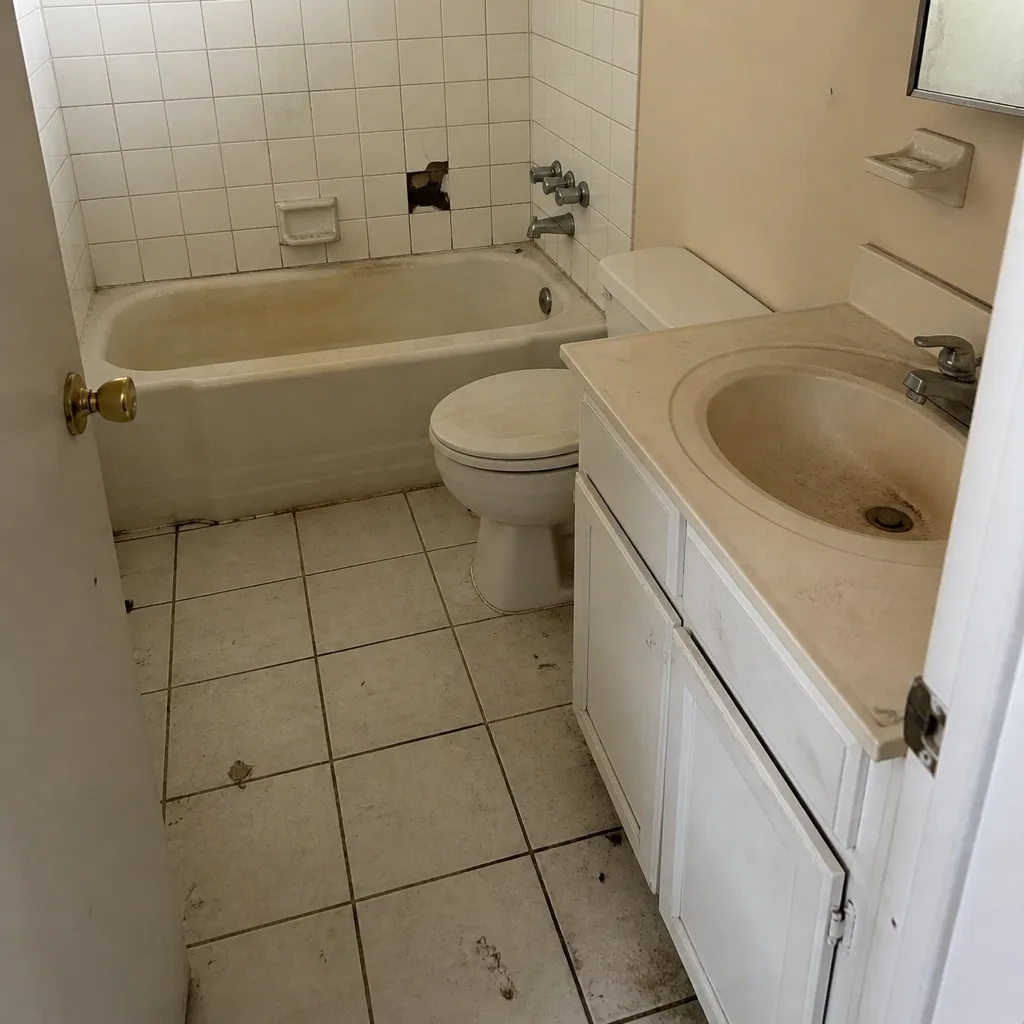 Before
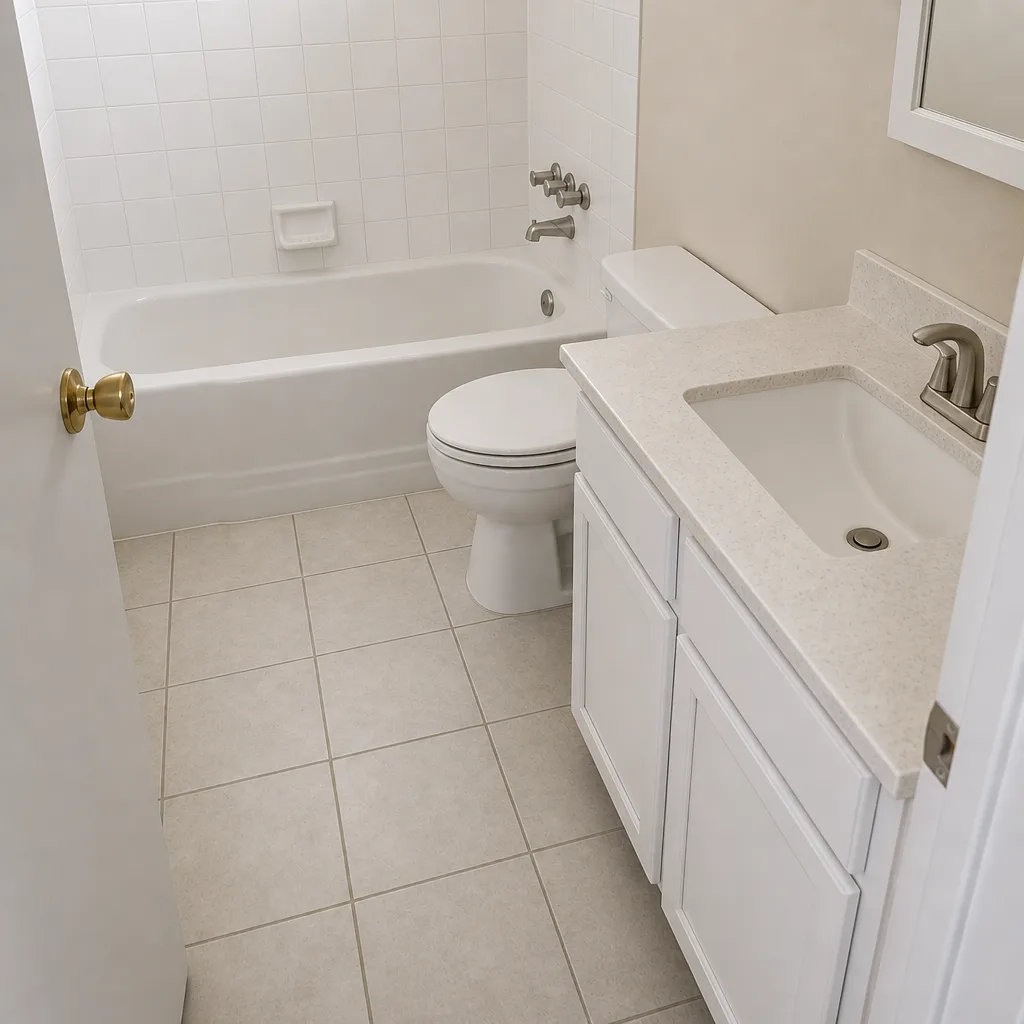 After
When to Call a Professional
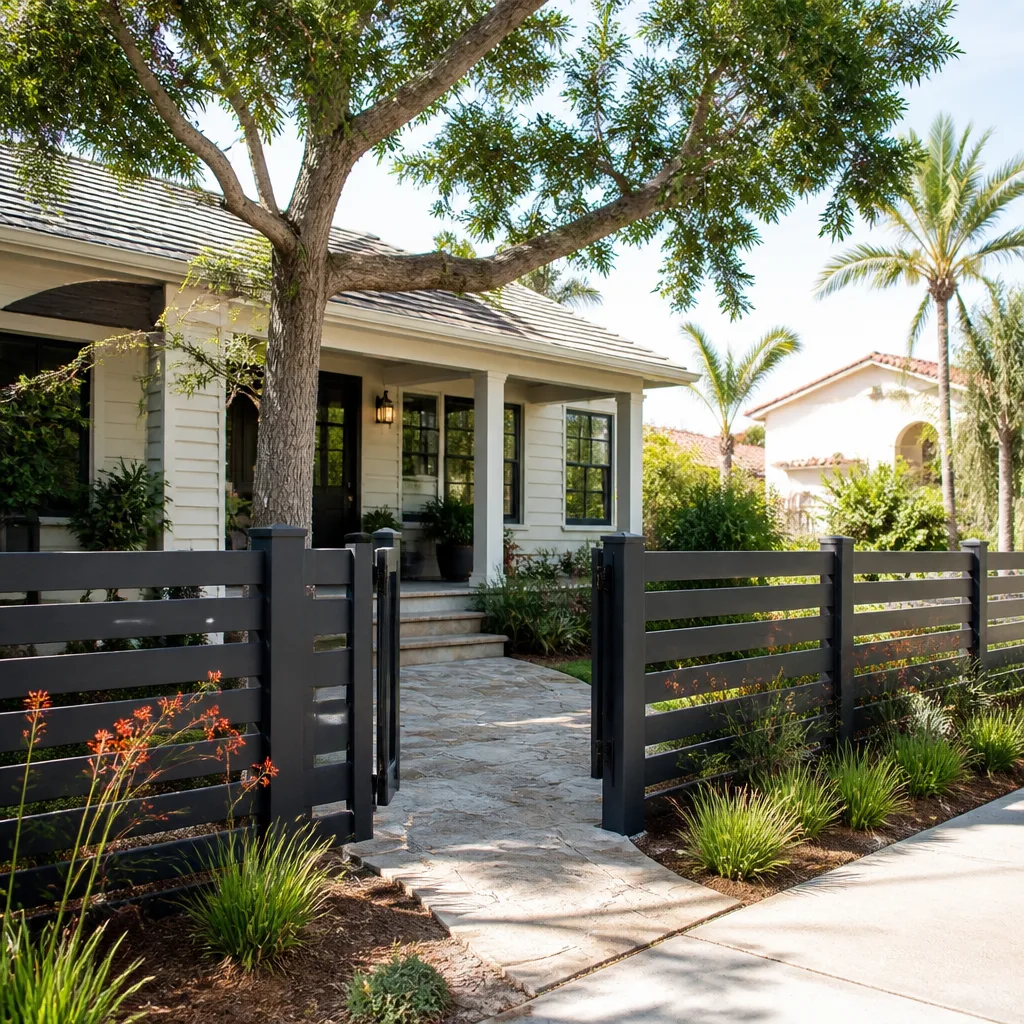
Most fence maintenance is homeowner work: cleaning, tightening, an October sealing day with a brush and a can of stain. The calls we take in Richardson are for the cases that aren’t. Multiple posts failing the push test in one season. A fence that needs replacement, not refinishing. A gate that no longer aligns even after hinge and latch work. A custom fence line where the layout itself is still unresolved. Ice or storm damage that’s left a section standing but compromised. And anything where the homeowner wants the work covered by a real warranty instead of a handshake.
Groundwork Construction Co. of Richardson offers free estimates in Richardson. Call (833) 954-4985 to schedule yours, and you’ll get an upfront written price with no change orders, no vague bid, and the 730-Day Done Right Promise standing behind the work. Calls are answered by a live person around the clock, so you’ll talk to someone today, not wait until Monday.
Frequently Asked Questions
Every 2 to 4 years, in October or early November when the wood is stable and the weather is mild. A fence that’s still holding a solid coat after three years can wait one more season, but a fence showing grey or water-beading failure on more than a quarter of its span is ready now. Call (833) 954-4985 for a free estimate if you’d rather hand off the refinish.
No. Fast-dry formulas don’t solve the underlying problem, which is the wood’s state in July heat. Richardson summers dry the surface of the boards while the interior stays stressed, and any sealant applied in that state fails within a season. Wait for October. The wait costs you four months; the mistake costs you a full redo.
Push each post at chest height with one hand. Any movement over about half an inch is structural failure. Movement under a quarter inch is early and usually fixable with a brace or reinforcement. Do the test in fall, before the ground cools, and don’t wait for visible lean to start checking.
Only at low pressure (under 1,200 PSI) and only if the boards are genuinely dirty. Cedar grain is soft and strips fast under a high-pressure pass. For most fences, a garden hose, a soft brush, and a mild soap solution does the job and leaves the wood far healthier. Call (833) 954-4985 if you want our read on whether your fence needs washing or refinishing before we show up.
Twelve to eighteen years on a normal maintenance schedule, with the first ten years being the true maintenance window and the years after being decision time. Posts and hardware are the limit, not the boards. A fence with healthy posts and clean boards can run toward the top of that range; a fence with ignored posts will land well below it.
Replace the affected boards and investigate the source of the moisture. Rot at the bottom edge in a Richardson fence almost always comes from one of three sources: sprinklers hitting the fence line, soil piled against the base, or a neighbor’s drainage running toward the fence. Replacing boards without fixing the source just moves the rot a board over. Call (833) 954-4985 for a free estimate on the repair and a read on the underlying cause.
Both. We install new fences and replace failing ones, and we bring the same material selection discipline and 730-Day Done Right Promise to fence work that we do to kitchens, roofs, and additions. Our technicians have up to 12 years of experience, and every job gets a written upfront price without change orders.
The Bottom Line
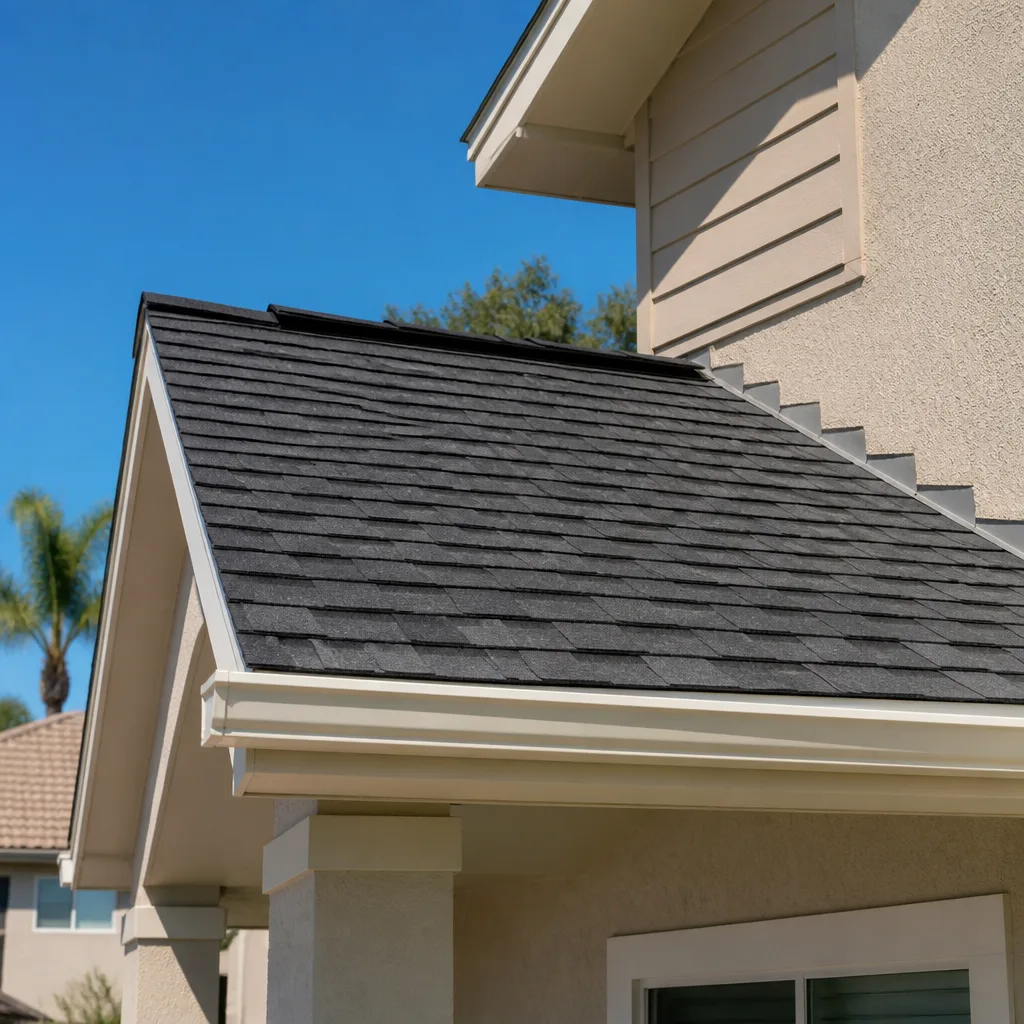
Cedar fence care in Richardson works when the schedule follows the seasons instead of the calendar year. Inspect and clean in spring, leave the stain alone in summer, do the real work in October and November when wood is stable and weather cooperates, and use winter for observation instead of action. The push test is the highest-value check on the list; it catches post failure years before a fence visibly leans. The 5-year mark is when you start honestly asking whether the fence is being maintained or being delayed, and the answer is usually obvious from post count and picket condition. When the work crosses from maintenance into replacement, that’s when it’s worth a call.
Groundwork Construction Co. of Richardson has been building and maintaining across every trade since 2014, from foundation to finish line. We use trusted brand partners, techs who show up background-checked and uniformed, and an upfront pricing model that puts the number on paper before any work starts. Estimates are free, and the 730-Day Done Right Promise covers the craftsmanship on the work we do. If you’re ready to talk through what your fence needs, call (833) 954-4985 for a free estimate. You’ll reach a live person, not voicemail.
Written by the team at Groundwork Construction Co. of Richardson.