Last updated November 18, 2026




Free written scope consultation - allowances, timeline, and change-order rules on paper before a single trade is scheduled
Seasonal Construction Care for Richardson: Year-Round Homeowner’s Guide
The best time to seal a concrete driveway in Richardson is October. Most homeowners do it in April, right before the summer heat that causes fresh sealant to bubble and peel within 90 days. That single mismatch between our climate and the standard maintenance calendar explains a lot of the premature wear we see across Richardson neighborhoods. North Texas doesn’t hand you four equal seasons. You get a wet spring, a scorched summer, and two narrow windows of opportunity in fall and early winter when exterior work actually performs at its best. This guide maps home care decisions to that real rhythm.
Styles & brands we work with
- Kitchen remodeling
- Bathroom remodeling
- Home additions & ADU
- Roofing
- Windows & doors
- Driveway & pavers
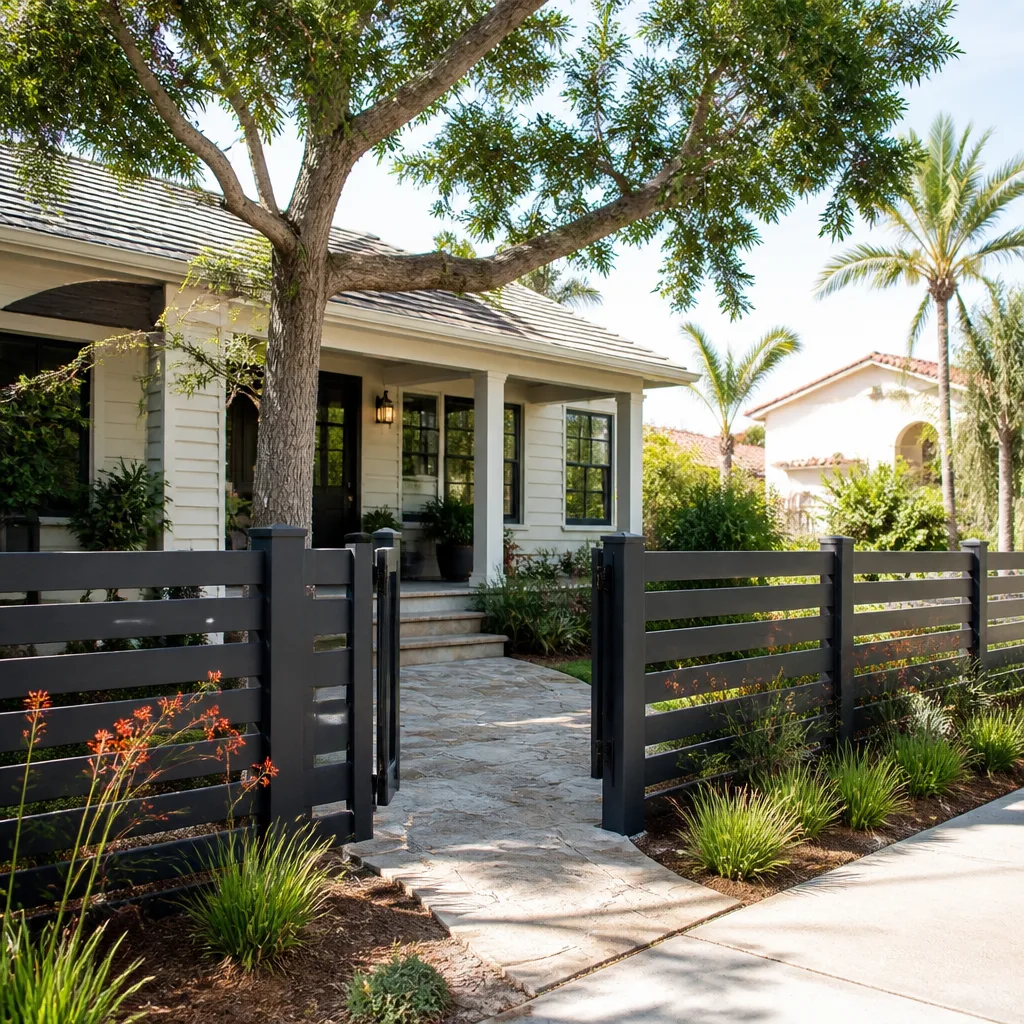
- Fence
Quick Answer
For Richardson homeowners, the highest-value window for exterior construction, concrete work, roofing, and foundation repair is October through November, when temperatures moderate and soil moisture stabilizes. Spring is for storm prep and inspection before March hail season, summer is for foundation moisture management and interior projects, and winter is for interior remodels plus freeze protection on exposed plumbing and fresh concrete. Build your maintenance schedule around weather transitions, not calendar quarters.
Table of Contents
- Why Richardson’s Climate Doesn’t Fit a Standard Maintenance Calendar
- The October-November Window: Richardson’s Highest-Value Construction Season
- Spring Storm Prep: Your Pre-March Inspection Checklist
- Summer Drought and Foundation Movement: What Soaker Hoses Actually Do
- Winter in North Texas: Freeze Events and What They Break
- Matching Exterior Projects to Richardson’s Weather Windows
- Building Your Rolling 12-Month Maintenance Schedule
- Common Mistakes to Avoid
- When to Call a Professional
- Frequently Asked Questions
- The Bottom Line
Why Richardson’s Climate Doesn’t Fit a Standard Maintenance Calendar
Most seasonal home care advice floating around the internet was written for a climate with four roughly equal seasons and consistent rainfall. Richardson doesn’t work that way. We sit in the Blackland Prairie soil zone, and our weather swings between two extremes: a spring that can dump several inches of rain in a week, and a summer that bakes the same soil until it shrinks away from the slab. Those aren’t minor variations. They’re the two forces that do the most structural damage to homes in Richardson.
The practical consequence is that a maintenance calendar built for Ohio will have you sealing your driveway at exactly the wrong moment, planting new sod in July, and pouring concrete in August when the mix cures too fast under sustained 100-degree heat. We’ve watched homeowners in the Heights Park and Canyon Creek areas learn this the expensive way.
What does fit Richardson is a transition-based schedule. You do inspection and prep work before each weather change, not after damage appears. That means:
- Late winter (February): Storm-readiness inspections on the roof, drainage, and exterior envelope before hail season.
- Spring (March-May): Interior projects while exterior work fights rain delays; watch drainage after heavy events.
- Summer (June-September): Foundation moisture management; interior remodels; avoid fresh concrete and sealant work.
- Fall (October-November): The prime exterior window. Concrete, sealant, roofing, fence, pavers, painting, grading.
- Winter (December-January): Interior remodels and freeze prep on plumbing and any new concrete.
That rhythm is the backbone of everything below.
The October-November Window: Richardson’s Highest-Value Construction Season
Fall is when Richardson construction performs at its best, and it’s the window that fills up first. From roughly the second week of October through Thanksgiving, daytime highs settle into the 70s, overnight lows stay safely above freezing, and the ground holds enough residual summer moisture to cure concrete evenly. That’s the combination exterior work needs.
Why does that matter so much for concrete? Fresh concrete cures by chemical reaction, and that reaction is temperature-sensitive. Pour in August and the surface can flash-dry while the interior is still wet, which causes surface cracking and dusting. Pour in January during a freeze event and the water inside the mix can freeze before the concrete has gained strength, which causes spalling and permanent weakness. October sits in the sweet spot where the pour cures slowly and evenly, and a sealer applied in that window bonds properly instead of trapping moisture.
What to book in the October-November window, in priority order:
- Concrete and pavers. Driveways, walkways, patios, and new paver installs. Sealing existing concrete or pavers should happen now, not in spring.
- Roofing. Shingle work, flashing repairs, and full replacements. Cooler temperatures are easier on crews, and you get the new roof inspected before spring storms.
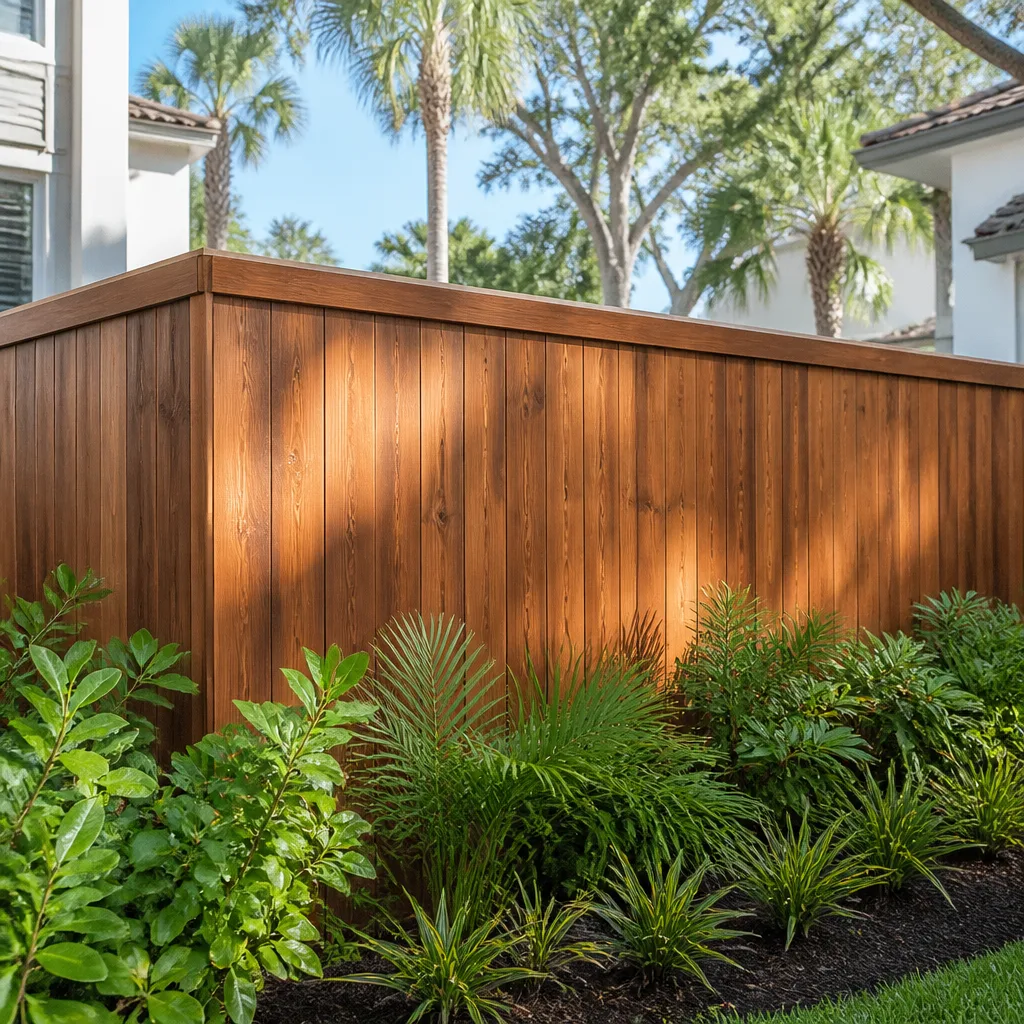
- Fencing. New fence installation goes faster when post holes don’t fight summer-hardened clay. See our Fence Installation in Richardson page for material options built for North Texas wind.
- Exterior painting and siding. Paint needs temperatures between 50 and 85 degrees to cure properly. Fall delivers that; August doesn’t.
- Grading and drainage work. Regrading a yard to move water away from the foundation is best done when the soil is workable but not saturated.
The catch is booking. If you want an October start, get your estimate in late August or early September. Slots for the prime fall window in Richardson routinely fill a month or more out.
Spring Storm Prep: Your Pre-March Inspection Checklist
March through May is North Texas hail and wind season, and the damage from a single storm can undo years of small repairs you didn’t make. The right time to inspect is February, before the first front rolls through. Here’s the checklist we walk Richardson homeowners through before storm season.
Roof and Roofline
Look for lifted, curling, or missing shingles, particularly on south and west-facing slopes where sun exposure is highest. Check the flashing around chimneys, vents, and where the roof meets a wall. If you have a GAF or Owens Corning shingle roof, check the granules in your gutters; heavy granule loss signals a roof near the end of its life, and a storm will finish it off. Get a professional inspection if you see sagging or any sign of water intrusion in the attic.
Drainage and Grading
Walk the perimeter of your home after a rain and look for standing water. Soil should slope away from the foundation at roughly six inches of drop over the first ten feet. Clear gutters and downspouts; downspouts should discharge at least four feet from the foundation. Poor drainage in spring is the number one contributor to foundation problems we see in Richardson, because saturated clay expands and pushes against the slab.
Structure and Envelope
Check exterior caulking around windows and doors, look for soft spots in wood trim, and test that your sump pump or drainage system is working before you need it. If you’re planning an addition or ADU, spring inspection is a good time to think about structural tie-ins; our Home Additions & ADU in Richardson page covers what that involves.
Fence and Yard
Check fence posts for wobble after winter. A leaning post is a much cheaper fix in February than a fallen fence panel after a March windstorm.
Summer Drought and Foundation Movement: What Soaker Hoses Actually Do
Richardson’s clay soil expands when wet and shrinks when dry, and summer is when it shrinks the most. Over a long dry stretch, the soil pulls away from your foundation, and that loss of support can open cracks in interior drywall, stick doors in their frames, and cause floors to slope. This is the single biggest seasonal threat to Richardson homes, and it’s the one homeowners underestimate most.
The mitigation is moisture management. A soaker hose laid roughly 18 inches from the foundation, run a few times a week during dry spells, keeps the soil under and around the slab from drying to the point of shrinkage. It isn’t a cure for foundation problems, but it’s the cheapest prevention available. A few things to get right:
- Water consistently, not heavily. A slow soak that keeps soil uniformly moist beats a heavy drench that saturates the surface and runs off.
- Watch the seasonal pattern. Run the hose during extended dry stretches, June through September, and back off during wet periods.
- Look for the warning signs. New cracks in drywall or brick, doors that stick in summer and free in winter, and gaps at the corners of window frames all point to movement.
- Don’t ignore plumbing leaks. A slow leak under the slab keeps one area saturated while the rest dries, which is worse than uniform dryness.
If you’re already seeing crack patterns or doors that no longer close cleanly, a foundation assessment is worth the call. Catching movement early usually means a smaller repair than catching it a season later. This is exactly the kind of inspection that belongs on your calendar before the heat sets in.
Winter in North Texas: Freeze Events and What They Break
North Texas freezes are infrequent, which is precisely why they do so much damage. Homes here aren’t built with the deep freeze protection you’d find in Minnesota, so a hard freeze event in Richardson can burst exposed pipes, crack freshly poured concrete, and damage landscaping that wasn’t hardened for a hard chill. The February 2021 freeze made this plain to everyone in the region.
Winter construction considerations for Richardson:
- Fresh concrete is vulnerable. Concrete poured within the previous week needs protection if a freeze is forecast. It should be covered and kept above freezing until it’s gained enough strength. That’s one reason we schedule concrete in the fall, not late in the year.
- Protect exposed plumbing. Insulate pipes in crawl spaces, garages, and exterior walls. Disconnect garden hoses and shut off exterior spigots.
- Cover tender plants. Standard freeze prep; skip it and you’ll be replanting in spring.
- Keep the heat on. Overnight interior temperatures below 55 degrees raise the risk of freezing interior plumbing in poorly insulated areas.
- Watch new construction schedules. If a project is underway and a freeze is coming, the schedule needs to account for it. This is a real planning factor for winter additions and remodels. See our Home Additions & ADU in Richardson page for how we sequence winter work.
Winter is also the best time for interior projects. Kitchen and bathroom remodels don’t depend on the weather, and scheduling them in December through February keeps your home’s exterior free for the fall window when the weather-dependent work actually gets done. Pair a winter kitchen remodel with a fall roof and concrete job, and your year is spent productively.
Matching Exterior Projects to Richardson’s Weather Windows
Not every job benefits from the same window. Here’s how we’d sequence the major exterior categories through a Richardson year.
Roofing
Best in fall, workable in spring, risky in summer heat and winter freezes. A roof replacement in October gets you new shingles that have time to seal before the spring storm season. Emergency repairs happen year-round, but planned replacements belong in the fall. If your roof is 15 to 20 years old and you’re seeing granule loss or attic moisture, that’s a replacement decision to price in the fall.
Driveways and Pavers
Concrete and paver installs want the October-November window. Sealant work absolutely wants the fall; a spring sealant job often bubbles and peels within 90 days under summer heat. For material selection and installation details on concrete versus pavers, see our Driveway & Pavers in Richardson page.
Fencing
Fall and early spring are best. Post holes dig easier when the clay isn’t summer-hard or winter-wet. A well-set fence is also your first line of defense against spring wind damage.
Windows and Doors
Fall or spring, primarily because the work involves opening the house to the weather. Brands like Andersen and Marvin are worth pricing in the fall window when lead times are typically shortest. This is also a good time to catch failing seals before summer heat stress.
Home Additions and ADUs
These are typically interior and structural, so they’re less weather-sensitive for the main build, but foundation, framing, and roofing tie-ins should be sequenced around the fall window. Plan the schedule with your contractor accordingly.
Painting and Siding
Fall, spring, and mild winter days. Avoid both summer heat and freezing temperatures. Proper temperature is what makes paint last.
Building Your Rolling 12-Month Maintenance Schedule
The core idea here is simple: inspection work happens before each weather transition, not after damage appears. A rolling schedule means every task has a specific month attached to it, so nothing gets skipped when life gets busy.
Here’s a rolling schedule built for a Richardson home. Print it, put it on the fridge, and check it off as you go.
- February: Pre-storm inspection. Roof, gutters, drainage, caulking, fence. Fix what you find before March.
- March through May: Drainage checks after heavy rain; interior projects; watch for soil saturation and foundation movement. Book your fall exterior projects now if you haven’t already.
- June through September: Foundation moisture management (soaker hose); interior remodels; avoid fresh concrete and sealant work; monitor for plumbing leaks that keep the slab wet in one spot.
- October through November: The prime exterior window. Concrete, sealant, roofing, fencing, paver installs, painting, grading. This is the window to protect.
- December through January: Winterize: insulate exposed pipes, disconnect hoses, cover plants. Start interior remodels. Watch concrete cure if you poured late in the season.
- Year-round rolling task: Note any interior cracks, sticky doors, or floor slopes and recheck them quarterly. A pattern of change over time tells you whether it’s cosmetic or structural.
The complete maintenance year, done right, looks like this:
- Inspect in February before storm season.
- Manage moisture in summer with the soaker hose and quarterly observation.
- Build and seal in October-November when the weather cooperates.
- Winterize and go inside in winter with interior projects and freeze protection.
That’s the whole framework. Everything else is detail.
Common Mistakes to Avoid
Here are the specific, Richardson-relevant mistakes we see most often, and how to sidestep each one.
- Sealing concrete or pavers in spring. Fresh sealant applied before summer gets baked by 100-degree heat and bubbles within weeks. Wait for October.
- Pouring concrete in August or January. Rapid surface drying in summer and premature freezing in winter both weaken the pour. The October window exists for a reason; use it.
- Letting the foundation dry out in summer. Clay shrinks when dry, and the resulting movement shows up as interior cracks and sticking doors. A soaker hose during dry stretches costs almost nothing compared to foundation repair.
- Ignoring drainage in spring. Saturated soil pushes on the foundation. Slope the ground, extend downspouts, and keep gutters clear. This is the cheapest preventive work you can do.
- Skipping the fall booking. If you wait until October to call, you’ll be told there’s no room. Richardson’s fall window fills up. Book your estimate in late summer.
- Treating freeze prep as optional. North Texas isn’t built for deep freezes, and that’s the point. Insulate exposed pipes, disconnect exterior spigots, and protect fresh concrete when a hard freeze is forecast.
- Delaying small repairs. A lift in one shingle, a small paver, a wobbly fence post – fixing them now costs a fraction of what a storm-damaged version will cost later.
When to Call a Professional
Some tasks belong in your own weekend schedule. Others need a trained eye and a licensed crew. Call a professional if you see a new crack that’s widening, doors that stick in summer and free in winter (a sign of foundation movement), a roof with missing or lifted shingles, standing water against the foundation after a rain, or any plumbing that leaks under the slab. Roof and foundation work in particular are not DIY territory; both carry genuine safety and structural risk.
Also call a pro before you book an exterior project. Pricing and scheduling in the fall window go better when you’re early. Groundwork Construction Co. of Richardson offers free estimates in Richardson. Call (833) 954-4985 to schedule yours. A qualified contractor will price the work in writing, so there are no surprises.
Frequently Asked Questions
October through November is consistently the best window for exterior projects, including concrete, sealing, roofing, fencing, and painting. Temperatures moderate, concrete cures evenly, and sealant bonds properly. Book in late summer to secure the window; it fills fast.
About every two to three years, and preferably in October or November. Sealing too soon after summer, or too early in spring before consistent warm weather, keeps the sealant from curing properly and shortens its life.
Sticking doors in summer usually mean foundation movement. Clay soil shrinks as it dries, and that can shift the slab slightly, which shows up as doors that stick in summer and free up in winter. If the pattern repeats, get it looked at.
Yes, during extended dry spells from June through September. A slow, consistent soak roughly 18 inches from the foundation keeps the clay soil from shrinking away from the slab. It’s the cheapest foundation-movement prevention available.
Insulate exposed pipes, disconnect garden hoses, shut off exterior spigots, cover tender plants, and keep interior heat above 55 degrees. If you have fresh concrete, protect it until it’s gained strength; the first week is the most vulnerable.
Book in late August or early September for an October-November start. Fall is the window that fills first, and waiting until October to call usually means a spring slot instead. Call (833) 954-4985 to get an estimate on the calendar.
The Bottom Line
Richardson doesn’t give you four equal seasons, and a maintenance calendar built for somewhere else will cost you money. Inspect and prep in February before storm season. Manage soil moisture through the summer with a soaker hose and watch for foundation movement. Do your exterior construction and sealing in October and November, when the weather actually cooperates. Winterize and shift to interior work through December and January. Build the schedule around weather transitions, book the fall window early, and fix small problems before a storm fixes them for you. That’s the whole system. It works because it’s built for Richardson.
If you’d like an estimate on any of the work described here, or a second opinion on something you’ve found during an inspection, we’re ready to help. Groundwork Construction Co. of Richardson offers free estimates and design consults, upfront pricing with no surprises, and our 730-Day Done Right Promise backed in writing. Call (833) 954-4985 for your free estimate.
Written by the team at Groundwork Construction Co. of Richardson.
See the difference
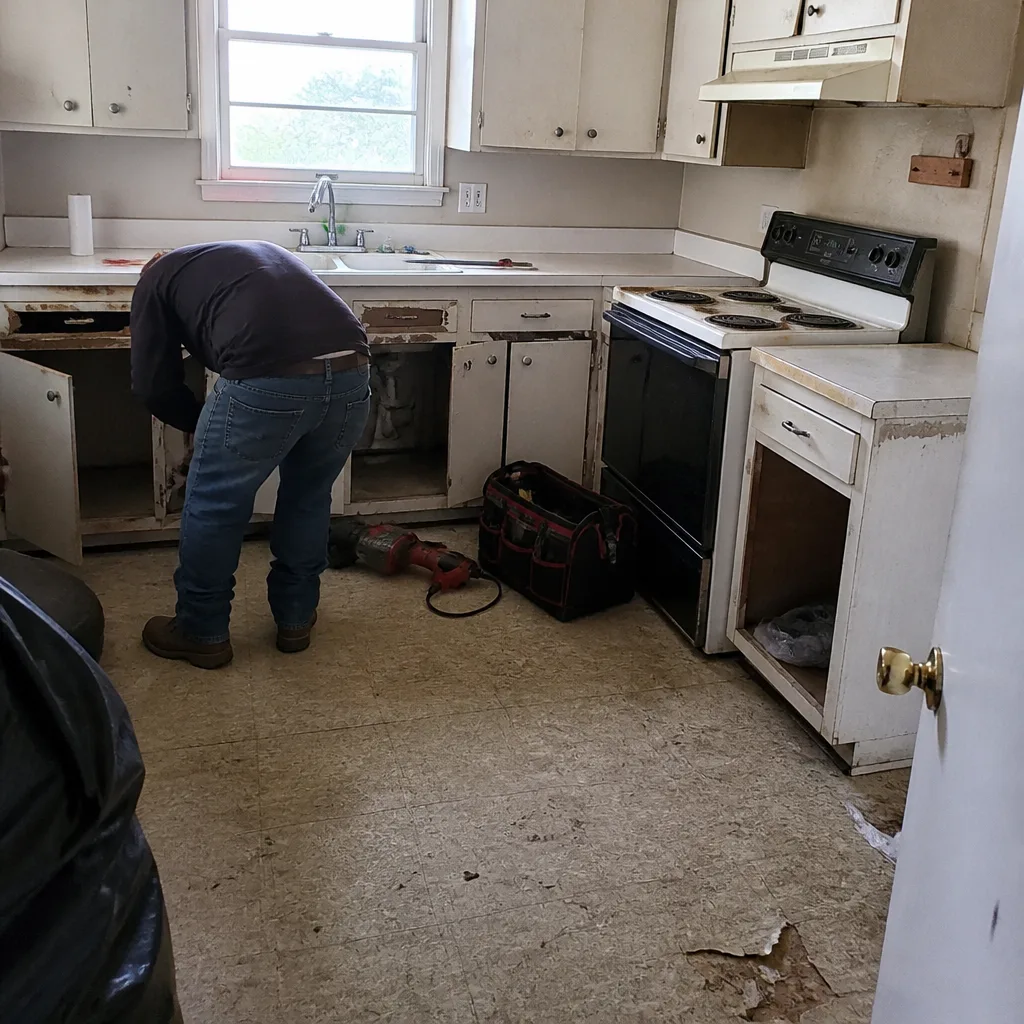 Before
 After
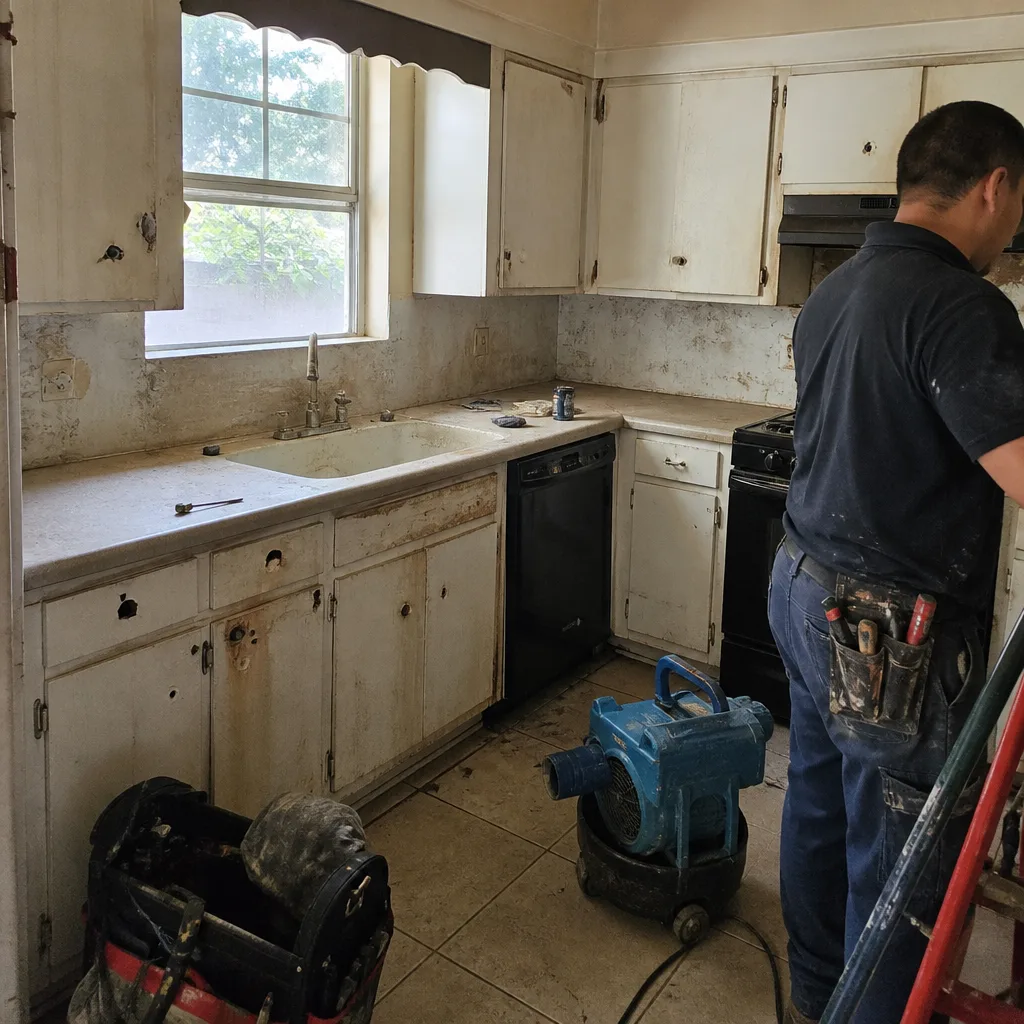 Before
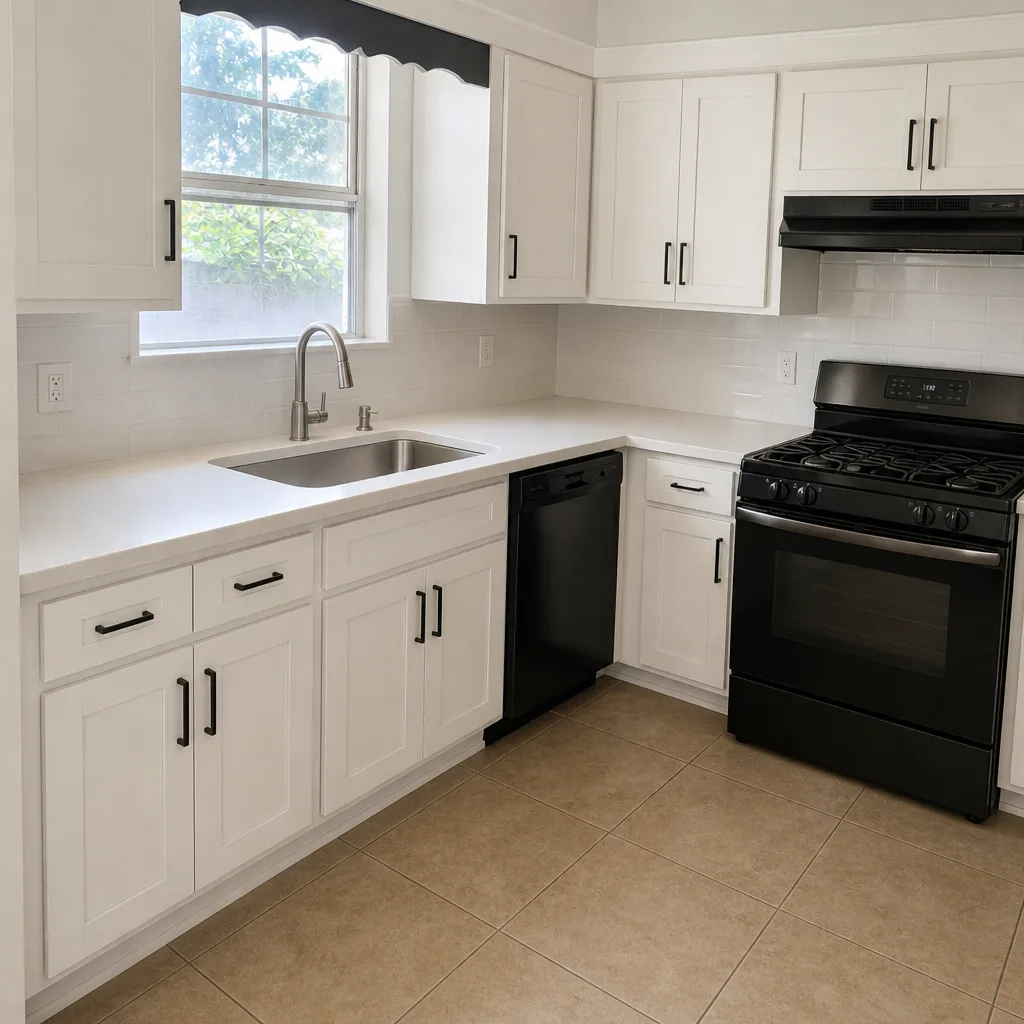 After
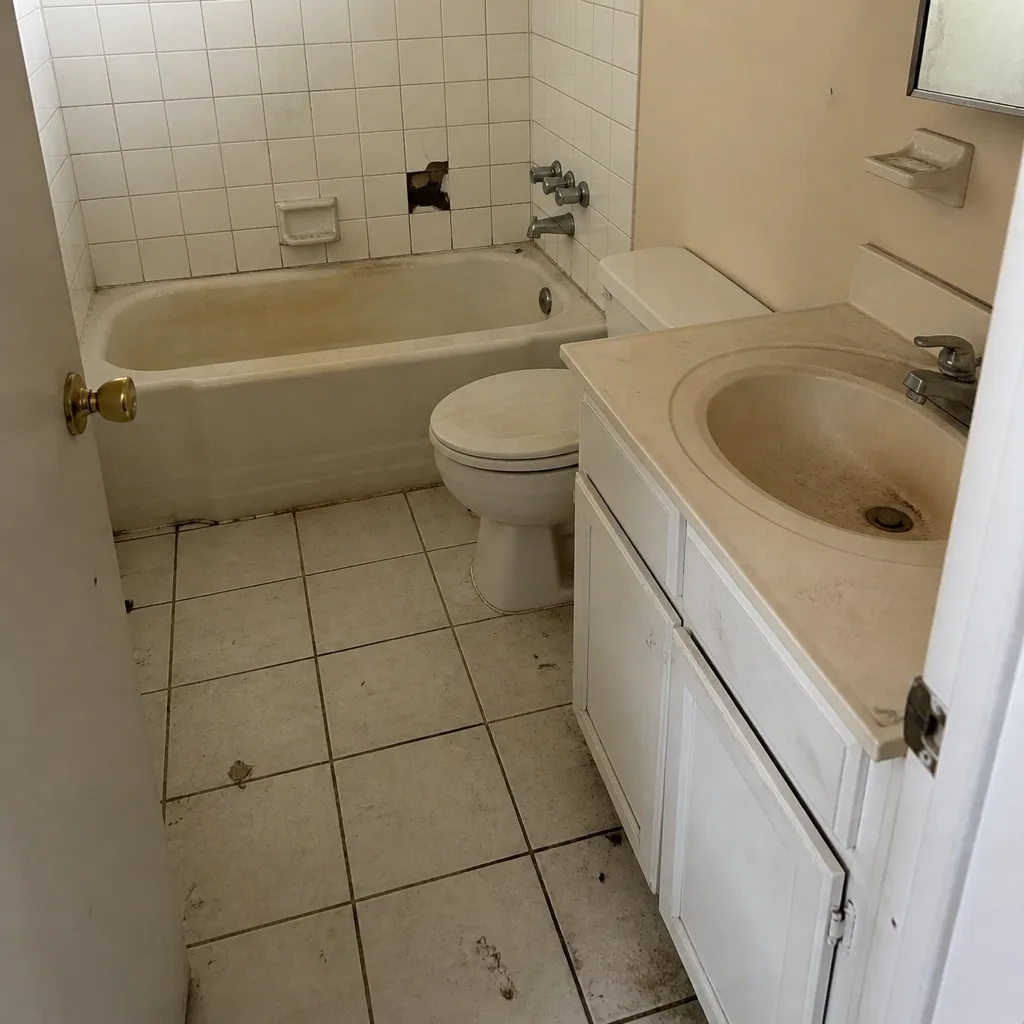 Before
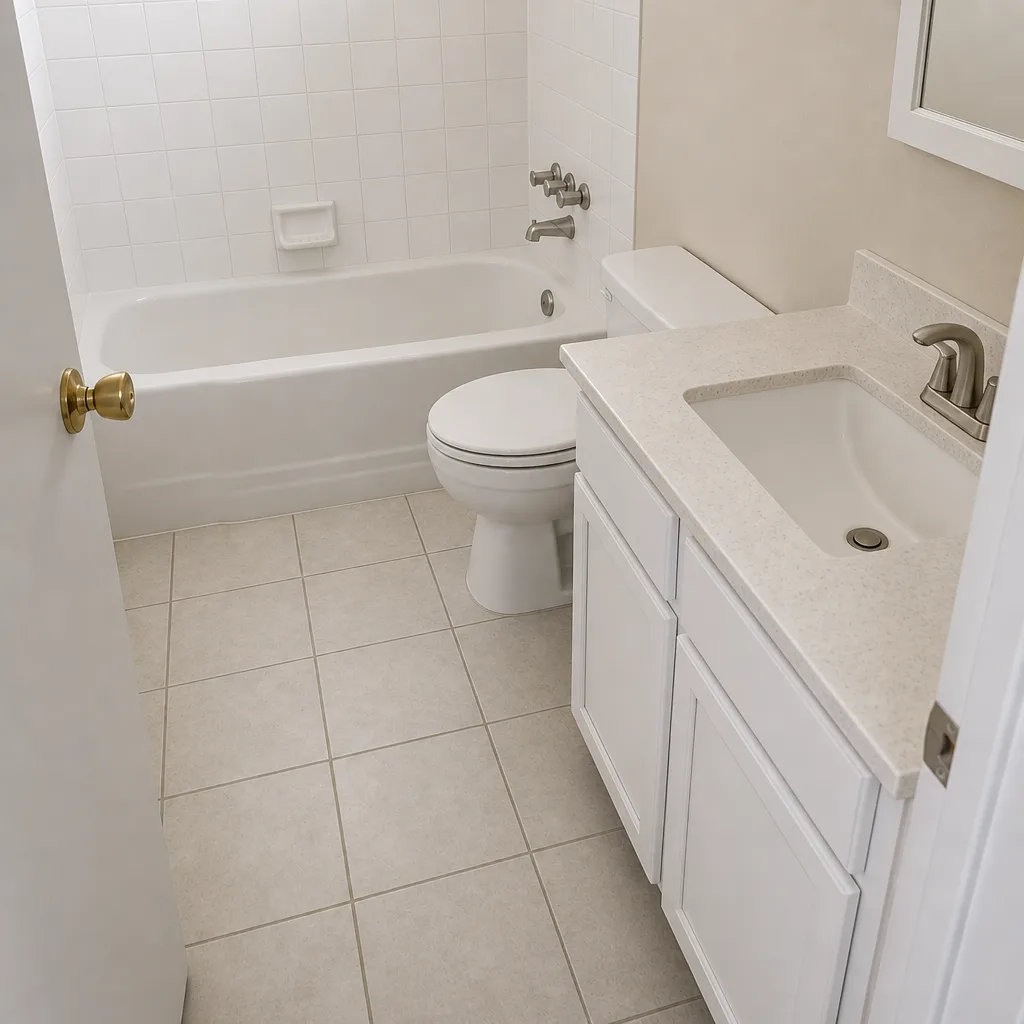 After