Last updated November 18, 2026


Free written scope consultation - allowances, timeline, and change-order rules on paper before a single trade is scheduled
DIY vs Professional Bathroom Remodeling: What’s Safe to Do Yourself
Painting your vanity is DIY. Moving a drain six inches is a permit, a licensed plumber, and a city inspection, and skipping any one of those three can kill a home sale. That line between cosmetic work and systems work is the only distinction that matters when you’re deciding what to touch yourself. Most homeowners decide based on confidence, and confidence is the wrong measuring stick. What actually matters is what’s legally permitted in Richardson, what your insurance will and won’t cover, and what a failed shower pan costs to fix from the other side of the ceiling. This guide draws that line clearly.
Quick Answer
In Richardson, moving or extending plumbing, running new electrical circuits, relocating a toilet or drain, and any structural wall change require a city permit and licensed trades, so those are not DIY tasks. Cosmetic work that touches no pipes, wires, or framing is genuinely safe to do yourself and saves real money. Everything in between depends on whether it sits behind a wall or not.
Styles & brands we work with
- Kitchen remodeling
- Bathroom remodeling
- Home additions & ADU
- Roofing
- Windows & doors
- Driveway & pavers
- Fence
Table of Contents
- The Real Line: Aesthetic Work vs. Systems Work
- What Richardson, TX Specifically Requires to Be Licensed
- The Insurance Gap Nobody Mentions Until the Ceiling Leaks
- The Cost Comparison That Includes Rework
- Three Legitimate DIY Wins That Save Real Money
- How to Vet a Handyman Quote: Legal or Liability
- What Happens at a Richardson Permit Inspection
- How Unpermitted Bathroom Work Shows Up at Sale
The Real Line: Aesthetic Work vs. Systems Work
Bathrooms split into two categories, and they behave nothing alike. Aesthetic surfaces are the parts you look at: paint, tile on an existing wall, mirrors, faucets, a vanity cabinet that swaps into the same plumbing position. Systems are the parts that keep the room from destroying your house: the supply lines, the drain and vent stack, the electrical circuits, the waterproofing membrane behind the tile, and any wall that carries load.
The reason this distinction matters more in a bathroom than anywhere else in the house is water. A poorly hung door is annoying. A shower pan that’s slightly off causes silent, slow damage for months and then presents you with a bill for rot repair, mold remediation, and new subfloor. We’ve opened Richardson bathrooms where a DIY tile job looked fine on the surface and the studs behind it were soft to the touch.
Here’s the practical split:
- Safe to DIY in most cases: paint, wallpaper, a like-for-like vanity swap, mirror and light fixture swaps on an existing circuit, new faucets and showerheads, caulking, hardware, shelving, and replacing an existing toilet in the same spot with the same rough-in.
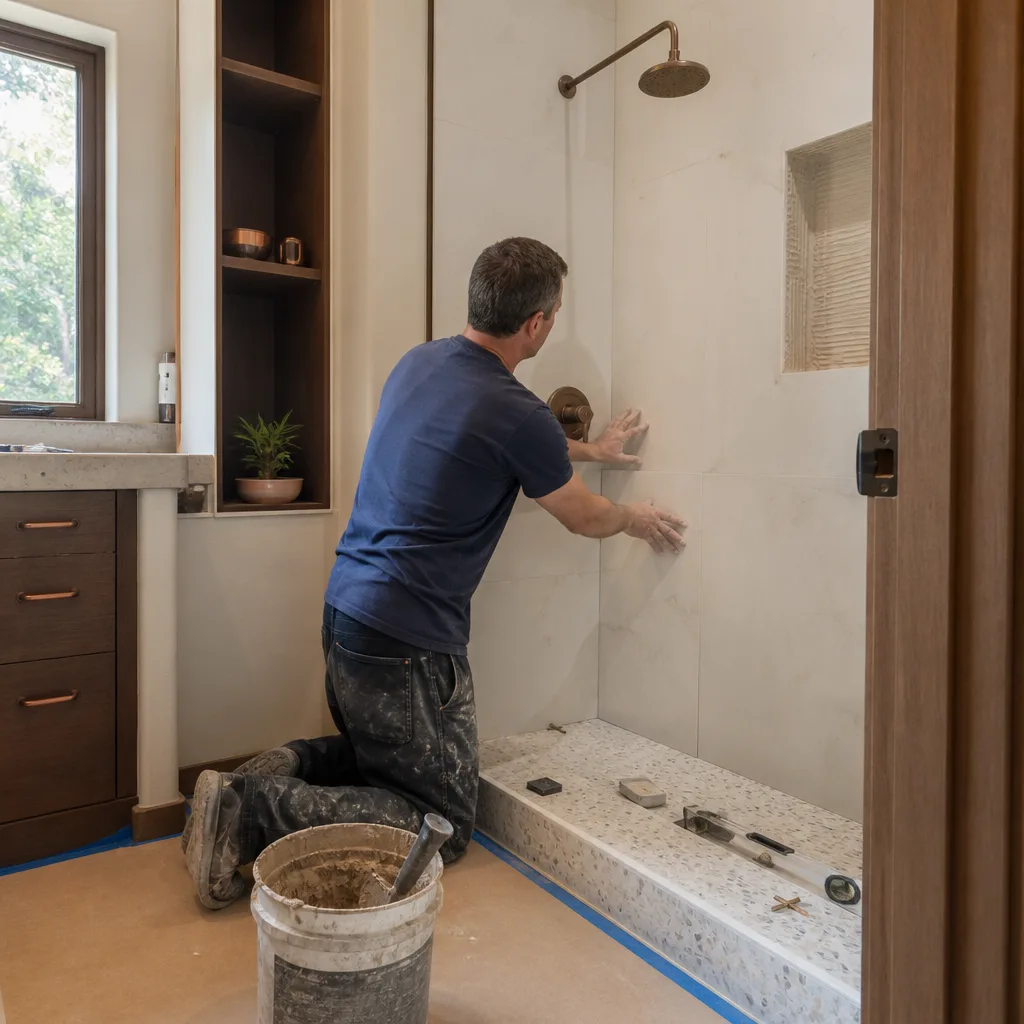
- Permit and licensed trade territory in Richardson: moving any drain or supply line, adding or relocating a toilet or sink, new electrical circuits or outlets near water, moving lights or adding exhaust fans that need new wiring, removing or altering a wall, changing a window size, and installing a curbless or custom-built shower with new waterproofing tied to the drain.
- Gray zone that needs a judgment call: replacing a tub with another tub of the same size and drain location, retiling over an existing waterproofed substrate in sound condition, and swapping a vanity that changes the drain height.
If a task moves water, moves current, moves a wall, or seals water against the structure, get a licensed professional. If it only changes what the room looks like, you can own it. This is the same reasoning we apply across our bathroom remodeling work, and it holds whether the room is a 1960s hall bath or a primary suite.
What Richardson, TX Specifically Requires to Be Licensed
Texas is unusual: the state doesn’t license plumbers, electricians, or HVAC technicians the way most states do. That surprises homeowners, and it’s exactly why vetting matters more here, not less. What you get in Texas is a mix of required state registration for plumbing companies through the Texas State Board of Plumbing Examiners, municipal permitting and inspection authority through the City of Richardson, and individual certifications for specific work like backflow prevention.
For a bathroom project in Richardson, the permit picture usually breaks down like this:
- Plumbing changes require a permit. Adding a fixture, moving a drain, relocating a toilet, or extending a supply line triggers a plumbing permit and inspection. The work needs to be performed under a licensed plumber’s registration, and the city inspects before the wall closes.
- Electrical work requires a permit and inspection. New circuits, relocated outlets, GFCI protection in wet areas, and bonding for a new tub all fall here. Richardson enforces GFCI requirements in bathrooms, and inspectors check them.
- Structural changes require a permit and often engineering. Removing a wall, widening a doorway, or reframing floor joists for a heavier tub needs a stamped plan in most cases.
- Water heater and venting work falls under plumbing and mechanical permits. If a bathroom project touches the water heater, the scope expands.
- Cosmetic-only work generally doesn’t require a permit. Paint, tile on an existing sound substrate, cabinetry swaps, and fixture replacements in the same location typically don’t trigger one, but confirm with the city before you start because scope definitions vary.
Homeowners in the Heights, Canyon Creek, and Prairie Creek areas of Richardson are often working in homes built between 1960 and 1990, where original cast iron drains and galvanized supply lines are at end of life. Those projects almost always cross into permitted plumbing territory, because the drain you can see is rarely the one that’s failing.
The Insurance Gap Nobody Mentions Until the Ceiling Leaks
Homeowner’s insurance covers sudden, accidental discharge of water. What it typically does not cover is damage caused by work that was never permitted, was performed by an unlicensed person, or violated code. Policies differ, and you should read yours, but the pattern is consistent enough to plan around: insurers investigate causes, and unpermitted work is one of the causes they use to deny or limit a claim.
Picture the common scenario. A homeowner in Richardson DIYs a shower, saves a few thousand dollars, and eighteen months later the pan fails and water reaches the ceiling below. The adjuster finds no permit on record, identifies improper waterproofing, and the claim becomes a negotiation rather than a payout. The water damage is a five-figure repair, and the homeowner is funding it alone.
There’s a second gap that catches people: contractor liability. If you hire an unlicensed handyman to move a drain and he floods the house, his general liability policy likely excluded unlicensed plumbing work, or he didn’t carry insurance at all. Your recourse is small claims court. A licensed, insured contractor carries coverage that responds when something goes wrong on the job.
Ask two questions before any bathroom work begins:
- Will this require a permit, and who is pulling it? Never let a crew tell you a permit isn’t needed for work that plainly is.
- Does the person doing the work carry general liability and workers’ compensation coverage, and can they produce a certificate?
This is part of why we structure projects with documents in hand, and why a written 730-Day Done Right Promise matters to us: if something goes wrong after we leave, the homeowner has a document and a company to call, not a phone number that goes quiet.
The Cost Comparison That Includes Rework
The DIY math most people run compares the cost of materials to the contractor’s bid. That comparison is incomplete, and rework is the reason. Industry rework data consistently shows that remediation of a failed DIY bathroom job runs higher than the original professional bid, because you pay twice for labor and materials and then pay a premium for demolition and repair.
A realistic range for a full hall bathroom remodel in the Richardson market sits in the tens of thousands, and the finished line depends heavily on tile selection, fixture grade, and the condition of what’s behind the walls. The DIY path doesn’t remove that cost, it redistributes it.
Consider the line-item reality:
- A permitted professional shower replacement: priced upfront with the waterproofing, drain connection, and inspection included.
- A DIY shower that fails: original material cost, plus demolition, plus rot and mold repair, plus a professional redo, plus possibly a home insurance premium increase or a denied claim.
- A DIY electrical mistake: the cost of the fix plus the possibility of a fire claim denial if the work was unpermitted.
- A DIY plumbing leak behind a wall: repair of the plumbing, the drywall, the cabinet, and potentially the flooring in the room below.
The one thing that shifts the math in your favor is honest scope. If you take the cosmetic work yourself and let a licensed pro handle the systems, you keep the savings and eliminate the rework risk. That’s the version of DIY that pencils out in Richardson.
Three Legitimate DIY Wins That Save Real Money
These are the tasks where we honestly tell homeowners to roll up their sleeves. They don’t require permits, they don’t reduce your insurance coverage, and the failure mode is a cosmetic imperfection rather than a five-figure repair.
1. A like-for-like vanity swap. Pull the old vanity, set the new one in the same footprint without moving the drain or supply lines, reconnect the existing shutoffs, and re-caulk the back edge. The savings are real because demolition of old cabinetry is a labor line item. The rules: don’t cut into the drain, don’t move the shutoffs, and don’t disturb the wall behind if there’s any sign of water staining.
2. Mirror and light fixture updates. Replacing an existing fixture with a new one on the same circuit is a homeowner-level task in most cases. Turn the breaker off, verify it with a tester, land the wires on the same connections, and reinstall. If you find a box with a mystery wire, call an electrician. Same for the mirror: patch and paint, then hang the new one on a hardware system rated for its weight.
3. Paint and hardware. A full bath repaint in a bath-rated finish, new towel bars, a new toilet seat, new knobs, and a new showerhead together cost a few hundred dollars and transform the room. This is where the highest return per dollar of DIY labor lives. A note for Richardson homes with older drywall: use a bath-specific paint with mildew resistance, because the humidity cycle in a North Texas summer is unforgiving.
Everything on that list can be done over a weekend, and none of it will wake you up at 2 a.m. worrying about a pipe.
How to Vet a Handyman Quote: Legal or Liability
A handyman can legally do a lot of bathroom work in Texas. A handyman cannot legally perform plumbing or electrical work that requires a licensed professional, and he cannot pull permits on your behalf for work that requires a licensed contractor. When we look at a quote from a handyman that’s dramatically under a contractor’s bid, we ask what’s missing. The answer is usually one of four things:
- The permit. Nobody’s pulling it, and your insurance knows.
- The licensed trade. Plumbing or electrical is being handled by someone without a license or registration.
- The insurance. The quote is cheap because there’s no general liability policy behind it.
- The waterproofing. Skipping the membrane or using the wrong board is invisible until it fails.
Screen a handyman quote with these five questions:
- Will you pull the permit for the plumbing and electrical work, and are you registered or licensed to do so?
- Can you show me your general liability certificate and your workers’ compensation certificate?
- Who specifically will do the plumbing, and do they hold a Texas plumber’s registration or license?
- What brand and type of waterproofing goes behind the tile, and what does the manufacturer’s install spec say?
- What’s the written warranty, and who stands behind it if the company isn’t around next year?
If a quote is missing the permit and the certificates, it isn’t a deal. It’s a liability you’re carrying.
What Happens at a Richardson Permit Inspection
For any Richardson project with a permit, plan on at least two inspections on a bathroom remodel: a rough-in inspection before the walls close, and a final inspection after finishes. The rough-in can cover plumbing, electrical, and framing. The inspector is checking a specific list you want to satisfy on the first try.
What inspectors in Richardson typically verify in a bathroom:
- Plumbing rough-in: proper slope on drain lines, correct venting, water supply sizing, and the absence of unapproved fittings.
- Electrical rough-in: correct box fill, GFCI protection in wet zones, dedicated exhaust fan wiring, and proper bonding where required.
- Framing: header sizing if a wall opening was added, blocking behind grab bars or a wall-hung vanity, and any structural change matching the stamped plan.
- Final: fixtures installed and functioning, exhaust vented outdoors, GFCI tested, and the shower enclosure completed per the manufacturers’ waterproofing spec.
Most of the failed inspections we see come down to a missing GFCI, a vent termination routed into the attic instead of outdoors, or a shower built without a waterproofing membrane. All three are avoidable with a licensed crew.
How Unpermitted Bathroom Work Shows Up at Sale
Permits leave a paper trail at the city. When your buyer’s agent orders a permit history, unpermitted work becomes visible, and every buyer in Richardson has a realtor telling them to ask. Discovery usually happens at one of three points: the pre-listing inspection, the buyer’s home inspection, or the appraisal. Any of the three can delay or kill a sale.
What can happen next:
- The buyer asks for a permit to be pulled retroactively. That can require opening walls to verify the work, which means demolition of finishes you just paid for.
- The buyer asks for a credit equal to the cost of a professional redo, plus a margin. You don’t get to negotiate the credit down to what the materials cost.
- The buyer walks. In a competitive Richardson market, buyers with options don’t inherit other people’s unpermitted plumbing.
Unpermitted work also complicates refinancing, because appraisers can flag it. The cost of pulling the permit at the start of the project is a fraction of the cost of opening a wall later.
Common Mistakes to Avoid
- Treating a permit as optional. In Richardson, plumbing, electrical, and structural changes need a permit, and skipping it puts both your insurance claim and your eventual sale at risk.
- Retiling over a failing substrate. Tile on a moist, moving, unwaterproofed backer board is a countdown timer, and the failure shows up as a stain on the ceiling below, not on the shower wall.
- Moving a drain without the right slope. A drain that’s slightly too flat traps water and grows a smell that no amount of cleaning fixes; that fix is demolition.
- Skipping the exhaust fan vented outdoors. Venting a fan into the attic instead of outside is one of the most common local mistakes, and it causes attic moisture problems in the North Texas humidity cycle.
- Trusting a cheap handyman quote that leaves out the certificates. If the quote doesn’t include a permit, a licensed trade, and insurance, you’re the one holding the risk.
- Buying fixtures before the scope is set. Buying a curbless shower drain kit before a plumber has confirmed the subfloor and drain location is how projects stall in a garage for six weeks.
- Ignoring the water heater and the shutoffs. A 25-year-old shutoff valve that’s seized is a flood waiting to happen the moment you turn it for a vanity swap.
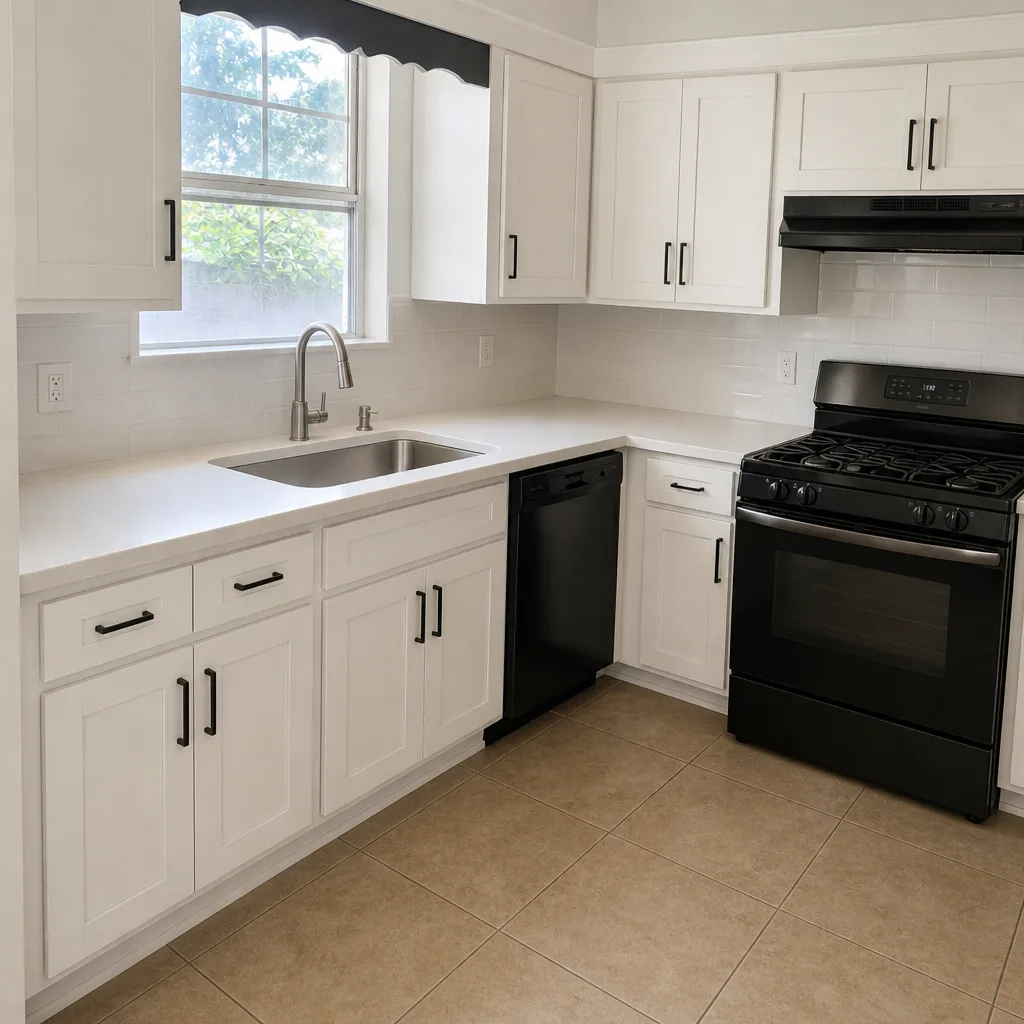
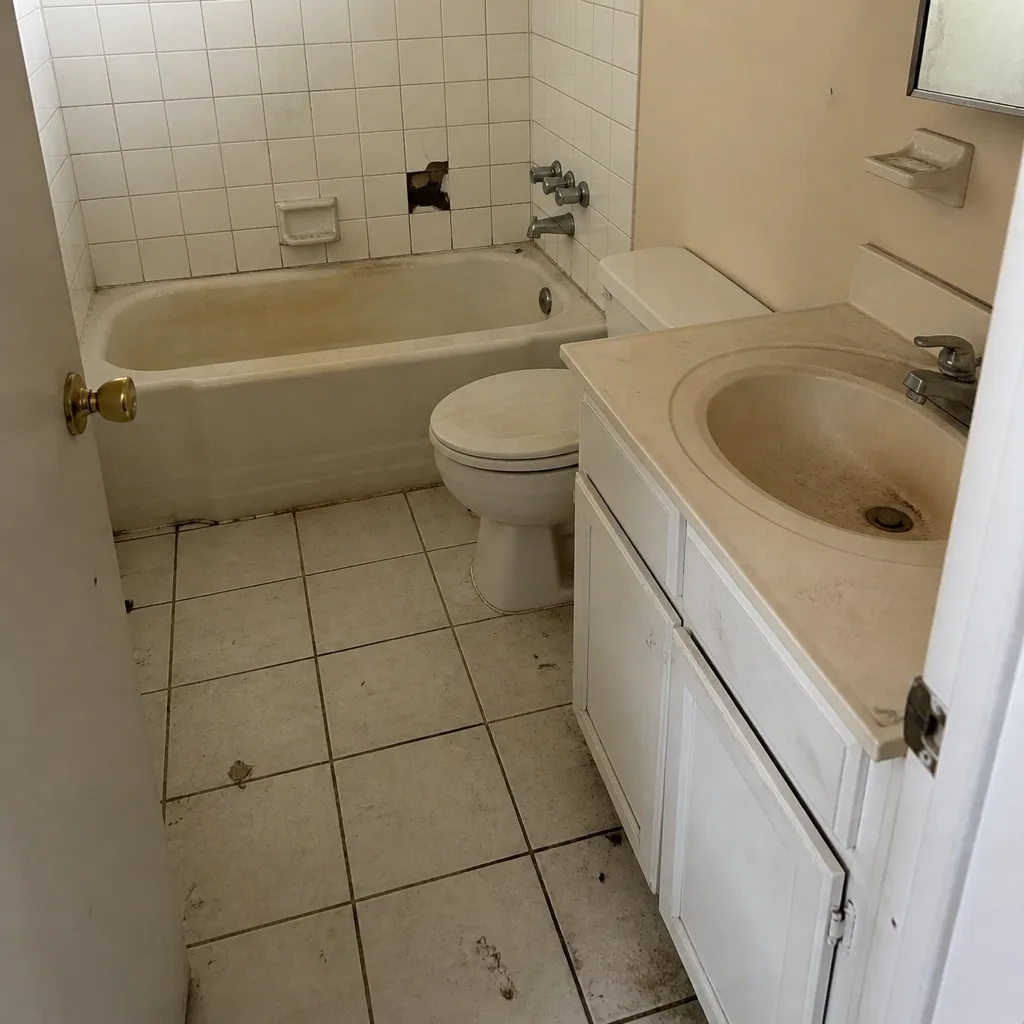
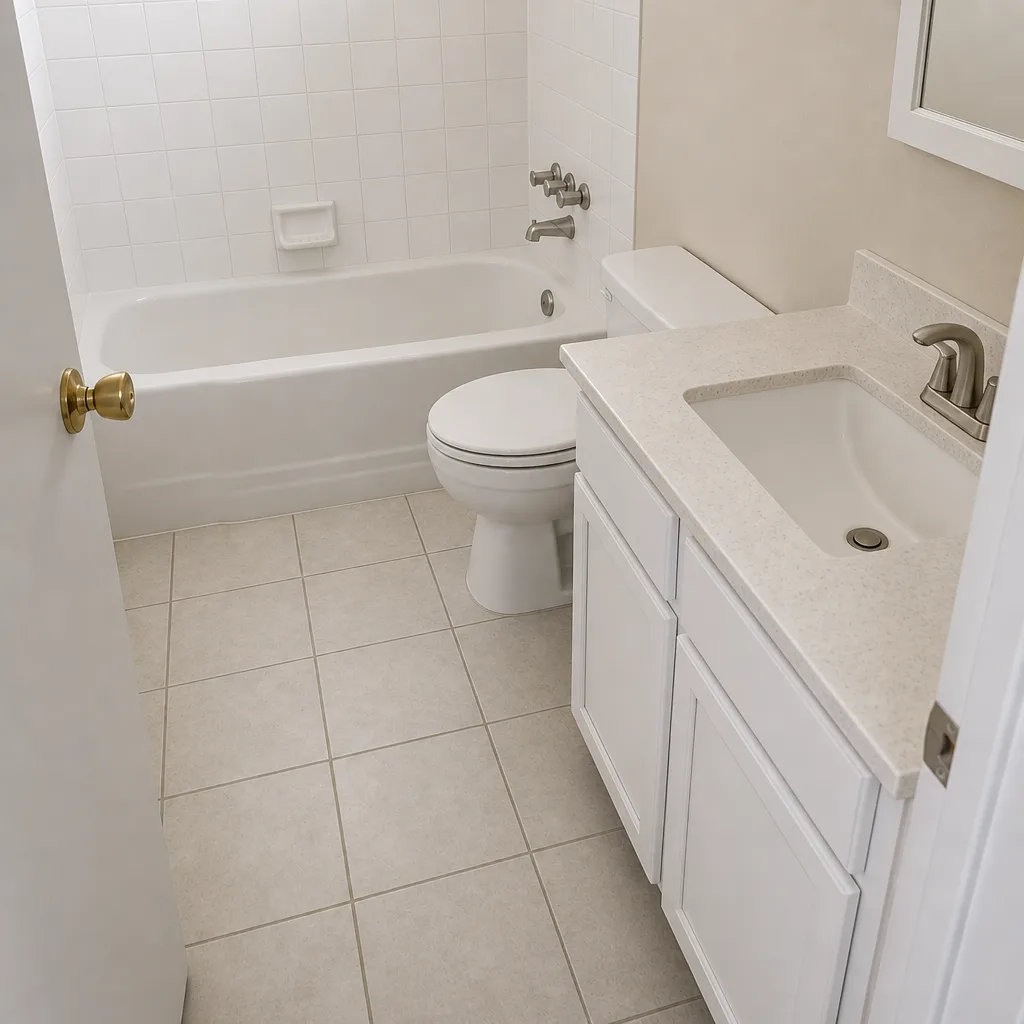
See the difference
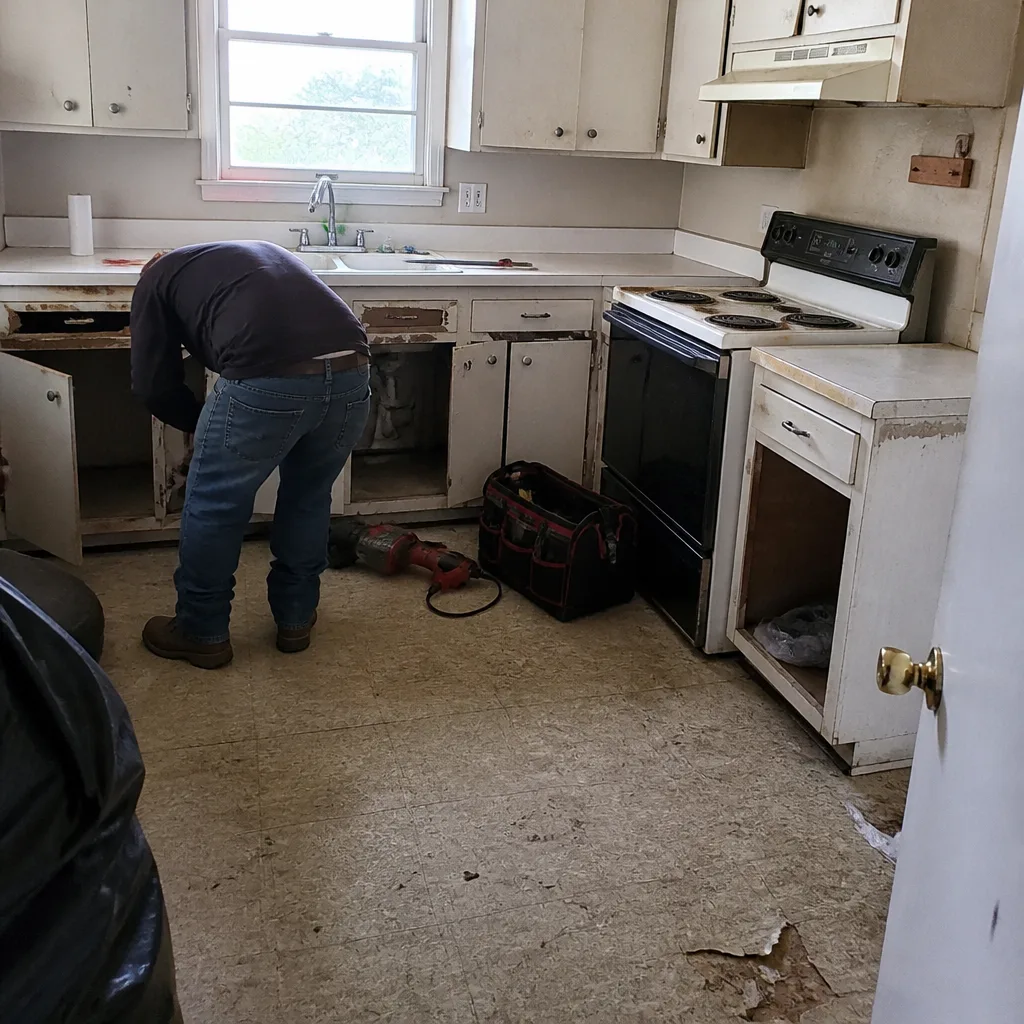 Before
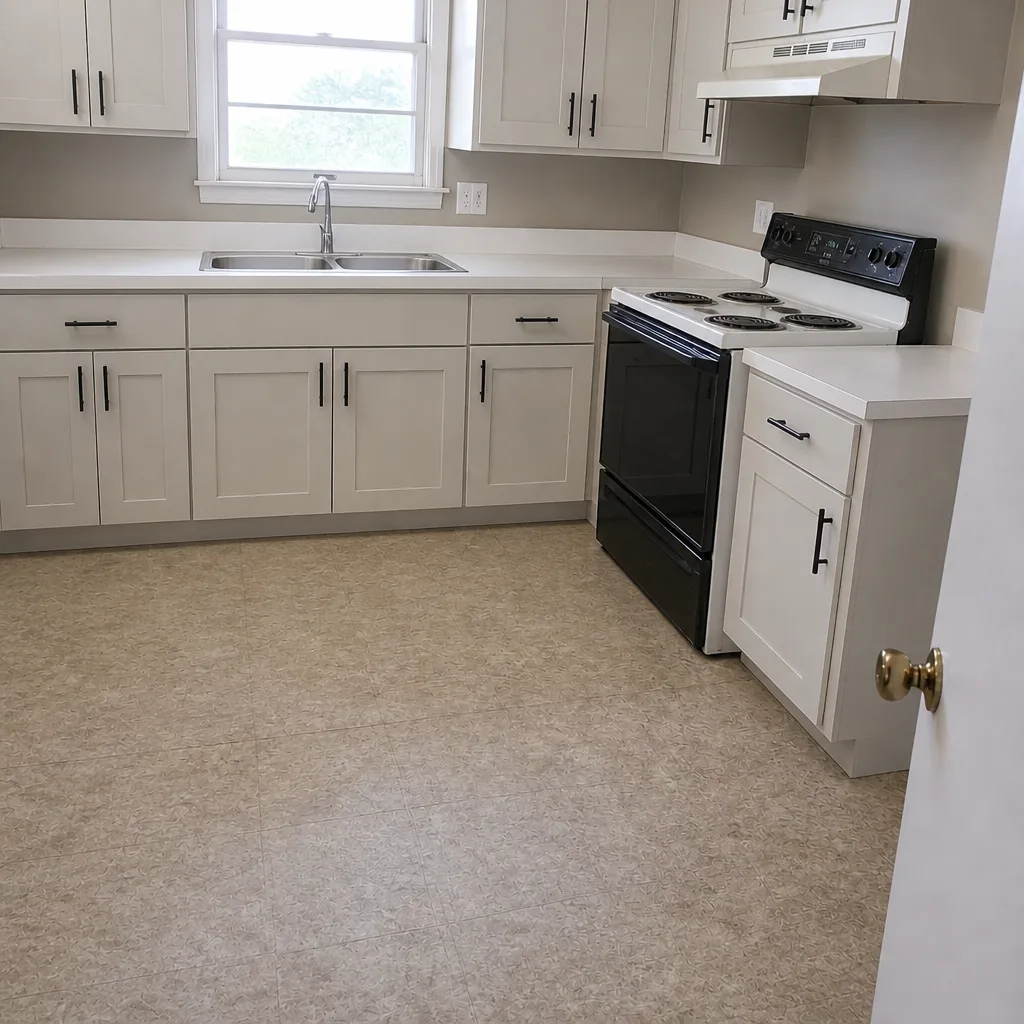 After
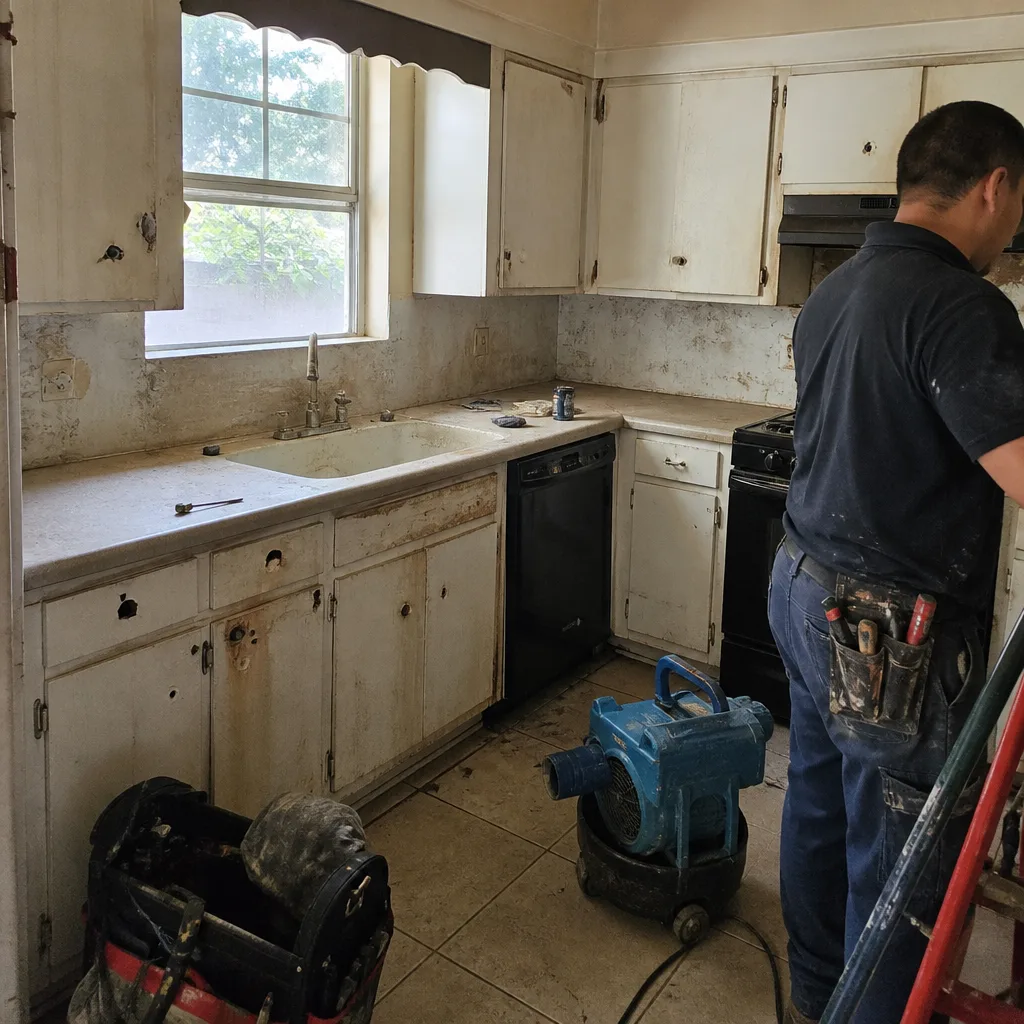 Before
 After
 Before
 After
When to Call a Professional
Call a professional when the work touches water, current, or structure. Specifically: any plumbing change (moving a drain, adding a fixture, replacing a shower valve), any new electrical circuit or GFCI relocation, any wall removal or window resizing, full shower and tub replacements where waterproofing is new, and any project where you find rot, mold, or a mystery wire behind the wall. Also call when the bathroom is on a second floor, because a leak there is a two-room problem.
Groundwork Construction Co. of Richardson offers free estimates in Richardson. Our technicians have up to 12 years of experience, we pull permits and pass inspections, and every project is covered by our 730-Day Done Right Promise: if it’s not done right, we make it right. Call (833) 954-4985 for your free estimate, and we’ll tell you honestly which parts of your bathroom are a weekend paint job and which parts need a licensed crew.
Frequently Asked Questions
Yes, for any work involving plumbing, electrical, structural changes, or moving a fixture. Cosmetic-only work like paint, tile on a sound existing substrate, and like-for-like vanity swaps generally doesn’t require a permit, but confirm with the City of Richardson before you start. If you’re unsure, call (833) 954-4985 and we’ll walk through the scope with you.
Yes, replacing a toilet in the same location with the same rough-in, and swapping a vanity in the same footprint without moving the drain or supply lines, are both homeowner-level tasks. The moment you need to move the drain or the shutoff valves, it’s a permit and a licensed plumber. Pulling the old toilet and finding a soft flange is the other signal to call us.
Doing the paint, hardware, mirror, and vanity yourself typically saves a few thousand dollars off a full bathroom remodel, depending on the scope. Shower, plumbing, and electrical work remain the largest line items, and those are where the savings get eaten if the work is redone. Call (833) 954-4985 for a free estimate with a written line-item quote – upfront pricing, no surprises.
Often not, if the damage traces to unpermitted or improperly installed work. Policies typically cover sudden accidental discharge, not damage caused by work that violated code or skipped the permit. Before you DIY anything in the water zone, verify your coverage and the permit requirement – a call to (833) 954-4985 costs nothing and can save a claim denial.
A handyman can legally handle cosmetic and fixture work; a licensed contractor handles permitted plumbing, electrical, and structural work and carries the insurance and warranty to back it. In Texas, individual trade licensing is patchy, which is why we verify registrations, pull permits, and show our certificates. Ask any contractor for the permit, the insurance certificate, and the written warranty before work begins.
Typical permitted bathroom remodels run several weeks from demo to final inspection, and the biggest variables are inspection scheduling and material lead times on tile and fixtures. Richardson’s permit and inspection process moves predictably when the paperwork is clean, which is one reason we handle it. Call (833) 954-4985 for a project timeline specific to your bathroom.
The Bottom Line
The line between DIY and professional work in a bathroom isn’t about how handy you are. It’s about what the city of Richardson requires a permit for, what your insurance will refuse to cover, and what a failed drain or an unsealed shower pan costs once the damage is behind a wall. Paint the vanity, swap the mirror, upgrade the hardware – those are real wins. Leave the drain, the current, and the waterproofing to a licensed crew, because that’s where a small savings becomes a large repair. If your bathroom project crosses that line, call (833) 954-4985 for a free estimate and a straight answer about scope.
For the wider picture of how a full-scope contractor handles everything from a bathroom to a driveway, start with the Groundwork Construction Co. of Richardson home page, or see how our sister service lines cover the exterior with Driveway & Pavers in Richardson. If your Richardson project expands beyond the bathroom, look at Fence Installation in Richardson and Home Additions & ADU in Richardson. You can also call us directly for a free project estimate and design consult at (833) 954-4985 – live person, 24/7, no voicemail.
Written by the team at Groundwork Construction Co. of Richardson.