Last updated November 18, 2026


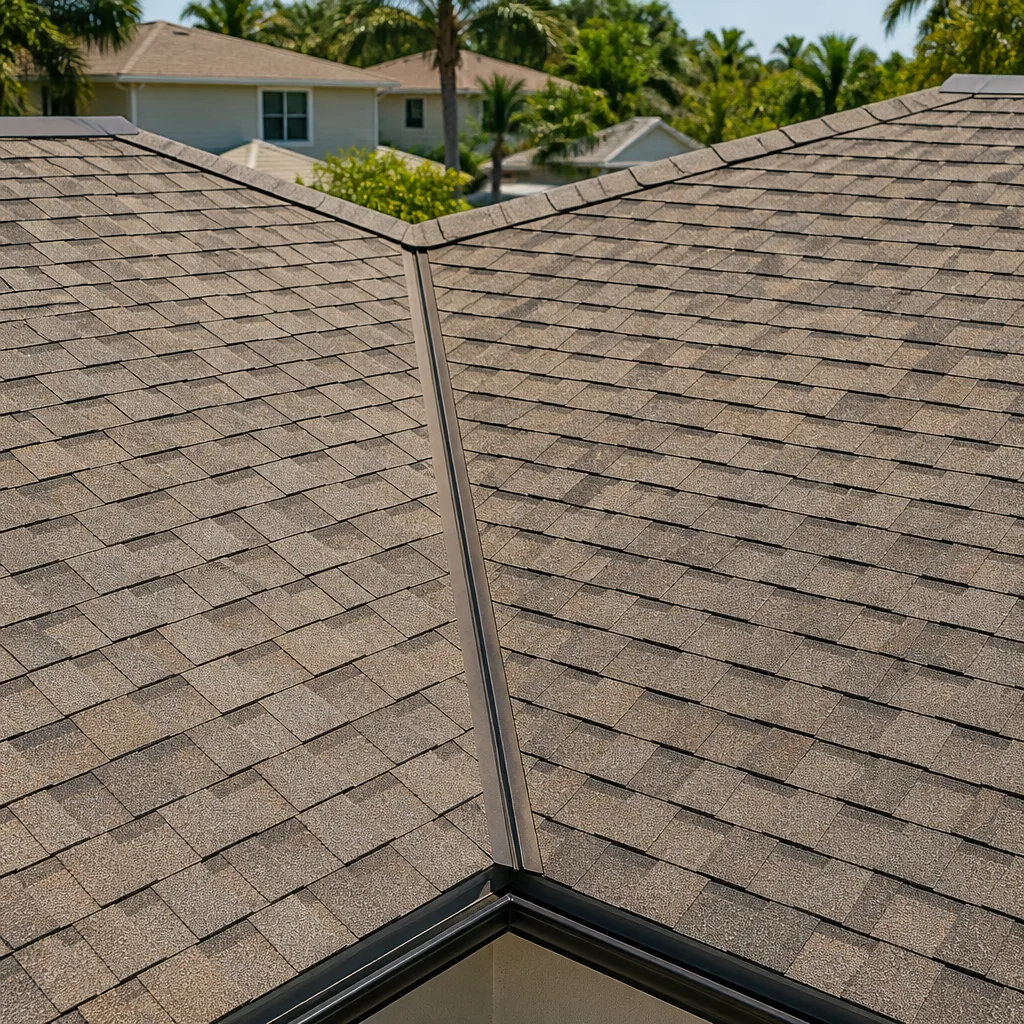

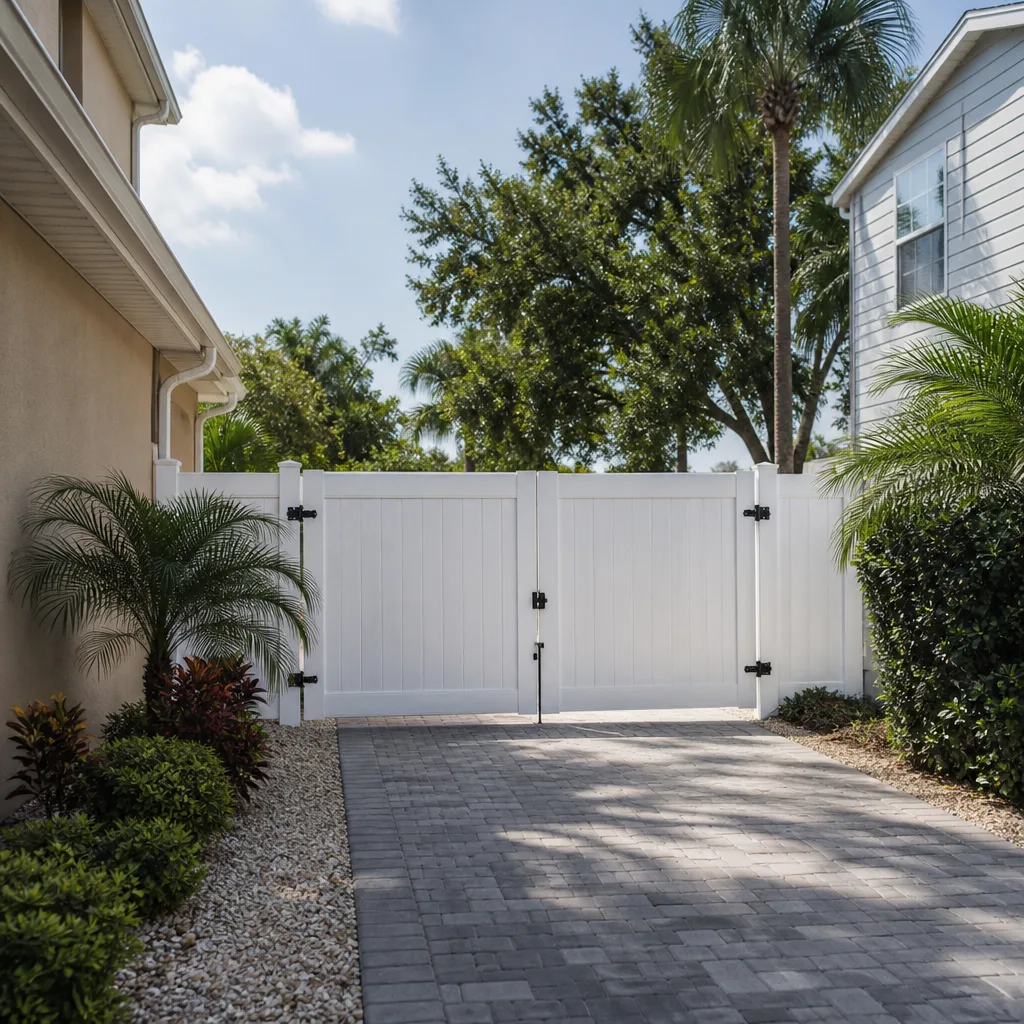


Free written scope consultation - allowances, timeline, and change-order rules on paper before a single trade is scheduled
Construction Permits, Codes & Inspections in TX: What You Need to Know
Texas has no statewide residential building code – which sounds like freedom until you try to sell a home with unpermitted additions and your buyer’s lender flags it during underwriting. That gap is real. Each Texas city adopts its own code book, its own permit thresholds, and its own inspection schedule, so what passes in Dallas may not pass a mile away in Richardson. This guide covers what triggers a permit in Richardson, how the inspection timeline actually runs, what unpermitted work does to your insurance and your title, and when you can pull a permit yourself versus when your contractor must. It’s written from the ground up for Richardson homeowners.
Quick Answer
In Texas, construction permits and codes are set by each municipality, not the state, so requirements vary city by city. In Richardson, most structural, electrical, plumbing, and mechanical work – plus additions, ADUs, fences over a certain height, and driveways and hardscape in the right-of-way – requires a permit and staged inspections before the job is closed out. Skipping that process can void insurance coverage on the affected work and stall a future home sale during title and lender underwriting.
Styles & brands we work with
- Kitchen remodeling
- Bathroom remodeling
- Home additions & ADU
- Roofing
- Windows & doors
- Driveway & pavers
- Fence
Table of Contents
- Why Texas Has No Statewide Residential Code
- What Triggers a Permit in Richardson
- How the Richardson Permit Timeline Really Runs
- The Cost of Unpermitted Work in Texas
- Which Code Version Richardson Adopts – and Why It Matters
- Pulling Your Own Permit vs. Your Contractor Pulling It
- Inspection Stages, Hold Points, and Common Failures
- Common Mistakes to Avoid
Why Texas Has No Statewide Residential Code
Most homeowners assume there’s a single Texas building code that every city follows. There isn’t. The state leaves code adoption to local governments, so each municipality picks its own base model code (usually the International Residential Code), its own version year, and its own local amendments. The result is a patchwork: Dallas, Plano, Garland, and Richardson each run their own permit office with their own thresholds, and a project that sails through one can stall in the next.
For a Richardson homeowner, that means you can’t rely on “my cousin did this in Plano and it was fine.” The rules that govern your project are the ones in Richardson’s adopted code and the Richardson permit office’s current fee and submittal schedule.
Here’s what that fragmentation actually means on a job site:
- Different trigger thresholds. A detached shed, a fence, or a slab addition might be exempt in one city and fully permitted in another.
- Different inspection cadence. Some cities want a rough-in inspection before drywall; others want multiple hold points along the way.
- Different local amendments. Climate and soil conditions push some cities to amend the base code on foundations, wind bracing, and drainage.
- Different submittal requirements. Plans, engineering letters, and sealed drawings vary in what a city will accept.
The takeaway: verify every threshold against Richardson’s current code and permit office before you sign a contract. If a contractor tells you “it’s fine, we do this all the time,” ask them to point to the specific Richardson requirement. If they can’t, that’s your signal to slow down. As a full-scope Groundwork Construction Co. of Richardson team, we pull permits on every project that needs one and walk the inspections alongside the homeowner, because the paper trail is what protects the resale later.
What Triggers a Permit in Richardson
Richardson follows the same pattern most Collin County cities do: anything that touches the structure, the utility systems, or the public right-of-way gets reviewed. Cosmetic work usually doesn’t. The tricky part is the gray zone – a “small” addition, a fence, a paver driveway – where homeowner assumptions and city requirements diverge. The list below reflects the categories that reliably trigger a permit in Richardson; confirm the exact square-footage and dollar thresholds with the current permit office before you start, because fee schedules and exemptions get revised.
Work that typically requires a permit in Richardson
- Structural changes: Removing or adding walls, moving a load-bearing beam, cutting a new opening in a foundation wall, or any change to the structural frame.
- Home additions and ADUs: Any new conditioned square footage attached or detached from the main structure, including garage conversions. See our Home Additions & ADU in Richardson page for how this runs in practice.
- Electrical: New circuits, panel upgrades or replacements, service changes, and any work that alters the load calculation. A like-for-like outlet swap usually doesn’t need one; adding a 240V circuit for an EV charger usually does.
- Plumbing: New fixtures in a new location, repiping, water heater replacement (in most cases), and any change to the drain, waste, or vent system.
- Mechanical: HVAC changeouts, new ductwork, and any gas-fired appliance install.
- Roofing: A full tear-off and replacement usually requires a permit in Richardson; a minor repair typically does not. Always confirm – the line moves.
- Fences: Usually permitted above a certain height, and always if they sit in an easement or right-of-way. Our Fence Installation in Richardson page covers the height and setback edge cases.
- Driveways and hardscape: New driveways, expansions, and work that touches the public right-of-way. That’s most paver and concrete driveway jobs – see Driveway & Pavers in Richardson.
Work that usually does not require a permit
- Interior paint, flooring, and cabinetry replacement in the same footprint.
- Like-for-like fixture swaps (a faucet, a toilet in the same location, a ceiling fan on an existing box).
- Fence repair and re-staining.
- Cosmetic landscaping inside the property line.
When in doubt, call the Richardson permit office and ask a direct question about your specific scope. It takes five minutes and it’s the difference between a clean resale and a nasty surprise at underwriting.
How the Richardson Permit Timeline Really Runs
Most Richardson projects follow the same rhythm: submittal, plan review, permit issuance, staged inspections, and final sign-off. The variable is timing, and the biggest delays usually come from incomplete submittals rather than the city itself. Here’s the sequence we work through on a typical residential job:
- Pre-application check. Confirm what Richardson needs for your project type – some scopes require sealed engineering, some don’t. Getting this wrong sends you back to the start.
- Submittal. Plans, scope narrative, and any required engineering go in together. Missing documents are the single most common cause of a rejected submittal.
- Plan review. The city reviews for code compliance. Simple projects turn around faster; anything touching structural, egress, or energy code takes longer.
- Permit issuance. Once approved and fees are paid, the permit is issued and work can begin.
- Staged inspections. Foundation or slab, framing, rough-in (electrical, plumbing, mechanical), insulation, and final. Each has to pass before the next stage can be concealed.
- Final inspection and close-out. The permit is closed when every stage has passed. That close-out record is what a future buyer’s title company will look for.
What causes delays, in our experience:
- Concealed work: Drywall goes up before the rough-in inspection. The city can require the wall to be opened for inspection – expensive and avoidable.
- Plan changes mid-build: A design change after submittal usually requires an amendment, and that resets part of the review clock.
- Missing engineering letters on structural openings or foundation modifications.
- Failed final because of small items that should have been caught at the rough-in stage.
We schedule every Richardson inspection as a hold point in the build calendar, not an afterthought. That’s how the job stays on schedule and closes out cleanly.
The Cost of Unpermitted Work in Texas
Unpermitted construction doesn’t just risk a citation. It can void insurance coverage on the work, complicate title transfer, and force a retrofit at your expense when a buyer’s lender flags it. The Texas real estate and insurance environment makes this a bigger deal than most homeowners realize.
Here’s how the exposure actually plays out:
- Insurance: Most homeowner policies don’t cover work that wasn’t permitted and inspected. If a fire or water event traces back to an unpermitted addition or a code-violating electrical circuit, your carrier can deny the claim and, in some cases, non-renew the policy.
- Resale: Buyers and their lenders increasingly request the permit history from the city. Missing permits for an addition or an ADU show up as an appraisal or underwriting issue that can stall or kill the deal.
- Title and disclosure: Texas sellers are expected to disclose known unpermitted work, and buyers’ agents flag it during due diligence. That’s a renegotiation lever, or a walk-away.
- City enforcement: If the work is discovered before you sell, Richardson can require a retrofit permit, fresh inspections, and – depending on scope – the removal of non-compliant work.
- Fee doubling: Many cities charge an additional fee for permits pulled after the work was done, so the “cheaper” unpermitted path often costs more in the end.
Our 730-Day Done Right Promise exists because we take the paper trail seriously. If it’s not done right, we make it right – and a permitted, inspected job with a closed-out permit record is part of “right.” Upfront pricing, no surprises means the permit fees and inspection coordination are in the bid, not added after.
Which Code Version Richardson Adopts – and Why It Matters
Richardson follows the pattern most North Texas cities do: it adopts a specific edition of the International Residential Code (IRC) plus local amendments for climate, wind, and foundation conditions. You do not need to memorize the code book. You do need to know three things:
- The base IRC edition matters because it changes real decisions. Recent editions tightened requirements on deck ledger attachment, bracing for high-wind zones, and energy code for window performance and insulation. A project designed against an older edition can fail plan review on the current one.
- Local amendments override the base code in specific areas. North Texas soils (mostly expansive clay) and wind-borne debris drive local amendments on foundation design, roof sheathing attachment, and exterior wall bracing. Those amendments are why a Texas roof or foundation spec can’t be copied from a California or Florida plan set.
- Adoption year and amendment list change. Cities periodically update which base code edition and which amendment list is current. What was compliant two cycles ago may not be compliant now, so always confirm against Richardson’s currently adopted edition.
This is where brand-partner material specifications actually tie back to code. When we spec GAF or CertainTeed roof systems, or Boral or James Hardie exterior products, the spec has to satisfy the current Richardson amendment path for attachment and installation – not just the manufacturer’s generic install guide. Choosing a premium material and choosing a compliant install is the same decision. And it’s why “we do this all the time” is not an answer. The code book has changed since “all the time.”
Pulling Your Own Permit vs. Your Contractor Pulling It
Texas allows a homeowner to pull a permit on their own primary residence for work they will personally perform. That’s real, and it’s useful for small, owner-performed projects. It is also a liability trap for larger work. Here’s the split:
When a homeowner should pull the permit
- Small, non-structural work you’re doing yourself, like a water heater swap, a like-for-like fixture change, or a fence repair above the height threshold.
- You’re the one doing the install and you’ll be on site for every inspection.
- The permit scope is genuinely limited – no structural, no new conditioned square footage, no electrical service change.
When your contractor must pull the permit
- Any work performed by a licensed trade – electrical, plumbing, mechanical – usually gets pulled by the licensed tradesperson or the general contractor, not the homeowner.
- Structural work, additions, ADUs, and any project that requires engineering.
- Any scope where the code inspector will need to talk to someone accountable for the build sequence.
Here’s the liability reason this matters. When a contractor pulls the permit, the contractor is the “permit holder” on record and is accountable to the city for the build. When a homeowner pulls it, the homeowner is the permit holder – which means code violations, failed inspections, and unpermitted scope changes land on the homeowner. If something goes wrong three years later, the contractor isn’t the one on record with the city.
There’s an insurance angle too. Your homeowner’s policy generally covers work under a contractor’s policy while a contractor holds the permit. When you’re the permit holder, some carriers won’t cover work performed by an unlicensed helper on your property. It’s a quiet risk that turns loud when there’s a claim.
For any project at the scale of a Richardson remodel, addition, roof replacement, or ADU, the cleaner path is: the licensed contractor pulls the permit, runs the inspections, and closes it out under their name. That’s what we do on every project. It protects the homeowner, it protects the resale, and it ensures the permit history is clean.
Inspection Stages, Hold Points, and Common Failures
Texas cities typically require the same core inspection sequence on residential work, though Richardson’s specific hold points and scheduling system matter for timing. Here’s the sequence we run, and where we see projects slip:
- Pre-pour / foundation: Rebar, formwork, and any under-slab plumbing are inspected before concrete pour. Miss it and the pour is cancelled – an expensive restart.
- Framing: Wall studs, headers, shear panels, and window flashing are inspected before any insulation or drywall. Richardson’s wind-bracing amendments live here.
- Rough-in: Electrical, plumbing, and mechanical rough-in inspected together or in sequence, depending on scheduling. This is the stage most often missed when the drywall crew shows up too early.
- Insulation / energy: Insulation values, air sealing, and window performance are inspected against the current energy code.
- Final: Everything, all trades, all systems. The permit closes only when the final inspection passes.
What fails most often, in our experience on Richardson jobs:
- Missing or incomplete flashing details at window and roof transitions – common on older Richardson homes where the existing assembly was already questionable.
- Electrical panel labeling and load calculation errors on panel upgrades.
- Frame-out opening measurements that don’t match the approved plan, especially on structural beams.
- Insulation gaps at rim joists and behind knee walls – fixed cheaply at rough-in, expensive after drywall.
The best defense is scheduling inspections as hold points in the build calendar, not “call when you’re ready.” We run it that way on every job, and we walk the homeowner through what passed and what’s next at each stage.
Common Mistakes to Avoid
- Assuming “small” means “no permit.” A 120-square-foot bump-out addition still touches structural and energy code in Richardson. Ask the permit office about your exact scope before you sign anything.
- Letting the contractor talk you out of a permit to “save time.” If a contractor is willing to skip a required permit, they’re willing to skip other things. That’s a tell, not a discount.
- Pulling the permit yourself on a project you’re hiring out. You become the permit holder on record – and the person the city holds accountable when something fails inspection.
- Drywalling before rough-in inspection. A single skipped inspection can force the wall to be opened. In a Richardson kitchen or bath remodel, that’s the most expensive shortcut you can take.
- Forgetting the fence and driveway edge cases. Both are common Richardson homeowner projects where the “we’ll just build it” instinct lands a code violation – see the Fence Installation in Richardson and Driveway & Pavers in Richardson pages for the specific thresholds.
- Not keeping the permit record. When you sell, the buyer’s agent will ask for it. A closed-out permit history is one of the cheapest resale assets you can own.
- Assuming current code hasn’t changed. Richardson’s adopted code edition and local amendments get revised on the city’s schedule. A spec from five years ago may not pass plan review today.
See the difference
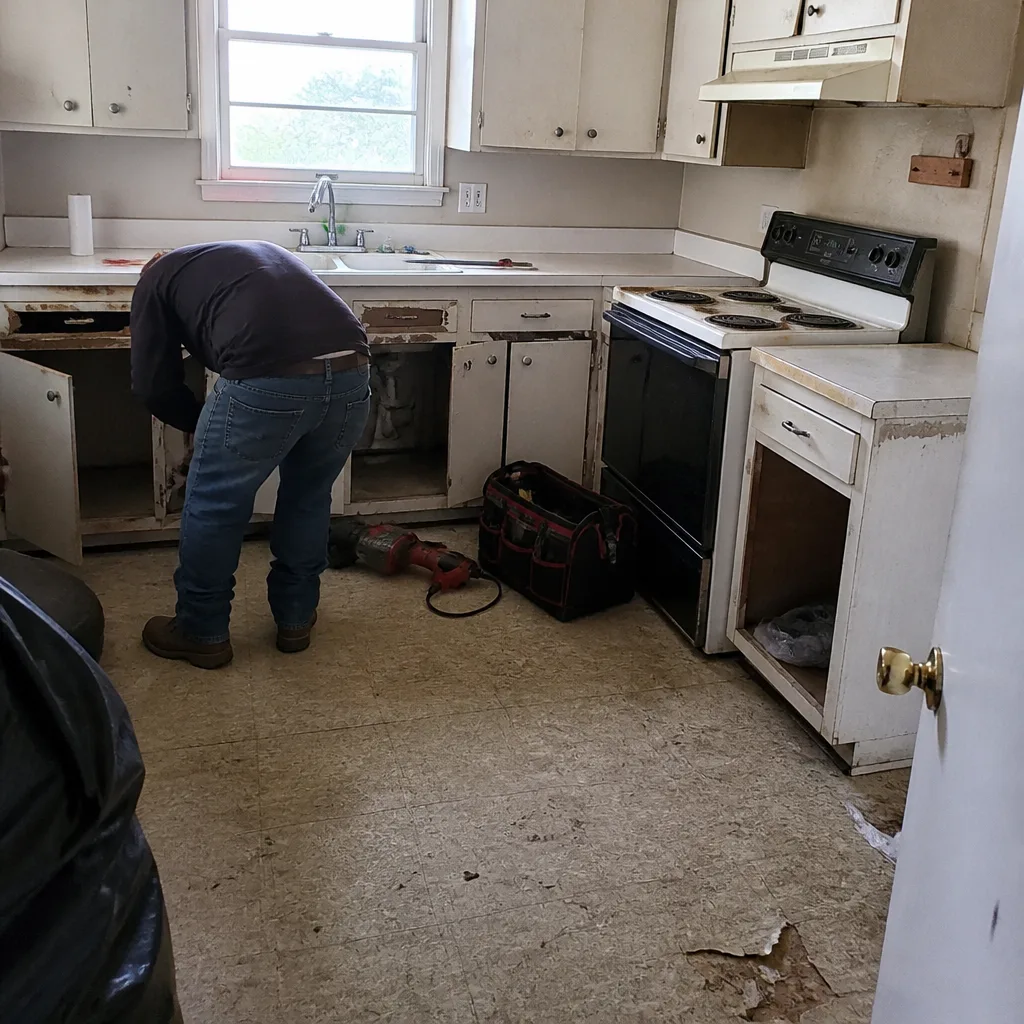 Before
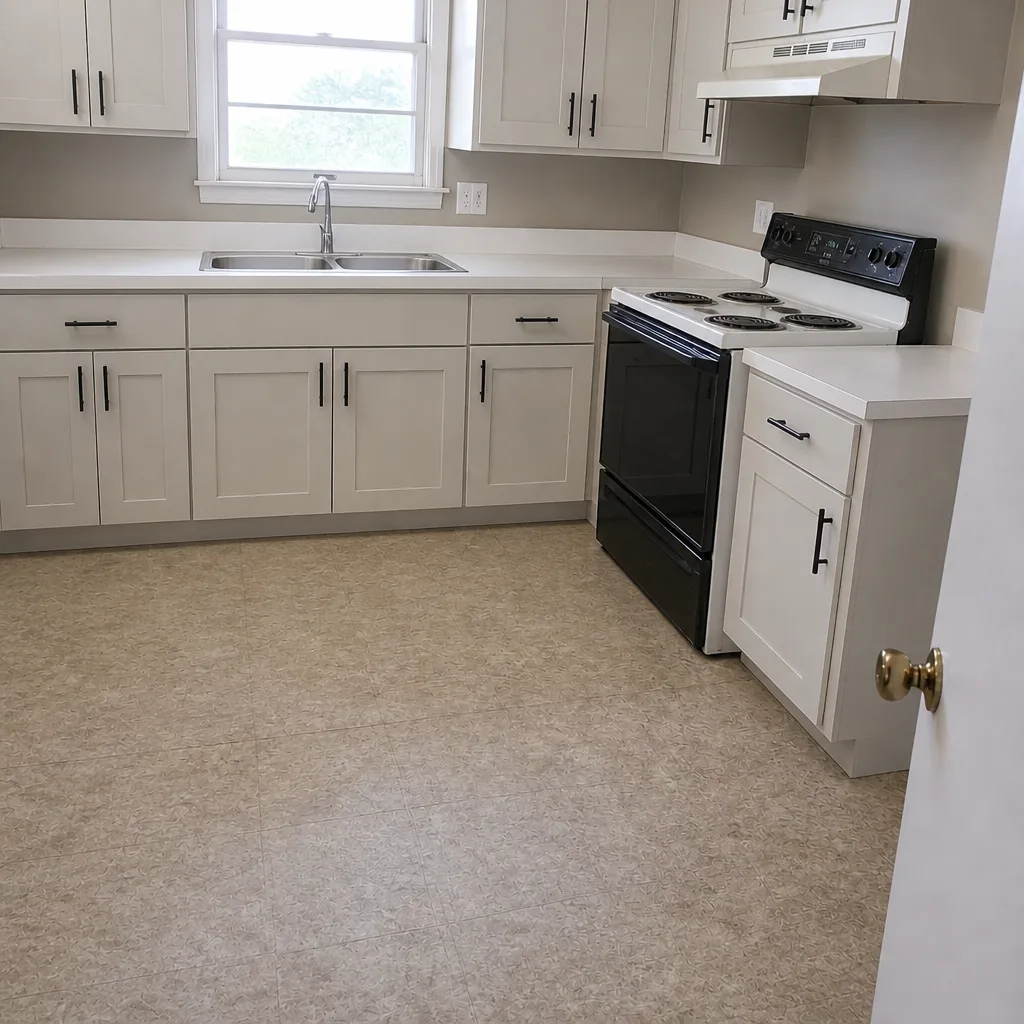 After
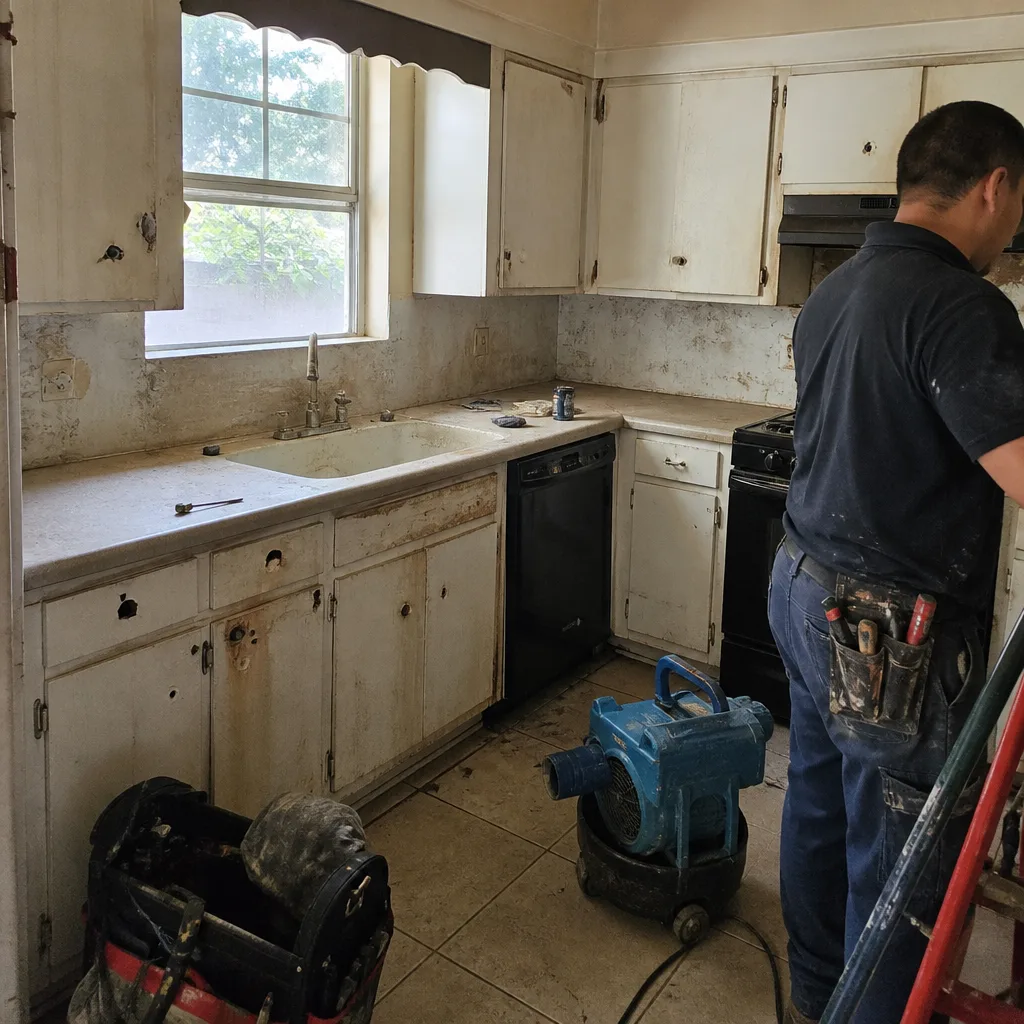 Before
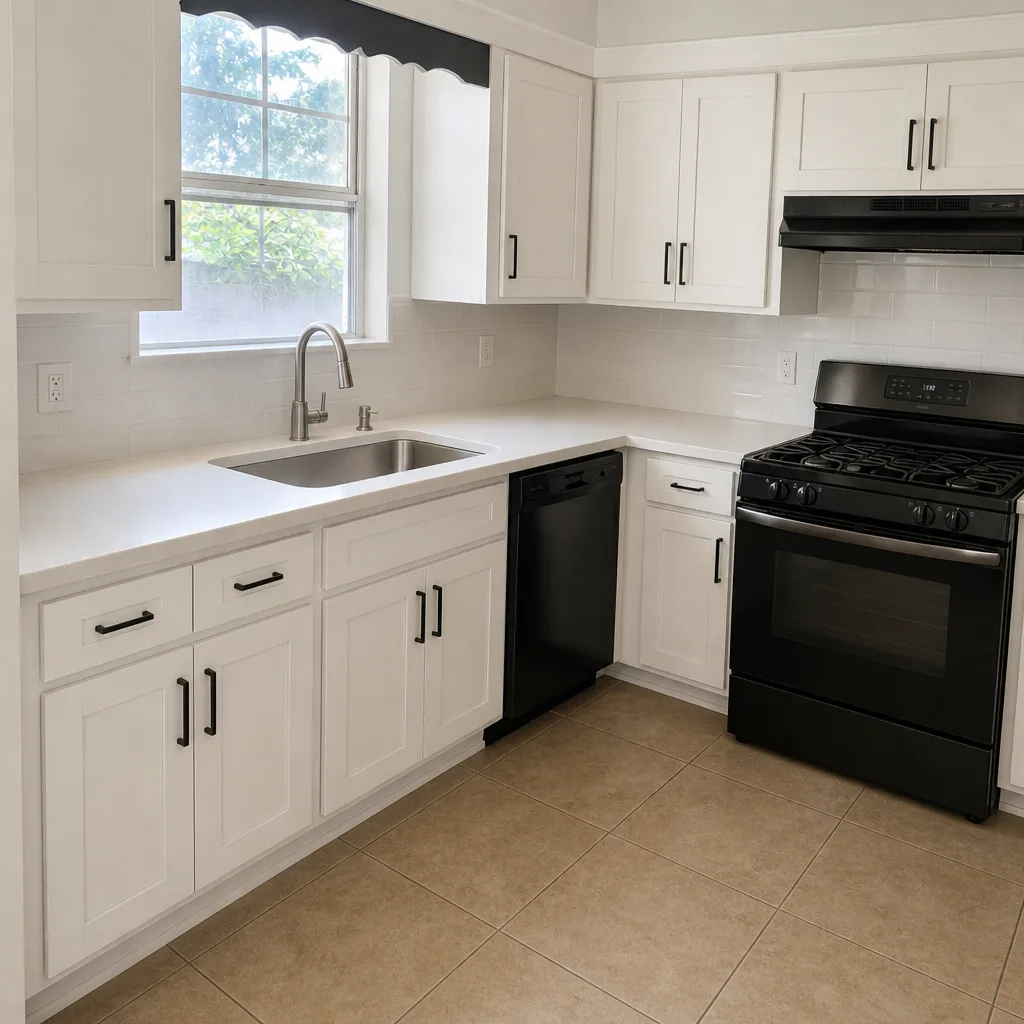 After
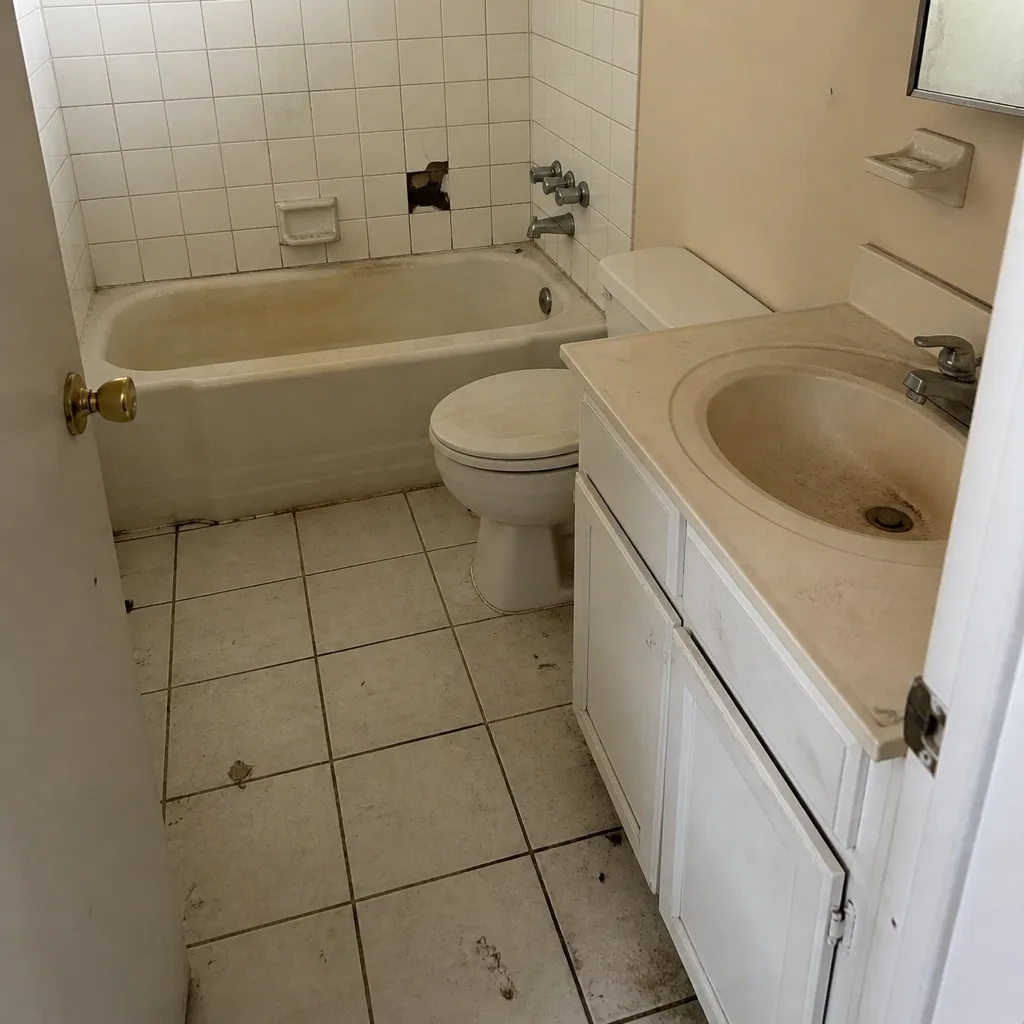 Before
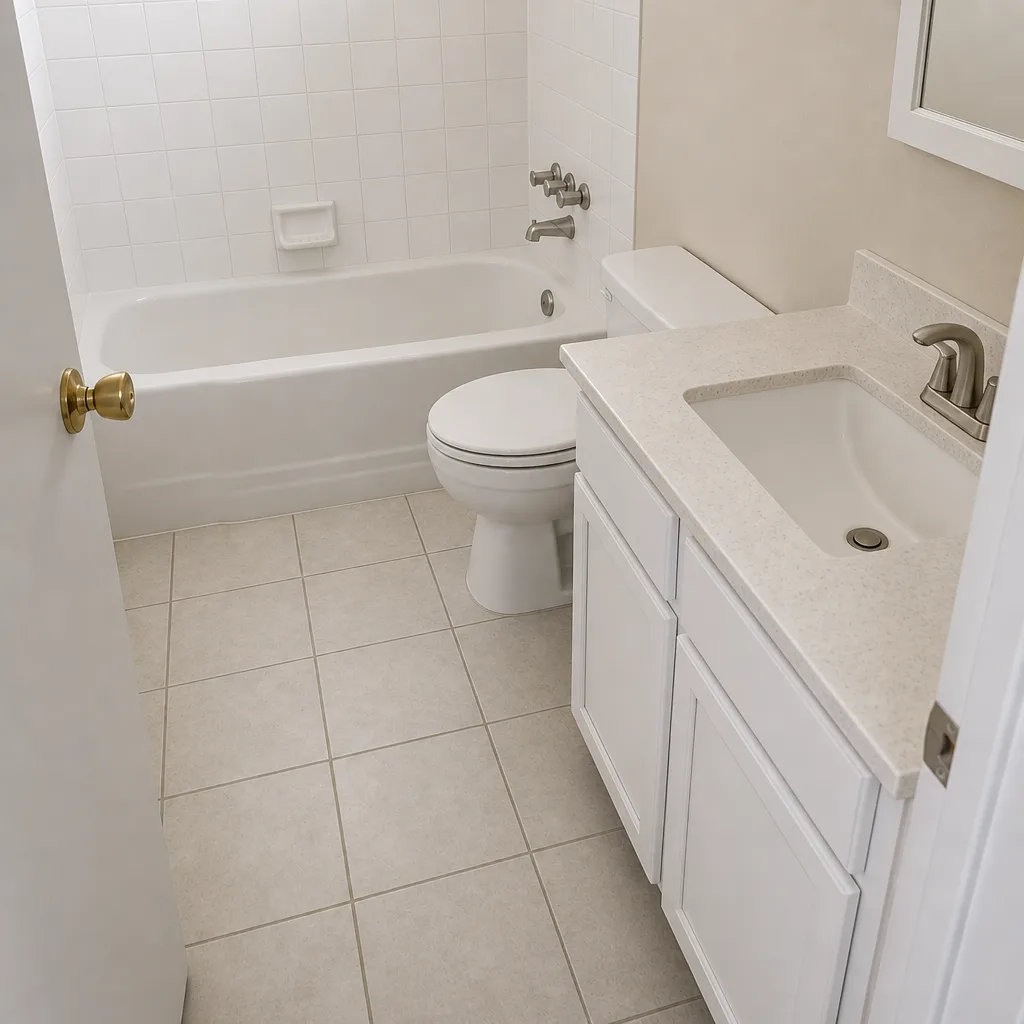 After
When to Call a Professional
Call us when the project crosses any of these lines: any work that touches structure, any addition or ADU, any electrical service change or panel upgrade, any roof tear-off, and any fence or driveway that touches the right-of-way. Call us when you’ve inherited a home with work that may not have been permitted – we’ll help you find out what the Richardson permit record shows and what it takes to close it clean. Call us when a contractor’s bid doesn’t mention permits, and you want a second opinion from someone who will name the code section.
Groundwork Construction Co. of Richardson offers free estimates in Richardson – call (833) 954-4985. Calls are answered by a live person, 24/7. Every project we run is permitted, inspected, and covered by our 730-Day Done Right Promise, with upfront pricing so the permit fees and inspection coordination are in the number from the start. Ask us about the $1,000 off projects over $10,000 and 0% financing for 18 months.
Frequently Asked Questions
Yes, if the work touches electrical, plumbing, mechanical, or structure – and most Richardson kitchen remodels do. A like-for-like cabinet and countertop swap in the same footprint usually does not require a permit; moving a sink, adding a circuit, or opening a wall does. Our technicians have up to 12 years of experience running permitted Richardson kitchen remodels and can tell you which side of that line your project sits on. Call (833) 954-4985 for a free estimate – we’ll walk the scope with you.
Usually yes, once the fence exceeds the city’s height threshold or sits in an easement or right-of-way. The safest path is to confirm the height and setback with the Richardson permit office before the build, because a fence that’s technically “just a fence” can still get flagged during a resale inspection. Call (833) 954-4985 for a free estimate – permits are part of every fence job we run.
You can, but the work typically has to be disclosed and it can complicate the sale. Buyers and their lenders request permit records, and missing permits for an addition or ADU can stall underwriting or force a retroactive permit and inspection at your cost. If you’re planning to sell, get the permit history pulled before you list. Call (833) 954-4985 for a free estimate on getting an unpermitted scope closed out cleanly.
Timeline depends on the scope. Simple projects move faster than anything touching structural, egress, or energy code, and most of the delay comes from incomplete submittals rather than the city. In our experience, the shortest path is to submit a complete package the first time – plans, scope narrative, and any required engineering letter together. Our team pulls permits on every applicable project and handles the submittal. Call (833) 954-4985 for a free estimate and we’ll map out the timeline for your scope.
No. We lock in upfront pricing before we start, and the number you see is the number you pay – permit fees, inspection coordination, and material costs included. The only thing that changes the number is a scope change the homeowner approves in writing before we build it. If you’ve been quoted by another contractor and the permit line was vague or missing, that’s the part of the bid to question. Call (833) 954-4985 for a written, line-item free estimate.
Yes. On every Richardson project that requires one, we pull the permit as the licensed contractor, run the inspections, and close it out under our name. That’s the liability-clean path – you’re not the permit holder on record, and the closed-out permit history travels with the house. Our 730-Day Done Right Promise backs the work; if it’s not done right, we make it right. Call (833) 954-4985 for a free estimate.
The Bottom Line

Texas gives each city its own code book, and Richardson’s version – plus its local amendments – is the one that governs your project. Whatever the scope, the rules are the same: permit any work that touches structure, electrical, plumbing, mechanical, or the public right-of-way; let your licensed contractor pull the permit so the accountability is on record; schedule inspections as hold points, not afterthoughts; and keep the closed-out permit record. Do that, and unpermitted work never becomes an insurance claim or a resale problem. Skip it, and the cost shows up years later. Upfront pricing, no surprises, permits pulled and inspections passed – that’s what a Groundwork project looks like from first call to final walkthrough.
Written by the team at Groundwork Construction Co. of Richardson.